
Avoyelles Parish Opens $102,000 Round of Opioid Abatement Funding
The Avoyelles Parish Police Jury has $102,000 in opioid settlement money for local groups, with proposals due Oct. 16 after $670,000 in awards since 2023.
October 11, 20264 min read

Editorial Board
Editorial review using SAMHSA, CDC, CMS, and state agency sources
The NWVCIL editorial team reviews and updates treatment-center information using public data from SAMHSA, CDC, CMS, and state behavioral-health agencies. We cross-check facility records, state coverage rules, and clinical-practice updates so the directory reflects current evidence and policy.
The Avoyelles Parish Police Jury has $102,000 in opioid settlement money for local groups, with proposals due Oct. 16 after $670,000 in awards since 2023.

El Paso County joins nine Colorado counties piloting an overdose fatality review board with CDC funding, as local deaths rose 16% and the state bucked a national decline.

Teva's Weltruza becomes the first once-monthly subcutaneous olanzapine injection for adults with schizophrenia, with no loading dose and no monitoring after shots.

Construction is well underway on a 60-bed detox and residential treatment center in Henrico County, Virginia, proposed in 2020 as an alternative to a third jail.

The National Council on Problem Gambling's executive director resigned after the nonprofit accepted $2 million from prediction market Kalshi, and donors left.

Washington Township told New Jersey it spent $170,446.70 in opioid settlement funds on drug education. Bill lists show two police SUVs and 15 Flock cameras.

A free vending machine dispensing naloxone, pregnancy tests and hygiene supplies at Copper Mountain College was restocked twice in its first week.

Cuyahoga County's Issue 11 would renew a 4.7-mill health levy and add 2.5 mills, raising $261.5 million a year for 10 years as federal funds shrink.

Van Ingram will leave Kentucky's Office of Drug Control Policy at the end of 2026, and recovery advocate Tara Hyde, in recovery since 2011, will succeed him.

Louisiana won federal approval for a waiver that pays for addiction treatment and a 30-day medication supply before someone leaves prison, starting in 2027.

New York's Gaming Commission formally proposed two rules requiring sportsbooks to flag at-risk bettors and barring AI-customized bonuses and wagers.

Carmel will pay $150,000 to settle a lawsuit over its rejection of a crisis stabilization center, as Putnam County expands its mobile crisis team to 24/7.

Maryland-based R&S Holdings bought Innovo Detox, a 52-bed detox and residential facility in Abbottstown, adding medically supervised withdrawal to its network.

Dane County opioid settlement money helped the UW Health Compass Program extend its hours, widening walk-in access to addiction treatment in Madison.

Viatris agreed to pay $36.50 a share for Pacira BioSciences, adding the non-opioid pain drugs Exparel and Zilretta as opioid-sparing alternatives gain ground.
A survey of 855 U.S. primary care and emergency physicians finds more addiction training is linked to less stigma toward patients with substance use disorders.
HRSA's Rural Communities Opioid Response Program awarded $1.05 million to a Pendleton nonprofit serving four Oregon and Washington counties.
Houston's FRONTLINES program will use $3 million in federal money to train first responders across Harris and Fort Bend counties to reverse opioid overdoses with naloxone.
A JAMA Psychiatry analysis of 2021-2023 federal survey data found mental health and substance use disorder care totaled $174 billion, or 7% of US medical spending.
New Jersey will pay nearly $666,000 to two nonprofit health centers that combine addiction and mental health treatment with primary care at the same location.
A NIST analysis of 4,563 drug samples finds fentanyl adulterants now average six or more per sample, with sharp regional differences.
OneOhio Recovery Foundation's second regional grant cycle awarded $960,158 to four Stark County agencies for harm reduction, youth prevention and recovery services.
Somerset County, Maine's jail won a $3.1 million SAMHSA grant to fund its extended-release buprenorphine program until jails can bill Medicaid.
South Tucson and Pima County launched RISE, an opioid-settlement-funded program that sends behavioral health specialists on crisis calls.
An Arkansas appeals court affirmed that AIG units and dozens of excess insurers owe Walmart a defense in more than 2,400 opioid lawsuits.
A Bronx trial's automated opioid-use screen flagged 9,140 records but produced just 23 buprenorphine starts, a 5 percent initiation rate.

The FDA is taking public comment through Nov. 20 on how the first federally funded ibogaine trials should handle dosing, cardiac monitoring and safety.
Indiana estimates 58,000 Healthy Indiana Plan members are not meeting the work requirements taking effect Jan. 1, 2027, and officials call the number rough.
Michigan's Ingham County health department reported a rise in non-fatal overdoses from Oct. 2 to 4, including one suspected death, and sent teams out with naloxone.

A foundation started by a father who lost his son to an overdose delivered 500 naloxone kits to Milwaukee Public Schools, enough for every campus.
A Northwestern study in the journal Brain found long-term prescription opioid users reported the same back pain as matched patients taking none.
A state performance audit found all 100 sampled Medicaid opioid treatment claims missed at least one requirement and flagged $875,696 in overpayments.

Virginia's state-funded problem gambling network reported a 36% jump in demand in early 2026, with peer specialists fielding calls as casinos and sportsbooks grow.

A rapid review of 57 studies finds Housing First programs house adults with substance use and mental health needs more reliably than treatment-first models.

Louisiana health officials confirmed cychlorphine in at least two overdose deaths since December 2025 and warned the potent opioid may require repeated naloxone doses.
North Carolina will spend more than $17 million in federal rural health funds on addiction treatment, mobile crisis teams and psychiatric care for 2026-27.

Pasquotank County's new recovery court held its first session Oct. 6, offering treatment instead of prison with funding from North Carolina's opioid settlement.

Tecsys committed $5 million over five years to Prisma Health's 112-bed behavioral health hospital near Easley, South Carolina, set to open in March 2027.

Overdose deaths among Black San Diegans fell from 159 in 2023 to 85 in 2025, the district attorney said, while methamphetamine deaths kept rising.

UConn Health will use a five-year, $3 million SAMHSA grant to build a clinic serving Connecticut's foster, kinship and adoptive children and their caregivers.

The Postal Service issued a $1 semipostal stamp honoring fentanyl awareness, with net proceeds going to the National Institute on Drug Abuse.
Three of the nine prediction platforms ordered to stop serving Connecticut have shut down there, state officials said, as regulators press the remaining six.
An FDA final order exempts certain clinical toxicology test systems from premarket review, clearing a barrier to oral fluid drug testing in federal programs.
A practical checklist for evaluating addiction treatment centers — licensing, accreditation, evidence-based care and real costs — plus the red flags to walk away from.
In interviews with 20 people recovering from opioid use disorder, Johns Hopkins researchers found 70% reached a rock bottom but only 10% said it drove them to stop.
Nevada's prison board advanced a plan to replace inmate mail with tablet scans, citing drug-laced paper; legal mail will pass through settlement-funded scanners.
Osceola County schools will install vape detectors at 19 campuses with $191,885 in opioid settlement funds, aiming to cut vaping referrals by 25%.
The Pennsylvania House voted unanimously for House Bill 2657, which would register kratom sellers, bar sales to minors and ban synthetic 7-OH products.
Nearly 400 Rhode Island men died by suicide from 2020 to 2024. A new state campaign uses a blunt fictional therapist to steer men toward care.
What a month without alcohol does to sleep, mood and health, who should not quit cold turkey, and what it means if 31 days feels harder than expected.
Utah health officials issued an urgent warning after four deaths were linked to illegal kratom-derived compounds found in supplements labeled 'cat's claw.'
Missouri will not adopt federal short-term hardship exemptions from Medicaid work requirements starting Jan. 1, 2027, citing existing medically frail and caregiver pathways.
A New York labor law takes effect Dec. 13, requiring most private employers to keep an opioid antagonist on hand; proposed rules leave dose counts to employers.

Oklahoma's attorney general opened a new round of opioid abatement grants for public schools, technology centers and colleges, worth $105,000 to $900,000 each.

Pennsylvania expects $516 million to $729 million from a Meta child-safety settlement, but lawmakers and the attorney general disagree over who controls the money.
A Duke-led survey of 585 pharmacists finds most see benefits in dispensing methadone through community pharmacies, but few know the model is already legal.

Psyence BioMed's Texas unit partnered with DEA-registered Benuvia to plan U.S. manufacturing of pharmaceutical-grade ibogaine, a drug studied for opioid use disorder.
Federal and local agencies launch an overdose task force in San Antonio, where police respond to about 150 overdose calls a month, and announce the first charges.

Assembly Bill 1556, signed Sept. 29, makes drug-free recovery housing eligible for California's homelessness funding after Newsom vetoed a similar bill in 2025.

In mice, deleting the EphB1 receptor made morphine relieve pain more effectively by keeping mu-opioid receptors on the surface of nerve cells.

An Epic Research analysis of 13,533 patients found those diagnosed with gambling disorder were far more likely to carry depression, anxiety and substance use diagnoses.

A stopgap funding bill pushed the start of the federal ban on intoxicating hemp-derived THC from Nov. 12 to Dec. 11, giving Congress weeks to weigh regulation over prohibition.

Fifteen former residents told InvestigateWest that 5Rock Ranch, an unlicensed Christian recovery ministry in Yamhill, Oregon, harmed them rather than helped.
A state-commissioned report found Oregon directed $39 million of $1.5 billion in two years to prevention, and that most school districts lack required plans.

A Vanderbilt-led study of 9,360 Tennessee pregnancies found more days of buprenorphine or naltrexone around delivery was linked to lower overdose and death risk.

A Rutgers-led analysis of 1.1 billion fills found dispensing of Xanax, Valium and similar sedatives dropped from 7.5% to 5.5% of the population.

Gov. Gavin Newsom vetoed Senate Bill 903, which would have barred companies from offering or advertising chatbot-delivered therapy to Californians.

The EEOC says the shipbuilder withdrew job offers from five applicants who take prescribed buprenorphine, violating the Americans with Disabilities Act.

Massachusetts health officials now say even moderate drinking can raise the risk of cancer, high blood pressure and heart disease, going further than federal advice.

Jerry Jones III, a former emergency physician, admitted trading buprenorphine and stimulant prescriptions worth nearly $295,000 in mobile payments.

Minnesota's health department launched MN-OD-ALERTS, which uses near-real-time ambulance and hospital data to flag opioid overdose spikes and warn local agencies.

In a pilot study, adults in addiction treatment reported lower cravings after music therapy sessions, with measurable shifts in EEG brain activity.

Arizona Attorney General Kris Mayes filed a consumer fraud lawsuit accusing Express Scripts and Optum of steering opioid prescriptions for profit.

Clear Scientific's CS-1103, a first-in-class sequestrant, accelerated fentanyl clearance into urine 25-fold in a 16-person Phase 2 trial. Phase 3 is set for 2027.

Proposition 132 would make possessing any amount of fentanyl a felony with mandatory prison time and sharply raise penalties for selling it, at a cost of millions.
HHS selected eight communities, from Huntington, West Virginia, to the Cherokee Nation, to share $96 million over four years for street-based addiction and homelessness care.

Spending reports released Thursday show New Jersey towns used opioid settlement money on concerts, bounce houses and a muscle car, prompting an oversight bill.

A federal complaint accuses an Oxford, Mississippi, vape shop clerk and his son of selling a kratom product tied to the death of Ole Miss student Aidan Hamilton.
A JAMA Network Open analysis of 229,847 young Medicaid enrollees finds only half start opioid addiction treatment and just 3.1% stay on medication past 180 days.
SAMHSA resumed the 988 Suicide and Crisis Lifeline's Press 3 option for LGBTQ+ youth on Sept. 30, ending a 14-month gap that began when the Trump administration cut it.

Gov. Matt Meyer signed Senate Bill 249 and Executive Order 28, creating a licensing framework for harm-reduction programs and decriminalizing paraphernalia.

A federal class action filed in Boston alleges DraftKings used machine learning to single out gamblers likely to lose more and then target them with promotions.

Federal officials cleared Maine's Whole Person Care Waiver, letting MaineCare cover reentry services up to 60 days before release from jail or prison.
Across 234,944 Medicaid opioid-related encounters, 14% filled buprenorphine within 30 days, and Black and Hispanic patients were least likely to start or stay on it.
St. Louis County's health department reported about 200 suspected nonfatal overdoses since late August, with a cluster in the 63136 ZIP code around Jennings.

Dr. Stephen Loyd, the eighth director of West Virginia's Office of Drug Control Policy, resigned this month after being moved under a cabinet secretary.

The 2026 Indiana Youth Survey of 53,879 students found vaping, alcohol and binge drinking at their lowest levels since current methods began in 2015.
Montana begins enforcing Medicaid work requirements October 1, requiring nearly 71,000 enrollees to document 80 hours a month or prove a medical-frailty exemption.

The Policy Center for Maternal Mental Health launches a National Maternal Mental Health Accelerator with 100-plus groups to close gaps in perinatal care by 2030.

Orexo completed a resubmission of its new drug application for IZIPRY, a high-dose naloxone nasal powder, answering a 2024 FDA rejection letter.
A JAMA Internal Medicine study of two Philadelphia hospitals finds severe withdrawal needing an ICU sedative rose from under 6% to about 32% as medetomidine spread.

UC San Diego receives a five-year, $12.6 million NIDA award to launch the Polysubstance Addiction Research Center studying cocaine, opioids and alcohol.

The VA awarded $111.9 million through the Staff Sergeant Parker Gordon Fox program to 191 community organizations serving veterans, the largest round of the grant's history.

California's governor signed laws expanding first responder referrals and family input for CARE Court, while bills tying the court to conservatorships died in committee.

Colorado Medicaid officials are weighing cuts to peer recovery coaching after spending on self-help and peer services rose 286% from 2022 to 2024.

A DEA administrative law judge stayed the marijuana rescheduling case after opponents moved to add a GAO report on gaps in federal drug scheduling to the record.

HRSA awarded $89.3 million through its Rural Communities Opioid Response Program, including $62.7 million for integrated treatment and recovery services.

Gov. Mikie Sherrill signed S4413/A5253, an $8 million SPARK pilot that puts psychiatric consultations and care coordination inside up to 10 school districts.

Corrections data compiled by the Correctional Association of New York show prison staff used Narcan 51% more often in 2025, with 12 deaths in each of the past two years.

The VA will require signed consent before combined opioid and benzodiazepine prescriptions and before antidepressants for veterans under 30, starting in 2027.
State regulators are reviewing whether a Santa Monica sober living home operated as an unlicensed addiction treatment facility before a resident's fatal overdose.
A new national campaign backed by two Democratic lawmakers wants federal standards for sports betting advertising, affordability checks and AI-driven promotions.
Packaged kratom was found at the scenes of two University of Mississippi student deaths, prompting arrests, a mayoral warning, and renewed state ban efforts.
Philadelphia's first mobile methadone van, operated by Merakey in Kensington, has connected 567 people to treatment since its October 2025 soft launch.
The Senate unanimously passed two bipartisan bills to speed FAA mental health clearances for pilots and air traffic controllers and publish a list of approved medications.
A UC San Diego study in the journal Addiction finds 11.4% of adults 65 and older who used cannabis in the past year met criteria for cannabis use disorder.
SAMHSA awards $247.9 million in grants for opioid treatment medications, overdose reversal training, school mental health and recovery support.
Austin-Travis County EMS reports some overdose victims now need up to six naloxone doses, up from the typical one to two, as the fentanyl-adulterated drug supply grows more unpredictable.

Medina County reduced fatal overdoses from 42 in 2017 to 8 in 2025, an almost 80% drop, as Ohio's statewide rate fell from 70 to 27 per 100,000.

NET Recovery's wearable neurostimulation device receives FDA Breakthrough Device Designation for stimulant addiction, where no drug or device is currently approved.

OSHA released a September 24, 2026, fact sheet advising employers on stocking naloxone and training workers to reverse opioid overdoses, though it stops short of mandatory requirements.
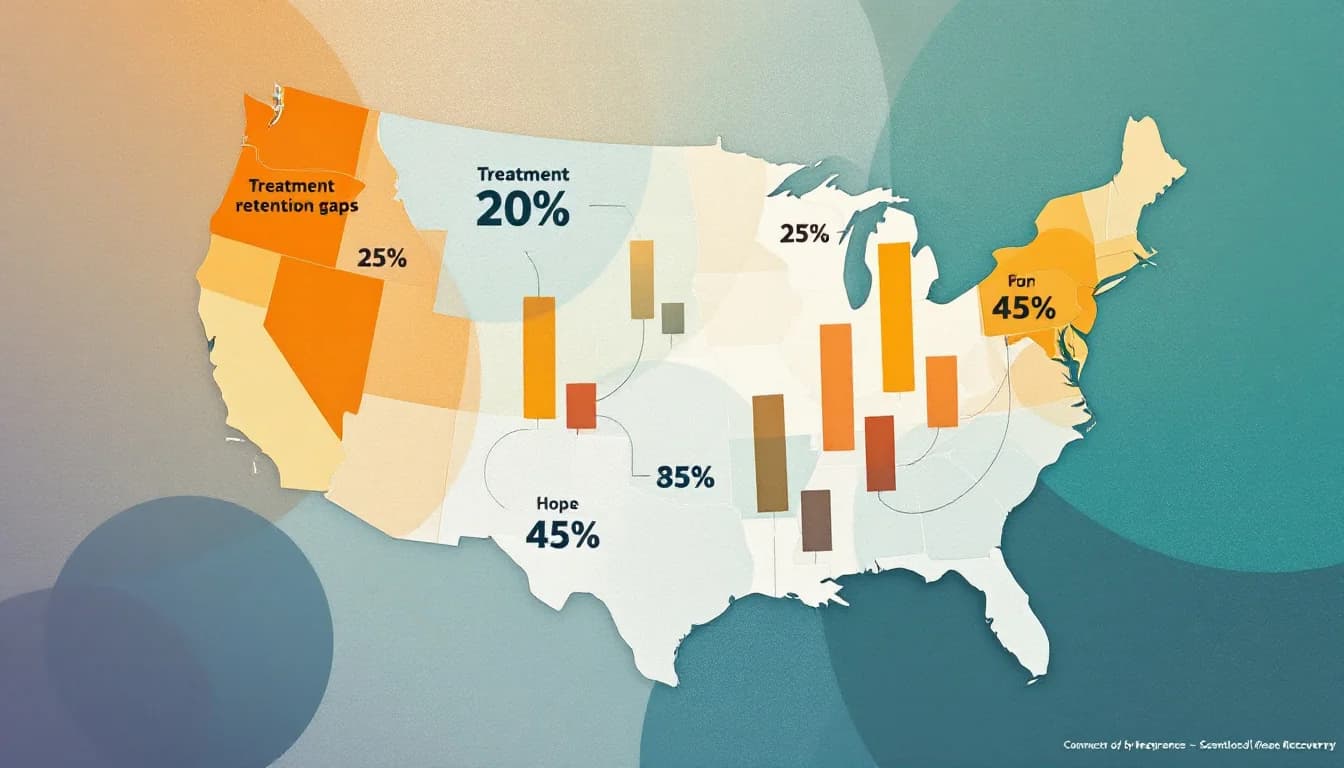
A nationwide analysis of 1,218 opioid treatment programs finds that higher patient retention correlates with lower hospitalizations, ER visits, and mortality.
Volunteers handed out free naloxone at more than 1,000 sites in all 50 states on Sept. 24 for Save a Life Day, as federal funding rules kept drug test strips off many tables.

Urban Institute analysis: Medicaid-covered buprenorphine fills rose from 936,000 in 2010 to 8.2 million in 2025, gains now threatened by federal Medicaid cuts.

Governor Newsom signed AB 113, allocating $4.7 million for California's first state-funded research into psychedelic therapy for veterans with treatment-resistant PTSD.

A Roanoke research team wins federal funding to test whether psilocybin-assisted therapy can treat cocaine use disorder, for which no FDA-approved medication exists.

SAMHSA awards $42.3 million in block-grant supplements and $2 million to the ATTC Network to advance the 'Treatment First' model for homelessness and addiction.

Bipartisan bill from Senators Hassan and Scott would create one centralized application for federal addiction prevention, treatment and recovery grants.

HHS awards Alabama, Kansas and West Virginia $500,000 each in supplemental SAMHSA grants to build faith-based substance use prevention partnerships for youth.

Autopsy identifies 16-year-old Dante Lacourte as the victim of San Francisco's first fatal cychlorphine overdose; police arrest four and seize 20,000 pills.

Five years after the national settlement, Grand Traverse County opens applications Sept. 14 for more than $2.3 million in opioid settlement funding.

Prosecutors: two Jacksonville brothers sold 'fent free' counterfeit oxycodone pills that actually contained nitazenes, opioids rivaling fentanyl's potency.
HHS awarded $383.4 million in SAMHSA grants on 988 Day: $252 million for 988 and crisis services, $81.4 million for substance use treatment and prevention.

Luzerne County officials warn that 12 overdose deaths in three months involved cocaine mixed with fentanyl, even as the county's overall overdose toll falls.

Pennsylvania's high court is weighing a joint-use defense to drug delivery resulting in death charges, filed more than 680 times statewide from 2021 to 2025.

The Centers' $36 million Glick Recovery Campus begins 24/7 walk-in crisis care Sept. 28 in Cleveland, expecting to serve 12,000 people a year.

Singing River Health System's free naloxone vending machines at three Mississippi Gulf Coast hospitals have distributed more than 7,800 boxes as overdose deaths fall statewide.

Iowa AG Brenna Bird awarded $1.6 million to five organizations in the first wave of opioid settlement grants after months of criticism over delays.
BAART Programs adds office-based buprenorphine treatment at 11 opioid treatment centers in six states, two days after sister brand MedMark expanded at 25 sites.

Yakima County's first inpatient medical detox facility begins accepting patients, bringing medication-assisted withdrawal care to a county that lost 90 people to overdoses in 2025.

JAMA Network Open study suggests methadone may reduce death risk 22% more than buprenorphine for opioid overdose survivors, though experts question clinical significance.

Investigation finds 19 law enforcement agencies across 10 states spent over $920,000 in opioid settlement funds on Flock cameras and license plate readers.
Senators Markey and Paul reintroduce MOTAA 2.0 to expand methadone access beyond clinics, facing fierce opposition from treatment providers who warn of diversion risks.

New study in Addiction Science & Clinical Practice documents how a mobile opioid treatment unit in Rhode Island reaches unhoused patients and breaks down barriers to care.

Nature Communications publishes breakthrough wireless microneedle device that delivers electrical stimulation for pain relief, offering non-opioid alternative for chronic pain management.
Allegheny County reports a 41% reduction in fatal overdoses from 2023 to 2025, with officials directing $1.7 million in opioid settlement funds toward community-based recovery programs.
Mississippi reports 449 overdose deaths in 2025, a 39.8% decline from the 2021 peak of 746, as state officials prepare for International Overdose Awareness Day events.
Health policy groups urge CMS to increase transparency for the $50B Rural Health Transformation Program as states prepare to submit first progress reports.

Governor Newsom launches CA Bridge Connect, a first-in-the-nation free service offering immediate same-day help for Californians seeking opioid addiction treatment.
DEA temporarily places mitragynine pseudoindoxyl, MGM-15, and MGM-16 in Schedule I after linking compounds to 64 fatal overdoses, targeting flavored products sold online and in gas stations.
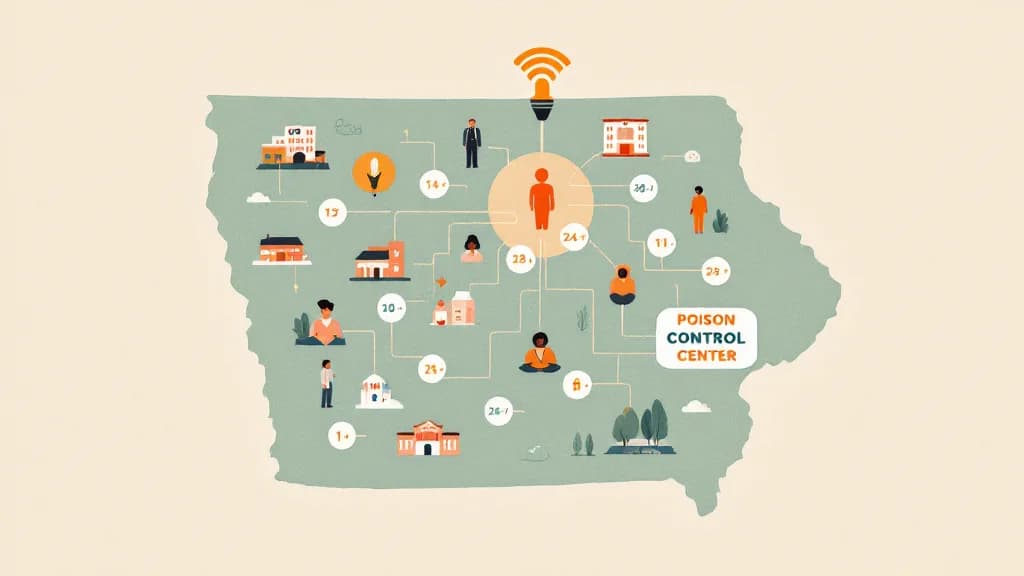
Iowa's new I-BEACON program provides round-the-clock clinical guidance to physicians treating opioid addiction, funded by the state's opioid settlement.

KFF Health News investigation reveals Louisiana sheriffs spent $8.1M in opioid settlement funds, with 66% deemed inappropriate and $4.7M on items other states ban.

CDC provisional data show fentanyl-related deaths dropped 54% from their peak, with total overdose fatalities falling to approximately 70,000 in 2025—a third consecutive year of decline.

August 31 marks 25 years of International Overdose Awareness Day with theme '25 Years On. Still Needed' as CDC reports third consecutive year of declining overdose deaths.

Middlesex-London Health Unit data shows opioid deaths fell to 62 in 2025 from 72 in 2024, marking three years of progress while officials warn gains remain fragile.

Vanderbilt Health opens enrollment for the TAB study, a randomized trial testing whether the GLP-1 medication tirzepatide can help stabilize patients on buprenorphine and prevent relapse.

Annual report shows 634 homeless New Yorkers died in 2025, down from 770 in 2024, marking the first decrease in seven years amid expanded harm reduction efforts.

A real-world study of Oregon's regulated psilocybin program demonstrates encouraging outcomes for depression and anxiety, offering valuable data as FDA considers approval for psychedelic therapy.

University of Tennessee audit uncovers serious problems in Dr. Craig Towers' influential study promoting detox for pregnant women with opioid addiction, raising ethical concerns about patient consent.

Santa Cruz County reports 20 overdose deaths in first half of 2026, down from 36 in 2025, marking third straight year of decline after peak of 130+ deaths in 2023.

SAMHSA's April 2026 guidance restricts federal grant funds for syringe services programs, removing support for fentanyl test strips and overdose hotlines while preserving naloxone funding.
Suzetrigine (Journavx) becomes the first novel non-opioid pain medication approved by FDA in over 20 years, offering surgery patients effective pain relief with significantly lower opioid use.

Adults 65 and older are now among the fastest-growing groups for fentanyl overdose deaths, with fatalities involving fentanyl-stimulant combinations rising over 9,000% in eight years.

Vanderbilt University researchers begin testing whether GLP-1 medications used for diabetes and obesity can help prevent relapse in patients with opioid use disorder.

Wisconsin records steepest-ever single-year drop in fentanyl overdose deaths, falling from 1,422 in 2023 to 818 in 2024, as naloxone destigmatization and treatment access expand.

New NIDA research shows cannabis use disorder increased from 15.3 million to 19.4 million adults between 2021-2024, linked to higher THC concentrations and expanding legalization.

Pennsylvania's Department of Drug and Alcohol Programs introduces free self-paced online naloxone training, with over 100 residents completing the course in the first two weeks.

Iowa is first state to qualify for federal funding of a foster care diversion program providing in-home substance abuse treatment for parents of young children.

Ocean County's first 24/7 harm reduction vending machine opens in Toms River, providing free naloxone, sterile syringes, and overdose prevention supplies anonymously.

The iNal patch uses microneedle technology to detect dangerous fentanyl levels and automatically release naloxone, potentially saving lives when no bystander is present.

Oklahoma Attorney General Gentner Drummond announces $12 million settlement with eight generic opioid manufacturers to fund addiction treatment and community grants.

Fewer than 39,000 Americans under 26 filled buprenorphine prescriptions in 2023, a decline from 2017, even as youth overdose deaths surged 25%.

Attorney General J.B. McCuskey redirects future opioid settlement dollars away from the WV First Foundation to state legislature and local governments for more direct distribution.

FDA clears IND application for ANS-858, a first-in-class ALDH2 inhibitor targeting pathological craving in alcohol and substance use disorders, clearing path to Phase 1 trials.

Survey data reveals over 75% of opioid treatment programs adopted flexible take-home medication policies, but advocates question whether cultural shift reaches patients who need it most.

DOJ's inspector general opens a nationwide review of DEA wiretap investigations in which agents let fentanyl shipments reach the streets.

Connecticut has invested more than $4 million in opioid settlement funds into its first state-funded mobile methadone units, with a rural northeast van starting Aug. 18.

HHS Secretary RFK Jr. and HUD Secretary Scott Turner release a 40-page toolkit promoting a 'treatment first' approach to homelessness and addiction, contrasting with traditional 'housing first' models.

President Trump proclaims August 2026 as National Substance Use Primary Prevention Month, emphasizing evidence-based prevention strategies and the HALT Fentanyl Act.
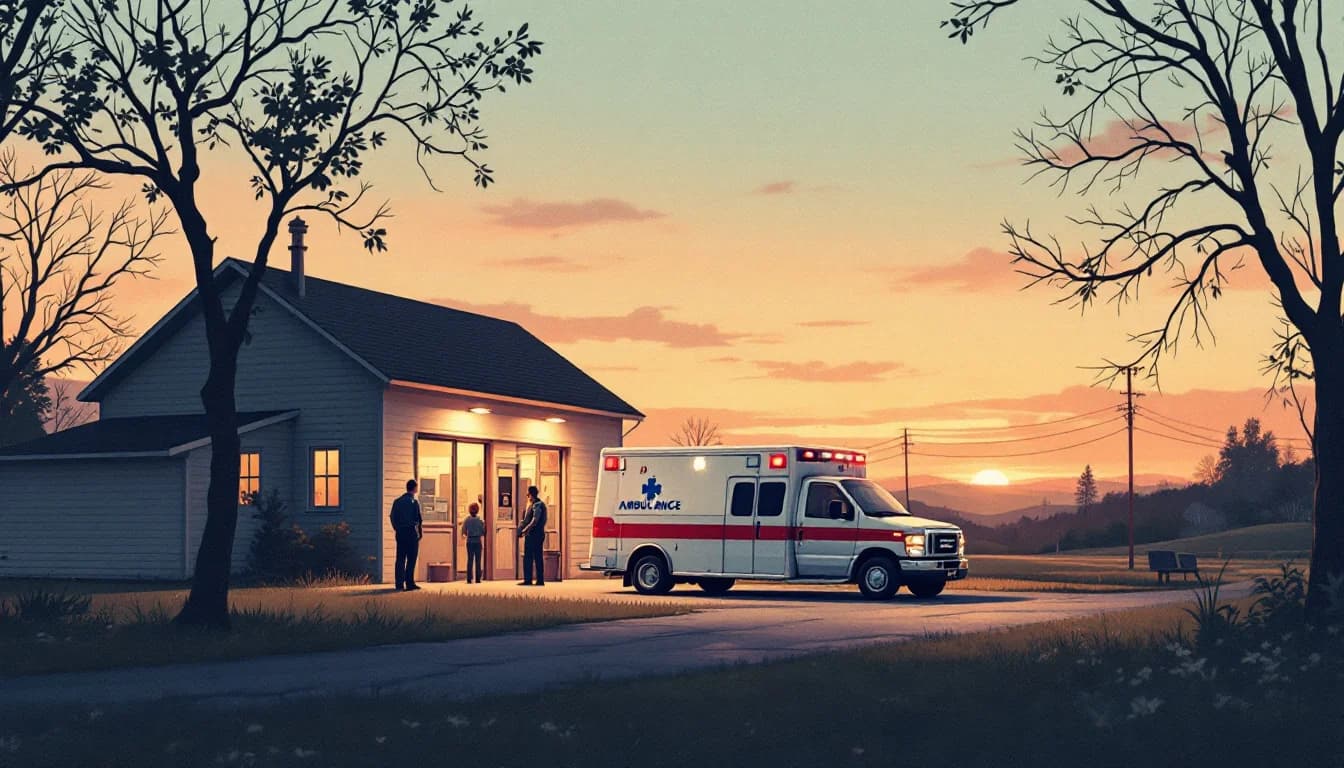
Wyoming County District Attorney Joe Peters allocates opioid settlement money to support struggling ambulance services, using a novel formula to reimburse costs associated with opioid-related emergency calls.

Johns Hopkins University launches the nation's first clinic specifically treating rare but serious long-term side effects from psychedelic use, including hallucinogen persisting perception disorder.

Springfield, Missouri expands harm reduction infrastructure with 14 distribution boxes at fire stations, providing 24/7 access to overdose reversal kits without questions or paperwork.

Washington D.C. plans to use $7.8 million in opioid settlement funds for Medicaid and existing programs, prompting protests from advocates who say this violates 'supplement not supplant' law.

2025 NSDUH data shows only 16% of people with substance use disorders received treatment, with the most common barrier being the belief they could handle it on their own.

Suffolk County adopts new transparency measures for opioid settlement funds after critical audit found selection issues and ethics violations, holding first public hearing with nonprofits.

Colorado recorded 1,554 unintentional overdose deaths in 2025, up from 1,409 in 2024, even as the U.S. death rate hit an all-time low, state data shows.

A UGA survey of 1,600 people in 13 Southern states finds mental health workers hold more stigmatizing views of opioid addiction than the general public.

A New Mexico judge rules Meta created a public nuisance fueling the teen mental health crisis, ordering a $567 million abatement fund on top of a $375 million jury verdict.

Four years after Colorado required county jails to provide MOUD and post their policies, nearly 40% have no publicly available policy, CU Anschutz researchers found.

Washington, D.C.'s fiscal 2027 budget shifts millions in opioid settlement funds to Medicaid and existing treatment programs, prompting supplantation accusations.

An economic analysis finds Mindfulness-Oriented Recovery Enhancement saves $12 for every dollar spent on opioid misuse — more than $324,000 per patient over a lifetime.

First buprenorphine prescriptions for opioid use disorder abandoned before dispensing rose from 19% in 2020 to 37% in 2024, CDC researchers report.

Sublocade maker Indivior will merge with Supernus Pharmaceuticals in an all-stock deal creating a $2.2 billion CNS biopharmaceutical company.

Maryland's 2024-2025 youth survey shows high school vaping down nearly 45% since 2018, while 31.7% of high schoolers report persistent sadness or hopelessness.

Vancouver, Wash., approved a five-year, $4.94 million contract for the Cowlitz Indian Tribe to operate the city's mobile opioid treatment program.

New York's attorney general and governor sue prediction market Kalshi as an illegal gambling operation, seeking up to $36 billion in penalties, forfeited gains, and restitution.

North Dakota banned kratom under a public health emergency order, with a Sept. 2 special legislative session set to make the prohibition permanent.

HHS Secretary Kennedy toured a Southside Virginia addiction rehab facility while promoting the $50B Rural Health Transformation Program amid Medicaid cuts.

DOJ secures $16.2M judgment against Addiction Recovery Care, Kentucky's largest rehab chain, for years of false Medicaid billing.

Maryland's Office of Overdose Response opens five virtual town halls Aug. 4-6 to gather public input on how to spend more than $687 million in opioid settlement funds.

Utah officials warn that Buzzers Cat's Claw tablets contained illicit kratom compounds tied to a death and multiple overdoses; retailers ordered to remove the product.

Pritzker signs SB 2749, folding gambling disorder into Illinois' Substance Use Disorder Act and unlocking state-funded treatment and prevention.

The VA's CRAVE trial will enroll more than 600 veterans at 18 medical centers to test whether weekly semaglutide injections can treat alcohol use disorder.

Ohio Narcotics Intelligence Center issues urgent public safety bulletins about orphine analogs and veterinary sedatives medetomidine and xylazine appearing in the state's illicit drug supply.

Phase 2 RECLAIM trial shows pemvidutide significantly reduces heavy drinking days in alcohol use disorder patients, offering hope for 28 million Americans.

Maryland will receive more than $13 million from seven generic opioid manufacturers under a nationwide settlement that imposes new marketing restrictions and monitoring requirements.
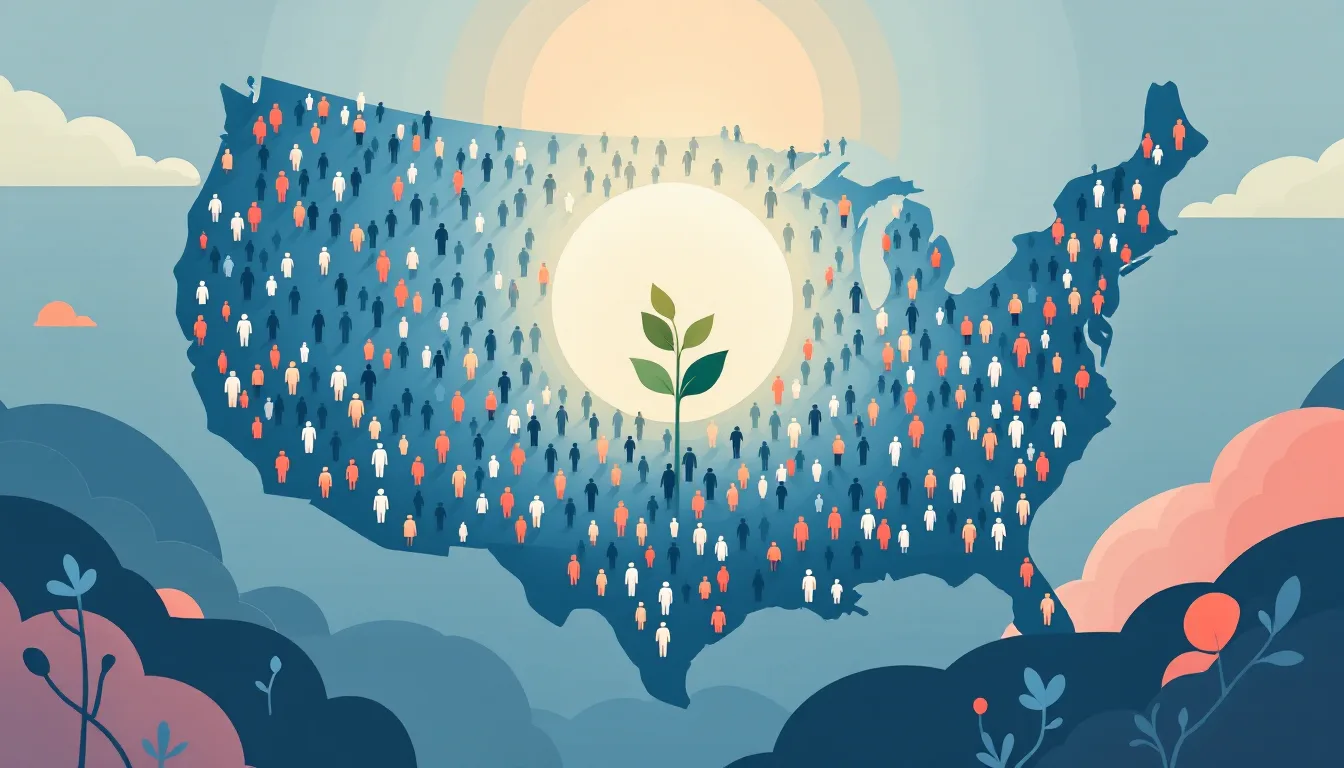
2025 National Survey on Drug Use and Health reveals 44.6 million Americans have substance use disorder, with marijuana use disorder rising to 19.3 million cases while alcohol use disorder declines.

Governor Hochul directs nearly $6 million to 12 Recovery Community and Outreach Centers across New York, expanding addiction services for young people ages 12 to 17.

SAMHSA updates 42 CFR Part 8 regulations for the first time in 20 years, expanding telehealth prescribing and take-home medication access for opioid treatment programs.

Detroit's Wayne County reports 42% decline in overdose deaths for 2024, but health officials warn that carfentanil—100 times stronger than fentanyl—threatens to reverse progress.

JAMA Network Open study of 36,752 patients finds buprenorphine-naloxone reduces nonfatal opioid overdose risk compared to extended-release naltrexone following medical detox.

HHS Secretary Robert F. Kennedy Jr. convenes health care stakeholders to sign first-of-its-kind pledge advancing evidence-based mental health and addiction treatment nationwide.

The Cherokee Nation is investing $6.5 million in opioid settlement money to expand its Coming Home reentry program, including $4 million for transitional housing for formerly incarcerated tribal citizens.

House lawmakers introduce MOTAA 2.0 to allow pharmacy-based methadone prescribing, expanding access to the 80% of U.S. counties without opioid treatment programs.

Baltimore uses $15 million in opioid settlement funds to transform 911 response, sending mental health teams instead of police to crisis calls.

Oklahoma discontinues its statewide naloxone vending machine program after 16 months, shifting burden to local organizations as fentanyl deaths persist and federal harm reduction funding faces cuts.

National Survey on Drug Use and Health 2025 data reveals declining rates of adolescent drug use, depression, and suicidal thoughts, though treatment access gaps persist for millions.
Democratic lawmakers say Attorney General Brenna Bird has failed to distribute settlement dollars more than a year after legislation authorized spending, leaving millions sitting unused.

New research finds that more than 93% of rural U.S. counties have no Medicare-enrolled opioid treatment program, creating deadly barriers to methadone access for older adults.
WVU Health System settles for $4.1 million after years of unreported employee painkiller thefts, exposing systemic failures in controlled substance oversight.

Arizona's drug overdose mortality now doubles the national average amid a 17% year-over-year increase, even as U.S. deaths fall for the third consecutive year

Cuyahoga County, Ohio reports dramatic 70% decline in fentanyl overdose deaths from 2023 to 2025, with cocaine now becoming the leading drug in fatalities.

State Senator John Velis warns municipalities he will pursue legislation to reclaim opioid settlement dollars after investigation finds only $19 million of $115 million distributed has been spent.

Texas begins first state-funded Phase 1 clinical trials of ibogaine for opioid use disorder, PTSD, and traumatic brain injuries with additional legislative funding.

Utah health officials confirm medetomidine, a potent veterinary sedative, has been detected in the state's illicit drug supply, creating naloxone-resistant overdoses and severe withdrawal symptoms.

Maine's 15 county jails spent an estimated $12.6 million on addiction and mental health care last year, leaning on grants and opioid settlement funds officials call unsustainable.

A $325,000 state needs assessment says South Dakota should direct more of its opioid settlement money to addiction care for people in the justice system.

Oregon, Rhode Island and Michigan have shelved plans to start Medicaid before release from jail, and only four of 19 approved states have programs running.

H.R. 9790 would let board-certified addiction specialists prescribe methadone for pharmacy pickup, bypassing clinics absent from 80 percent of U.S. counties.

New York City budgeted $3 million a year for a program that pays 20 cents per used syringe and has collected more than 2.3 million needles in 16 months.

New York's Governor signed a law letting the state's mental health and addiction agencies set a single licensing standard for integrated care of co-occurring disorders.

California says 97.7% of licensed retailers now comply with its kratom and 7-OH ban, pulling 6,960 products from shelves as the DEA moves to schedule the compounds.

New Jersey becomes one of the first states to require hospitals to confirm drug test results before reporting new mothers to child welfare authorities.

Arizona's Medicaid agency AHCCCS debuts a GenAI locator built on Google's Gemini that connects residents to more than 100 vetted opioid treatment providers.

FDA sets a September 14 public hearing on therapeutic psychedelics and finalizes its first clinical trial guidance for psilocybin, LSD and MDMA.

New Mexico reports 900 overdose deaths in 2025, a 21% increase while national fatalities drop 14%. Fentanyl drives crisis in Rio Arriba, Santa Fe, and Taos counties with 65%+ spikes.
Veterinary sedative medetomidine, 100-200 times more potent than xylazine, is appearing in Minnesota's illicit fentanyl supply, creating naloxone-resistant overdoses and severe withdrawal symptoms.

SAMHSA bans federal funding for clean needles and syringe services while cutting agency staff by half, alarming addiction treatment providers.

Washington Attorney General opens trial against Albertsons, alleging pharmacy chain failed to prevent opioid misuse while prioritizing prescription volume over patient safety.
Delaware Opioid Settlement Commission launches fourth competitive grant round with $12.75 million available for prevention, treatment, harm reduction, and recovery support programs.

Manatee County, Florida reports dramatic 56% decline in opioid overdose deaths through coordinated naloxone distribution, expanded treatment access, and peer recovery support programs.
Wisconsin Watch investigation reveals $160 million in opioid settlement funds received by local governments, with 16 municipalities yet to spend any allocations.

Governor Kay Ivey awards $70,694 grant to implement substance abuse treatment combining medication-assisted treatment with counseling for inmates at Jefferson County Jail.

Kentucky Attorney General Russell Coleman unveils new online dashboard developed with University of Kentucky RADOR team to provide public transparency on opioid settlement fund investments.

Shasta County Jail partners with Mediko to launch medication-assisted treatment for substance use disorders and prepares for California's CalAIM reentry initiative.
DEA files notice of intent to classify 7-OH and synthetic compounds as Schedule I drugs, targeting products currently sold over the counter in Hawaii with no age restrictions.
Scienture Holdings begins shipping REZENOPY, a 10mg naloxone nasal spray—the highest FDA-approved dose—bringing a new overdose reversal option as fentanyl deaths decline nationwide.

The Department of Veterans Affairs is expanding FDA-authorized virtual reality therapy to treat chronic pain in veterans, offering an eight-week home-based program that reduces reliance on opioids.
DEA announces emergency Schedule I scheduling for investigational opioid compounds SR17018, SR-14968, R-6890, and 5,6-dichloro-brorphine, raising concerns about impact on pain medication research.
Study in Drug and Alcohol Dependence finds standard methadone and buprenorphine doses often inadequate for heavy fentanyl dependence, raising treatment retention concerns.

Wisconsin reports 1,185 drug overdose deaths in 2024, a 33% decline from 2022 peak, as naloxone distribution and medication-assisted treatment expansion show measurable results.

FDA cracks down on illegal online ketamine market with 14 warning letters to websites selling non-approved ketamine products for depression and addiction treatment.
Phase 3 trial shows Eli Lilly's oral GLP-1 drug orforglipron delivers superior blood sugar control and weight loss compared to oral semaglutide.
South Carolina reports 1,481 drug overdose deaths in 2024, a 31.3% decrease from 2023, with fentanyl remaining the primary contributor to fatalities.

Attorney General Phil Weiser awards $12 million to 27 organizations through the Resilient Colorado Grant, investing opioid settlement funds in community-led prevention and recovery programs.

Delaware becomes one of the first states to implement uniform emergency department protocols for treating opioid use disorder, aiming to transform overdose visits into recovery opportunities.

JAMA study finds most 8th-graders and one-third of high schoolers underestimate fentanyl's lethal risk, highlighting dangerous knowledge gaps as drug overdoses rank third in youth deaths.

SAMHSA approves Mountain Lakes Behavioral Healthcare and Highland Health Systems as Certified Community Behavioral Health Clinics, bringing coordinated mental health and substance use treatment to rural Alabama counties.

Grand County, Utah demonstrates how rural communities can use opioid settlement funds to create integrated recovery systems combining clinical treatment, peer support, and community-based programs.

SAMHSA announces over $281 million in funding opportunities across 15 grant programs to expand medication-assisted treatment, overdose prevention, and mental health services nationwide.

DyAnsys Drug Relief receives FDA clearance as a non-narcotic auricular neurostimulation device designed to alleviate opioid withdrawal symptoms during detoxification.

Georgia Senate Bill 6 legalizes possession of fentanyl testing strips starting July 1, 2026, removing a key barrier to overdose prevention in a state hit hard by the opioid crisis.

Kentucky Center for Economic Policy finds 90% of opioid settlement dollars remain unspent three years after distributions began, with half of local governments reporting zero expenditures in FY 2025.

Governor Mike Kehoe vetoes $1 million in opioid settlement funds for teen prevention programs, cutting school-based early intervention services as Missouri faces rising overdose risks.

North Carolina's new 2026-2027 state budget allocates $80 million to the Opioid Abatement Fund for addiction treatment, prevention, and recovery services across all 100 counties.

Foundation for Opioid Response Efforts awards grant to Kachemak Bay Recovery Connection as part of $3.7 million nationwide investment in community-based addiction treatment infrastructure.

CDC reports lowest U.S. death rate in over a century, driven by 14% decline in drug overdose deaths and improved public health interventions nationwide.
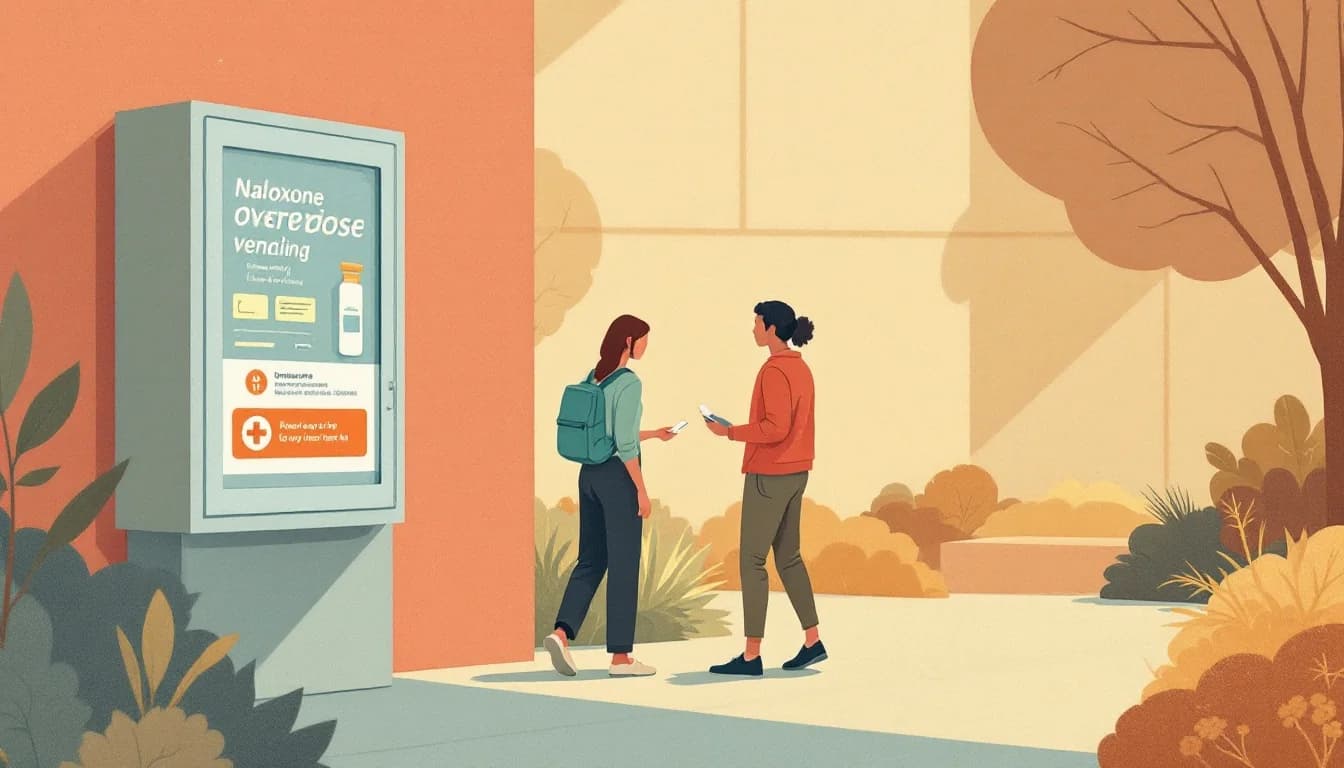
Howard County, Maryland deploys free naloxone vending machines providing 24/7 anonymous access to overdose reversal medication and drug testing supplies.

Baltimore City Health Department alerts clinicians and community to rising threat of medetomidine, a veterinary sedative 100-200x more potent than xylazine, now detected across Maryland's illicit drug supply.

DEA files intent to temporarily place 7-hydroxymitragynine and three synthetic derivatives into Schedule I, targeting enhanced kratom products HHS says fuel addiction and pose public health risks.

Hawaii's pioneering syringe exchange program sees dramatic decline in needle swaps as fentanyl users increasingly prefer smoking over injection, prompting statewide harm reduction policy shift through Act 106.

Indivior's decision to pull extended-release buprenorphine from Australia by year-end highlights the unintended consequences of Trump's 'most favoured nations' pricing approach on addiction treatment access worldwide.

CDC informs state and local health programs they must agree to new Trump administration priorities within days, including deprioritizing harm reduction and housing-first strategies proven to reduce drug overdoses.

New York City opens first public health vending machines on Staten Island, providing free naloxone, fentanyl test strips, and harm reduction supplies around the clock using opioid settlement funds.
Oklahoma's law protecting harm reduction organizations expires July 1, 2026, halting a program that distributed 1.25 million syringes and reached 8,800 people over five years.

Chicago and suburban Cook County report largest overdose death reduction of any U.S. county, with deaths falling from 1,961 in 2022 to 1,138 in 2024 through strategic harm reduction and naloxone distribution.

Illinois reports dramatic 36% decline in opioid overdose deaths from 2023 to 2024, with synthetic opioid fatalities down 38%. The reduction reflects sustained investments in naloxone distribution, harm reduction, and treatment access.

Compass Pathways' COMP360 psilocybin therapy could receive FDA approval by late 2026, marking a historic milestone for psychedelic medicine and offering new hope for treatment-resistant depression.

Aptihealth settles for $300,000 after billing Medicaid for no-show appointments as DOJ charges 455 defendants in $6.5 billion health care fraud crackdown targeting telehealth sector.

Michigan awards $3.75 million in opioid settlement grants to 12 organizations focused on youth substance use prevention, targeting early intervention to reduce lifetime addiction risk.
UNODC World Drug Report 2026 reveals 1 in 16 people worldwide now use drugs, with synthetic opioids like fentanyl, nitazenes, and orphines replacing heroin and creating unprecedented public health risks.

Idaho Behavioral Health Council recommends directing opioid settlement funds toward rural areas, first responder support, and workforce development as state considers 46 project proposals.

Powerful veterinary tranquilizer medetomidine causes life-threatening withdrawal symptoms in incarcerated individuals, overwhelming jails ill-equipped to treat complex opioid dependence

Attorney General Raúl Torrez launches criminal probe into claims that DEA agents allowed hundreds of thousands of fentanyl pills to reach Albuquerque streets as state leads nation in overdose death increases.

New CDC data reveals 9,651 overdose deaths in hotels and motels from 2022-2024, with 56% involving local residents. Report highlights critical gaps in bystander response and naloxone access.

The Modernizing Opioid Treatment Access Act 2.0 would allow board-certified addiction physicians to prescribe methadone directly, breaking the monopoly of specialty clinics and bringing treatment closer to patients.

Rural Kentucky communities are using opioid settlement money to fund comprehensive harm reduction centers that provide everything from naloxone to housing assistance, demonstrating a sustainable model for addressing addiction in underserved areas.

Los Angeles County reports 6% decline in drug overdose deaths for 2025, marking three years of progress as fentanyl fatalities drop 10% and harm reduction programs show results.

New Hampshire Senators Jeanne Shaheen and Maggie Hassan reintroduce landmark legislation that would authorize over $65 billion in federal funding over ten years to expand addiction treatment, prevention programs, and workforce development nationwide.

The funding package includes $96 million for the new STREETS program and $612 million for expanded behavioral health services, marking a significant federal investment in street-based outreach and community-wide recovery support.

New FAIR Health data reveals mental health conditions account for 52% of all telehealth diagnoses in Q1 2026, ranking as the top diagnostic category in every U.S. region and every age group including children under 10.

New federal guidance empowers pharmacists to prescribe buprenorphine for opioid use disorder, potentially transforming access to medication-assisted treatment in underserved communities.

Landmark BMJ study of 600,000+ veterans finds GLP-1 medications like Ozempic and Wegovy associated with 14-25% lower risk of developing substance use disorders, including alcohol, opioids, and stimulants.

New AI screening and multi-layer approval process creates unprecedented backlog affecting opioid treatment, suicide prevention, and disease surveillance programs nationwide.

Comprehensive Healthcare in Yakima implements ZING robotic dosing system, reducing wait times and improving accuracy for medication-assisted treatment patients in rural Washington.

CDC provisional data shows New Jersey achieved a 22% decline in drug overdose deaths in 2025, outpacing the national average and marking the lowest fatalities since before the pandemic.

USF researchers collaborate with Pasco County's Opioid Abatement Task Force to conduct comprehensive behavioral health system analysis and develop data-informed roadmap for strategic settlement fund allocation.

Virginia's Opioid Abatement Authority announces largest funding round to date, supporting prevention, treatment, and recovery programs across the Commonwealth.

Attorney General Kris Mayes allocates opioid settlement money to five rural counties for programs helping formerly incarcerated individuals find stability after release.
FDA requires updated labeling for buprenorphine and methadone products, emphasizing that medication-assisted treatment should not be withheld from patients using benzodiazepines or other CNS depressants.
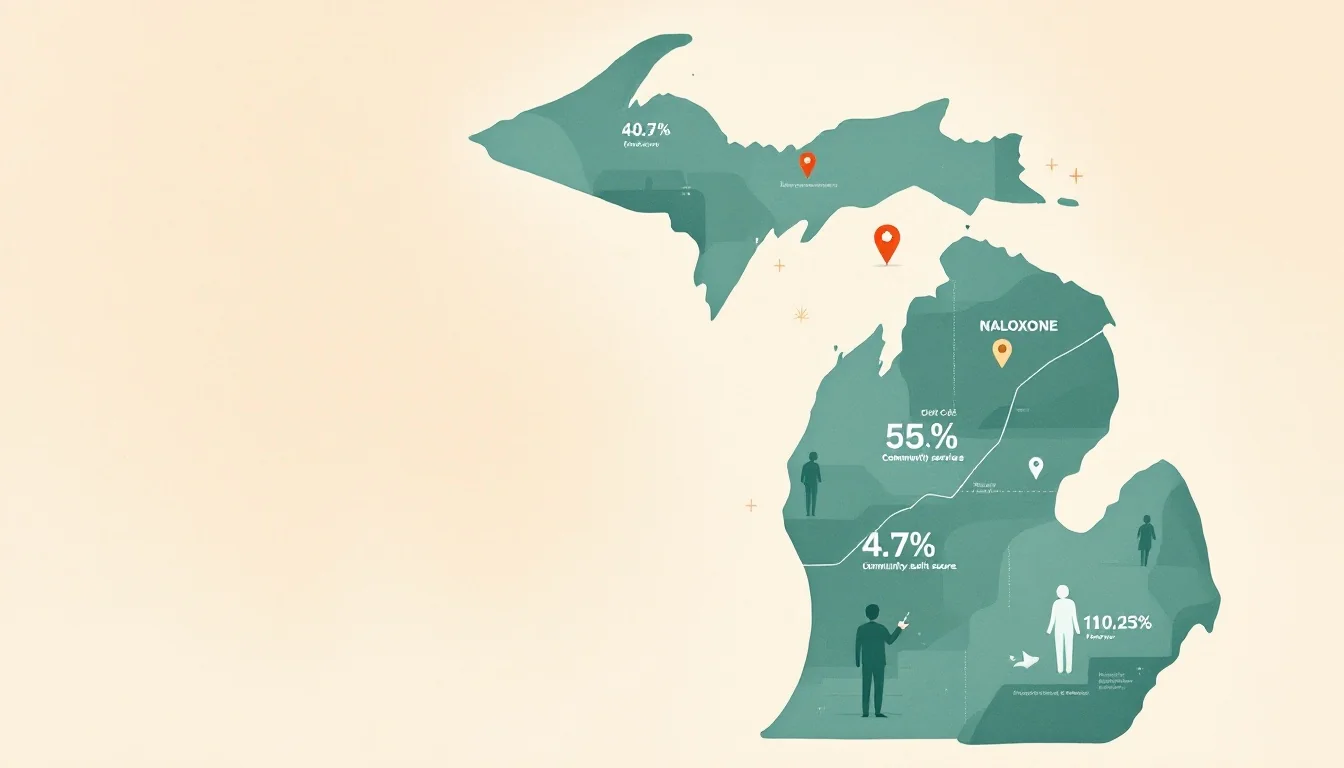
Michigan health officials announce 47% reduction in overdose mortality since 2021 peak, attributing success to expanded naloxone distribution, harm reduction services, and improved treatment access.

Overdoses accounted for a quarter of 46 in-custody deaths in 2025 as medication-assisted treatment waitlists leave hundreds of inmates without care, despite $8 million in opioid settlement funds earmarked for jail programs.
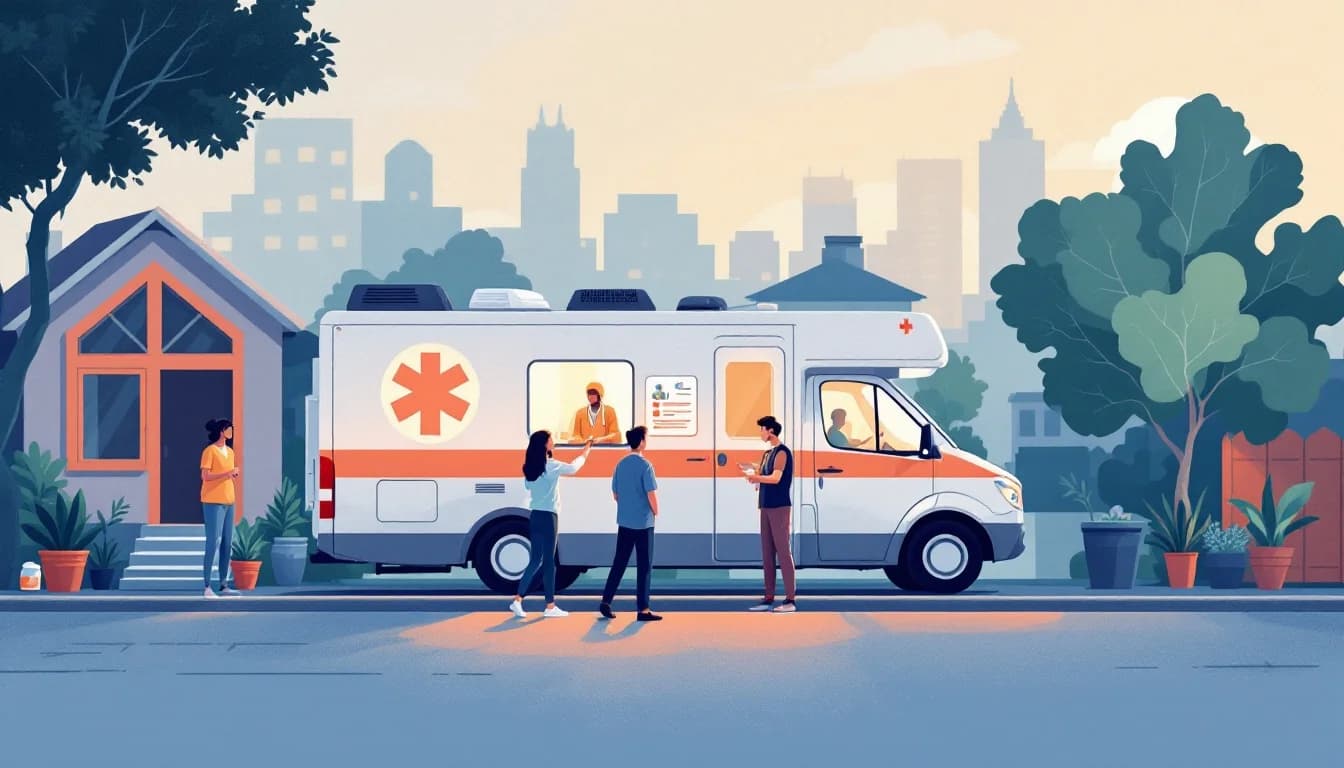
North Carolina's third mobile medication-assisted treatment program brings buprenorphine and methadone directly to underserved communities through partnership with Oak City Cares homeless services hub.

Hundreds of addiction and mental health service providers received termination notices Tuesday night, only to have funding restored Wednesday after swift advocacy response.

University of Colorado researchers develop comprehensive tracking system to measure how opioid settlement funds reduce overdose deaths and improve addiction treatment across the state.

Investigation reveals super-potent synthetic opioids called nitazenes have caused over 1,100 confirmed deaths, with experts warning the true toll could reach 2,000 as these 1950s-era compounds flood the illicit market.

Union County approves opioid settlement funding for employment assistance program, addressing a critical barrier to long-term recovery for individuals overcoming addiction.

Boston Public Health Commission reports 120 opioid overdose deaths in 2025, a 29% decline from 2024 and 56% drop from the 2023 peak, marking the lowest fatalities in ten years.

Secretary Kennedy unveils $96 million STREETS program and $612 million in additional grants targeting substance use disorders, mental health crises, and homelessness under the Great American Recovery Initiative.

Texas is one of seven states that provide no funding for gambling addiction treatment. A surprising donation from Las Vegas Sands is helping fill the gap.

DEA final rule formally eliminates X-waiver for buprenorphine prescribing and extends injectable medication window from 14 to 45 days, removing major barriers to medication-assisted treatment.
FDA approves Rextovy, expanding OTC naloxone options to three products. The new 4mg nasal spray broadens access to overdose reversal medication amid declining but still elevated overdose deaths.

Mayor Greenberg's proposal to redirect $8 million in opioid settlement money to cover 911 call center and jail costs draws criticism from advocates who call it 'blood money' diversion.
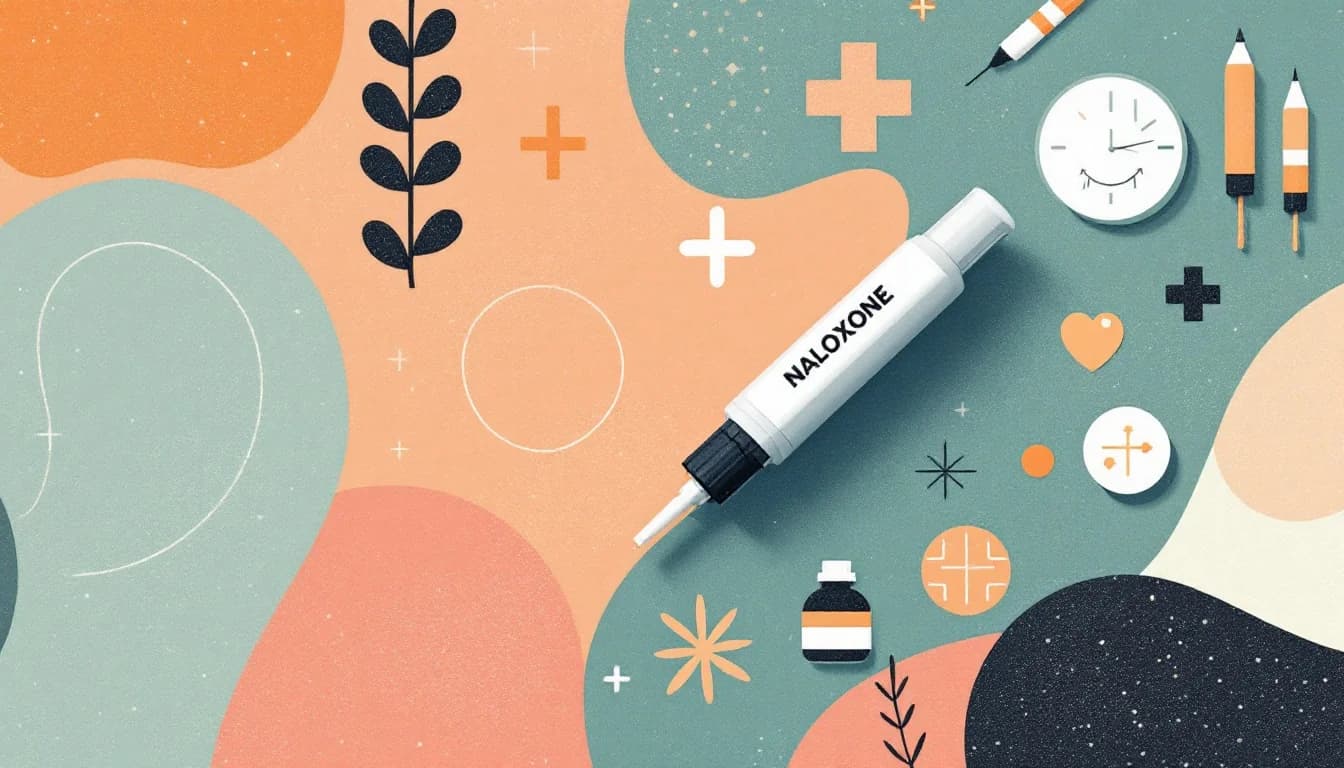
Amneal Pharmaceuticals' generic 4mg naloxone nasal spray receives FDA approval for over-the-counter sales, expanding access to life-saving overdose reversal medication amid ongoing opioid crisis.
Eight new grant programs target addiction prevention, child trauma, suicide prevention, and mental illness as part of federal behavioral health investment.

New research demonstrates that VR-based cue exposure therapy can effectively reduce cravings in people with substance use disorders, offering a scalable digital health intervention.

New research reveals the staggering tolerance levels of people who use illicit fentanyl, explaining why medication-assisted treatment protocols designed for heroin era often fail.

CDC and White House issue urgent health advisory as veterinary sedative medetomidine surges 3,000% in two years, creating naloxone-resistant overdoses across 18 states

Rhode Island reports 50% decline in overdose deaths since 2022, surpassing state's 2030 goal four years early and marking lowest mortality since before the fentanyl crisis began.

SAMHSA's April guidance cautioning against indefinite methadone and buprenorphine use reignites debate over medication-assisted treatment as overdose deaths decline nationwide.

Scripps Research Institute develops experimental vaccine that blocks fentanyl and multiple dangerous variants by training immune system to recognize broad molecular signatures shared across the drug class.

Baltimore County unveils interactive dashboard allowing residents to monitor how $90 million in opioid settlement funds are spent, following Maryland's statewide transparency initiative.

A new Federal Register notice invites patients, providers, and researchers to tell HHS which addiction treatment programs deserve federal support — with a July 5 deadline and a clear policy direction already visible between the lines.

Trump administration policy change eliminates SAMHSA funding for fentanyl test strips, forcing Ohio health departments to rely on dwindling state and local resources as overdose deaths decline nationally.

A novel class of synthetic opioids called orphines is appearing in the U.S. illicit drug supply with potency exceeding fentanyl, challenging detection and overdose reversal efforts.

New educational platform aims to equip healthcare professionals with practical skills to treat substance use disorders amid nationwide provider shortage.

North Carolina's most populous county reports largest overdose decline in five years after tripling naloxone distribution and expanding harm reduction infrastructure.

Missouri's updated 2026 naloxone standing order explicitly includes individuals under 18, as Medicaid claims exceed 11,000 annually and overdose deaths fall 23%.

Massachusetts opioid overdose deaths fell to 978 in 2025, a nearly 60% decline from the 2022 peak of 2,364 deaths. The state credits comprehensive harm reduction, expanded treatment access, and community partnerships.

Governor Hochul announces opening of Kate Rothko Center for Recovery, a 60-bed residential addiction treatment facility combining medication-assisted treatment with expressive arts programming.

Federal funding boost aims to strengthen nation's mental health crisis response system as 988 Lifeline surpasses 25 million contacts since launch

A powerful synthetic opioid 10 times stronger than fentanyl has emerged in East Tennessee, claiming more than 50 lives and spreading to multiple states.

Washington University study of 600,000 veterans finds GLP-1 medications like Ozempic and Wegovy associated with reduced risks of substance use disorders and fewer overdoses across alcohol, opioids, nicotine, and other drugs.

Republican Representative Jaime Green proposes using Michigan's opioid settlement dollars to fund clinical trials of ibogaine, a psychedelic compound showing promise for treating PTSD and addiction in veterans.

Federal researchers receive FDA approval to begin Phase I clinical trial of mitragynine, marking first government-sanctioned human study of kratom's potential therapeutic effects.

Landmark UC San Diego research finds U.S. overdose deaths fell 24.4% in 2024, marking the first decline across all four waves of the addiction crisis, though stimulant-only deaths and racial disparities persist.

Aegis Treatment Centers launches second Mobile Medication Vehicle to bring daily opioid treatment to Amador and Calaveras counties, eliminating geographic barriers in California's Sierra foothills.

Colorado's latest round of opioid settlement grants targets Western Slope communities with mobile crisis teams, secure transport services, and expanded recovery housing to address geographic barriers to addiction care.

DEA and HHS extend COVID-era telehealth flexibilities for prescribing controlled substances including buprenorphine through December 31, 2026, expanding access to addiction treatment nationwide.
Black Lives Matter Paterson partners with city officials to install free overdose reversal medication kiosks across high-need areas, reporting significant reduction in overdose deaths since rollout began.

Psychiatric Urgent Care of Huntsville opens as North Alabama's first same-day mental health facility, offering immediate access to psychiatric care and telemedicine services statewide

Acting Attorney General moves FDA-approved and state-regulated medical marijuana to Schedule III, with broader rescheduling hearings set for June 29, 2026.

Rock Island County uses opioid settlement funds to help RICCA reopen first women's recovery home in nearly 20 years, addressing major service gap for women seeking addiction treatment in western Illinois.

Real-world data shows patients with fentanyl use disorder treated with monthly injectable buprenorphine stayed in treatment longer than those on daily sublingual formulations

Comprehensive Healthcare launches mobile unit in Ellensburg to expand medication-assisted treatment access in Kittitas County, eliminating geographic barriers for rural patients seeking opioid use disorder care.

CDC data shows New York State overdose deaths fell 44.9% over three years, saving more than 5,000 lives, with opioid fatalities down nearly 52% since 2022.
FDA extends Narcan nasal spray shelf-life from 3 to 4 years, reducing replacement costs and improving stockpile reliability for harm reduction programs nationwide.

Louisiana's Jefferson Parish plans to use $65 million in opioid settlement funds for a new drug court, raising questions about whether law enforcement or treatment providers should control addiction crisis resources.

New data from Lancaster County Prison shows medication-assisted treatment for opioid addiction reduced reincarceration rates by nearly 50%, offering a model for correctional facilities nationwide.

Maryland unveils interactive dashboard tracking $747 million in opioid settlement funds, setting new standard for pharmaceutical litigation accountability and public oversight.
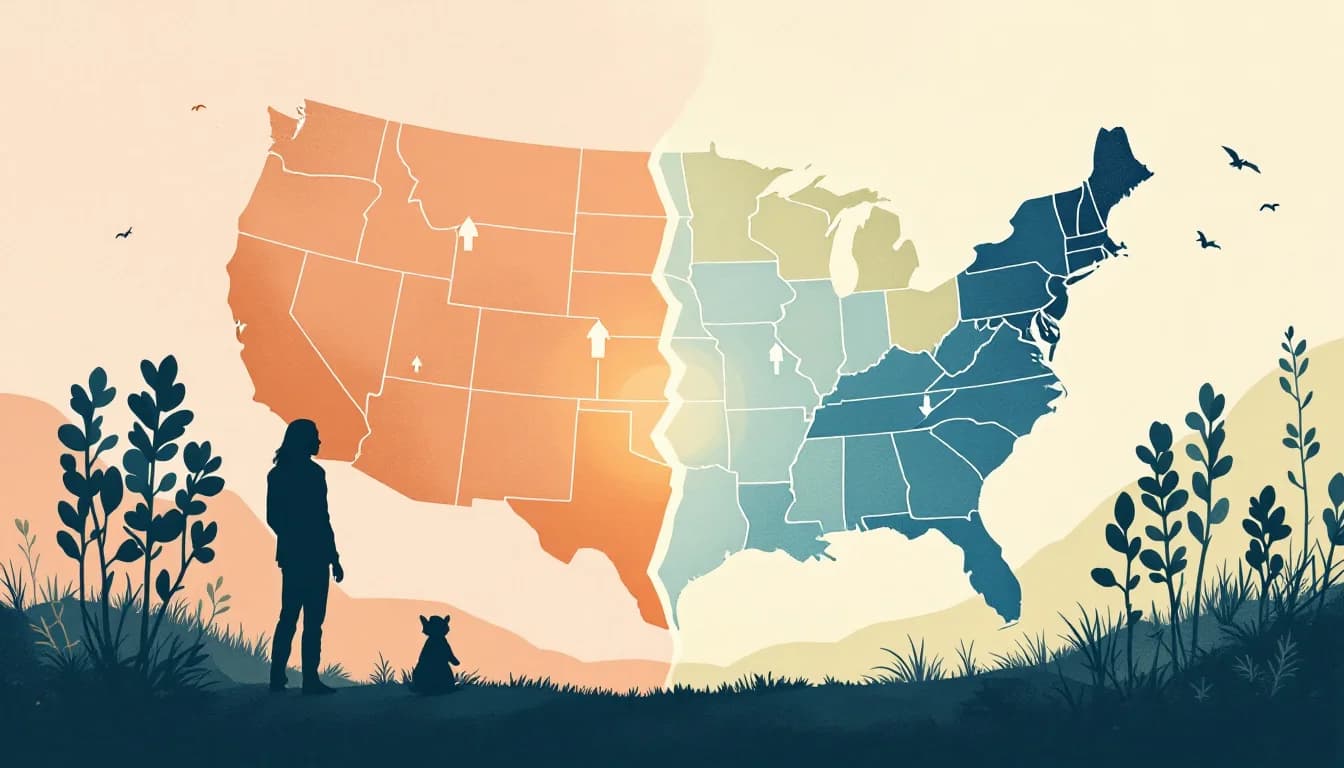
National overdose deaths decline for third consecutive year, yet Alaska, New Mexico, and other western states see rising mortality amid fentanyl crisis
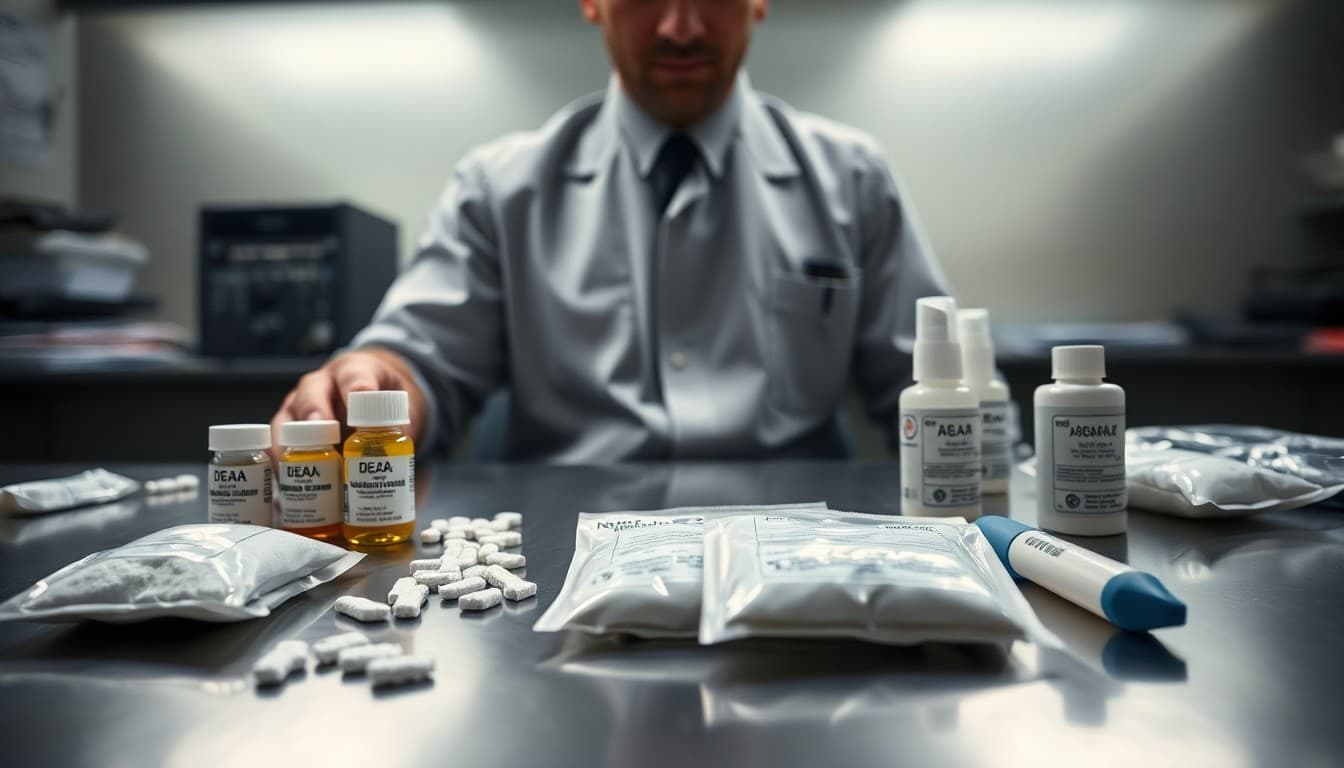
The DEA issues urgent warnings about fentanyl mixed with xylazine and medetomidine—animal sedatives that complicate overdose reversal and create new dangers for people who use drugs.

A new review reveals that the vast majority of adolescents with opioid use disorder are denied access to life-saving medications like buprenorphine, despite FDA approval and clinical guidelines supporting their use.

The Department of Veterans Affairs begins first government-sponsored study of MDMA-assisted therapy, enrolling 80 veterans in groundbreaking research on psychedelic treatment for co-occurring conditions.

FDA grants Breakthrough Therapy designation to LSD d-tartrate for generalized anxiety disorder, accelerating development of the first LSD-based psychiatric treatment and signaling regulatory openness to psychedelic therapies.

Philadelphia reports significant progress in reducing overdose deaths, particularly among Black residents who saw a 27% decrease, even as stimulant-related fatalities continue rising.
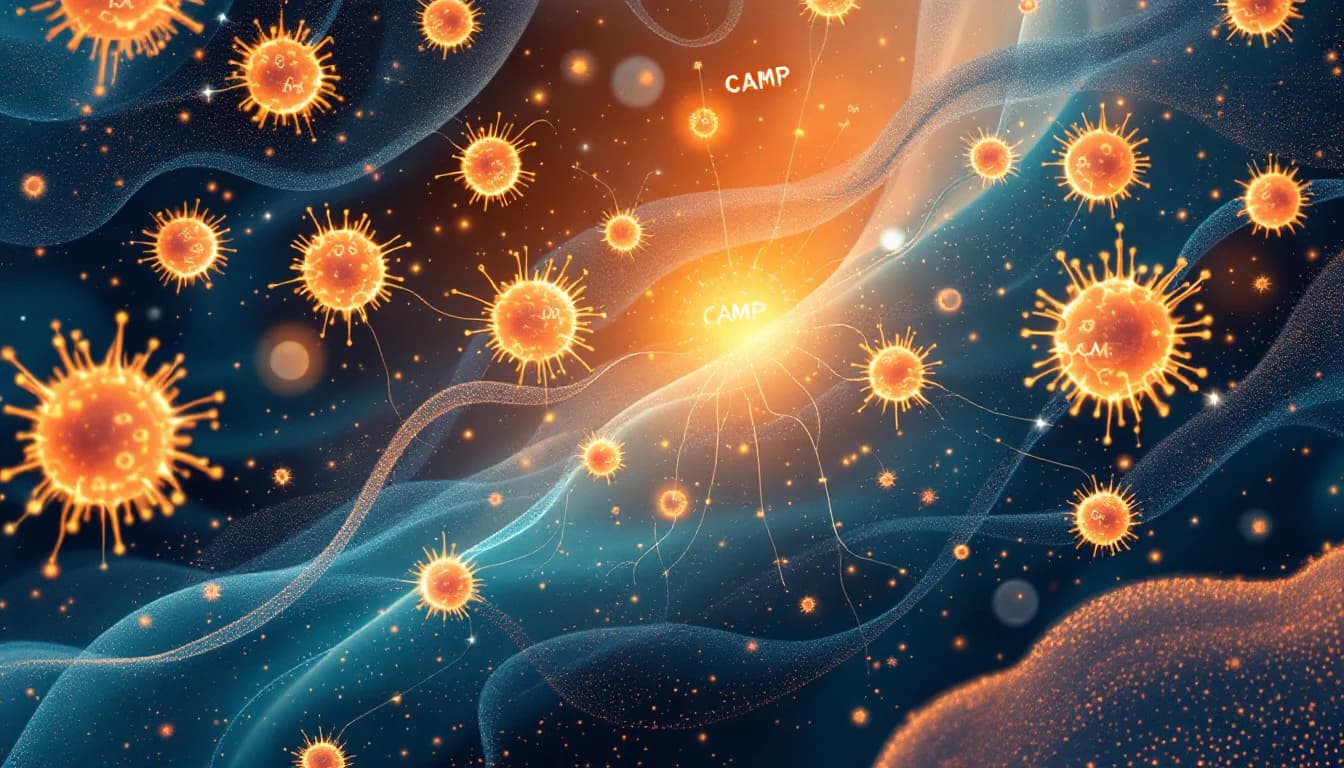
New NIH study reveals how cAMP signaling in brain neurons drives GLP-1 weight-loss effects, identifying a pathway to potentially extend treatment duration and break through patient plateaus.

SAMHSA's updated guidance states that medication-only models for opioid use disorder are inadequate, reigniting tensions between comprehensive care ideals and the practical realities of treatment access.

Attorney General Kris Mayes weighs legal action against Arizona counties allegedly misusing opioid settlement funds, highlighting growing tensions over pharmaceutical settlement accountability.

Machine learning models analyzing electronic health records can identify patients at high risk of fatal overdose up to 12 months before the event, offering a new tool for preventive intervention.

Illinois lawmakers approve landmark legislation requiring county jails to provide medication-assisted treatment for opioid use disorder, addressing critical care gaps in correctional facilities.

Research reveals animal-assisted therapy reduces cravings, lowers cortisol, and improves treatment retention. As recovery programs increasingly incorporate four-legged companions, science backs what many in sobriety have long known.

A landmark NIH-funded clinical trial finds that treating babies with neonatal opioid withdrawal syndrome based on their symptoms rather than fixed schedules reduces hospital stays and medication exposure.

Xylazine, a veterinary tranquilizer increasingly mixed with fentanyl, is creating unprecedented challenges for overdose reversal and wound care across the United States.

Groundbreaking initiative brings buprenorphine and counseling to detained individuals, addressing a critical gap in addiction care within the state's criminal justice system.

Bipartisan legislation would establish dedicated federal funding stream for multi-jurisdictional drug task forces, with 40% of resources directed to tribal and local law enforcement

Real-world evidence demonstrates extended-release buprenorphine significantly reduces opioid relapse, bloodstream infections, and healthcare utilization compared to daily oral formulations.

The largest federally recognized tribe opens a 100-bed residential facility in Tahlequah, Oklahoma, integrating stickball, traditional gardening, and cultural practices into addiction recovery.

Stanford-led research shows low-dose buprenorphine after ketamine infusion extends anti-suicidal benefits from days to weeks, offering new hope for high-risk patients.

Louisiana legislature moves to authorize state-funded research into ibogaine, psilocybin, and MDMA for treating substance use disorders and PTSD, joining growing national movement.

Governor Josh Stein announces sharpest single-year drop in overdose mortality since 2019, highlighting how opioid settlement investments are expanding access to medication-assisted treatment and recovery services across the state.
The POINTS Act would create a $50 million annual federal grant program for problem gambling treatment—the first dedicated funding stream as legal sports betting expands to 38 states.

Anthem HealthKeepers Plus partners with Virginia Harm Reduction Coalition to install free naloxone vending machines in Roanoke, Martinsville, and Henry County, where overdose rates exceed state averages.

Michigan Attorney General Dana Nessel unveils a groundbreaking transparency dashboard to track every dollar of opioid settlement funds, setting a new national standard for accountability in addiction crisis response.

Mississippi State Department of Health scales innovative addiction treatment program statewide using Epic EHR technology to identify risk earlier and reduce barriers to care in rural communities.

Wisconsin will receive more than $80 million from the $7.4 billion Purdue Pharma and Sackler family settlement, with 70% directed to county and local governments for addiction treatment and prevention programs.
Oregon Health Authority announces $90 million in opioid settlement funding distributed over two years to support prevention, treatment, and recovery services as overdose deaths decline for the second consecutive year.

Attorney General Alan Wilson announces $256 million recovered in opioid litigation settlements, marking a major milestone for addiction treatment and prevention efforts across South Carolina.

BGSU researchers analyzing syringes from Ohio needle exchange programs discovered dangerous Candida fungus in 86% of samples, plus a soil bacterium that could lead to new treatments

Investigation reveals Indiana municipalities spent over $300,000 of opioid settlement funds on bodycams, vape sensors, and solar eclipse meals instead of addiction treatment.

New Jonesboro facility addresses critical treatment gap in one of Georgia's most underserved regions, offering medically supervised detox and residential care amid rising overdose rates.

Florida reports dramatic 42% decline in opioid-related overdose deaths and 46% drop in fentanyl fatalities, outpacing national improvements and marking significant progress in the state's battle against synthetic opioids.

Clinical trial shows semaglutide plus cognitive behavioral therapy significantly reduces alcohol consumption, offering new hope for treating alcohol use disorder with existing medications.

Ohio's Ibogaine Treatment Study Committee convenes to explore clinical trials for ibogaine-assisted therapy, spurred by Trump's executive order accelerating psychedelic research and veteran advocacy.

New CDC data shows drug overdose deaths fell to approximately 70,000 in 2025, marking three consecutive years of decline from the 2022 peak of nearly 110,000 fatalities.

Preliminary 2025 data shows Oregon overdose deaths fell to approximately 1,100 from 1,544 in 2024, marking the state's first year-over-year decline since 2016.

University of California Davis scientists create new amino acid-based compounds that activate serotonin receptors for mental health benefits without causing hallucinations, potentially revolutionizing addiction and depression therapy.
DEA advisory highlights escalating threat from fentanyl combined with cychlorphine, medetomidine, nitazenes, and xylazine—substances that resist naloxone and are driving overdose deaths across multiple states.
Kentucky launches statewide recovery housing certification program to address housing instability as primary barrier to sustained addiction recovery, setting standards for sober living facilities.

Maine Attorney General Aaron Frey announces $1 million investment from state's $230 million opioid settlement fund to strengthen Mainspring's integrated recovery support model in Kittery.

Milwaukee Public Safety and Health Committee moves forward with comprehensive plan to distribute $17.1 million in opioid settlement funds across prevention, treatment, and recovery services.

Minnesota lawmakers vote 114-15 to legalize regulated psilocybin-assisted therapy, making the state the fourth in the nation to authorize supervised psychedelic treatment for mental health and substance use disorders.

University of Alabama at Birmingham study published in JAMA Network Open finds psilocybin-assisted therapy significantly improved abstinence rates among individuals with cocaine use disorder, offering hope for a condition with no FDA-approved medications.

Mississippi secures $40.9 million from $7.4 billion Purdue-Sackler settlement, bringing total opioid recovery to over $400 million for addiction treatment and prevention programs.

Mayor Mamdani directs opioid settlement funds to create 500 peer specialist positions, expanding community-based addiction treatment and outreach across all five boroughs.

US authorities issue urgent warning to international visitors ahead of 2026 FIFA World Cup about fentanyl contamination in street drugs, as DEA reports 29% of seized pills contain lethal doses.

New NIH-funded research reveals that oral small-molecule GLP-1 drugs like orforglipron suppress hedonic feeding by modulating the central amygdala, opening potential pathways for treating substance use disorders.

White House releases ambitious 195-page drug control strategy calling for easier treatment access, but administration's funding cuts and policy shifts threaten implementation.

Maryland's highest court rejects 'public nuisance' theory in opioid litigation, forcing Baltimore to dismiss case against McKesson and Cencora while keeping $400 million in earlier settlements.

A deadly synthetic opioid called cychlorphine, estimated to be 10 times more potent than fentanyl and undetectable by standard test strips, has been linked to dozens of overdose deaths across Tennessee, Arkansas, California, and other states.

Michigan achieves a 35% reduction in opioid overdose deaths since 2023, with preliminary 2024 data projecting fewer than 2,000 fatalities through strategic harm reduction investments and naloxone distribution.
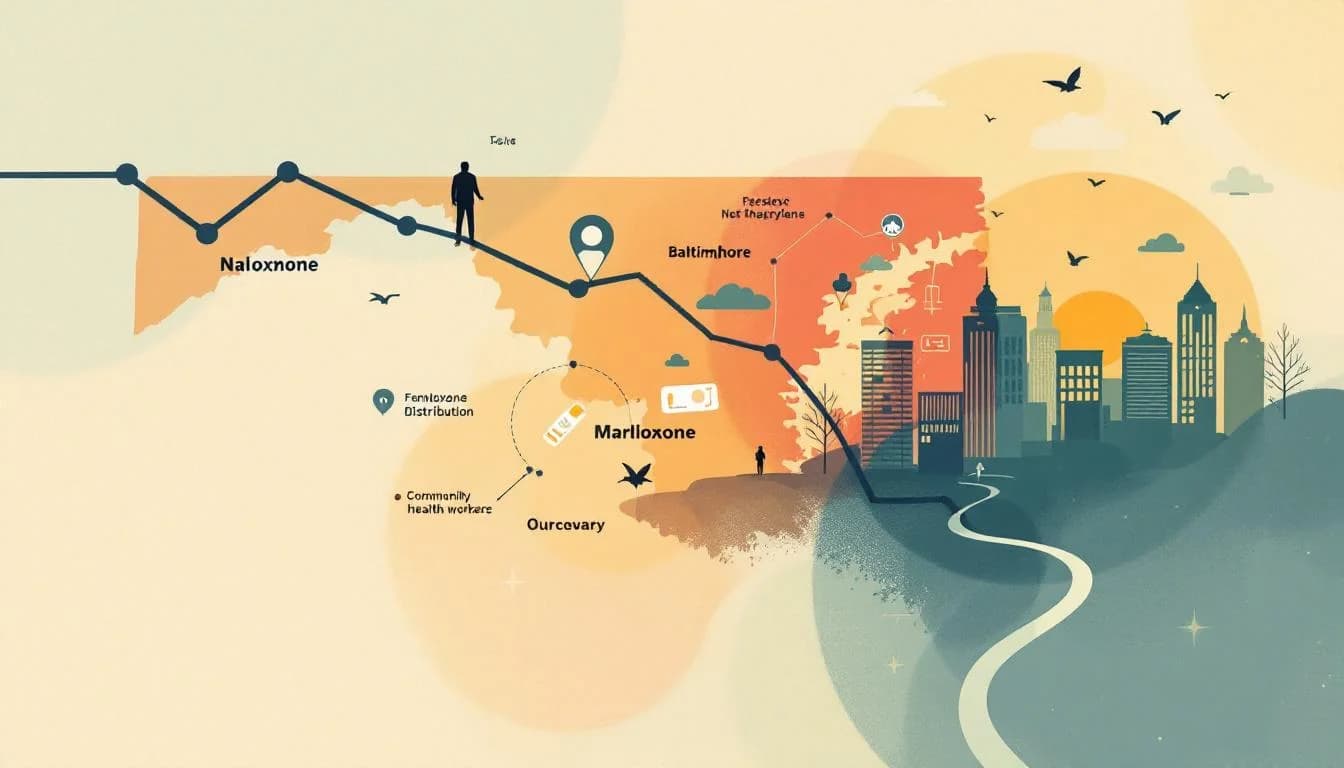
Maryland reports a dramatic 57% reduction in opioid overdose deaths since the pandemic peak, reaching a 10-year low through expanded naloxone distribution, fentanyl test strips, and community-based treatment access.

New Hampshire will receive nearly $30 million from the $7.4 billion Purdue Pharma and Sackler family settlement as the historic deal takes effect.

New JAMA Network Open research from Yale brings together 42 national experts to develop consensus guidelines for initiating addiction medications in hospitals as fentanyl transforms treatment protocols

Holyoke, Massachusetts announces inaugural distribution of opioid settlement funds, awarding nearly $1 million to five organizations for recovery coaching, harm reduction, job training, and emergency support.

Healey-Driscoll Administration announces Mosaic Municipal Matching Grants to expand prevention, harm reduction, treatment, and recovery services in communities disproportionately impacted by overdose crisis.

New data shows medication-assisted treatment for opioid use disorder reached 69% among Medicaid beneficiaries by 2023, yet 180-day treatment retention declined from 62.6% to 57.7%.

Colorado Opioid Abatement Council distributes infrastructure grants to 24 organizations, with demand exceeding available funding nearly four to one.

Historic expansion of Wisconsin's oldest women's addiction treatment facility addresses critical waitlist of 100+ people, funded by opioid settlement dollars and private philanthropy.

Wyoming becomes the latest state to adopt digital harm reduction tools, launching an interactive map that connects residents with free naloxone across 22 of 23 counties.

Arizona secures $108 million from the $7.4 billion Purdue-Sackler settlement, bringing the state's total opioid recovery to $1.2 billion amid rising overdose deaths.

Maryland Attorney General Anthony Brown announces $90 million state allocation from $7.4 billion Purdue-Sackler settlement effective May 2026, with funds directed to treatment, prevention, and recovery services.

Pennsylvania Attorney General Dave Sunday announces $200 million state allocation from $7.4 billion Purdue-Sackler settlement, bringing state's total opioid recovery past $2 billion milestone

New Hope Valley facility offers residential detox, trauma therapy, and holistic wellness for Alaska's veterans and active-duty members in a state with the highest per-capita veteran population.

Attorney General Jeff Jackson announces North Carolina's share of $7.4 billion national settlement, bringing state's total opioid recovery funds to $1.6 billion for addiction treatment and prevention.

Texas Attorney General Ken Paxton announces $286.5 million state allocation as $7.4 billion Purdue Pharma settlement takes effect, bringing Texas opioid recoveries past $3 billion milestone

Colorado classrooms are embracing harm reduction strategies and naloxone training, moving away from decades of abstinence-only messaging as fentanyl crisis reshapes youth drug education.

Nevada expects $57.9 million over 15 years from the $7.4 billion Purdue Pharma and Sackler family settlement, bringing the state's total opioid settlement recovery to over $1.2 billion.

Trump administration ends federal support for fentanyl, xylazine, and medetomidine test strips through SAMHSA grants, reversing Biden-era harm reduction policies amid declining overdose deaths.

South Carolina to receive $72.8 million over 15 years as $7.4 billion Purdue Pharma and Sackler family settlement takes effect, bringing total state recovery to over $750 million.

Austin-area officials credit free naloxone distribution through vending machines and community partnerships for dramatic reduction in fentanyl fatalities.

Kentucky reports fourth straight year of declining overdose deaths with 22.9% reduction in 2025, marking 50.8% decrease from 2021 peak as comprehensive state strategy shows sustained results.

The historic $7.4 billion Purdue Pharma and Sackler family settlement becomes legally effective May 1, 2026, with states beginning to receive funds for addiction treatment and prevention programs.

Trump administration proposes national wastewater monitoring and artificial intelligence to track drug use patterns, alongside faith-based treatment expansion and integrated addiction care.

New CDC data shows U.S. overdose deaths fell 15.9% in the past year, but emerging synthetic drugs like medetomidine threaten continued progress

While overdose deaths fell 18% nationally, Colorado saw a 10% increase in fentanyl-related fatalities, with Denver reporting a 25% spike. DEA data reveals the state's unique challenges.

Nebraska will require Medicaid expansion enrollees to work 80 hours monthly, raising concerns about addiction treatment access for vulnerable populations.

Federal court sentences OxyContin maker to historic penalties, clearing path for bankruptcy settlement that includes $865 million for victims—but many will be shut out under tightened eligibility rules.

Researchers analyze 569,000 TikTok comments to demonstrate social media data can forecast synthetic opioid mortality with 37% greater accuracy than traditional surveillance methods.

Eden Village uses $140,000 in opioid settlement grants to provide permanent supportive housing and peer counseling for chronically homeless individuals recovering from addiction.

Georgia's Opioid Crisis Abatement Trust opens applications for Year 3 funding, allocating $20 million to address addiction and overdose across the state.

Physicians publish urgent editorial urging federal action to protect access to addiction medications during climate emergencies after Hurricane Helene exposed critical gaps.

Local governments in South Dakota struggle to deploy opioid settlement dollars while the state moves faster with grants and programs, highlighting challenges rural areas face in addressing the addiction crisis.
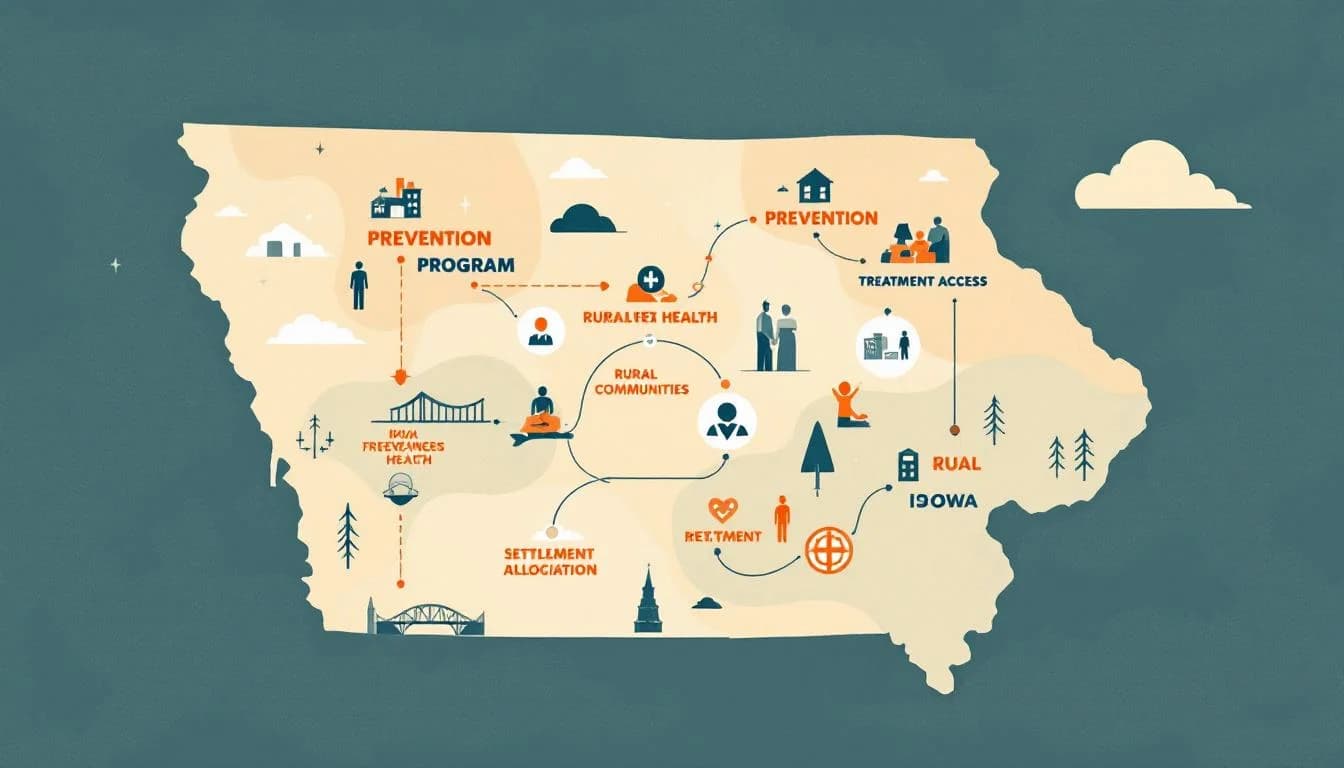
Iowa Attorney General Brenna Bird announces $9 million in opioid settlement grants for community prevention and treatment programs, with funds flowing through state legislature-approved distribution framework.

Rural Oklahoma faces barriers accessing opioid settlement grants due to lack of grant-writing expertise and community partnerships, while metro areas and schools secure most funding.
Trump administration's SAMHSA announces major policy reversal, banning federal funds for fentanyl test strips and sterile syringes while urging limitations on methadone and buprenorphine prescribing.

Milwaukee County reports dramatic 42.5% decline in drug overdose deaths since 2022, driven by harm reduction expansion, medication-assisted treatment, and $111 million opioid settlement investment.
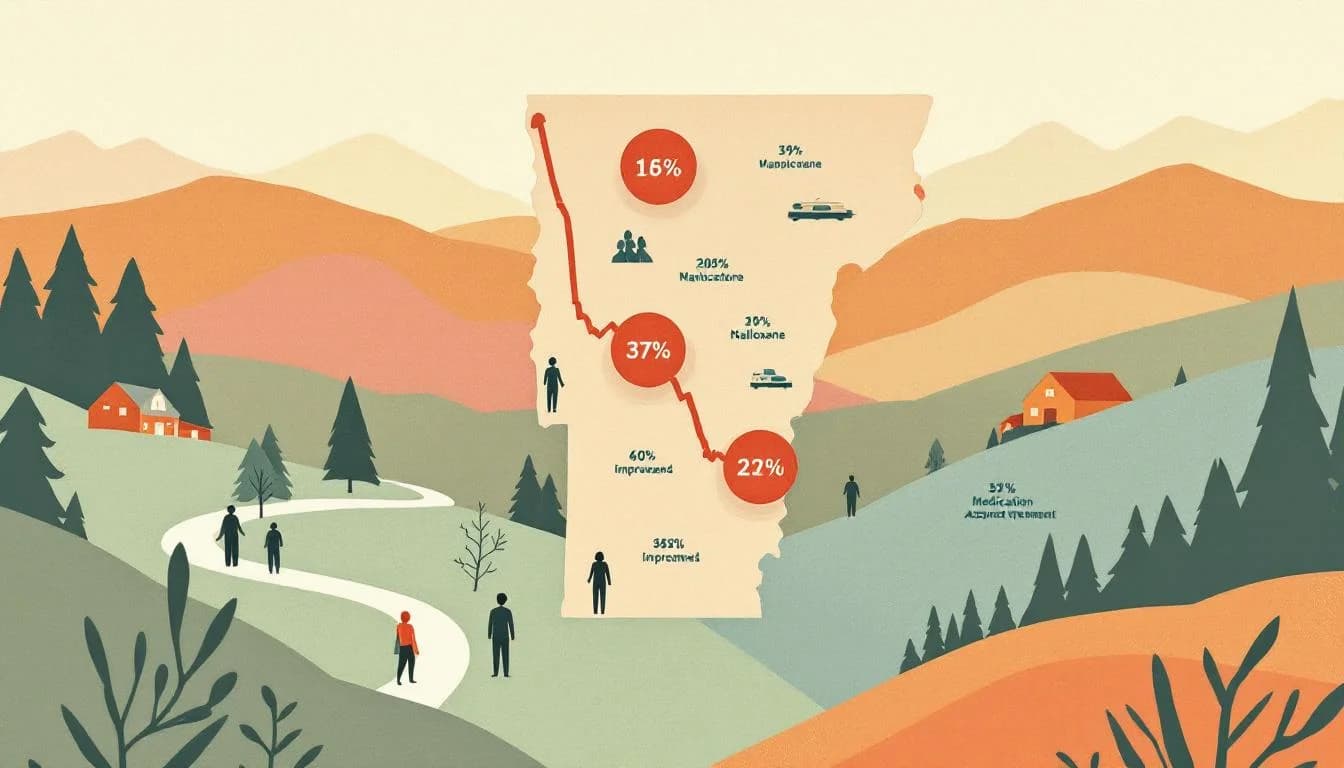
Vermont reports dramatic 25% reduction in drug overdose deaths, marking the state's first significant decline in fatal overdoses in 20 years amid national mortality improvements.

West Virginia reports 48% drop in fatal drug overdoses, exceeding the national decline of 44%, as enforcement and public health efforts converge in the state hardest hit by the opioid crisis.

Kentucky Opioid Abatement Advisory Commission distributes record $34 million to 100+ organizations, bringing total community investment past $100 million since 2021.

Health officials confirm first fatal overdose involving N-Propionitrile chlorphine, a potent synthetic opioid undetectable by standard fentanyl test strips.

New data presented at ASAM 2026 shows extended-release buprenorphine (Sublocade) associated with lowest overdose rates among medication options and supports remission as meaningful treatment endpoint.

Utah joins $773.7 million national settlement with Albertsons Companies, directing funds to opioid abatement programs for treatment, recovery services, and prevention efforts.

FDA awards priority review vouchers to Compass Pathways, Usona Institute, and Transcend Therapeutics for psilocybin and methylone therapies targeting treatment-resistant depression and PTSD.

State regulations force daily clinic visits and limit take-home doses, making medication-assisted treatment more burdensome than federal standards require.

New research published in JAMA shows the 988 suicide crisis hotline is associated with significant reductions in suicide deaths among young people, with states showing highest call volume experiencing the greatest declines.

New Mexico becomes testing ground for SAMHSA-vetted digital recovery platform with dedicated teen version, offering 24/7 peer support and crisis intervention through smartphones.

New Child Trends analysis shows youth overdose deaths dropped 37% since 2023, with rates now lower than before the pandemic despite fentanyl's continued spread.

Mayor Brandon Scott unveils first annual report and public dashboard tracking how Baltimore invests settlement dollars from opioid litigation into harm reduction, treatment, and community services.

State Senator Pat McMath proposes using unspent opioid settlement dollars to fund clinical research into psychedelic-assisted therapy for veterans, first responders, and people with opioid dependence.

New JAMA Network Open study shows MOUD access among Medicaid beneficiaries rose from 60% to 69% between 2019-2023, with 45 states seeing increases.

In a region flooded with 17 million prescription opioids, proposed Medicaid work requirements and funding cuts threaten to dismantle the safety net that has helped hundreds achieve recovery from addiction.
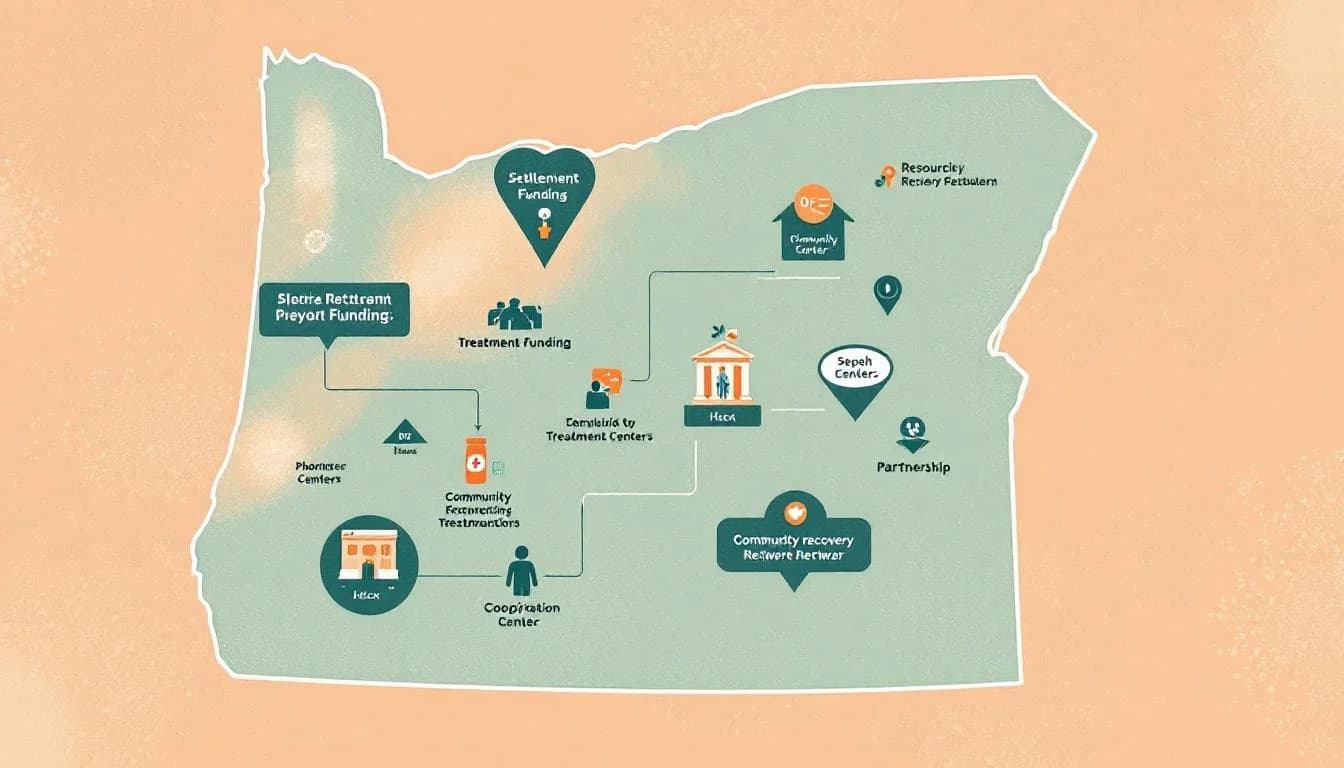
Albertsons and Safeway parent company agrees to $773 million national settlement, with Oregon receiving up to $38.2 million over nine years to expand addiction and recovery services.

UC San Diego and SDSU study of 2.8 million students finds local flavor bans reduce e-cigarette use by 20% with no increase in cigarette smoking, challenging industry arguments.

New research reveals 20% of US pharmacies block access to buprenorphine, with independent pharmacies and southern states showing significantly higher refusal rates for this life-saving opioid addiction medication.

Wake Forest research reveals e-cigarette taxes reduced vaping among heterosexual teens by 3-4 percentage points, yet had no effect on LGBQ youth who use nicotine to cope with bullying and emotional distress.

JAMA research letter reveals 24.3% decline in long-term opioid therapy from 2015-2023, even as co-prescribing with gabapentinoids rises sharply, raising new safety concerns for chronic pain patients.

New ASAM Criteria volume establishes dedicated clinical standards for youth SUD treatment, emphasizing brain development, family engagement, and integrated mental health care

BMJ study of 2.5 million Medicaid births finds children exposed to buprenorphine in utero have no greater risk of ADHD, autism, or other neurodevelopmental disorders compared to methadone exposure.

DEA reports 1,400 carfentanil identifications in 2025, up from just 54 in 2022. The veterinary tranquilizer, 100 times stronger than fentanyl, is killing unsuspecting users as China cracks down on fentanyl precursors.
JAMA Network Open study finds Medicaid expansion in eight states increased buprenorphine prescriptions by over 21%, with Oklahoma seeing 43% drop in overdose deaths.

President Trump signs executive order directing FDA to fast-track psychedelic research, provides $50 million for ibogaine studies, and opens Right to Try pathway for patients with treatment-resistant mental illness.

The Trump administration abruptly canceled hundreds of SAMHSA grants funding overdose prevention, naloxone distribution, and peer recovery support, putting addiction services at risk nationwide.

Twenty Kentucky counties join forces through the KACo Opioid Solutions Network to share best practices and strategically deploy nearly $1 billion in settlement funds

White House budget request would slash drug prevention grants, consolidate SAMHSA into new agency, and merge NIDA with alcohol institute while cutting $200 million from research.

Advocates press Congress to expand Veterans Treatment Courts and restore VA benefits access for incarcerated veterans struggling with service-connected mental health and substance use disorders

More than 200 residents protest proposed 122-bed addiction treatment facility funded by California's Proposition 1, highlighting tensions between statewide mental health expansion and neighborhood concerns

New research in Journal of Psychiatric Research reveals individuals with opioid use disorder face 1.88 to 4.17 times greater odds of suicidal thoughts, with moderate cases showing highest attempt rates.

ONDCP, SAMHSA and HUD launch two-day summit to develop national toolkit for treating substance use disorders among homeless individuals, marking a shift toward integrated care models

Federal health officials warn about medetomidine, a veterinary tranquilizer increasingly mixed with illicit fentanyl, causing complex withdrawal syndromes and complicating overdose responses
New Anesthesiology research reveals that conventional naloxone doses may not fully reverse respiratory depression from potent synthetic opioids like fentanyl and sufentanil, urging updated emergency protocols
Food and Drug Administration issues complete response letter rejecting Lykos Therapeutics' MDMA-assisted therapy for PTSD, demanding additional clinical trials despite promising efficacy data.
New JAMA study shows states expanding Medicaid after 2018 saw sharp rises in buprenorphine prescriptions, but federal funding cuts could reverse gains.

Wisconsin Department of Health Services announces comprehensive $31 million opioid response strategy combining treatment access expansion, harm reduction, and law enforcement education.

New BMJ research finds semaglutide and similar medications associated with 14% reduced risk of developing substance use disorders and 50% fewer deaths among veterans already in treatment.
Michigan's MDHHS accepting applications through April 30 for loan repayment up to $30,000 to SUD providers as state confronts workforce shortage limiting treatment access for 1.3 million residents.
North Carolina awards federal block grants to 12 community organizations for rural treatment, crisis response, and justice-involved recovery programs targeting 1.4 million residents with substance use disorders.

Central Health plans 45 free naloxone units by September as Travis County overdose deaths drop 22%, expanding vending machines and community partnerships to sustain decline.

Northwestern University researchers debunk 2025 drug overdose surge reported by CDC, finding the apparent spike was a modeling error caused by rapid epidemic shifts, not data manipulation or political interference.

Rhode Island becomes first state to reverse kratom ban while Kansas, Connecticut move toward Schedule I classification, creating fragmented regulatory landscape for substance used by millions for pain and opioid withdrawal.

Intravenous DMT reduced depressive symptoms within a week in Phase IIa trial, with effects lasting up to three months, according to study published in Nature Medicine.

Congressional bill H.R. 5629 threatens to roll back SAMHSA's permanent methadone take-home flexibilities as Pew Charitable Trusts submits testimony defending COVID-era reforms that reduced travel burdens without increasing diversion or deaths.

NCDHHS awards federal block grant funding to twelve community organizations targeting rural areas, youth prevention, and criminal justice-involved populations as state battles 1.4 million struggling with substance use.
National coalition urges Congress to maintain SAMHSA, NIH, and addiction program funding in FY2027 appropriations amid proposed 12.5% HHS budget cuts.
House roundtable examines paradox of doubled treatment access, 241% spending increase while depression and suicide reach historic highs. Youth antidepressant prescriptions jump 63%.
World Health Organization updates treatment guidelines adding monthly buprenorphine injections to methadone oral medication recommendations addressing epidemic killing three-quarters million people yearly
Longleaf Lodge launches with 50 residential and 10 detox beds, addressing Alabama's crisis where 19% need substance use treatment but only 5% receive it. Integrated care model tackles co-occurring conditions as wait times stretch weeks to months.

Federal initiative targets individuals experiencing homelessness and substance use disorders through outcomes-based approach, but faith-based inclusion and punitive policy context raise concerns among public health advocates.

Second round of 'transformative grants' prioritizes youth treatment expansion, school prevention programs, and mobile crisis response as state officials emphasize building complete care continuum

Mississippi, Tennessee, Texas, West Virginia, Oklahoma, and Missouri are coordinating clinical trials of ibogaine—a Schedule I psychedelic—for opioid addiction and PTSD despite federal restrictions.

Deal flow in substance use disorder treatment hits six-year low as investors pull back amid quality concerns, Medicaid uncertainty, and volatile federal grants—leaving safety-net providers facing potential closures.

Two competing bills represent fundamentally different approaches to kratom policy—one seeks complete prohibition while the other acknowledges harm reduction uses for addiction recovery and pain management.

Despite receiving $800 million since 2023, more than 40% of Michigan counties have yet to distribute opioid crisis mitigation funds while overdose deaths continue claiming nearly 2,000 lives annually.

Governor Rhoden announces funding for 10 organizations as Attorney General Jackley pushes for direct allocation to Sioux Falls and Rapid City treatment centers.

University of Cincinnati launches one of nation's largest trials pairing weight-loss drugs with proven addiction medication to improve treatment retention and reduce cravings.
New research from Ohio University finds primary care physicians view opioid use disorder as more treatable than diabetes, yet only 8% have ever prescribed buprenorphine, creating treatment deserts in rural America.

World Health Organization adds conditional endorsement for long-acting injectable buprenorphine to global opioid dependence treatment guidelines April 2026, alongside continued strong recommendations for methadone and oral formulations.

Proposed legislation SB 365 mandates that Connecticut emergency departments offer buprenorphine to patients with opioid use disorder, despite hospital opposition citing costs.

Senator Patty Murray announces funding for Tacoma-Pierce County mobile medical services while highlighting successful pushback against Trump administration's proposed $2 billion SAMHSA grant terminations.

Ann Arbor-based online addiction provider now treats kratom and 7-hydroxymitragynine dependence through app-based platform, addressing regulatory gap as FDA restricts potent derivatives but leaf products remain unregulated nationwide.

Georgia county awards settlement dollars to programs ranging from peer support to residential treatment as officials confront third-highest opioid death toll in the state.
New report profiles eight alternative mental health crisis programs removing police from response while Trump administration restructuring threatens federal funding infrastructure.

State lawmakers advance plan to distribute nearly $60 million in opioid settlement money, sidestepping the independent council created just last year to oversee spending.

University of Pennsylvania researchers develop first brain-targeted gene therapy that mimics morphine's pain relief without triggering reward pathways, offering potential breakthrough for 50 million Americans living with chronic pain.

Federal agency proposes expanding community health workers and peer support specialists in rural areas where 60% of Americans lack access to mental health and addiction treatment services.
WVU leads 18-month statewide assessment to guide how three-quarters of West Virginia's opioid settlement funds will be spent, creating public dashboard to identify gaps and maximize impact.

American Society of Addiction Medicine releases first comprehensive update to youth substance use disorder treatment standards in over a decade, addressing telehealth, trauma-informed care, and medication access.
Kentucky Senate Bill 77 nears final passage, creating framework to research ibogaine for opioid addiction and PTSD despite Schedule I status. Four states already funding trials.

State officials unveil plan to restructure troubled mental health agency, potentially dissolving it and shifting control to Department of Health as providers struggle with service cuts.
Congressional oversight hearing exposes chaotic federal response to addiction crisis as $2 billion in treatment grants remain uncertain and agency staff cut by half

Swedish registry analysis of 100,000 individuals finds GLP-1 medications reduce depression by 44%, anxiety by 38%, and substance use disorders by 47%.

Oregon and Colorado lead regulated psilocybin therapy programs as research shows promise for depression, PTSD, and addiction. Personal stories reveal profound results.

Indiana University's MACRO-B initiative reduced opioid overdose mortality among Black Indianapolis residents by 45% in two years, now expanding statewide.

New Nature Mental Health study finds combining low-dose ketamine with mindfulness training improves outcomes for people receiving buprenorphine treatment, opening door to psychedelic-assisted interventions

Cychlorphine, a novel opioid resistant to standard naloxone doses, has been detected in over a dozen states. Oklahoma confirmed its first death as experts warn the drug may require multiple Narcan doses to reverse overdoses.
Governor Josh Stein announces expansion of Law Enforcement Assisted Diversion programs to seven counties, offering treatment alternatives to incarceration for low-level offenses involving substance use.

New Wisconsin Policy Forum report reveals dramatic expansion in MOUD access across state correctional facilities from 2021 to 2025, coinciding with substantial decline in overdose deaths.

AB 602 requires California public universities to provide addiction treatment rather than punishment when students seek help for overdoses, effective July 2026.

CDCR documented over 7,000 overdose reversals since 2019 and became the only U.S. state prison system allowing incarcerated individuals to carry naloxone inside facilities.

SUPPORT Act allows pharmacists to prescribe addiction medication with 8 hours training. Maryland considers state legislation as federal pathway opens treatment access.

Opioid deaths fell 12% in Washington last year while innovative programs expanded access to life-saving treatment. But new Medicaid work requirements and federal funding cuts are already disrupting care.

Survey of 212 U.S. jails, prisons, and detention centers finds stark regional and facility-type disparities in MOUD access, with post-release mortality 40 times higher than national average.
Psychostimulants, primarily methamphetamine, overtook opioids as Iowa's leading overdose cause in 2024. Without a Narcan equivalent, public health officials confront new treatment challenges.
Veterinary sedative 300× more potent than xylazine spreads through illicit opioid supply, causing life-threatening withdrawal and evading standard drug tests.

Baltimore's finalized Overdose Response Strategic Plan ups its target to a 50% reduction by 2040, backed by nearly $600 million in opioid settlement funds and community-driven priorities.

Workit Health's evidence-based virtual care model delivers 62% rural retention at three months—more than double competing programs—with peer-reviewed studies in JAMA Network Open showing perfect buprenorphine adherence among participants.

Eastern Shoshone Tribal Health launches Wyoming's first harm reduction vending machines offering free naloxone, fentanyl test strips, and suicide prevention tools through anonymous PIN access to address overdose crisis on Wind River Reservation.
Bipartisan DETECT Nitazenes Act introduced in Congress would enhance detection technology for emerging class of synthetic opioids linked to over 1,000 deaths in UK.

First randomized trial testing extended-release buprenorphine in pregnancy finds higher abstinence rates and fewer serious adverse events compared to standard sublingual treatment.
West Virginia First Foundation introduces Regional Contingency Allocation Program allowing six regions to respond to immediate community needs outside traditional grant cycles, managing nearly $1 billion in settlement funds.

Columbia adds twelve public naloxone boxes as Missouri House proposes $8M cut to statewide distribution, threatening 800 agencies and 7,500 documented overdose saves since 2017.
New federal data reveals historic decline in opioid deaths across all demographics, driven by expanded naloxone access, weaker fentanyl supply, and medication treatment—though Arizona and four other states buck the trend.

Brandeis University economic analysis shows two pharmacy-based methadone models generate positive returns of $2.64 and $3.53 per dollar spent over three years while addressing treatment deserts in 80% of U.S. counties.

Federal funding establishes Pennsylvania Addiction Action Network to coordinate data-driven allocation of settlement funds across all 67 counties as state confronts 4,719 annual overdose deaths.

Somerset County commissioners chose to protect a jail Sublocade program with zero overdose deaths over prevention services as opioid settlement funds run short.

ACLU challenges West Virginia's 2007 moratorium on methadone clinics, arguing the state's unique restriction violates disability law while forcing 54,000 residents with opioid use disorder to navigate impossible treatment logistics.

A new survey of 212 jails and prisons finds only 58% provide FDA-approved medications for opioid use disorder, with stark regional disparities and treatment gaps putting released inmates at 40-times-higher overdose risk.

Senate Bill 2185 passed committee and would mandate MAT screening and access in all Illinois prisons, funded by opioid settlements, following a Kane County program that cut overdose deaths by 89%.

Mayor Daniel Lurie announces Proposition 1 funding for 100 new psychiatric and addiction treatment beds across three sites, even as the city faces $900 million deficit and federal funding cuts.

Parents who lost children to overdoses are urging Pennsylvania to use settlement money to create a comprehensive bereavement support system modeled on Philadelphia's Philly HEALs program.

NIH-funded trial finds pregnant patients receiving weekly extended-release buprenorphine injections achieved significantly higher rates of opioid abstinence with fewer serious adverse events than those on sublingual buprenorphine.

SAMHSA's termination and rapid restoration of $2 billion in mental health grants in January exposed fragility of addiction infrastructure as overdose deaths decline for first time in decades.

New research shows patients adherent to extended-release buprenorphine injections had $15,017 lower annual costs and fewer emergency visits than those using other opioid use disorder medications.

New study finds NET Device reduces opioid and stimulant use for 3 months post-treatment, offering hope for polysubstance addiction amid no approved medications for stimulants

AG Kris Kobach and DCCCA deploy free overdose reversal kits across Kansas universities and community colleges as state battles 2,000+ fentanyl deaths.

New transparency tool shows municipalities spent just 12% of available settlement funds in latest fiscal year, while state officials emphasize accountability in managing $1 billion expected through 2039.

New Oregon laws streamline licensing, strengthen workplace safety, and expand access to mental health and addiction services amid one of the nation's worst provider shortages

University of Arizona trial finds 73% of participants responded to multiple psilocybin sessions, with 40% achieving remission from obsessive-compulsive disorder symptoms lasting six months.

Cychlorphine, an emerging synthetic opioid more potent than fentanyl, has been connected to at least 16 overdose deaths in East Tennessee since October. Federal authorities track 22 samples nationwide as harm reduction officials warn naloxone may require multiple doses.

Lawmakers push package of reforms including 988 funding, treatment bed registry, and insurance coverage mandates as state struggles to meet crisis response needs.

CDC data shows overdose deaths fell to 68,000 in 12 months ending October 2025, the lowest since 2019, driven by a dramatic decline in fentanyl purity from 25% to 11% as all four waves of the epidemic enter simultaneous decline.

Eight new mental health and drug treatment facilities will receive Proposition 1 funding, including sobering centers and residential programs across the Bay Area

VA study of 600,000 patients finds GLP-1 medications like Ozempic reduce substance use disorder risk by 15-20%, suggesting a common biological pathway underlying all addictions.

New CDC data reveals West Virginia and Virginia achieved the steepest opioid death declines in America, with drops approaching 49% and outpacing the national 44% reduction.

Bipartisan POINTS Act would allocate $100M annually from sports betting taxes to prevention and treatment programs, marking the first dedicated federal investment in gambling disorder services.

Indiana city's first round of settlement funding prioritizes community organizations meeting people at every stage of recovery, including grief counseling for families navigating substance use loss.

Sen. John Keenan proposes expanding subway naloxone access after 2024 pilot ended prematurely, leaving empty and broken cabinets across Boston's transit system.

New state transparency dashboard reveals municipalities spent just 12% of available settlement funds in FY2025 while communities await critical addiction services and harm reduction programs.

Minnesota lawmakers approved HF 2906, creating a state-regulated psilocybin therapy pilot program with patient caps and bipartisan backing, joining Oregon and Colorado.

City Council approves five-year opioid settlement funding plan targeting overdose prevention through community-based Narcan distribution, HIV testing, and integrated harm reduction services.

Maine city finally distributes nearly all available settlement money to 16 organizations, three years after receiving first payments, as Penobscot County sees rising overdose deaths.

State lawmakers unanimously approve evidence-based mandates and conflict-of-interest safeguards for $400M+ opioid settlement fund after investigative reporting exposed governance failures.

Harm Reduction Coalition of San Diego failed to pay subcontractors and staff for months while COO allegedly misappropriated over $200,000 in public funds for personal expenses.

Federal judge's ruling forces Education Department to restore funding for 120 school mental health projects, extending support through June 2026 as legal battle continues.

JAMA Network Open study analyzing Medicare records shows specialists using telemedicine heavily saw only 0.9% more rural patients while treating 3.6% fewer new patients overall.

New national survey reveals 18 states mandate recovery assessments in treatment facilities, but federal reporting burdens and staffing shortages slow broader adoption.

Federal agency opens funding applications for children's mental health services, suicide prevention frameworks, and assisted outpatient treatment programs as part of broader recovery initiative.

Governor Newsom awards funding to 28 regions while launching accountability system recognizing 'CARE Champions' and placing underperforming counties in intensive support program.

Mississippi Senate passes HB 314, allocating $5M from opioid settlement funds to join Texas and Arizona in FDA clinical trials of ibogaine for opioid addiction and PTSD treatment.

Weill Cornell research shows state laws eliminating insurance prior authorization for buprenorphine don't significantly improve 180-day retention rates, highlighting need for broader policy interventions.

MDHHS distributes free naloxone kits at local offices statewide, funded by $1.8 billion opioid settlement. State reports 35% decline in overdose deaths since 2023.

While Mississippi sits on over $400 million in opioid settlement funds, the state has spent almost none of it on treatment or family services — even as it leads the nation in children living with grandparents and foster care tied to parental substance use.

Civil rights lawsuit alleges Missouri DOC and Centurion Health deny life-saving medication to prisoners with opioid use disorder, despite $7M in settlement funds and rampant drug availability.

Washington University analysis of 600,000+ VA patients finds GLP-1s tied to 50% reduction in drug-related deaths and lower risk across alcohol, opioid, cocaine, and nicotine use disorders.

Washington University research shows uMAT-R app reduced opioid and drug use by 50% in people experiencing housing insecurity, addressing critical gap in treatment access.

New research identifies myelin remodeling as the missing link between short-term psychedelic experiences and long-term PTSD relief, shifting focus from neurons to oligodendrocytes.

House Bill 487 allocates $43M from opioid settlements to prevention, treatment, and recovery programs, with unanimous bipartisan support as Alabama reports 30% reduction in overdose deaths.

Local governments in Maine allocated $3 million from opioid settlements in 2025 toward treatment, prevention, and law enforcement programs, with $19 million remaining and new reporting requirements now in place.

State legislators advance $5.7 million appropriation to sustain 988 Mental Health Lifeline after federal funding expires in September, citing success in diverting crisis calls from emergency services.

New federal legislation would require OSHA guidance on workplace naloxone access amid rising employer reports of opioid impact and uneven emergency preparedness.

Missouri's Veterans Mental Health Innovation Act would fund FDA ibogaine clinical trials for opioid use disorder and traumatic brain injury, joining Texas and Arizona in breakthrough therapy research.

State programs like Project Nurture combine prenatal care, substance use treatment, and peer support after Oregon data showed mental health and SUD led pregnancy-related deaths.
The Maternal Overdose Matters Initiative delivered naloxone kits to over 2,500 families at 107 hospitals, helping reverse a crisis where overdose became the leading cause of maternal mortality statewide.

In a landmark policy shift, the FDA announced it will approve new drugs based on a single rigorous trial plus confirmatory evidence—a change that could accelerate development of therapies for opioid use disorder, alcohol addiction, and stimulant dependence.

DEA and HHS codify pandemic-era flexibility, allowing providers to initiate and maintain buprenorphine treatment entirely via telehealth through the end of 2026, a move experts say could save lives and reshape addiction care nationwide.

California's CalRx program cuts naloxone costs by more than half while the state's distribution initiative crosses a staggering milestone in overdose reversals.

The Food and Drug Administration moves forward with controversial regulations to limit common painkillers, sparking national debate over balancing opioid crisis response with patient access to pain management.

As cocaine and methamphetamine become contaminated with fentanyl, researchers argue that contingency management and culturally adapted harm reduction are essential—yet remain vastly underutilized across the United States.

Imperial College London study published in Nature finds that a single 30-minute DMT session with therapeutic support reduced depressive symptoms more effectively than placebo, marking another step forward for psychedelic-assisted mental health treatment.

Digital therapeutics for substance use disorders are gaining traction as researchers identify key strategies to improve engagement and outcomes, with apps reaching patients beyond traditional clinic walls.

New research from Harvard Medical School shows that just 10 yoga sessions can reduce the most severe phase of opioid withdrawal from nine days to five, offering a promising tool for addiction recovery.

New federal rules allow providers to prescribe six-month supply of buprenorphine via audio-only telehealth for opioid use disorder treatment, eliminating pandemic-era restrictions while implementing safeguards.

Senate Bill 2749 passes committee with unanimous vote, expanding Illinois' addiction treatment framework to include problem gambling and mandating new prevention and recovery services statewide.

Washington University study finds that uMAT-R digital platform reduced substance use by 50% among participants with housing instability, challenging assumptions about technology access in vulnerable populations.

New Jersey lawmakers unanimously approve trio of bills to regulate addiction treatment industry, addressing concerns raised in 2024 state investigation into facility operations and peer recovery programs.