
U.S. Overdose Deaths Keep Falling, But Western States Face Deadly Surge
The United States has achieved something that once seemed impossible: a third consecutive year of declining drug overdose deaths. According to new federal data, approximately 70,000 Americans died from drug overdoses in 2025, down roughly 14% from the previous year and marking a dramatic reversal from the pandemic-era peak of nearly 110,000 deaths in 2022.
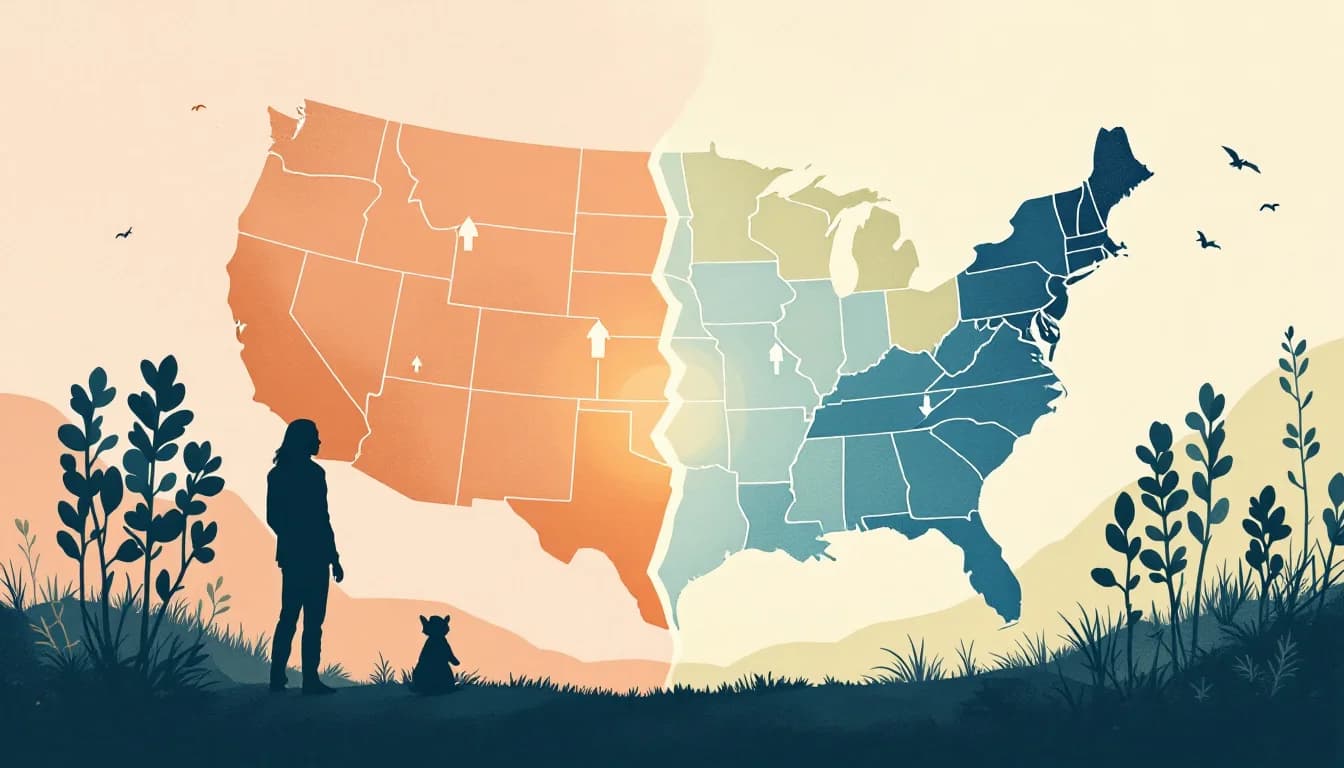
Yet beneath this encouraging national trend lies a troubling geographic divide. While eastern and midwestern states report steep mortality reductions, a cluster of western states—including Alaska, New Mexico, Colorado, and Arizona—are experiencing deadly surges in overdose fatalities. The divergence highlights how the opioid crisis continues to evolve, with regional factors determining whether communities experience recovery or deepening tragedy.
The National Turnaround
The sustained decline in overdose deaths represents a significant public health achievement after two decades of relentlessly rising mortality. Multiple factors appear to be driving the improvement, according to researchers and health officials interviewed by NPR.
Expanded access to naloxone, the medication that reverses opioid overdoses, has played a crucial role. States that aggressively distributed the life-saving drug to first responders, community organizations, and at-risk individuals have seen the steepest declines. The medication is now available without prescription in most states, and many jurisdictions have implemented standing orders allowing pharmacies to dispense it freely.
The proliferation of harm reduction services has also contributed. Syringe exchange programs, safe consumption sites in select cities, and fentanyl test strips have helped people who use drugs reduce their risk of fatal overdose. While controversial in some political circles, these interventions appear to be saving lives where they have been implemented at scale.
Perhaps most significantly, the elimination of the X-waiver requirement in 2023 allowed any prescriber with a DEA registration to prescribe buprenorphine for opioid use disorder. This regulatory change removed a major barrier to medication-assisted treatment, enabling primary care physicians, emergency departments, and telehealth providers to initiate treatment without specialized training requirements.
The Western Exception
Despite these national improvements, several western states are moving in the wrong direction. Alaska has seen overdose deaths surge by more than 20% over the past year, while New Mexico, Colorado, and Arizona have reported increases of 10% or more. The pattern suggests that the factors driving national improvement have not taken hold in these jurisdictions—or that unique local challenges are overwhelming progress.
Geographic isolation presents a fundamental barrier. Rural western communities often lack the healthcare infrastructure that has enabled treatment expansion in more densely populated eastern states. A person experiencing overdose in rural Alaska or New Mexico may be hours from the nearest emergency medical services, making naloxone distribution less effective even when supplies are available.
The changing composition of the drug supply may also play a role. Fentanyl continues to dominate illicit opioid markets nationwide, but western states have seen earlier and more extensive penetration of methamphetamine and polysubstance use patterns. When fentanyl entered these markets, it combined with existing stimulant use rather than replacing it, creating complex clinical scenarios that standard overdose reversal protocols address less effectively.
Native American and Alaska Native communities have been disproportionately affected. These populations face elevated overdose mortality driven by historical trauma, limited healthcare access, and economic marginalization. While some tribal communities have developed innovative treatment models, many lack the resources to implement comprehensive prevention and response systems.
Policy Responses and Gaps
The divergent state trajectories raise questions about whether federal opioid crisis strategies are reaching all communities effectively. The Biden administration has emphasized medication-assisted treatment expansion and harm reduction, but implementation varies dramatically by state and locality.
States with the steepest declines—including West Virginia, Kentucky, and Ohio—have invested heavily in treatment infrastructure using opioid settlement funds from pharmaceutical litigation. These jurisdictions have expanded Medicaid coverage for substance use disorder treatment, invested in workforce development for addiction medicine specialists, and funded recovery housing and peer support services.
Western states facing surges have often taken different policy approaches. Some have emphasized law enforcement interdiction over public health interventions, while others have struggled to deploy settlement funds effectively amid political disputes over appropriate uses. The result has been slower expansion of evidence-based treatment and prevention services.
The geographic divide also reflects broader healthcare access disparities. States that expanded Medicaid under the Affordable Care Act have seen more robust treatment capacity growth, while non-expansion states—concentrated in the South and parts of the West—have left significant gaps in coverage for low-income residents with substance use disorders.
The Evolving Drug Supply
Even as overall deaths decline, the drug supply continues to become more dangerous. The veterinary tranquilizer xylazine, known as "tranq," has spread to 48 states and causes severe wounds and sedation that naloxone cannot reverse. A newer adulterant, medetomidine or "rhino tranq," is 100 to 200 times more potent than xylazine and creates extended sedation lasting hours beyond fentanyl's effects.
The synthetic opioid cychlorphine, estimated to be ten times more potent than fentanyl, has caused dozens of deaths in Tennessee and is spreading nationally. These substances complicate emergency response, as patients may remain unconscious even after receiving multiple doses of naloxone.
Researchers worry that the declining national death toll could create complacency just as the drug supply becomes more pharmacologically complex. "We're making progress, but the underlying dynamics haven't changed," one epidemiologist told NPR. "People are still using drugs in dangerous contexts, and the supply keeps getting more unpredictable."
Looking Forward
The third year of declining overdose deaths offers genuine cause for optimism. For the first time since the opioid crisis emerged in the late 1990s, the United States has achieved sustained mortality reduction rather than temporary plateauing. The experience of states like Rhode Island, Vermont, and Kentucky demonstrates that comprehensive public health approaches can bend the curve of addiction mortality even amid fentanyl's dominance.
Yet the western surge serves as a warning that progress is neither automatic nor universal. Communities facing geographic isolation, healthcare workforce shortages, and limited treatment infrastructure may continue to experience rising deaths even as national statistics improve. Addressing these disparities will require targeted federal investment and policy flexibility that acknowledges regional differences.
The 70,000 deaths recorded in 2025 still represent a catastrophic public health failure—roughly equivalent to the entire population of Scranton, Pennsylvania, dying annually from preventable causes. Each statistic represents a person with family, community, and unrealized potential. Sustaining and accelerating the national decline while addressing the western surge will require continued commitment to evidence-based interventions, equitable resource distribution, and recognition that the opioid crisis remains an urgent emergency despite encouraging trends.
Editorial Board
Editorial review using SAMHSA, CDC, CMS, and state agency sources
The NWVCIL editorial team reviews and updates treatment-center information using public data from SAMHSA, CDC, CMS, and state behavioral-health agencies. We cross-check facility records, state coverage rules, and clinical-practice updates so the directory reflects current evidence and policy.
Related Articles

Utah Detects Medetomidine in Illicit Drug Supply, Expanding Veterinary Sedative Threat
Utah health officials confirm medetomidine, a potent veterinary sedative, has been detected in the state's illicit drug supply, creating naloxone-resistant overdoses and severe withdrawal symptoms.

CDC Report: Nearly 10,000 Drug Overdose Deaths Occurred in Hotels and Motels Over Three Years
New CDC data reveals 9,651 overdose deaths in hotels and motels from 2022-2024, with 56% involving local residents. Report highlights critical gaps in bystander response and naloxone access.

Boston Reports Fewest Opioid Overdose Deaths in a Decade as City's Harm Reduction Strategy Shows Results
Boston Public Health Commission reports 120 opioid overdose deaths in 2025, a 29% decline from 2024 and 56% drop from the 2023 peak, marking the lowest fatalities in ten years.