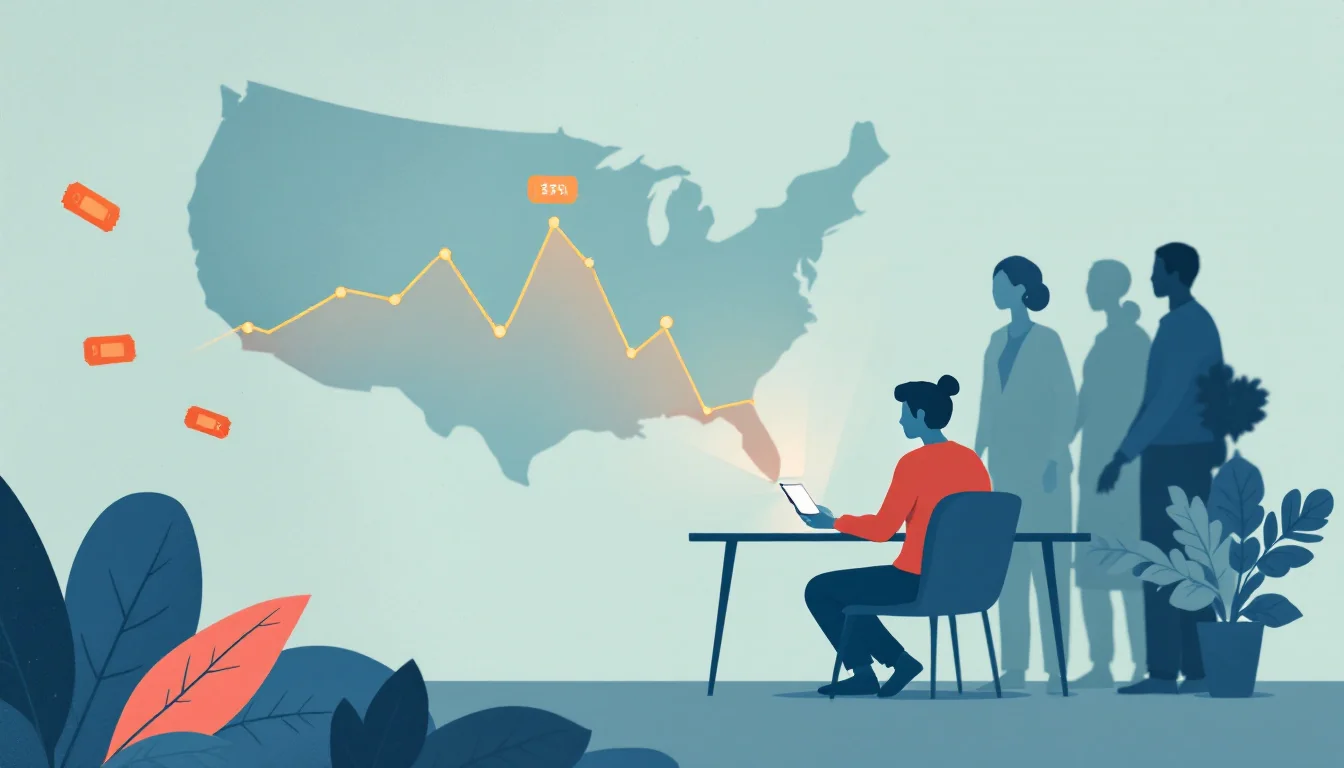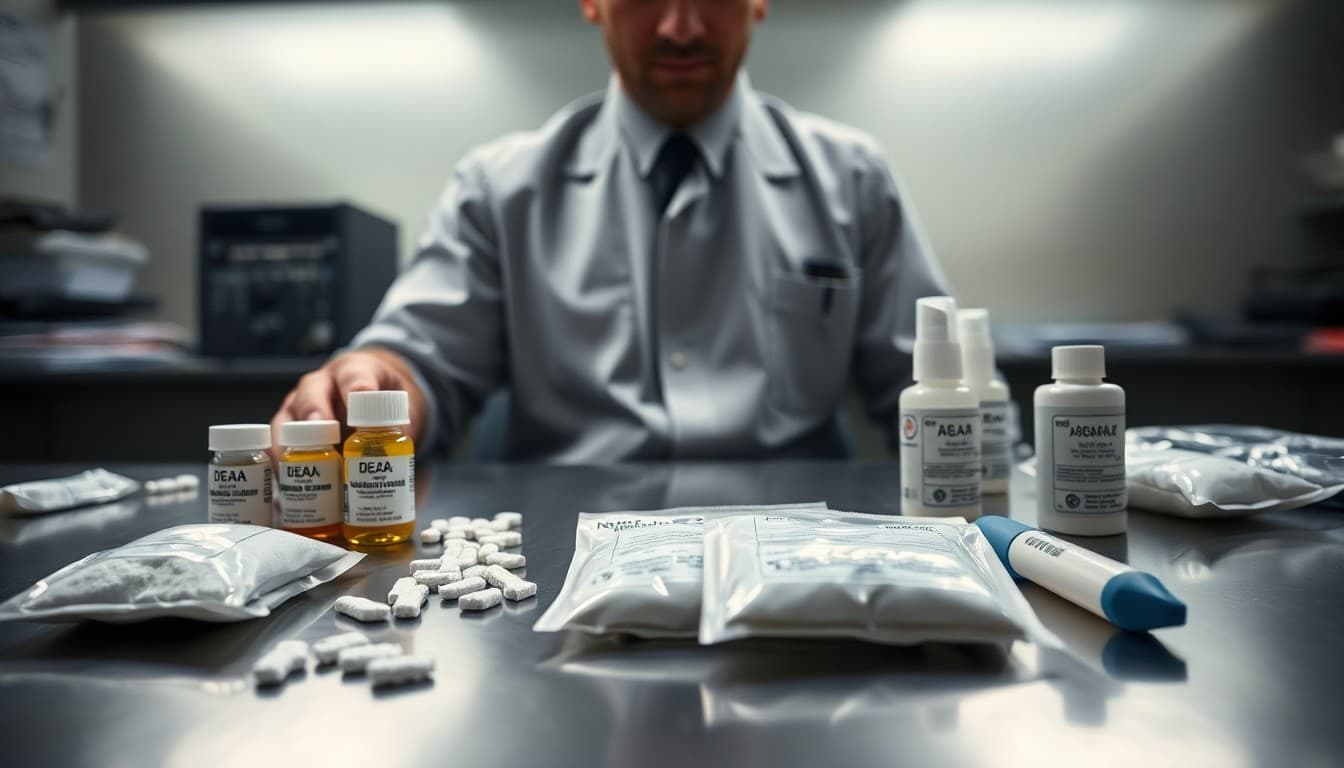
Medetomidine Replaces Xylazine as the New 'Rhino Tranq' Threat in Fentanyl Supply
CDC and White House issue urgent health advisory as veterinary sedative medetomidine surges 3,000% in two years, creating naloxone-resistant overdoses across 18 states

66 articles found

CDC and White House issue urgent health advisory as veterinary sedative medetomidine surges 3,000% in two years, creating naloxone-resistant overdoses across 18 states

Rhode Island reports 50% decline in overdose deaths since 2022, surpassing state's 2030 goal four years early and marking lowest mortality since before the fentanyl crisis began.

Baltimore County unveils interactive dashboard allowing residents to monitor how $90 million in opioid settlement funds are spent, following Maryland's statewide transparency initiative.

A novel class of synthetic opioids called orphines is appearing in the U.S. illicit drug supply with potency exceeding fentanyl, challenging detection and overdose reversal efforts.

North Carolina's most populous county reports largest overdose decline in five years after tripling naloxone distribution and expanding harm reduction infrastructure.

Missouri's updated 2026 naloxone standing order explicitly includes individuals under 18, as Medicaid claims exceed 11,000 annually and overdose deaths fall 23%.

Massachusetts opioid overdose deaths fell to 978 in 2025, a nearly 60% decline from the 2022 peak of 2,364 deaths. The state credits comprehensive harm reduction, expanded treatment access, and community partnerships.

A powerful synthetic opioid 10 times stronger than fentanyl has emerged in East Tennessee, claiming more than 50 lives and spreading to multiple states.

Landmark UC San Diego research finds U.S. overdose deaths fell 24.4% in 2024, marking the first decline across all four waves of the addiction crisis, though stimulant-only deaths and racial disparities persist.

CDC data shows New York State overdose deaths fell 44.9% over three years, saving more than 5,000 lives, with opioid fatalities down nearly 52% since 2022.

Maryland unveils interactive dashboard tracking $747 million in opioid settlement funds, setting new standard for pharmaceutical litigation accountability and public oversight.

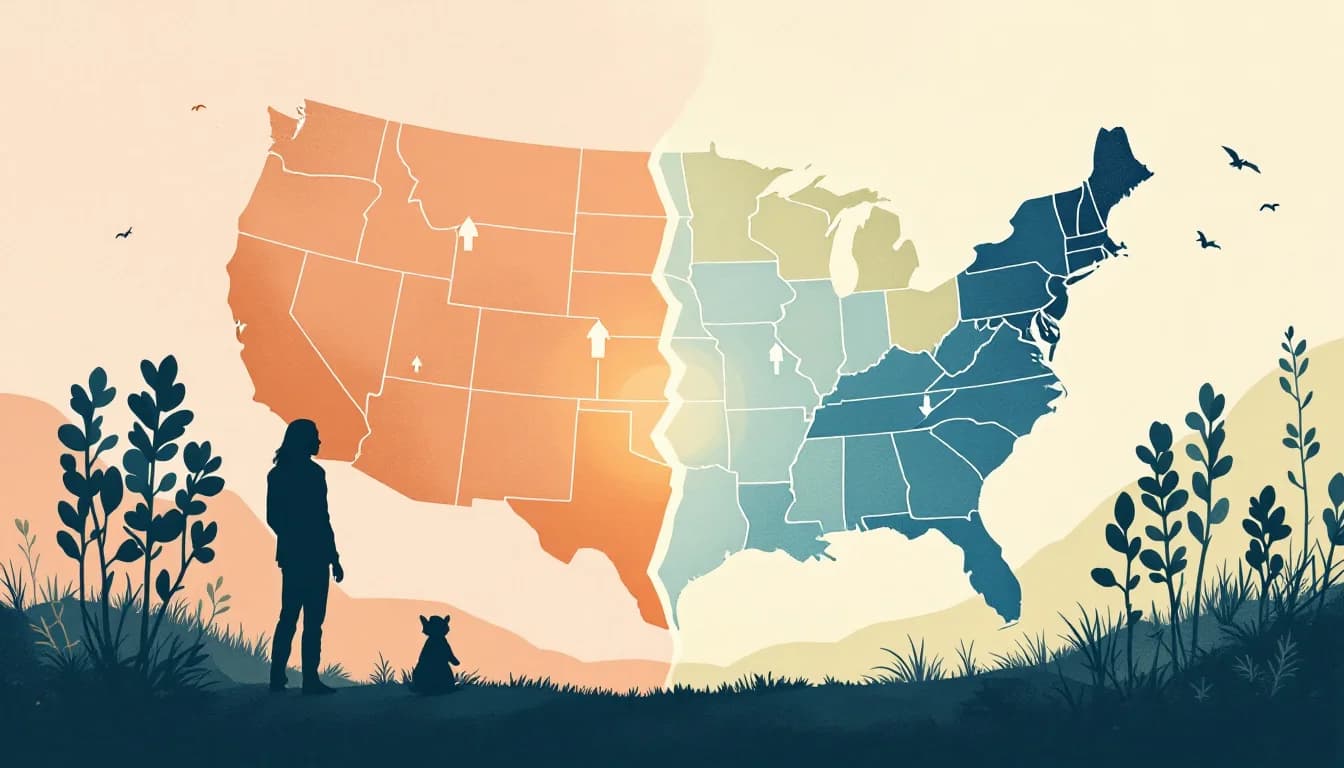
National overdose deaths decline for third consecutive year, yet Alaska, New Mexico, and other western states see rising mortality amid fentanyl crisis

Chicago and suburban Cook County report largest overdose death reduction of any U.S. county, with deaths falling from 1,961 in 2022 to 1,138 in 2024 through strategic harm reduction and naloxone distribution.

Illinois reports dramatic 36% decline in opioid overdose deaths from 2023 to 2024, with synthetic opioid fatalities down 38%. The reduction reflects sustained investments in naloxone distribution, harm reduction, and treatment access.

UNODC World Drug Report 2026 reveals 1 in 16 people worldwide now use drugs, with synthetic opioids like fentanyl, nitazenes, and orphines replacing heroin and creating unprecedented public health risks.

New CDC data reveals 9,651 overdose deaths in hotels and motels from 2022-2024, with 56% involving local residents. Report highlights critical gaps in bystander response and naloxone access.

Los Angeles County reports 6% decline in drug overdose deaths for 2025, marking three years of progress as fentanyl fatalities drop 10% and harm reduction programs show results.

New FAIR Health data reveals mental health conditions account for 52% of all telehealth diagnoses in Q1 2026, ranking as the top diagnostic category in every U.S. region and every age group including children under 10.

CDC provisional data shows New Jersey achieved a 22% decline in drug overdose deaths in 2025, outpacing the national average and marking the lowest fatalities since before the pandemic.

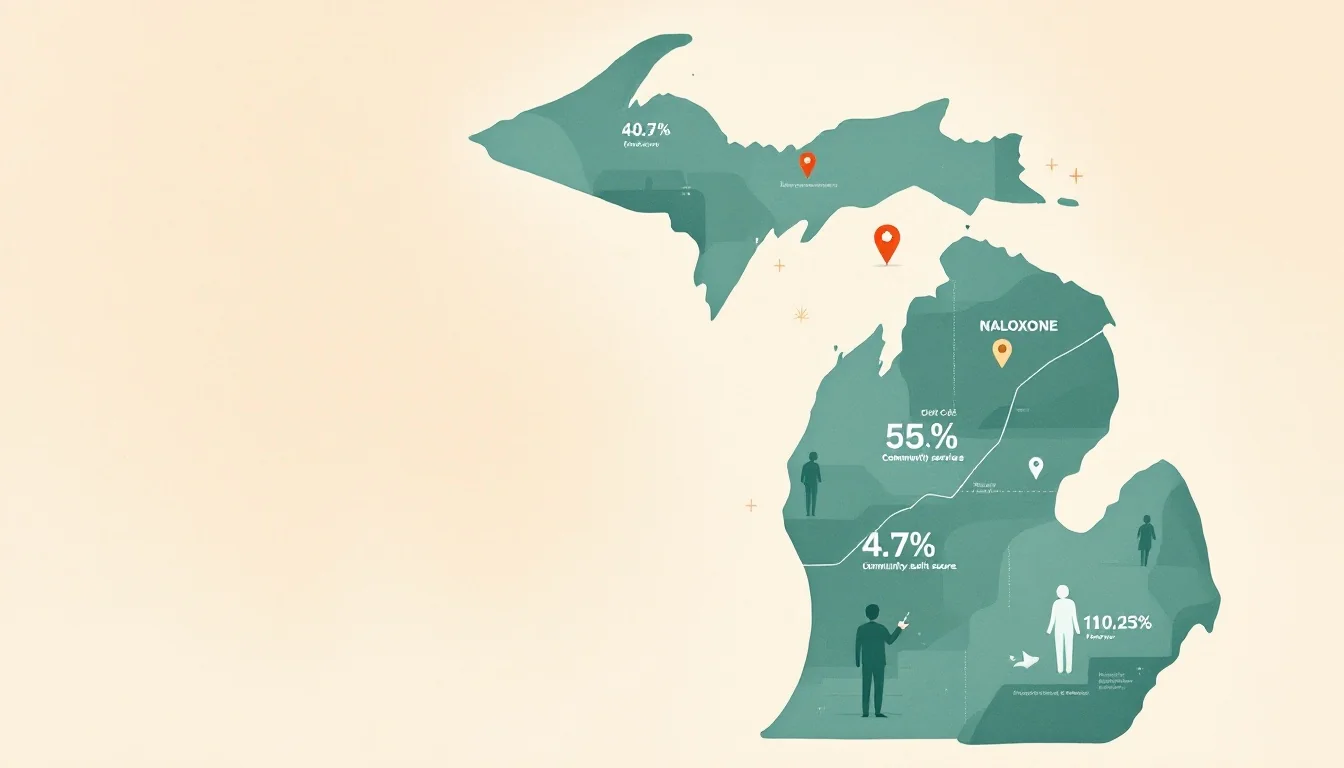
Michigan health officials announce 47% reduction in overdose mortality since 2021 peak, attributing success to expanded naloxone distribution, harm reduction services, and improved treatment access.
University of Colorado researchers develop comprehensive tracking system to measure how opioid settlement funds reduce overdose deaths and improve addiction treatment across the state.

Investigation reveals super-potent synthetic opioids called nitazenes have caused over 1,100 confirmed deaths, with experts warning the true toll could reach 2,000 as these 1950s-era compounds flood the illicit market.

Boston Public Health Commission reports 120 opioid overdose deaths in 2025, a 29% decline from 2024 and 56% drop from the 2023 peak, marking the lowest fatalities in ten years.

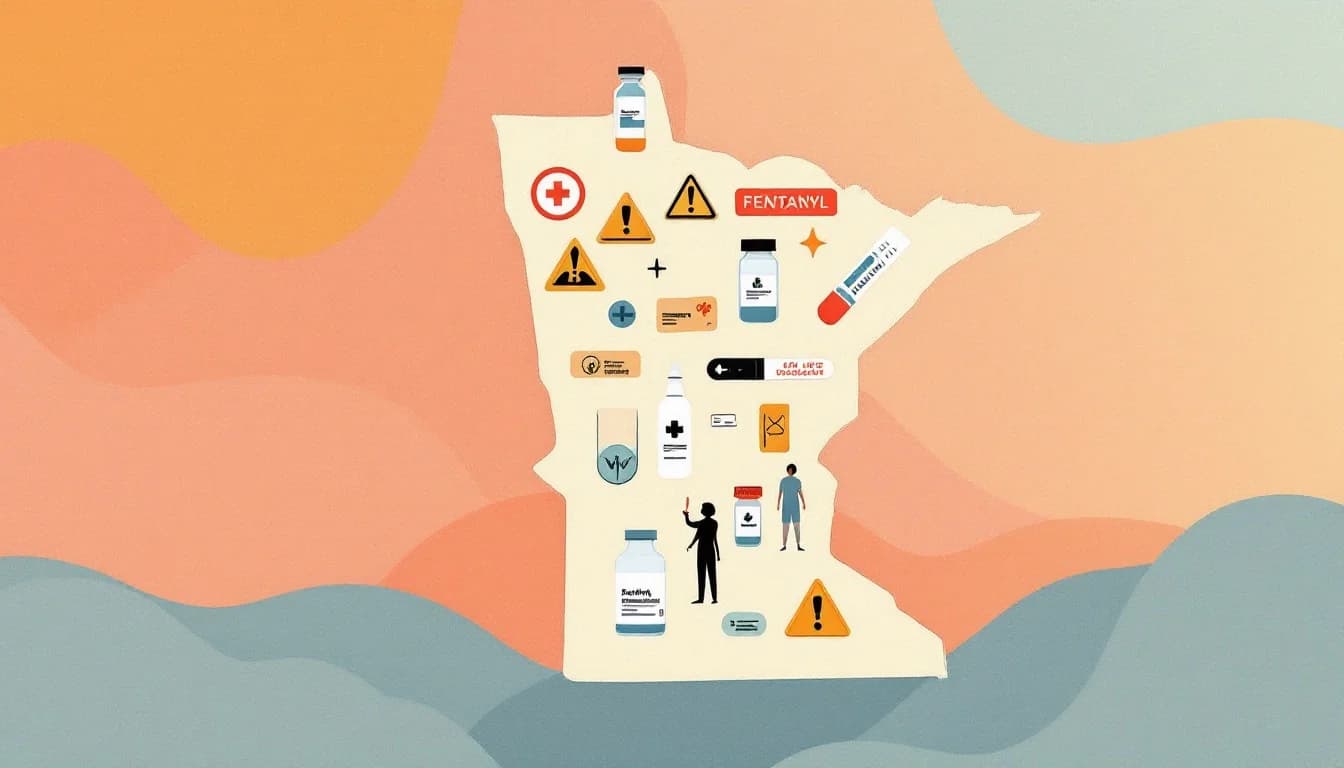
The DEA issues urgent warnings about fentanyl mixed with xylazine and medetomidine—animal sedatives that complicate overdose reversal and create new dangers for people who use drugs.

Philadelphia reports significant progress in reducing overdose deaths, particularly among Black residents who saw a 27% decrease, even as stimulant-related fatalities continue rising.

Machine learning models analyzing electronic health records can identify patients at high risk of fatal overdose up to 12 months before the event, offering a new tool for preventive intervention.

Governor Josh Stein announces sharpest single-year drop in overdose mortality since 2019, highlighting how opioid settlement investments are expanding access to medication-assisted treatment and recovery services across the state.
Michigan Attorney General Dana Nessel unveils a groundbreaking transparency dashboard to track every dollar of opioid settlement funds, setting a new national standard for accountability in addiction crisis response.

Florida reports dramatic 42% decline in opioid-related overdose deaths and 46% drop in fentanyl fatalities, outpacing national improvements and marking significant progress in the state's battle against synthetic opioids.

New CDC data shows drug overdose deaths fell to approximately 70,000 in 2025, marking three consecutive years of decline from the 2022 peak of nearly 110,000 fatalities.

Preliminary 2025 data shows Oregon overdose deaths fell to approximately 1,100 from 1,544 in 2024, marking the state's first year-over-year decline since 2016.

DEA advisory highlights escalating threat from fentanyl combined with cychlorphine, medetomidine, nitazenes, and xylazine—substances that resist naloxone and are driving overdose deaths across multiple states.

A deadly synthetic opioid called cychlorphine, estimated to be 10 times more potent than fentanyl and undetectable by standard test strips, has been linked to dozens of overdose deaths across Tennessee, Arkansas, California, and other states.

Michigan achieves a 35% reduction in opioid overdose deaths since 2023, with preliminary 2024 data projecting fewer than 2,000 fatalities through strategic harm reduction investments and naloxone distribution.

Maryland reports a dramatic 57% reduction in opioid overdose deaths since the pandemic peak, reaching a 10-year low through expanded naloxone distribution, fentanyl test strips, and community-based treatment access.

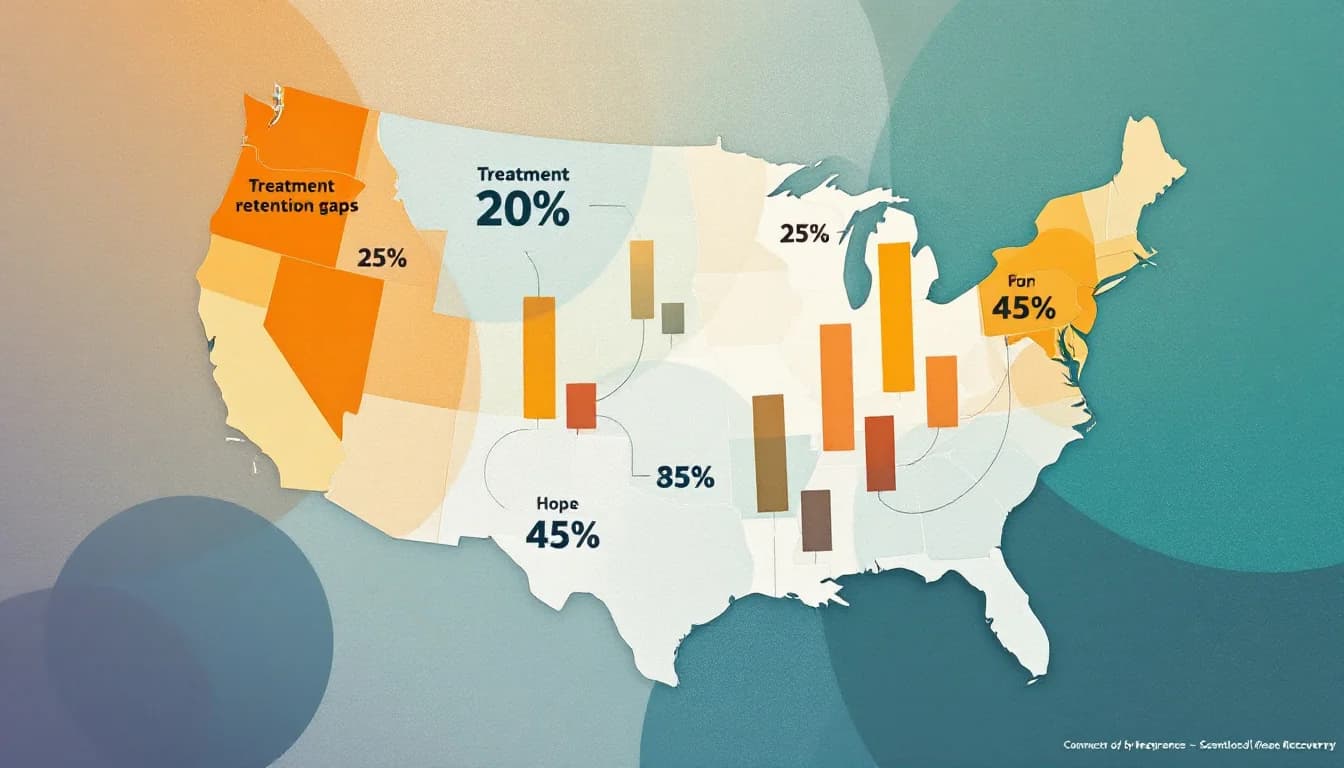
New data shows medication-assisted treatment for opioid use disorder reached 69% among Medicaid beneficiaries by 2023, yet 180-day treatment retention declined from 62.6% to 57.7%.

Austin-area officials credit free naloxone distribution through vending machines and community partnerships for dramatic reduction in fentanyl fatalities.

Kentucky reports fourth straight year of declining overdose deaths with 22.9% reduction in 2025, marking 50.8% decrease from 2021 peak as comprehensive state strategy shows sustained results.

Trump administration proposes national wastewater monitoring and artificial intelligence to track drug use patterns, alongside faith-based treatment expansion and integrated addiction care.

New CDC data shows U.S. overdose deaths fell 15.9% in the past year, but emerging synthetic drugs like medetomidine threaten continued progress

While overdose deaths fell 18% nationally, Colorado saw a 10% increase in fentanyl-related fatalities, with Denver reporting a 25% spike. DEA data reveals the state's unique challenges.

Researchers analyze 569,000 TikTok comments to demonstrate social media data can forecast synthetic opioid mortality with 37% greater accuracy than traditional surveillance methods.

Milwaukee County reports dramatic 42.5% decline in drug overdose deaths since 2022, driven by harm reduction expansion, medication-assisted treatment, and $111 million opioid settlement investment.

Vermont reports dramatic 25% reduction in drug overdose deaths, marking the state's first significant decline in fatal overdoses in 20 years amid national mortality improvements.

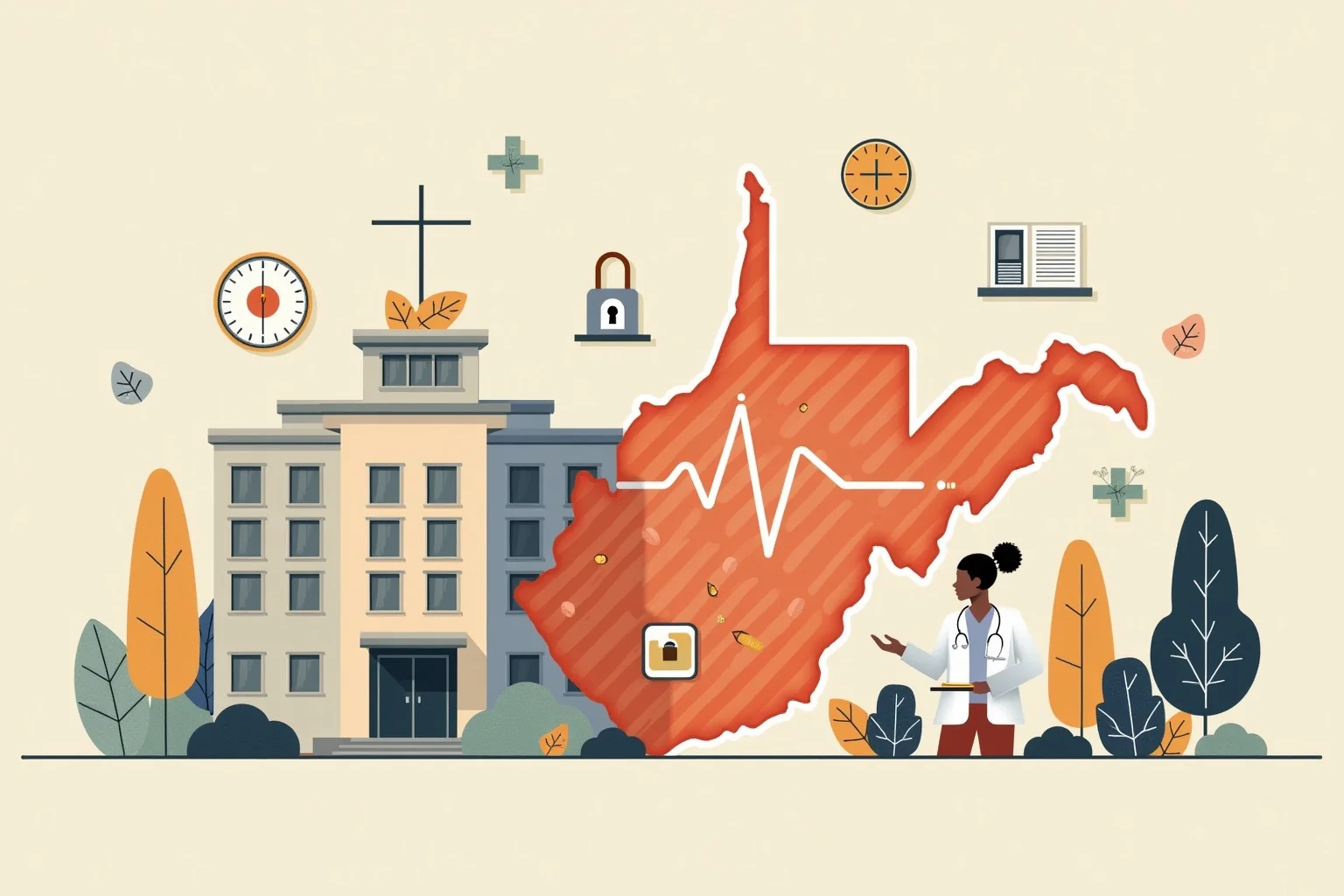
West Virginia reports 48% drop in fatal drug overdoses, exceeding the national decline of 44%, as enforcement and public health efforts converge in the state hardest hit by the opioid crisis.

Health officials confirm first fatal overdose involving N-Propionitrile chlorphine, a potent synthetic opioid undetectable by standard fentanyl test strips.

New research published in JAMA shows the 988 suicide crisis hotline is associated with significant reductions in suicide deaths among young people, with states showing highest call volume experiencing the greatest declines.

New Child Trends analysis shows youth overdose deaths dropped 37% since 2023, with rates now lower than before the pandemic despite fentanyl's continued spread.

Mayor Brandon Scott unveils first annual report and public dashboard tracking how Baltimore invests settlement dollars from opioid litigation into harm reduction, treatment, and community services.

New JAMA Network Open study shows MOUD access among Medicaid beneficiaries rose from 60% to 69% between 2019-2023, with 45 states seeing increases.

JAMA research letter reveals 24.3% decline in long-term opioid therapy from 2015-2023, even as co-prescribing with gabapentinoids rises sharply, raising new safety concerns for chronic pain patients.

DEA reports 1,400 carfentanil identifications in 2025, up from just 54 in 2022. The veterinary tranquilizer, 100 times stronger than fentanyl, is killing unsuspecting users as China cracks down on fentanyl precursors.

JAMA Network Open study finds Medicaid expansion in eight states increased buprenorphine prescriptions by over 21%, with Oklahoma seeing 43% drop in overdose deaths.

New BMJ research finds semaglutide and similar medications associated with 14% reduced risk of developing substance use disorders and 50% fewer deaths among veterans already in treatment.

Northwestern University researchers debunk 2025 drug overdose surge reported by CDC, finding the apparent spike was a modeling error caused by rapid epidemic shifts, not data manipulation or political interference.

House roundtable examines paradox of doubled treatment access, 241% spending increase while depression and suicide reach historic highs. Youth antidepressant prescriptions jump 63%.

WVU leads 18-month statewide assessment to guide how three-quarters of West Virginia's opioid settlement funds will be spent, creating public dashboard to identify gaps and maximize impact.

Indiana University's MACRO-B initiative reduced opioid overdose mortality among Black Indianapolis residents by 45% in two years, now expanding statewide.

Cychlorphine, a novel opioid resistant to standard naloxone doses, has been detected in over a dozen states. Oklahoma confirmed its first death as experts warn the drug may require multiple Narcan doses to reverse overdoses.

Survey of 212 U.S. jails, prisons, and detention centers finds stark regional and facility-type disparities in MOUD access, with post-release mortality 40 times higher than national average.

Psychostimulants, primarily methamphetamine, overtook opioids as Iowa's leading overdose cause in 2024. Without a Narcan equivalent, public health officials confront new treatment challenges.

New federal data reveals historic decline in opioid deaths across all demographics, driven by expanded naloxone access, weaker fentanyl supply, and medication treatment—though Arizona and four other states buck the trend.

Federal funding establishes Pennsylvania Addiction Action Network to coordinate data-driven allocation of settlement funds across all 67 counties as state confronts 4,719 annual overdose deaths.

CDC data shows overdose deaths fell to 68,000 in 12 months ending October 2025, the lowest since 2019, driven by a dramatic decline in fentanyl purity from 25% to 11% as all four waves of the epidemic enter simultaneous decline.

New CDC data reveals West Virginia and Virginia achieved the steepest opioid death declines in America, with drops approaching 49% and outpacing the national 44% reduction.

New national survey reveals 18 states mandate recovery assessments in treatment facilities, but federal reporting burdens and staffing shortages slow broader adoption.