Arizona Launches AI-Powered Locator for Opioid Treatment Providers


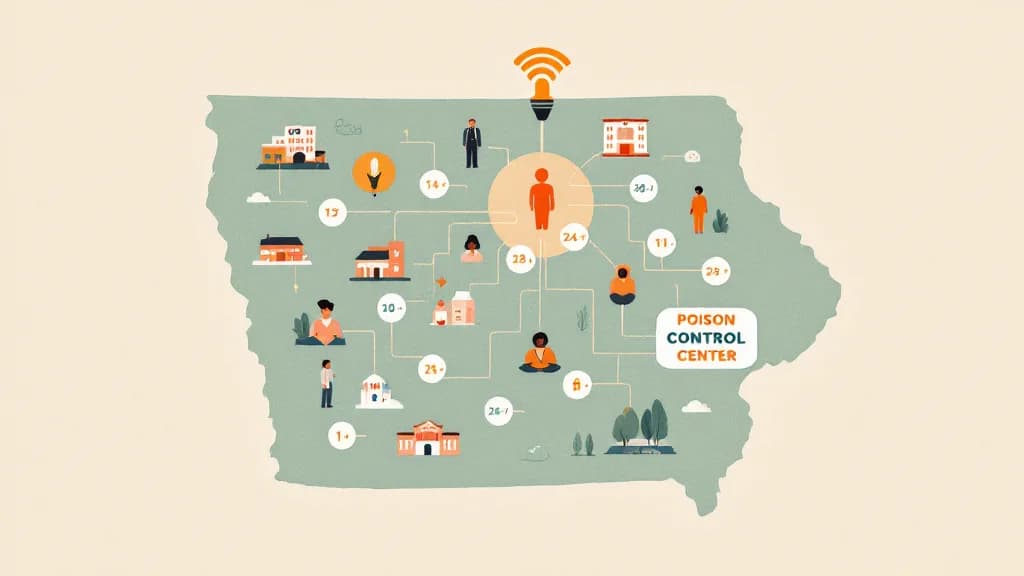
Arizona's Medicaid agency AHCCCS debuts a GenAI locator built on Google's Gemini that connects residents to more than 100 vetted opioid treatment providers.
68 articles found

Arizona's Medicaid agency AHCCCS debuts a GenAI locator built on Google's Gemini that connects residents to more than 100 vetted opioid treatment providers.

The Department of Veterans Affairs is expanding FDA-authorized virtual reality therapy to treat chronic pain in veterans, offering an eight-week home-based program that reduces reliance on opioids.

Study in Drug and Alcohol Dependence finds standard methadone and buprenorphine doses often inadequate for heavy fentanyl dependence, raising treatment retention concerns.
Grand County, Utah demonstrates how rural communities can use opioid settlement funds to create integrated recovery systems combining clinical treatment, peer support, and community-based programs.

DyAnsys Drug Relief receives FDA clearance as a non-narcotic auricular neurostimulation device designed to alleviate opioid withdrawal symptoms during detoxification.

North Carolina's new 2026-2027 state budget allocates $80 million to the Opioid Abatement Fund for addiction treatment, prevention, and recovery services across all 100 counties.

Indivior's decision to pull extended-release buprenorphine from Australia by year-end highlights the unintended consequences of Trump's 'most favoured nations' pricing approach on addiction treatment access worldwide.

The Modernizing Opioid Treatment Access Act 2.0 would allow board-certified addiction physicians to prescribe methadone directly, breaking the monopoly of specialty clinics and bringing treatment closer to patients.

The funding package includes $96 million for the new STREETS program and $612 million for expanded behavioral health services, marking a significant federal investment in street-based outreach and community-wide recovery support.

Landmark BMJ study of 600,000+ veterans finds GLP-1 medications like Ozempic and Wegovy associated with 14-25% lower risk of developing substance use disorders, including alcohol, opioids, and stimulants.

Overdoses accounted for a quarter of 46 in-custody deaths in 2025 as medication-assisted treatment waitlists leave hundreds of inmates without care, despite $8 million in opioid settlement funds earmarked for jail programs.

New research reveals the staggering tolerance levels of people who use illicit fentanyl, explaining why medication-assisted treatment protocols designed for heroin era often fail.
SAMHSA's April guidance cautioning against indefinite methadone and buprenorphine use reignites debate over medication-assisted treatment as overdose deaths decline nationwide.

Governor Hochul announces opening of Kate Rothko Center for Recovery, a 60-bed residential addiction treatment facility combining medication-assisted treatment with expressive arts programming.

A powerful synthetic opioid 10 times stronger than fentanyl has emerged in East Tennessee, claiming more than 50 lives and spreading to multiple states.

Washington University study of 600,000 veterans finds GLP-1 medications like Ozempic and Wegovy associated with reduced risks of substance use disorders and fewer overdoses across alcohol, opioids, nicotine, and other drugs.

Federal researchers receive FDA approval to begin Phase I clinical trial of mitragynine, marking first government-sanctioned human study of kratom's potential therapeutic effects.

Aegis Treatment Centers launches second Mobile Medication Vehicle to bring daily opioid treatment to Amador and Calaveras counties, eliminating geographic barriers in California's Sierra foothills.

Rock Island County uses opioid settlement funds to help RICCA reopen first women's recovery home in nearly 20 years, addressing major service gap for women seeking addiction treatment in western Illinois.

Real-world data shows patients with fentanyl use disorder treated with monthly injectable buprenorphine stayed in treatment longer than those on daily sublingual formulations

Comprehensive Healthcare launches mobile unit in Ellensburg to expand medication-assisted treatment access in Kittitas County, eliminating geographic barriers for rural patients seeking opioid use disorder care.

Louisiana's Jefferson Parish plans to use $65 million in opioid settlement funds for a new drug court, raising questions about whether law enforcement or treatment providers should control addiction crisis resources.

New data from Lancaster County Prison shows medication-assisted treatment for opioid addiction reduced reincarceration rates by nearly 50%, offering a model for correctional facilities nationwide.

A new review reveals that the vast majority of adolescents with opioid use disorder are denied access to life-saving medications like buprenorphine, despite FDA approval and clinical guidelines supporting their use.

SAMHSA's updated guidance states that medication-only models for opioid use disorder are inadequate, reigniting tensions between comprehensive care ideals and the practical realities of treatment access.

Illinois lawmakers approve landmark legislation requiring county jails to provide medication-assisted treatment for opioid use disorder, addressing critical care gaps in correctional facilities.

Groundbreaking initiative brings buprenorphine and counseling to detained individuals, addressing a critical gap in addiction care within the state's criminal justice system.

Real-world evidence demonstrates extended-release buprenorphine significantly reduces opioid relapse, bloodstream infections, and healthcare utilization compared to daily oral formulations.

Ohio's Ibogaine Treatment Study Committee convenes to explore clinical trials for ibogaine-assisted therapy, spurred by Trump's executive order accelerating psychedelic research and veteran advocacy.

DEA advisory highlights escalating threat from fentanyl combined with cychlorphine, medetomidine, nitazenes, and xylazine—substances that resist naloxone and are driving overdose deaths across multiple states.

Kentucky launches statewide recovery housing certification program to address housing instability as primary barrier to sustained addiction recovery, setting standards for sober living facilities.

Maine Attorney General Aaron Frey announces $1 million investment from state's $230 million opioid settlement fund to strengthen Mainspring's integrated recovery support model in Kittery.

New NIH-funded research reveals that oral small-molecule GLP-1 drugs like orforglipron suppress hedonic feeding by modulating the central amygdala, opening potential pathways for treating substance use disorders.

A deadly synthetic opioid called cychlorphine, estimated to be 10 times more potent than fentanyl and undetectable by standard test strips, has been linked to dozens of overdose deaths across Tennessee, Arkansas, California, and other states.

New JAMA Network Open research from Yale brings together 42 national experts to develop consensus guidelines for initiating addiction medications in hospitals as fentanyl transforms treatment protocols

Arizona secures $108 million from the $7.4 billion Purdue-Sackler settlement, bringing the state's total opioid recovery to $1.2 billion amid rising overdose deaths.

Pennsylvania Attorney General Dave Sunday announces $200 million state allocation from $7.4 billion Purdue-Sackler settlement, bringing state's total opioid recovery past $2 billion milestone

Attorney General Jeff Jackson announces North Carolina's share of $7.4 billion national settlement, bringing state's total opioid recovery funds to $1.6 billion for addiction treatment and prevention.

Texas Attorney General Ken Paxton announces $286.5 million state allocation as $7.4 billion Purdue Pharma settlement takes effect, bringing Texas opioid recoveries past $3 billion milestone

The historic $7.4 billion Purdue Pharma and Sackler family settlement becomes legally effective May 1, 2026, with states beginning to receive funds for addiction treatment and prevention programs.

Federal court sentences OxyContin maker to historic penalties, clearing path for bankruptcy settlement that includes $865 million for victims—but many will be shut out under tightened eligibility rules.

Physicians publish urgent editorial urging federal action to protect access to addiction medications during climate emergencies after Hurricane Helene exposed critical gaps.

New data presented at ASAM 2026 shows extended-release buprenorphine (Sublocade) associated with lowest overdose rates among medication options and supports remission as meaningful treatment endpoint.

State regulations force daily clinic visits and limit take-home doses, making medication-assisted treatment more burdensome than federal standards require.

State Senator Pat McMath proposes using unspent opioid settlement dollars to fund clinical research into psychedelic-assisted therapy for veterans, first responders, and people with opioid dependence.

New research reveals 20% of US pharmacies block access to buprenorphine, with independent pharmacies and southern states showing significantly higher refusal rates for this life-saving opioid addiction medication.

JAMA Network Open study finds Medicaid expansion in eight states increased buprenorphine prescriptions by over 21%, with Oklahoma seeing 43% drop in overdose deaths.

Advocates press Congress to expand Veterans Treatment Courts and restore VA benefits access for incarcerated veterans struggling with service-connected mental health and substance use disorders

New research in Journal of Psychiatric Research reveals individuals with opioid use disorder face 1.88 to 4.17 times greater odds of suicidal thoughts, with moderate cases showing highest attempt rates.

New BMJ research finds semaglutide and similar medications associated with 14% reduced risk of developing substance use disorders and 50% fewer deaths among veterans already in treatment.

Mississippi, Tennessee, Texas, West Virginia, Oklahoma, and Missouri are coordinating clinical trials of ibogaine—a Schedule I psychedelic—for opioid addiction and PTSD despite federal restrictions.

Two competing bills represent fundamentally different approaches to kratom policy—one seeks complete prohibition while the other acknowledges harm reduction uses for addiction recovery and pain management.

University of Cincinnati launches one of nation's largest trials pairing weight-loss drugs with proven addiction medication to improve treatment retention and reduce cravings.

New research from Ohio University finds primary care physicians view opioid use disorder as more treatable than diabetes, yet only 8% have ever prescribed buprenorphine, creating treatment deserts in rural America.

Proposed legislation SB 365 mandates that Connecticut emergency departments offer buprenorphine to patients with opioid use disorder, despite hospital opposition citing costs.

New Nature Mental Health study finds combining low-dose ketamine with mindfulness training improves outcomes for people receiving buprenorphine treatment, opening door to psychedelic-assisted interventions

Somerset County commissioners chose to protect a jail Sublocade program with zero overdose deaths over prevention services as opioid settlement funds run short.

New study finds NET Device reduces opioid and stimulant use for 3 months post-treatment, offering hope for polysubstance addiction amid no approved medications for stimulants

Cychlorphine, an emerging synthetic opioid more potent than fentanyl, has been connected to at least 16 overdose deaths in East Tennessee since October. Federal authorities track 22 samples nationwide as harm reduction officials warn naloxone may require multiple doses.

Mississippi Senate passes HB 314, allocating $5M from opioid settlement funds to join Texas and Arizona in FDA clinical trials of ibogaine for opioid addiction and PTSD treatment.

Weill Cornell research shows state laws eliminating insurance prior authorization for buprenorphine don't significantly improve 180-day retention rates, highlighting need for broader policy interventions.

Civil rights lawsuit alleges Missouri DOC and Centurion Health deny life-saving medication to prisoners with opioid use disorder, despite $7M in settlement funds and rampant drug availability.

Washington University analysis of 600,000+ VA patients finds GLP-1s tied to 50% reduction in drug-related deaths and lower risk across alcohol, opioid, cocaine, and nicotine use disorders.

Missouri's Veterans Mental Health Innovation Act would fund FDA ibogaine clinical trials for opioid use disorder and traumatic brain injury, joining Texas and Arizona in breakthrough therapy research.

State programs like Project Nurture combine prenatal care, substance use treatment, and peer support after Oregon data showed mental health and SUD led pregnancy-related deaths.

In a landmark policy shift, the FDA announced it will approve new drugs based on a single rigorous trial plus confirmatory evidence—a change that could accelerate development of therapies for opioid use disorder, alcohol addiction, and stimulant dependence.

New research from Harvard Medical School shows that just 10 yoga sessions can reduce the most severe phase of opioid withdrawal from nine days to five, offering a promising tool for addiction recovery.

New federal rules allow providers to prescribe six-month supply of buprenorphine via audio-only telehealth for opioid use disorder treatment, eliminating pandemic-era restrictions while implementing safeguards.