
Colorado Ends Twelve-Step Requirement for Parolees
Colorado's Department of Corrections will stop requiring parolees to attend Alcoholics Anonymous or Narcotics Anonymous, referring them to peer support networks instead.
October 15, 20264 min read

130 articles found
Colorado's Department of Corrections will stop requiring parolees to attend Alcoholics Anonymous or Narcotics Anonymous, referring them to peer support networks instead.

Los Angeles County health officials say the medical examiner identified cychlorphine, a synthetic opioid more potent than fentanyl, in the county's first fatal overdose.

Jose Llerena, 49, admitted paying recruits to pose as patients at South Florida clinics so a pharmacist already convicted of illegal dispensing could fill their prescriptions.
FAIR Health's annual Opioid Tracker update shows commercially insured opioid use disorder diagnoses rose 32.7% from 2022 to 2025, with Tennessee highest.

CVS agreed to pay $315 million to resolve Justice Department claims that it illegally filled opioid prescriptions and billed federal health programs from 2013 to 2025.

Montana prosecutors charged a Great Falls addiction counselor with felony Medicaid fraud, the second case against a city treatment provider this year.

Future Directions, a peer-run recovery space in Lakewood, Ohio, will stop operating in 2027 after the Cuyahoga County ADAMHS Board ended its $428,000 grant.

NYC Mental Health Connect, funded with $5 million from New York State, lets residents search more than 600 behavioral health providers by insurance and language.

A UT Southwestern feasibility trial found an accelerated theta-burst stimulation course was tolerable in methamphetamine use disorder, with early craving reductions.

Fargo's Veterans Treatment Court held its grand opening Oct. 9 at the Cass County Courthouse, joining Grand Forks and a new veterans court in Oneida County, New York.

Hawaii Virtual Care launched a statewide virtual intensive outpatient program for substance use and mental health amid a 39 percent psychiatrist shortage.

Volunteers of America opened a 19-bed recovery house on Indianapolis's north side where mothers in treatment can live with their children for up to a year.

A commentary in Supportive Care in Cancer argues that linking opioid doses to pain, not fixed schedules, may separate therapeutic use from addiction risk.

The Brain & Behavior Research Foundation awarded 180 Young Investigator grants worth over $12.5 million, with half of the projects focused on depression or schizophrenia.

Construction is well underway on a 60-bed detox and residential treatment center in Henrico County, Virginia, proposed in 2020 as an alternative to a third jail.

Maryland-based R&S Holdings bought Innovo Detox, a 52-bed detox and residential facility in Abbottstown, adding medically supervised withdrawal to its network.
A survey of 855 U.S. primary care and emergency physicians finds more addiction training is linked to less stigma toward patients with substance use disorders.
A JAMA Psychiatry analysis of 2021-2023 federal survey data found mental health and substance use disorder care totaled $174 billion, or 7% of US medical spending.
New Jersey will pay nearly $666,000 to two nonprofit health centers that combine addiction and mental health treatment with primary care at the same location.
An Arkansas appeals court affirmed that AIG units and dozens of excess insurers owe Walmart a defense in more than 2,400 opioid lawsuits.
Indiana estimates 58,000 Healthy Indiana Plan members are not meeting the work requirements taking effect Jan. 1, 2027, and officials call the number rough.
Michigan's Ingham County health department reported a rise in non-fatal overdoses from Oct. 2 to 4, including one suspected death, and sent teams out with naloxone.
A Northwestern study in the journal Brain found long-term prescription opioid users reported the same back pain as matched patients taking none.

A rapid review of 57 studies finds Housing First programs house adults with substance use and mental health needs more reliably than treatment-first models.

Louisiana health officials confirmed cychlorphine in at least two overdose deaths since December 2025 and warned the potent opioid may require repeated naloxone doses.

Pasquotank County's new recovery court held its first session Oct. 6, offering treatment instead of prison with funding from North Carolina's opioid settlement.
A practical checklist for evaluating addiction treatment centers — licensing, accreditation, evidence-based care and real costs — plus the red flags to walk away from.
In interviews with 20 people recovering from opioid use disorder, Johns Hopkins researchers found 70% reached a rock bottom but only 10% said it drove them to stop.
Osceola County schools will install vape detectors at 19 campuses with $191,885 in opioid settlement funds, aiming to cut vaping referrals by 25%.
The Pennsylvania House voted unanimously for House Bill 2657, which would register kratom sellers, bar sales to minors and ban synthetic 7-OH products.
Missouri will not adopt federal short-term hardship exemptions from Medicaid work requirements starting Jan. 1, 2027, citing existing medically frail and caregiver pathways.

Oklahoma's attorney general opened a new round of opioid abatement grants for public schools, technology centers and colleges, worth $105,000 to $900,000 each.
Federal and local agencies launch an overdose task force in San Antonio, where police respond to about 150 overdose calls a month, and announce the first charges.

Assembly Bill 1556, signed Sept. 29, makes drug-free recovery housing eligible for California's homelessness funding after Newsom vetoed a similar bill in 2025.

In mice, deleting the EphB1 receptor made morphine relieve pain more effectively by keeping mu-opioid receptors on the surface of nerve cells.

An Epic Research analysis of 13,533 patients found those diagnosed with gambling disorder were far more likely to carry depression, anxiety and substance use diagnoses.
A stopgap funding bill pushed the start of the federal ban on intoxicating hemp-derived THC from Nov. 12 to Dec. 11, giving Congress weeks to weigh regulation over prohibition.

Fifteen former residents told InvestigateWest that 5Rock Ranch, an unlicensed Christian recovery ministry in Yamhill, Oregon, harmed them rather than helped.
A state-commissioned report found Oregon directed $39 million of $1.5 billion in two years to prevention, and that most school districts lack required plans.

A Rutgers-led analysis of 1.1 billion fills found dispensing of Xanax, Valium and similar sedatives dropped from 7.5% to 5.5% of the population.

The EEOC says the shipbuilder withdrew job offers from five applicants who take prescribed buprenorphine, violating the Americans with Disabilities Act.

Jerry Jones III, a former emergency physician, admitted trading buprenorphine and stimulant prescriptions worth nearly $295,000 in mobile payments.

In a pilot study, adults in addiction treatment reported lower cravings after music therapy sessions, with measurable shifts in EEG brain activity.
HHS selected eight communities, from Huntington, West Virginia, to the Cherokee Nation, to share $96 million over four years for street-based addiction and homelessness care.

A federal complaint accuses an Oxford, Mississippi, vape shop clerk and his son of selling a kratom product tied to the death of Ole Miss student Aidan Hamilton.

The 2026 Indiana Youth Survey of 53,879 students found vaping, alcohol and binge drinking at their lowest levels since current methods began in 2015.
Montana begins enforcing Medicaid work requirements October 1, requiring nearly 71,000 enrollees to document 80 hours a month or prove a medical-frailty exemption.

UC San Diego receives a five-year, $12.6 million NIDA award to launch the Polysubstance Addiction Research Center studying cocaine, opioids and alcohol.

California's governor signed laws expanding first responder referrals and family input for CARE Court, while bills tying the court to conservatorships died in committee.

A DEA administrative law judge stayed the marijuana rescheduling case after opponents moved to add a GAO report on gaps in federal drug scheduling to the record.
State regulators are reviewing whether a Santa Monica sober living home operated as an unlicensed addiction treatment facility before a resident's fatal overdose.
Packaged kratom was found at the scenes of two University of Mississippi student deaths, prompting arrests, a mayoral warning, and renewed state ban efforts.
A UC San Diego study in the journal Addiction finds 11.4% of adults 65 and older who used cannabis in the past year met criteria for cannabis use disorder.

NET Recovery's wearable neurostimulation device receives FDA Breakthrough Device Designation for stimulant addiction, where no drug or device is currently approved.

A Roanoke research team wins federal funding to test whether psilocybin-assisted therapy can treat cocaine use disorder, for which no FDA-approved medication exists.

SAMHSA awards $42.3 million in block-grant supplements and $2 million to the ATTC Network to advance the 'Treatment First' model for homelessness and addiction.

Bipartisan bill from Senators Hassan and Scott would create one centralized application for federal addiction prevention, treatment and recovery grants.

HHS awards Alabama, Kansas and West Virginia $500,000 each in supplemental SAMHSA grants to build faith-based substance use prevention partnerships for youth.
HHS awarded $383.4 million in SAMHSA grants on 988 Day: $252 million for 988 and crisis services, $81.4 million for substance use treatment and prevention.

Pennsylvania's high court is weighing a joint-use defense to drug delivery resulting in death charges, filed more than 680 times statewide from 2021 to 2025.

The Centers' $36 million Glick Recovery Campus begins 24/7 walk-in crisis care Sept. 28 in Cleveland, expecting to serve 12,000 people a year.
DEA temporarily places mitragynine pseudoindoxyl, MGM-15, and MGM-16 in Schedule I after linking compounds to 64 fatal overdoses, targeting flavored products sold online and in gas stations.

New NIDA research shows cannabis use disorder increased from 15.3 million to 19.4 million adults between 2021-2024, linked to higher THC concentrations and expanding legalization.
FDA clears IND application for ANS-858, a first-in-class ALDH2 inhibitor targeting pathological craving in alcohol and substance use disorders, clearing path to Phase 1 trials.

HHS Secretary RFK Jr. and HUD Secretary Scott Turner release a 40-page toolkit promoting a 'treatment first' approach to homelessness and addiction, contrasting with traditional 'housing first' models.

President Trump proclaims August 2026 as National Substance Use Primary Prevention Month, emphasizing evidence-based prevention strategies and the HALT Fentanyl Act.

2025 NSDUH data shows only 16% of people with substance use disorders received treatment, with the most common barrier being the belief they could handle it on their own.

A UGA survey of 1,600 people in 13 Southern states finds mental health workers hold more stigmatizing views of opioid addiction than the general public.

Maryland's 2024-2025 youth survey shows high school vaping down nearly 45% since 2018, while 31.7% of high schoolers report persistent sadness or hopelessness.

North Dakota banned kratom under a public health emergency order, with a Sept. 2 special legislative session set to make the prohibition permanent.
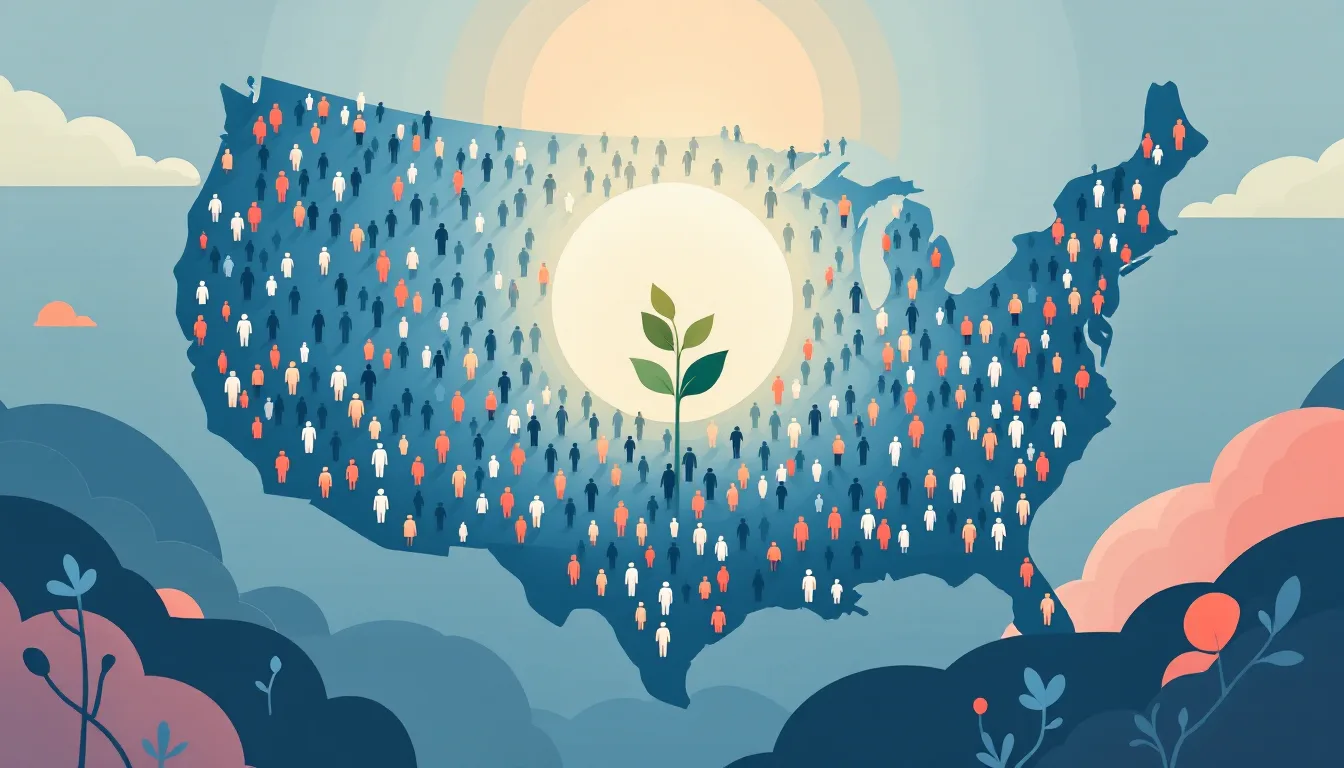
2025 National Survey on Drug Use and Health reveals 44.6 million Americans have substance use disorder, with marijuana use disorder rising to 19.3 million cases while alcohol use disorder declines.

The Cherokee Nation is investing $6.5 million in opioid settlement money to expand its Coming Home reentry program, including $4 million for transitional housing for formerly incarcerated tribal citizens.

National Survey on Drug Use and Health 2025 data reveals declining rates of adolescent drug use, depression, and suicidal thoughts, though treatment access gaps persist for millions.
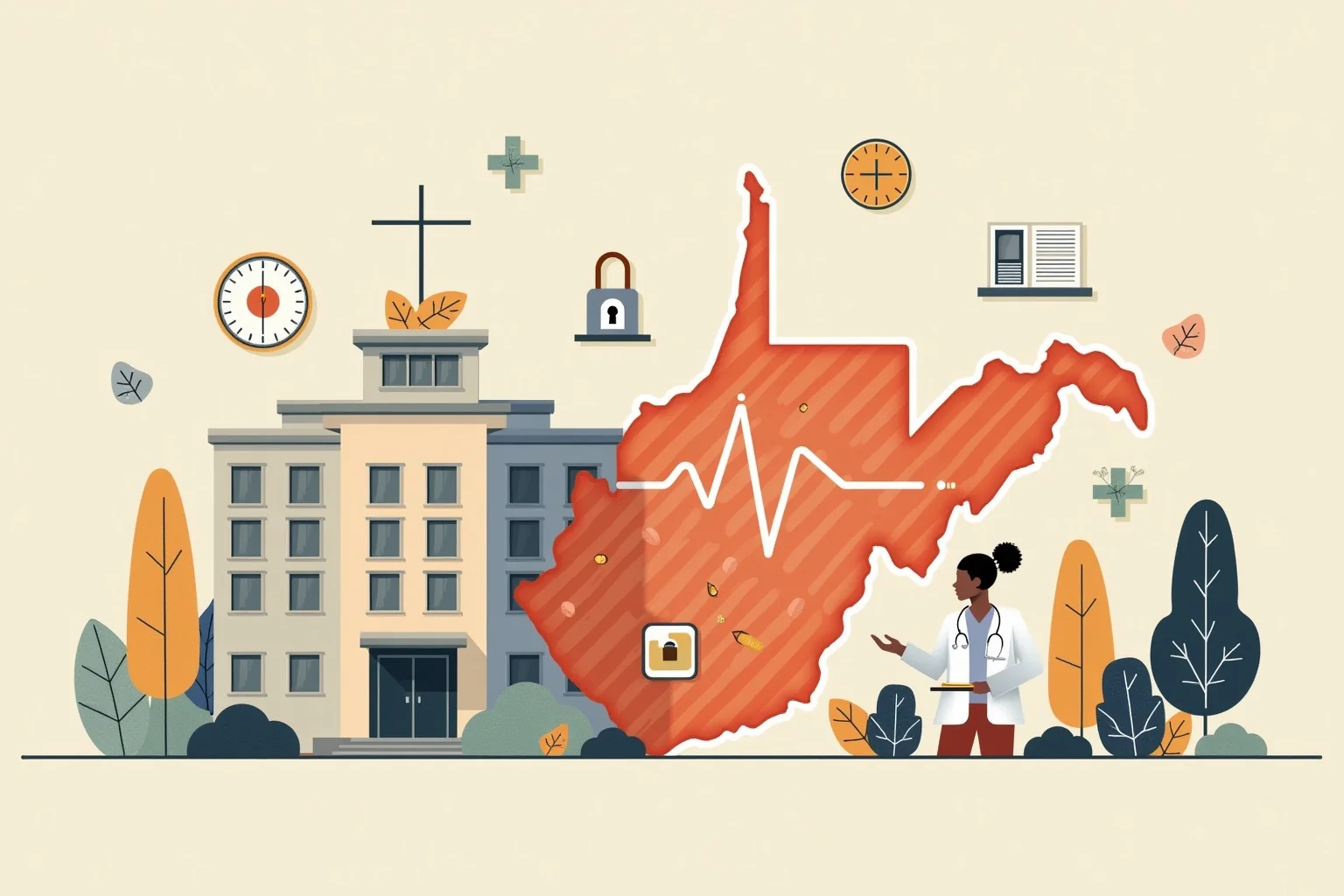
WVU Health System settles for $4.1 million after years of unreported employee painkiller thefts, exposing systemic failures in controlled substance oversight.

New York's Governor signed a law letting the state's mental health and addiction agencies set a single licensing standard for integrated care of co-occurring disorders.

California says 97.7% of licensed retailers now comply with its kratom and 7-OH ban, pulling 6,960 products from shelves as the DEA moves to schedule the compounds.
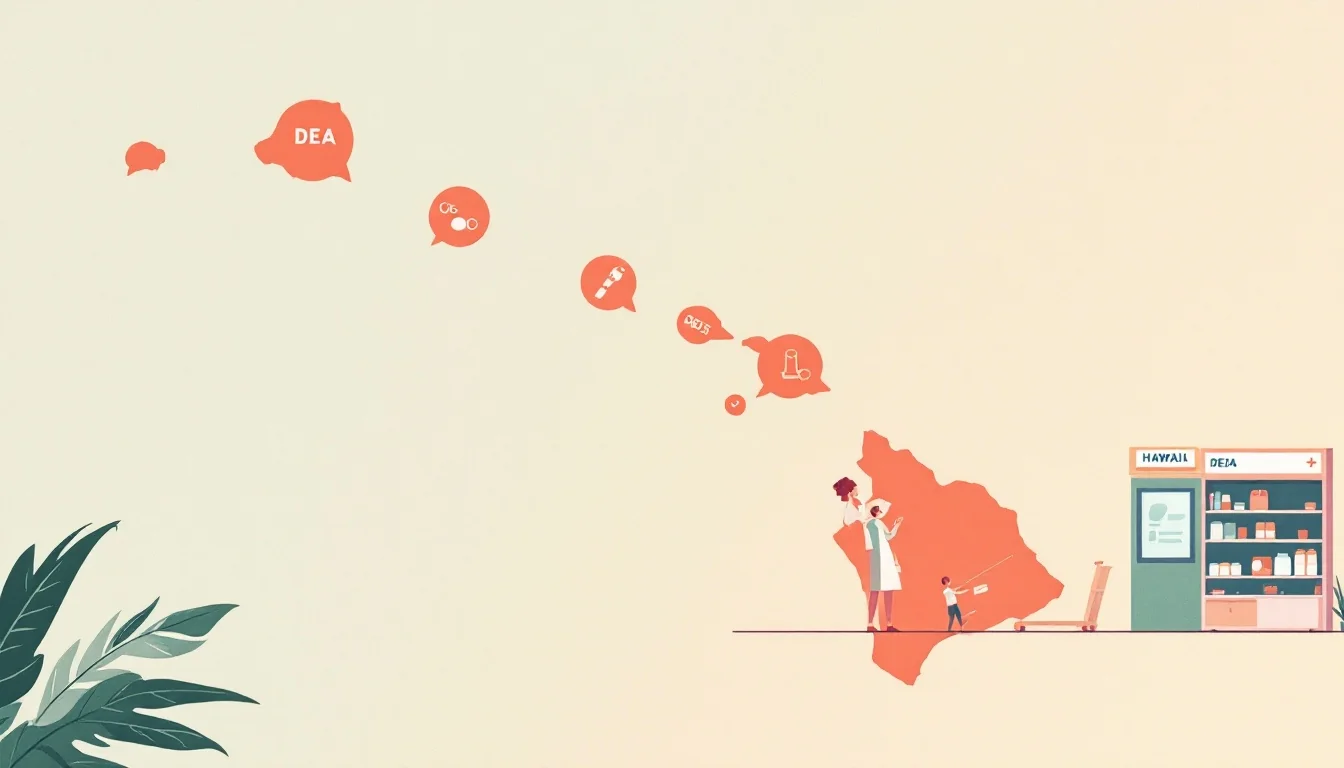
DEA files notice of intent to classify 7-OH and synthetic compounds as Schedule I drugs, targeting products currently sold over the counter in Hawaii with no age restrictions.
Phase 3 trial shows Eli Lilly's oral GLP-1 drug orforglipron delivers superior blood sugar control and weight loss compared to oral semaglutide.

Governor Mike Kehoe vetoes $1 million in opioid settlement funds for teen prevention programs, cutting school-based early intervention services as Missouri faces rising overdose risks.

Baltimore City Health Department alerts clinicians and community to rising threat of medetomidine, a veterinary sedative 100-200x more potent than xylazine, now detected across Maryland's illicit drug supply.

DEA files intent to temporarily place 7-hydroxymitragynine and three synthetic derivatives into Schedule I, targeting enhanced kratom products HHS says fuel addiction and pose public health risks.
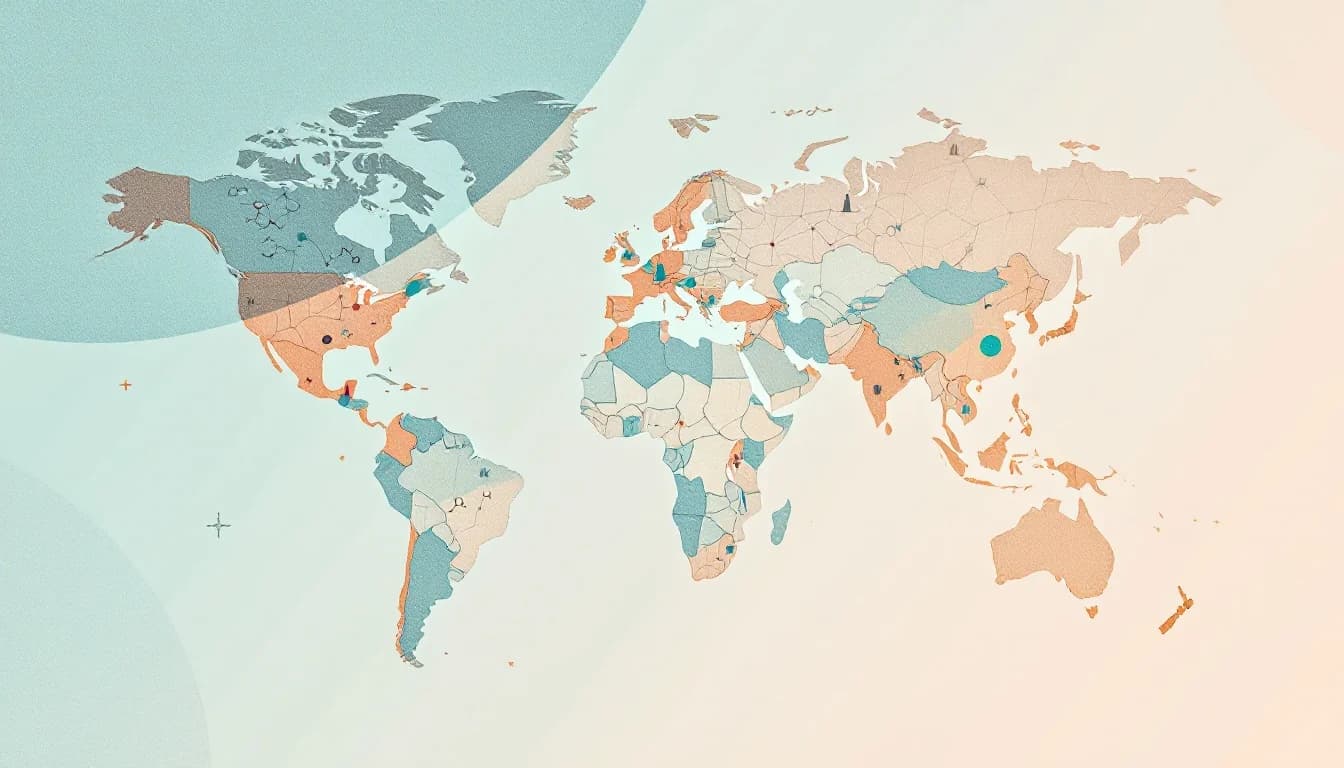
UNODC World Drug Report 2026 reveals 1 in 16 people worldwide now use drugs, with synthetic opioids like fentanyl, nitazenes, and orphines replacing heroin and creating unprecedented public health risks.

Attorney General Kris Mayes allocates opioid settlement money to five rural counties for programs helping formerly incarcerated individuals find stability after release.

Investigation reveals super-potent synthetic opioids called nitazenes have caused over 1,100 confirmed deaths, with experts warning the true toll could reach 2,000 as these 1950s-era compounds flood the illicit market.

New research demonstrates that VR-based cue exposure therapy can effectively reduce cravings in people with substance use disorders, offering a scalable digital health intervention.

A new Federal Register notice invites patients, providers, and researchers to tell HHS which addiction treatment programs deserve federal support — with a July 5 deadline and a clear policy direction already visible between the lines.

Washington University study of 600,000 veterans finds GLP-1 medications like Ozempic and Wegovy associated with reduced risks of substance use disorders and fewer overdoses across alcohol, opioids, nicotine, and other drugs.

Republican Representative Jaime Green proposes using Michigan's opioid settlement dollars to fund clinical trials of ibogaine, a psychedelic compound showing promise for treating PTSD and addiction in veterans.

Federal researchers receive FDA approval to begin Phase I clinical trial of mitragynine, marking first government-sanctioned human study of kratom's potential therapeutic effects.

Landmark UC San Diego research finds U.S. overdose deaths fell 24.4% in 2024, marking the first decline across all four waves of the addiction crisis, though stimulant-only deaths and racial disparities persist.

Acting Attorney General moves FDA-approved and state-regulated medical marijuana to Schedule III, with broader rescheduling hearings set for June 29, 2026.

Philadelphia reports significant progress in reducing overdose deaths, particularly among Black residents who saw a 27% decrease, even as stimulant-related fatalities continue rising.
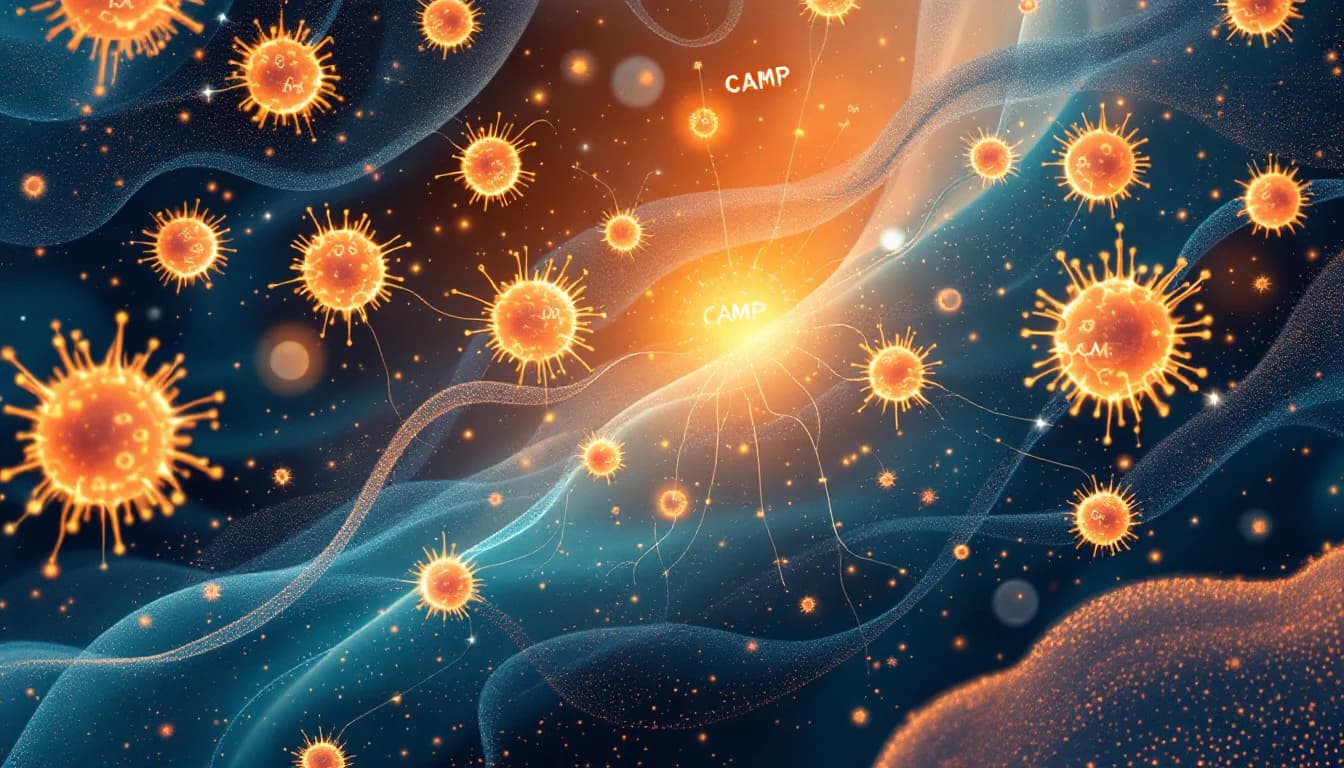
New NIH study reveals how cAMP signaling in brain neurons drives GLP-1 weight-loss effects, identifying a pathway to potentially extend treatment duration and break through patient plateaus.

Xylazine, a veterinary tranquilizer increasingly mixed with fentanyl, is creating unprecedented challenges for overdose reversal and wound care across the United States.

The largest federally recognized tribe opens a 100-bed residential facility in Tahlequah, Oklahoma, integrating stickball, traditional gardening, and cultural practices into addiction recovery.

Louisiana legislature moves to authorize state-funded research into ibogaine, psilocybin, and MDMA for treating substance use disorders and PTSD, joining growing national movement.

Mississippi State Department of Health scales innovative addiction treatment program statewide using Epic EHR technology to identify risk earlier and reduce barriers to care in rural communities.

BGSU researchers analyzing syringes from Ohio needle exchange programs discovered dangerous Candida fungus in 86% of samples, plus a soil bacterium that could lead to new treatments

Investigation reveals Indiana municipalities spent over $300,000 of opioid settlement funds on bodycams, vape sensors, and solar eclipse meals instead of addiction treatment.

New Jonesboro facility addresses critical treatment gap in one of Georgia's most underserved regions, offering medically supervised detox and residential care amid rising overdose rates.

Minnesota lawmakers vote 114-15 to legalize regulated psilocybin-assisted therapy, making the state the fourth in the nation to authorize supervised psychedelic treatment for mental health and substance use disorders.

University of Alabama at Birmingham study published in JAMA Network Open finds psilocybin-assisted therapy significantly improved abstinence rates among individuals with cocaine use disorder, offering hope for a condition with no FDA-approved medications.

New NIH-funded research reveals that oral small-molecule GLP-1 drugs like orforglipron suppress hedonic feeding by modulating the central amygdala, opening potential pathways for treating substance use disorders.

Historic expansion of Wisconsin's oldest women's addiction treatment facility addresses critical waitlist of 100+ people, funded by opioid settlement dollars and private philanthropy.

New Hope Valley facility offers residential detox, trauma therapy, and holistic wellness for Alaska's veterans and active-duty members in a state with the highest per-capita veteran population.

Nevada expects $57.9 million over 15 years from the $7.4 billion Purdue Pharma and Sackler family settlement, bringing the state's total opioid settlement recovery to over $1.2 billion.

New Mexico becomes testing ground for SAMHSA-vetted digital recovery platform with dedicated teen version, offering 24/7 peer support and crisis intervention through smartphones.

New Child Trends analysis shows youth overdose deaths dropped 37% since 2023, with rates now lower than before the pandemic despite fentanyl's continued spread.

UC San Diego and SDSU study of 2.8 million students finds local flavor bans reduce e-cigarette use by 20% with no increase in cigarette smoking, challenging industry arguments.

Wake Forest research reveals e-cigarette taxes reduced vaping among heterosexual teens by 3-4 percentage points, yet had no effect on LGBQ youth who use nicotine to cope with bullying and emotional distress.

New ASAM Criteria volume establishes dedicated clinical standards for youth SUD treatment, emphasizing brain development, family engagement, and integrated mental health care

DEA reports 1,400 carfentanil identifications in 2025, up from just 54 in 2022. The veterinary tranquilizer, 100 times stronger than fentanyl, is killing unsuspecting users as China cracks down on fentanyl precursors.

More than 200 residents protest proposed 122-bed addiction treatment facility funded by California's Proposition 1, highlighting tensions between statewide mental health expansion and neighborhood concerns
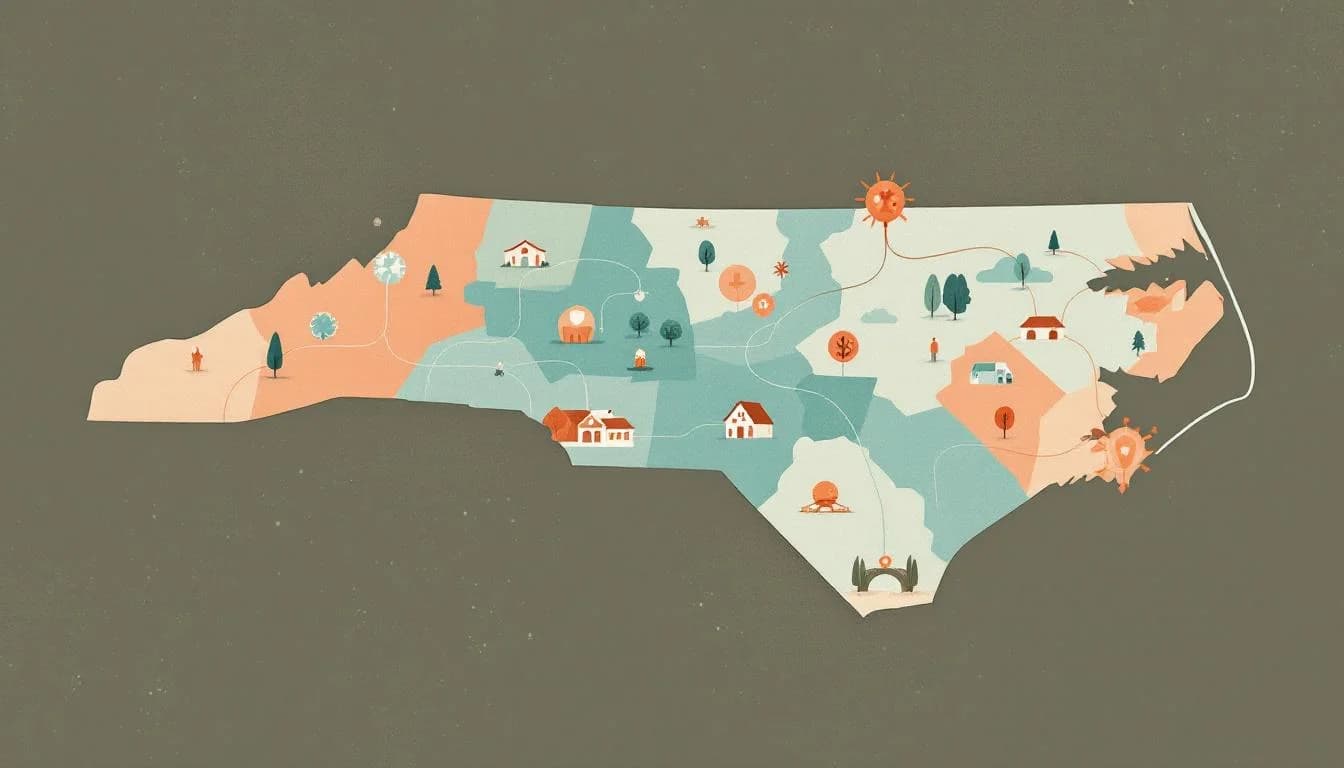
North Carolina awards federal block grants to 12 community organizations for rural treatment, crisis response, and justice-involved recovery programs targeting 1.4 million residents with substance use disorders.

Ann Arbor-based online addiction provider now treats kratom and 7-hydroxymitragynine dependence through app-based platform, addressing regulatory gap as FDA restricts potent derivatives but leaf products remain unregulated nationwide.

American Society of Addiction Medicine releases first comprehensive update to youth substance use disorder treatment standards in over a decade, addressing telehealth, trauma-informed care, and medication access.

Swedish registry analysis of 100,000 individuals finds GLP-1 medications reduce depression by 44%, anxiety by 38%, and substance use disorders by 47%.

AB 602 requires California public universities to provide addiction treatment rather than punishment when students seek help for overdoses, effective July 2026.
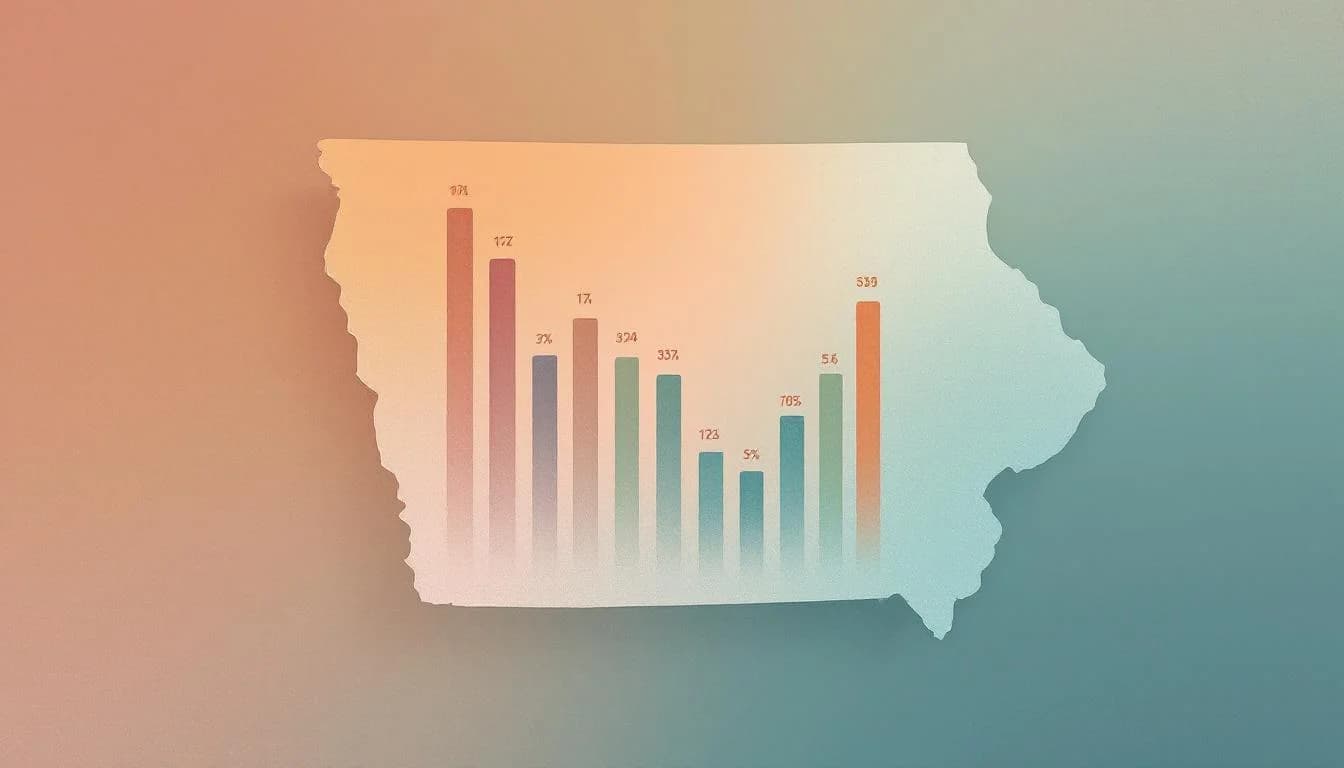
Psychostimulants, primarily methamphetamine, overtook opioids as Iowa's leading overdose cause in 2024. Without a Narcan equivalent, public health officials confront new treatment challenges.
Bipartisan DETECT Nitazenes Act introduced in Congress would enhance detection technology for emerging class of synthetic opioids linked to over 1,000 deaths in UK.

New study finds NET Device reduces opioid and stimulant use for 3 months post-treatment, offering hope for polysubstance addiction amid no approved medications for stimulants

Eight new mental health and drug treatment facilities will receive Proposition 1 funding, including sobering centers and residential programs across the Bay Area

VA study of 600,000 patients finds GLP-1 medications like Ozempic reduce substance use disorder risk by 15-20%, suggesting a common biological pathway underlying all addictions.

New national survey reveals 18 states mandate recovery assessments in treatment facilities, but federal reporting burdens and staffing shortages slow broader adoption.

Washington University analysis of 600,000+ VA patients finds GLP-1s tied to 50% reduction in drug-related deaths and lower risk across alcohol, opioid, cocaine, and nicotine use disorders.

Washington University research shows uMAT-R app reduced opioid and drug use by 50% in people experiencing housing insecurity, addressing critical gap in treatment access.

In a landmark policy shift, the FDA announced it will approve new drugs based on a single rigorous trial plus confirmatory evidence—a change that could accelerate development of therapies for opioid use disorder, alcohol addiction, and stimulant dependence.

As cocaine and methamphetamine become contaminated with fentanyl, researchers argue that contingency management and culturally adapted harm reduction are essential—yet remain vastly underutilized across the United States.

Digital therapeutics for substance use disorders are gaining traction as researchers identify key strategies to improve engagement and outcomes, with apps reaching patients beyond traditional clinic walls.

New Jersey lawmakers unanimously approve trio of bills to regulate addiction treatment industry, addressing concerns raised in 2024 state investigation into facility operations and peer recovery programs.