
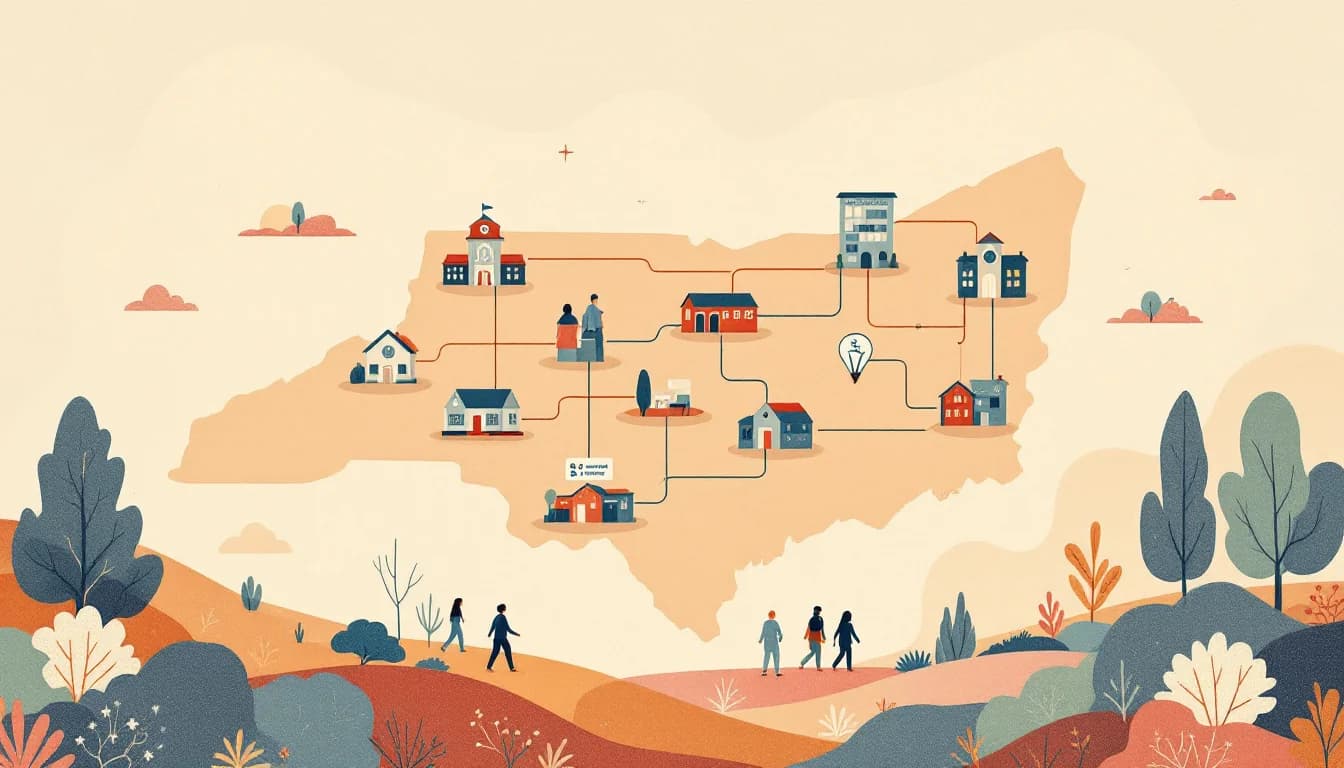
Oklahoma Opens Opioid Settlement Grants to Schools and Colleges
Oklahoma public schools, technology centers and state higher education institutions can begin applying for a new round of grants financed by the state's opioid litigation settlements, with awards ranging from $105,000 to $900,000 over three years depending on the type of institution and the size of the population it serves.
The application window opened on Oct. 1 and closes Nov. 30, according to the Oklahoma Attorney General's Office. The state's Opioid Abatement Board will review submissions from Dec. 1 through Feb. 28, 2027, and is expected to announce recipients in March or April.
What the money may be spent on
Approved uses must line up with one of eight priority strategies the board has defined for opioid abatement, among them school-based prevention programs, family skills training and naloxone distribution. The grants are meant to reduce opioid misuse and overdose deaths rather than to fund general school operations.
Earlier rounds have financed a range of school projects. Moore Public Schools used abatement money to build an alternative-to-suspension program that keeps students in class when they are sent home for substance-related offenses. Norman Public Schools put its grant toward added resources for struggling students, and districts in Garvin County used theirs for prevention lessons.
"Schools are often the first line of defense when it comes to protecting young Oklahomans from the dangers of opioids," Attorney General Gentner Drummond, who chairs the Opioid Abatement Board, said in announcing the round.
Where the money comes from
The grants are funded by settlements with drugmakers, wholesalers, pharmacies and other businesses that the state says contributed to the opioid epidemic. Oklahoma has been awarded at least $920 million through those agreements, according to the Attorney General's Office.
So far the board reports distributing nearly $42 million to more than 150 political subdivisions, including cities, counties and schools. The most recent round, awarded in August, totaled $12 million to 24 recipients. Before that, the board issued $12.1 million to 84 recipients in 2024, $17.6 million to 45 recipients in 2025, and $2.2 million this year to colleges and universities after lawmakers made higher education eligible in 2025 through Senate Bill 574.
Who is eligible and how to apply
Public school districts, technology centers and state higher education institutions may apply. The state has tried to lower the barrier for applicants that have no dedicated grant writer on staff. Drummond's office said it hired five new positions this year to help the board distribute settlement money and has begun sending monthly newsletters to prospective applicants, along with a compliance guide for those that receive awards.
Even small abatement grants can be hard for a rural district to administer, and the board has drawn criticism in past cycles for rejecting most applicants before reworking its process. The office says it does not want districts to be discouraged from applying.
The larger abatement picture
Oklahoma is one of many states distributing opioid settlement money through structured grant programs, and education has become one of the more common targets. Prevention spending is one of the few categories that reaches people before an overdose occurs, though researchers have long cautioned that school-based programs vary widely in evidence and quality.
The grants are meant to sit alongside treatment infrastructure the state also funds, including medication-assisted treatment and community opioid treatment programs. Whether the school round translates into durable reductions in youth opioid use will not be visible for years; the board's own deadline puts the first new awards in the spring of 2027.
Sources
Editorial Board
Editorial review using SAMHSA, CDC, CMS, and state agency sources
The NWVCIL editorial team reviews and updates treatment-center information using public data from SAMHSA, CDC, CMS, and state behavioral-health agencies. We cross-check facility records, state coverage rules, and clinical-practice updates so the directory reflects current evidence and policy.
Related Articles
Missouri Governor Vetoes $1 Million in Opioid Settlement Funds for Teen Prevention Programs
Governor Mike Kehoe vetoes $1 million in opioid settlement funds for teen prevention programs, cutting school-based early intervention services as Missouri faces rising overdose risks.

Arizona Directs $10 Million in Opioid Settlement Funds to Rural Sheriff Reentry Programs
Attorney General Kris Mayes allocates opioid settlement money to five rural counties for programs helping formerly incarcerated individuals find stability after release.

Indiana Communities Struggle to Spend Opioid Settlement Funds Amid Lack of State Oversight
Investigation reveals Indiana municipalities spent over $300,000 of opioid settlement funds on bodycams, vape sensors, and solar eclipse meals instead of addiction treatment.