NYC Makes Its Cash-for-Syringes Buyback Program Permanent
New York City budgeted $3 million a year for a program that pays 20 cents per used syringe and has collected more than 2.3 million needles in 16 months.
216 articles found

New York City budgeted $3 million a year for a program that pays 20 cents per used syringe and has collected more than 2.3 million needles in 16 months.

California says 97.7% of licensed retailers now comply with its kratom and 7-OH ban, pulling 6,960 products from shelves as the DEA moves to schedule the compounds.

New Mexico reports 900 overdose deaths in 2025, a 21% increase while national fatalities drop 14%. Fentanyl drives crisis in Rio Arriba, Santa Fe, and Taos counties with 65%+ spikes.

Veterinary sedative medetomidine, 100-200 times more potent than xylazine, is appearing in Minnesota's illicit fentanyl supply, creating naloxone-resistant overdoses and severe withdrawal symptoms.

SAMHSA bans federal funding for clean needles and syringe services while cutting agency staff by half, alarming addiction treatment providers.

Washington Attorney General opens trial against Albertsons, alleging pharmacy chain failed to prevent opioid misuse while prioritizing prescription volume over patient safety.

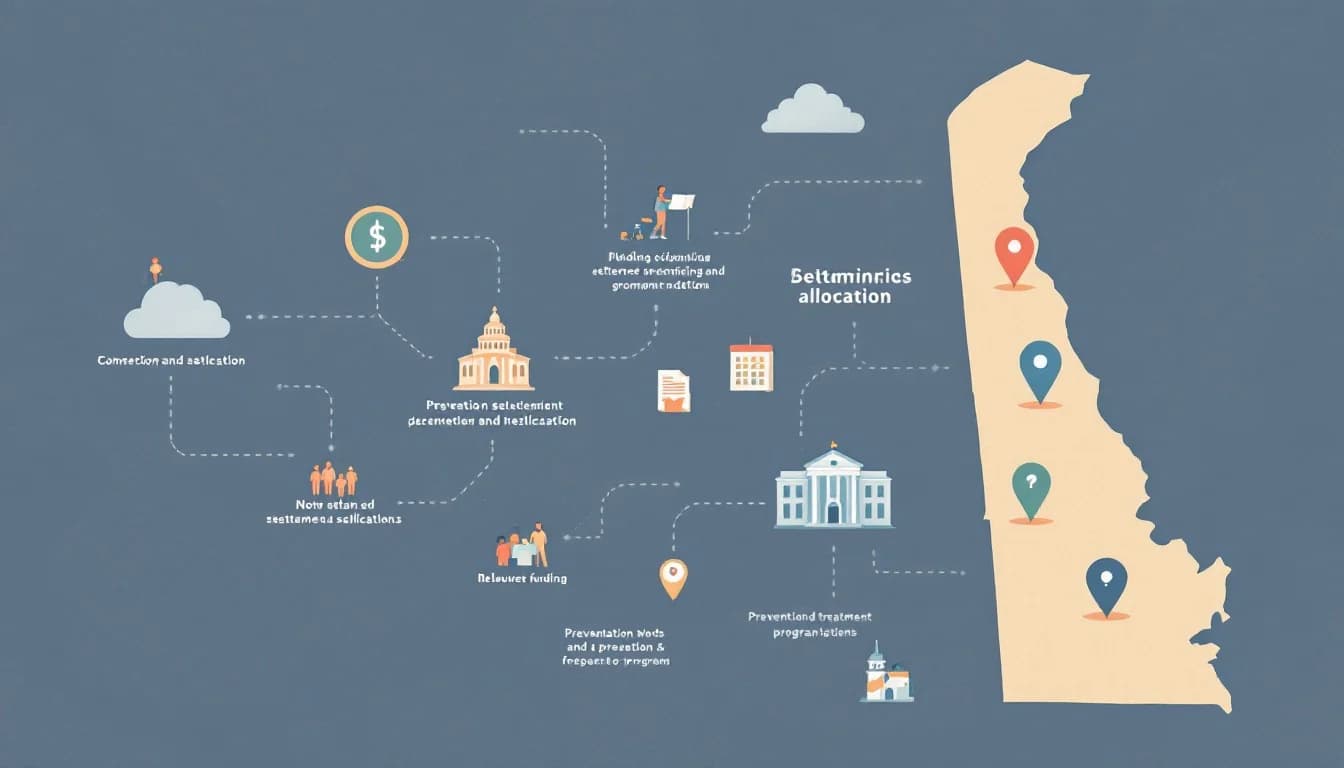
Delaware Opioid Settlement Commission launches fourth competitive grant round with $12.75 million available for prevention, treatment, harm reduction, and recovery support programs.

Manatee County, Florida reports dramatic 56% decline in opioid overdose deaths through coordinated naloxone distribution, expanded treatment access, and peer recovery support programs.

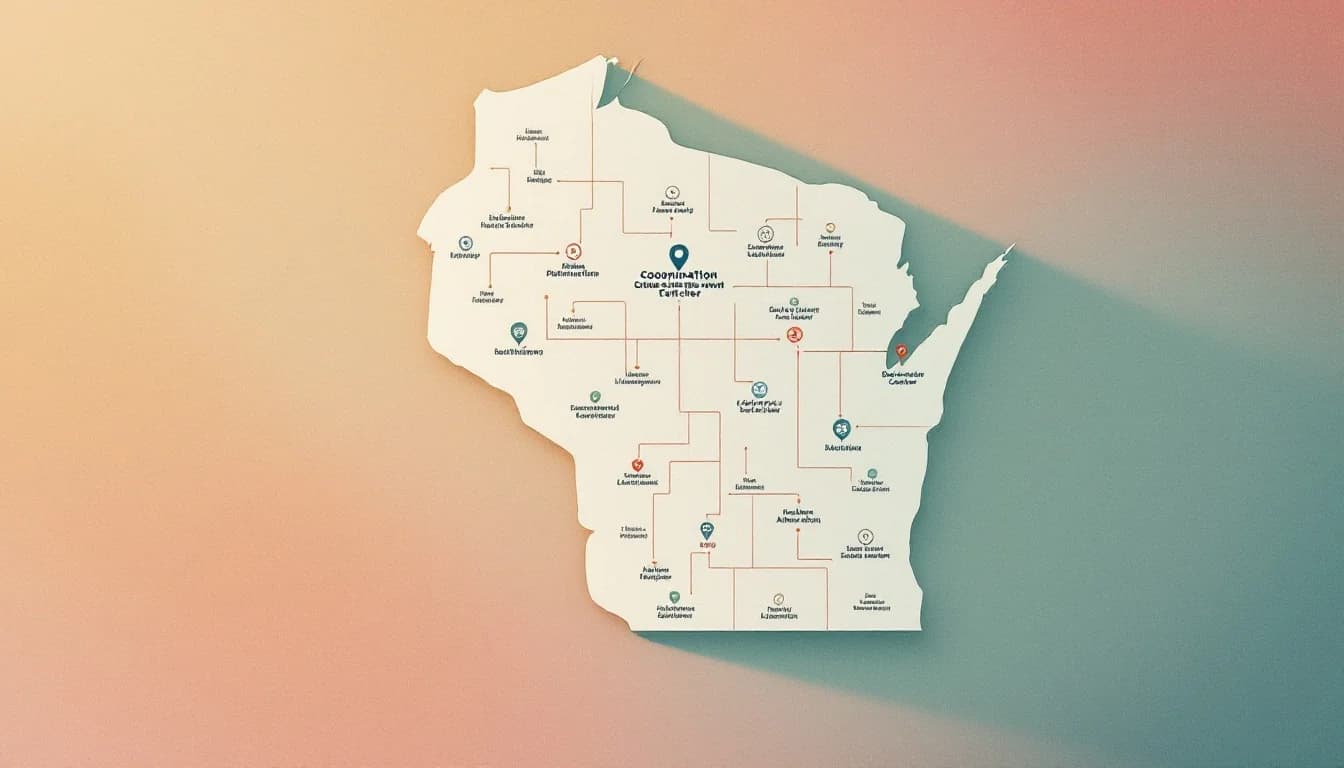
Wisconsin Watch investigation reveals $160 million in opioid settlement funds received by local governments, with 16 municipalities yet to spend any allocations.

Shasta County Jail partners with Mediko to launch medication-assisted treatment for substance use disorders and prepares for California's CalAIM reentry initiative.

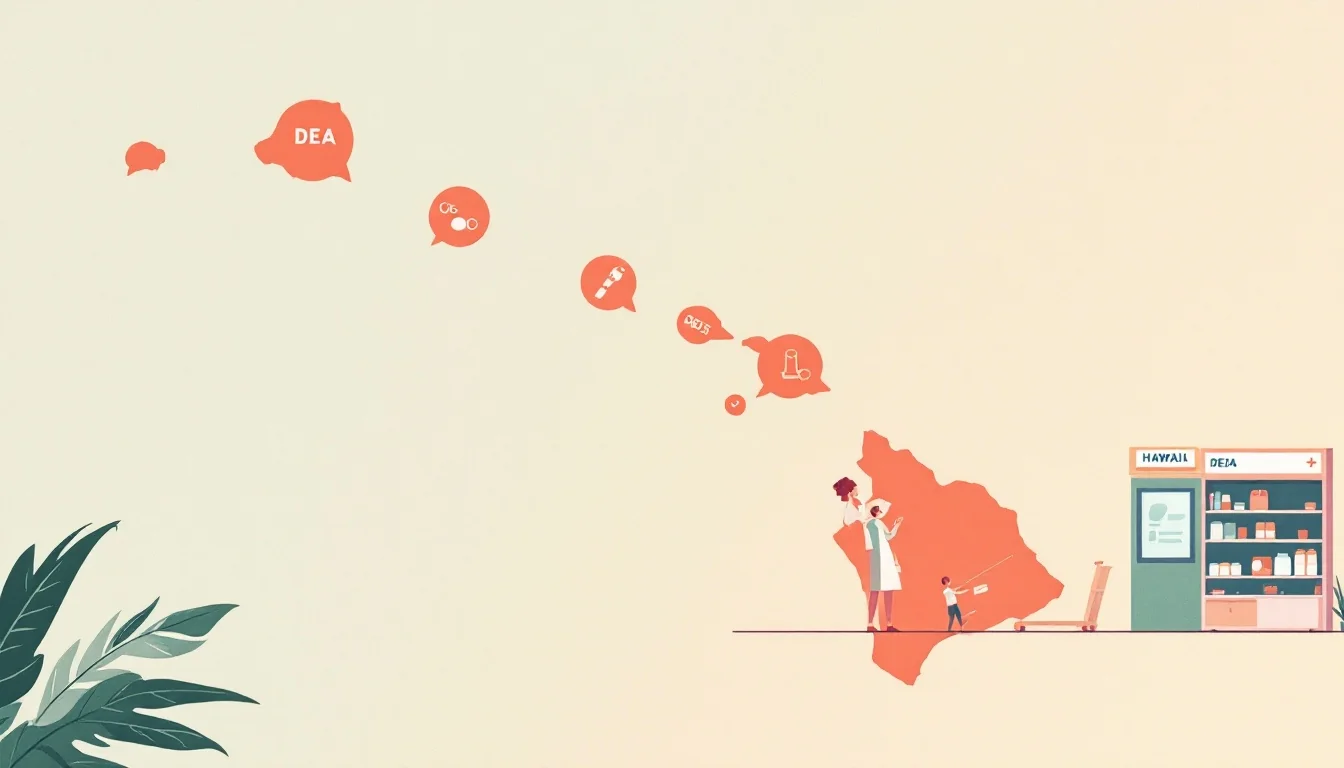
DEA files notice of intent to classify 7-OH and synthetic compounds as Schedule I drugs, targeting products currently sold over the counter in Hawaii with no age restrictions.

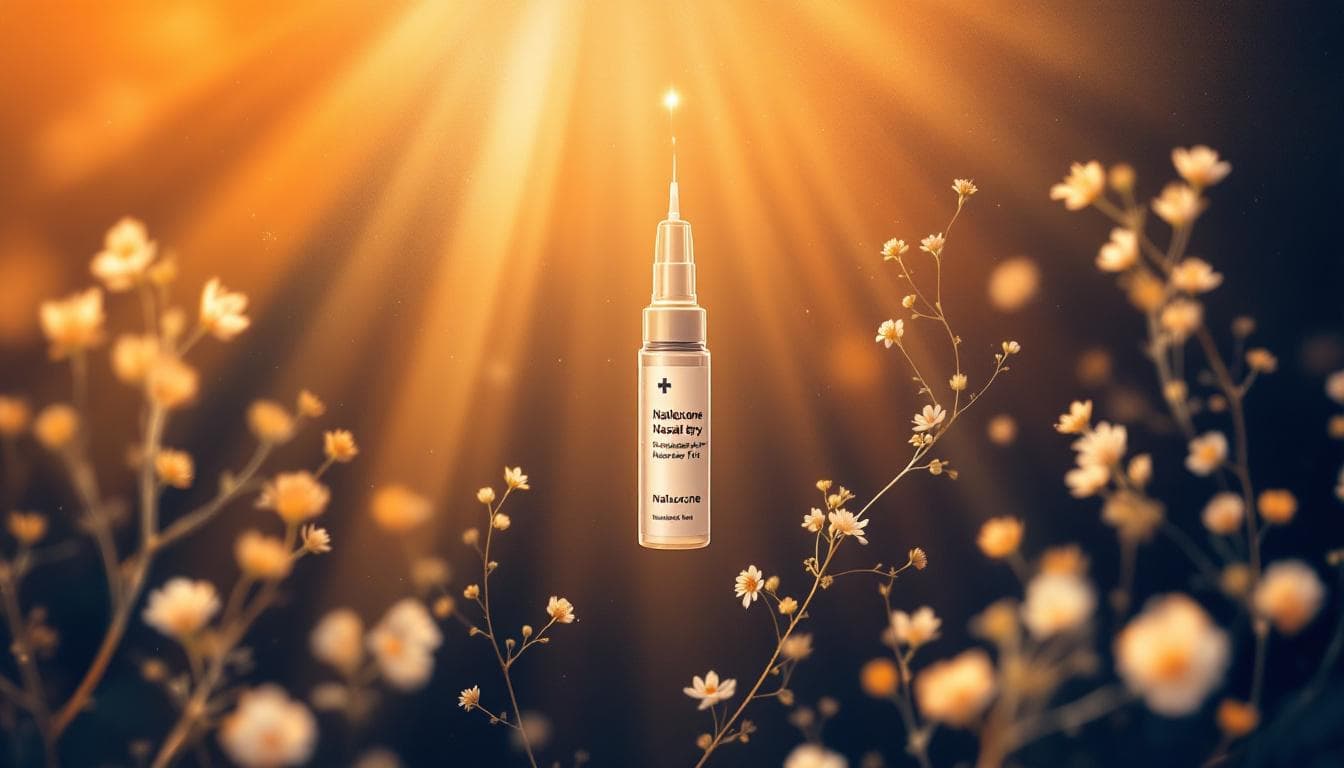
Scienture Holdings begins shipping REZENOPY, a 10mg naloxone nasal spray—the highest FDA-approved dose—bringing a new overdose reversal option as fentanyl deaths decline nationwide.

DEA announces emergency Schedule I scheduling for investigational opioid compounds SR17018, SR-14968, R-6890, and 5,6-dichloro-brorphine, raising concerns about impact on pain medication research.

Wisconsin reports 1,185 drug overdose deaths in 2024, a 33% decline from 2022 peak, as naloxone distribution and medication-assisted treatment expansion show measurable results.

South Carolina reports 1,481 drug overdose deaths in 2024, a 31.3% decrease from 2023, with fentanyl remaining the primary contributor to fatalities.

Attorney General Phil Weiser awards $12 million to 27 organizations through the Resilient Colorado Grant, investing opioid settlement funds in community-led prevention and recovery programs.

JAMA study finds most 8th-graders and one-third of high schoolers underestimate fentanyl's lethal risk, highlighting dangerous knowledge gaps as drug overdoses rank third in youth deaths.

SAMHSA announces over $281 million in funding opportunities across 15 grant programs to expand medication-assisted treatment, overdose prevention, and mental health services nationwide.

Georgia Senate Bill 6 legalizes possession of fentanyl testing strips starting July 1, 2026, removing a key barrier to overdose prevention in a state hit hard by the opioid crisis.

Kentucky Center for Economic Policy finds 90% of opioid settlement dollars remain unspent three years after distributions began, with half of local governments reporting zero expenditures in FY 2025.

Governor Mike Kehoe vetoes $1 million in opioid settlement funds for teen prevention programs, cutting school-based early intervention services as Missouri faces rising overdose risks.

North Carolina's new 2026-2027 state budget allocates $80 million to the Opioid Abatement Fund for addiction treatment, prevention, and recovery services across all 100 counties.

Foundation for Opioid Response Efforts awards grant to Kachemak Bay Recovery Connection as part of $3.7 million nationwide investment in community-based addiction treatment infrastructure.

CDC reports lowest U.S. death rate in over a century, driven by 14% decline in drug overdose deaths and improved public health interventions nationwide.

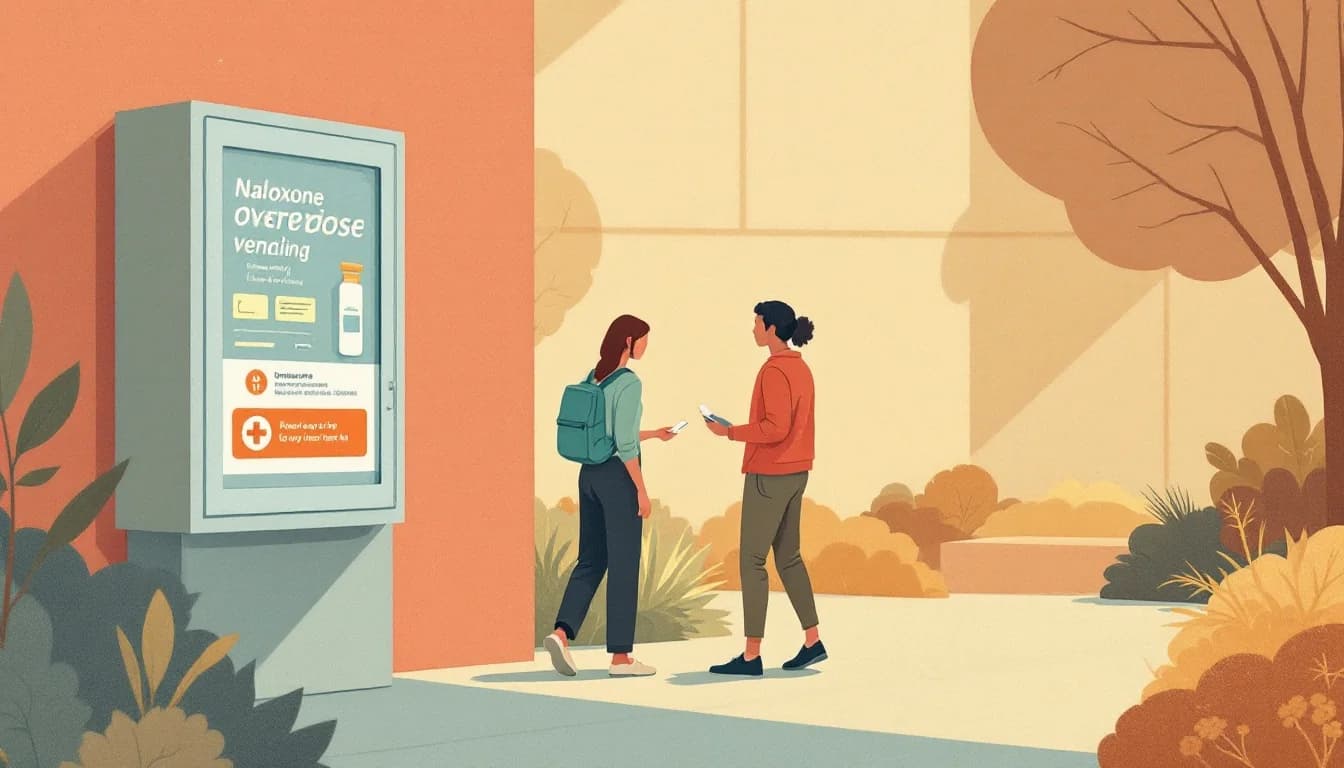
Howard County, Maryland deploys free naloxone vending machines providing 24/7 anonymous access to overdose reversal medication and drug testing supplies.

Baltimore City Health Department alerts clinicians and community to rising threat of medetomidine, a veterinary sedative 100-200x more potent than xylazine, now detected across Maryland's illicit drug supply.

DEA files intent to temporarily place 7-hydroxymitragynine and three synthetic derivatives into Schedule I, targeting enhanced kratom products HHS says fuel addiction and pose public health risks.

Hawaii's pioneering syringe exchange program sees dramatic decline in needle swaps as fentanyl users increasingly prefer smoking over injection, prompting statewide harm reduction policy shift through Act 106.

CDC informs state and local health programs they must agree to new Trump administration priorities within days, including deprioritizing harm reduction and housing-first strategies proven to reduce drug overdoses.

New York City opens first public health vending machines on Staten Island, providing free naloxone, fentanyl test strips, and harm reduction supplies around the clock using opioid settlement funds.

Oklahoma's law protecting harm reduction organizations expires July 1, 2026, halting a program that distributed 1.25 million syringes and reached 8,800 people over five years.

Chicago and suburban Cook County report largest overdose death reduction of any U.S. county, with deaths falling from 1,961 in 2022 to 1,138 in 2024 through strategic harm reduction and naloxone distribution.

Illinois reports dramatic 36% decline in opioid overdose deaths from 2023 to 2024, with synthetic opioid fatalities down 38%. The reduction reflects sustained investments in naloxone distribution, harm reduction, and treatment access.

Michigan awards $3.75 million in opioid settlement grants to 12 organizations focused on youth substance use prevention, targeting early intervention to reduce lifetime addiction risk.

UNODC World Drug Report 2026 reveals 1 in 16 people worldwide now use drugs, with synthetic opioids like fentanyl, nitazenes, and orphines replacing heroin and creating unprecedented public health risks.

Idaho Behavioral Health Council recommends directing opioid settlement funds toward rural areas, first responder support, and workforce development as state considers 46 project proposals.

Powerful veterinary tranquilizer medetomidine causes life-threatening withdrawal symptoms in incarcerated individuals, overwhelming jails ill-equipped to treat complex opioid dependence

Attorney General Raúl Torrez launches criminal probe into claims that DEA agents allowed hundreds of thousands of fentanyl pills to reach Albuquerque streets as state leads nation in overdose death increases.

New CDC data reveals 9,651 overdose deaths in hotels and motels from 2022-2024, with 56% involving local residents. Report highlights critical gaps in bystander response and naloxone access.

Rural Kentucky communities are using opioid settlement money to fund comprehensive harm reduction centers that provide everything from naloxone to housing assistance, demonstrating a sustainable model for addressing addiction in underserved areas.

Los Angeles County reports 6% decline in drug overdose deaths for 2025, marking three years of progress as fentanyl fatalities drop 10% and harm reduction programs show results.

New Hampshire Senators Jeanne Shaheen and Maggie Hassan reintroduce landmark legislation that would authorize over $65 billion in federal funding over ten years to expand addiction treatment, prevention programs, and workforce development nationwide.

New AI screening and multi-layer approval process creates unprecedented backlog affecting opioid treatment, suicide prevention, and disease surveillance programs nationwide.

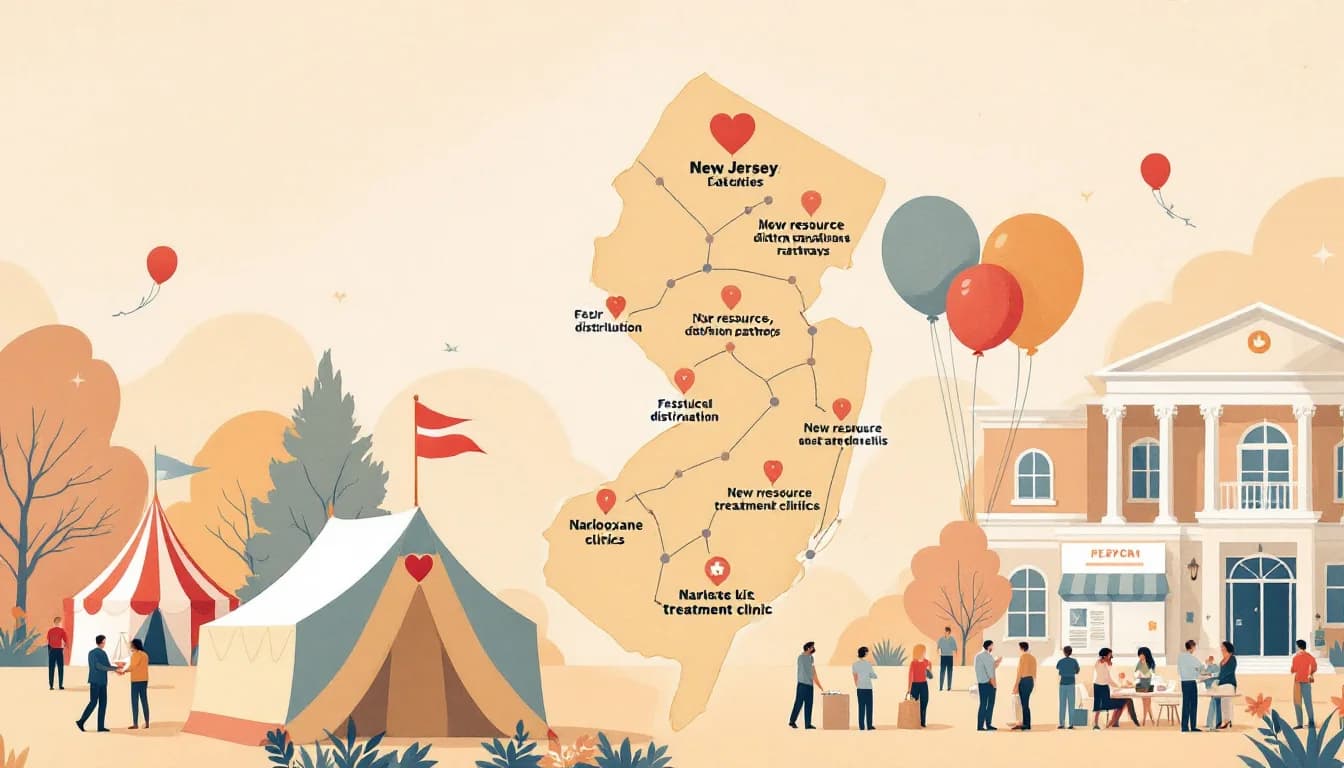
CDC provisional data shows New Jersey achieved a 22% decline in drug overdose deaths in 2025, outpacing the national average and marking the lowest fatalities since before the pandemic.

USF researchers collaborate with Pasco County's Opioid Abatement Task Force to conduct comprehensive behavioral health system analysis and develop data-informed roadmap for strategic settlement fund allocation.

Attorney General Kris Mayes allocates opioid settlement money to five rural counties for programs helping formerly incarcerated individuals find stability after release.

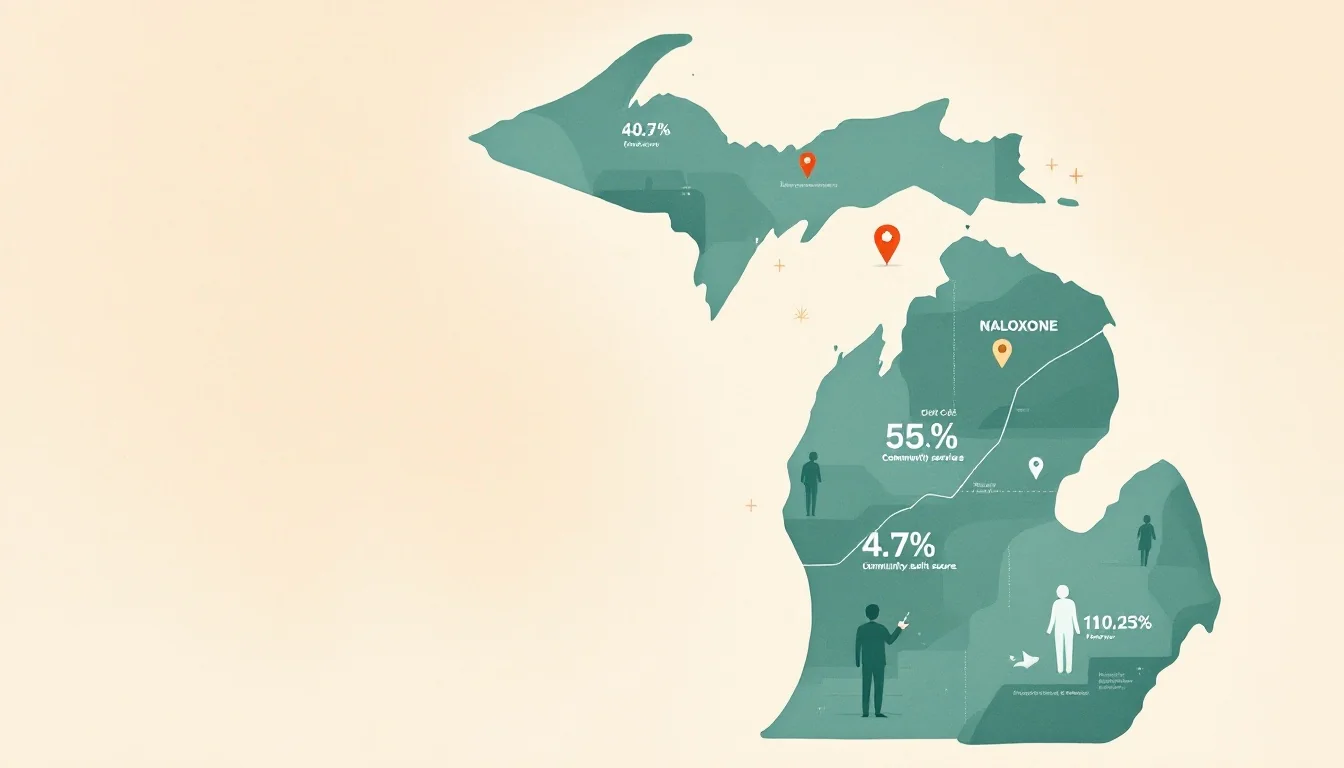
Michigan health officials announce 47% reduction in overdose mortality since 2021 peak, attributing success to expanded naloxone distribution, harm reduction services, and improved treatment access.

Overdoses accounted for a quarter of 46 in-custody deaths in 2025 as medication-assisted treatment waitlists leave hundreds of inmates without care, despite $8 million in opioid settlement funds earmarked for jail programs.

Hundreds of addiction and mental health service providers received termination notices Tuesday night, only to have funding restored Wednesday after swift advocacy response.
University of Colorado researchers develop comprehensive tracking system to measure how opioid settlement funds reduce overdose deaths and improve addiction treatment across the state.

Investigation reveals super-potent synthetic opioids called nitazenes have caused over 1,100 confirmed deaths, with experts warning the true toll could reach 2,000 as these 1950s-era compounds flood the illicit market.

Boston Public Health Commission reports 120 opioid overdose deaths in 2025, a 29% decline from 2024 and 56% drop from the 2023 peak, marking the lowest fatalities in ten years.

Secretary Kennedy unveils $96 million STREETS program and $612 million in additional grants targeting substance use disorders, mental health crises, and homelessness under the Great American Recovery Initiative.

FDA approves Rextovy, expanding OTC naloxone options to three products. The new 4mg nasal spray broadens access to overdose reversal medication amid declining but still elevated overdose deaths.

Mayor Greenberg's proposal to redirect $8 million in opioid settlement money to cover 911 call center and jail costs draws criticism from advocates who call it 'blood money' diversion.

Amneal Pharmaceuticals' generic 4mg naloxone nasal spray receives FDA approval for over-the-counter sales, expanding access to life-saving overdose reversal medication amid ongoing opioid crisis.

Eight new grant programs target addiction prevention, child trauma, suicide prevention, and mental illness as part of federal behavioral health investment.

CDC and White House issue urgent health advisory as veterinary sedative medetomidine surges 3,000% in two years, creating naloxone-resistant overdoses across 18 states

Rhode Island reports 50% decline in overdose deaths since 2022, surpassing state's 2030 goal four years early and marking lowest mortality since before the fentanyl crisis began.

Scripps Research Institute develops experimental vaccine that blocks fentanyl and multiple dangerous variants by training immune system to recognize broad molecular signatures shared across the drug class.

Baltimore County unveils interactive dashboard allowing residents to monitor how $90 million in opioid settlement funds are spent, following Maryland's statewide transparency initiative.

A new Federal Register notice invites patients, providers, and researchers to tell HHS which addiction treatment programs deserve federal support — with a July 5 deadline and a clear policy direction already visible between the lines.

Trump administration policy change eliminates SAMHSA funding for fentanyl test strips, forcing Ohio health departments to rely on dwindling state and local resources as overdose deaths decline nationally.

A novel class of synthetic opioids called orphines is appearing in the U.S. illicit drug supply with potency exceeding fentanyl, challenging detection and overdose reversal efforts.

North Carolina's most populous county reports largest overdose decline in five years after tripling naloxone distribution and expanding harm reduction infrastructure.

Missouri's updated 2026 naloxone standing order explicitly includes individuals under 18, as Medicaid claims exceed 11,000 annually and overdose deaths fall 23%.

Massachusetts opioid overdose deaths fell to 978 in 2025, a nearly 60% decline from the 2022 peak of 2,364 deaths. The state credits comprehensive harm reduction, expanded treatment access, and community partnerships.

A powerful synthetic opioid 10 times stronger than fentanyl has emerged in East Tennessee, claiming more than 50 lives and spreading to multiple states.

Republican Representative Jaime Green proposes using Michigan's opioid settlement dollars to fund clinical trials of ibogaine, a psychedelic compound showing promise for treating PTSD and addiction in veterans.

Landmark UC San Diego research finds U.S. overdose deaths fell 24.4% in 2024, marking the first decline across all four waves of the addiction crisis, though stimulant-only deaths and racial disparities persist.

Colorado's latest round of opioid settlement grants targets Western Slope communities with mobile crisis teams, secure transport services, and expanded recovery housing to address geographic barriers to addiction care.

Black Lives Matter Paterson partners with city officials to install free overdose reversal medication kiosks across high-need areas, reporting significant reduction in overdose deaths since rollout began.

CDC data shows New York State overdose deaths fell 44.9% over three years, saving more than 5,000 lives, with opioid fatalities down nearly 52% since 2022.

FDA extends Narcan nasal spray shelf-life from 3 to 4 years, reducing replacement costs and improving stockpile reliability for harm reduction programs nationwide.

Louisiana's Jefferson Parish plans to use $65 million in opioid settlement funds for a new drug court, raising questions about whether law enforcement or treatment providers should control addiction crisis resources.

Maryland unveils interactive dashboard tracking $747 million in opioid settlement funds, setting new standard for pharmaceutical litigation accountability and public oversight.

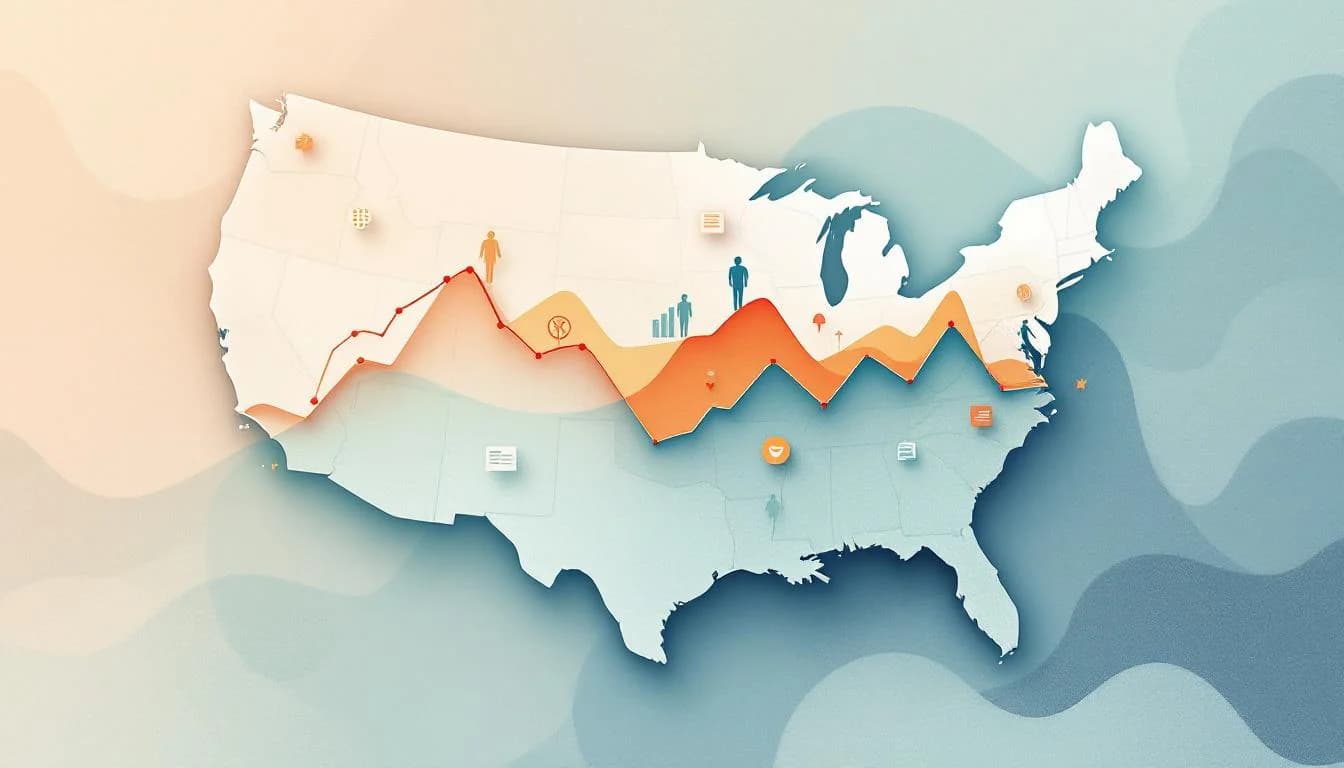
National overdose deaths decline for third consecutive year, yet Alaska, New Mexico, and other western states see rising mortality amid fentanyl crisis

The DEA issues urgent warnings about fentanyl mixed with xylazine and medetomidine—animal sedatives that complicate overdose reversal and create new dangers for people who use drugs.

Philadelphia reports significant progress in reducing overdose deaths, particularly among Black residents who saw a 27% decrease, even as stimulant-related fatalities continue rising.

Attorney General Kris Mayes weighs legal action against Arizona counties allegedly misusing opioid settlement funds, highlighting growing tensions over pharmaceutical settlement accountability.

Machine learning models analyzing electronic health records can identify patients at high risk of fatal overdose up to 12 months before the event, offering a new tool for preventive intervention.

A landmark NIH-funded clinical trial finds that treating babies with neonatal opioid withdrawal syndrome based on their symptoms rather than fixed schedules reduces hospital stays and medication exposure.

Xylazine, a veterinary tranquilizer increasingly mixed with fentanyl, is creating unprecedented challenges for overdose reversal and wound care across the United States.

Bipartisan legislation would establish dedicated federal funding stream for multi-jurisdictional drug task forces, with 40% of resources directed to tribal and local law enforcement

Governor Josh Stein announces sharpest single-year drop in overdose mortality since 2019, highlighting how opioid settlement investments are expanding access to medication-assisted treatment and recovery services across the state.

Anthem HealthKeepers Plus partners with Virginia Harm Reduction Coalition to install free naloxone vending machines in Roanoke, Martinsville, and Henry County, where overdose rates exceed state averages.
Michigan Attorney General Dana Nessel unveils a groundbreaking transparency dashboard to track every dollar of opioid settlement funds, setting a new national standard for accountability in addiction crisis response.

Wisconsin will receive more than $80 million from the $7.4 billion Purdue Pharma and Sackler family settlement, with 70% directed to county and local governments for addiction treatment and prevention programs.

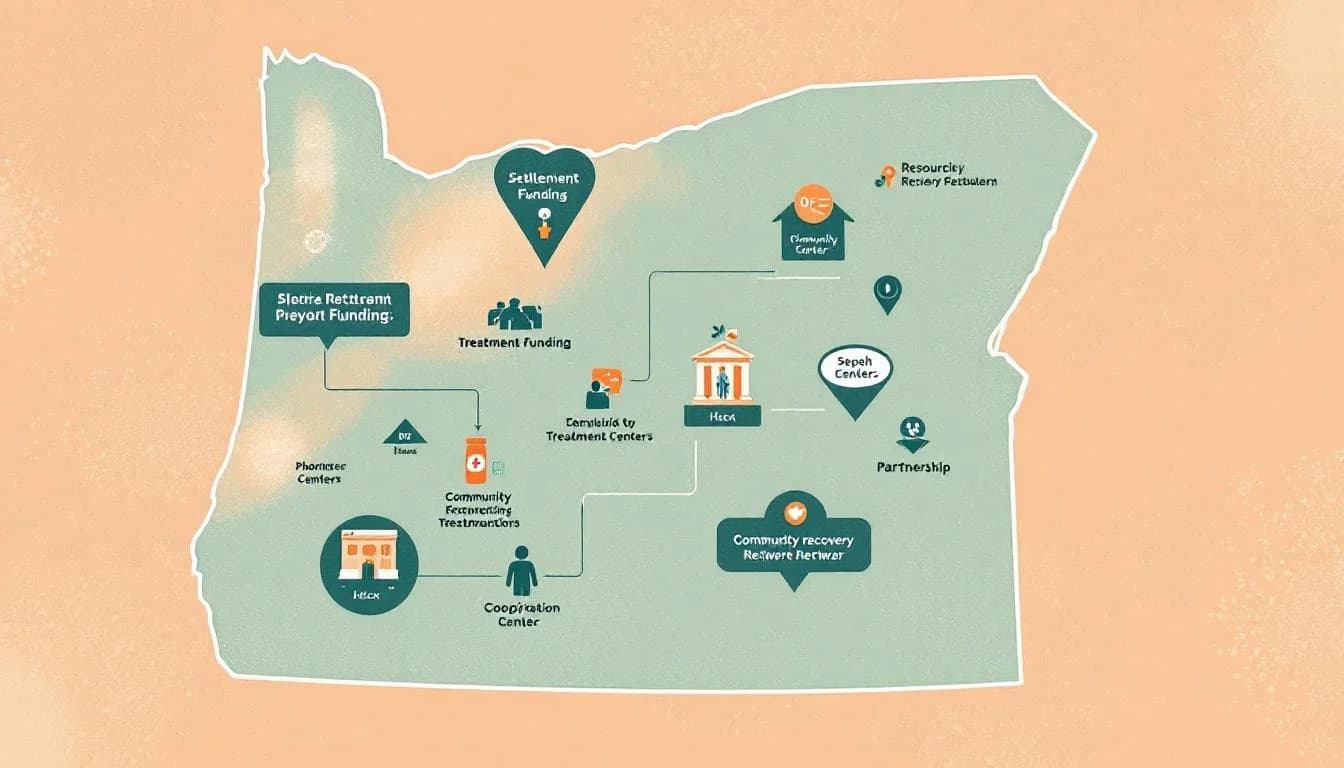
Oregon Health Authority announces $90 million in opioid settlement funding distributed over two years to support prevention, treatment, and recovery services as overdose deaths decline for the second consecutive year.

Attorney General Alan Wilson announces $256 million recovered in opioid litigation settlements, marking a major milestone for addiction treatment and prevention efforts across South Carolina.

BGSU researchers analyzing syringes from Ohio needle exchange programs discovered dangerous Candida fungus in 86% of samples, plus a soil bacterium that could lead to new treatments

Investigation reveals Indiana municipalities spent over $300,000 of opioid settlement funds on bodycams, vape sensors, and solar eclipse meals instead of addiction treatment.

New Jonesboro facility addresses critical treatment gap in one of Georgia's most underserved regions, offering medically supervised detox and residential care amid rising overdose rates.

Florida reports dramatic 42% decline in opioid-related overdose deaths and 46% drop in fentanyl fatalities, outpacing national improvements and marking significant progress in the state's battle against synthetic opioids.

New CDC data shows drug overdose deaths fell to approximately 70,000 in 2025, marking three consecutive years of decline from the 2022 peak of nearly 110,000 fatalities.

Preliminary 2025 data shows Oregon overdose deaths fell to approximately 1,100 from 1,544 in 2024, marking the state's first year-over-year decline since 2016.

DEA advisory highlights escalating threat from fentanyl combined with cychlorphine, medetomidine, nitazenes, and xylazine—substances that resist naloxone and are driving overdose deaths across multiple states.

Milwaukee Public Safety and Health Committee moves forward with comprehensive plan to distribute $17.1 million in opioid settlement funds across prevention, treatment, and recovery services.

Mississippi secures $40.9 million from $7.4 billion Purdue-Sackler settlement, bringing total opioid recovery to over $400 million for addiction treatment and prevention programs.

Mayor Mamdani directs opioid settlement funds to create 500 peer specialist positions, expanding community-based addiction treatment and outreach across all five boroughs.

US authorities issue urgent warning to international visitors ahead of 2026 FIFA World Cup about fentanyl contamination in street drugs, as DEA reports 29% of seized pills contain lethal doses.

White House releases ambitious 195-page drug control strategy calling for easier treatment access, but administration's funding cuts and policy shifts threaten implementation.

Maryland's highest court rejects 'public nuisance' theory in opioid litigation, forcing Baltimore to dismiss case against McKesson and Cencora while keeping $400 million in earlier settlements.

A deadly synthetic opioid called cychlorphine, estimated to be 10 times more potent than fentanyl and undetectable by standard test strips, has been linked to dozens of overdose deaths across Tennessee, Arkansas, California, and other states.

Michigan achieves a 35% reduction in opioid overdose deaths since 2023, with preliminary 2024 data projecting fewer than 2,000 fatalities through strategic harm reduction investments and naloxone distribution.

Maryland reports a dramatic 57% reduction in opioid overdose deaths since the pandemic peak, reaching a 10-year low through expanded naloxone distribution, fentanyl test strips, and community-based treatment access.

New Hampshire will receive nearly $30 million from the $7.4 billion Purdue Pharma and Sackler family settlement as the historic deal takes effect.

Holyoke, Massachusetts announces inaugural distribution of opioid settlement funds, awarding nearly $1 million to five organizations for recovery coaching, harm reduction, job training, and emergency support.

Healey-Driscoll Administration announces Mosaic Municipal Matching Grants to expand prevention, harm reduction, treatment, and recovery services in communities disproportionately impacted by overdose crisis.

New data shows medication-assisted treatment for opioid use disorder reached 69% among Medicaid beneficiaries by 2023, yet 180-day treatment retention declined from 62.6% to 57.7%.

Colorado Opioid Abatement Council distributes infrastructure grants to 24 organizations, with demand exceeding available funding nearly four to one.

Wyoming becomes the latest state to adopt digital harm reduction tools, launching an interactive map that connects residents with free naloxone across 22 of 23 counties.

Arizona secures $108 million from the $7.4 billion Purdue-Sackler settlement, bringing the state's total opioid recovery to $1.2 billion amid rising overdose deaths.

Maryland Attorney General Anthony Brown announces $90 million state allocation from $7.4 billion Purdue-Sackler settlement effective May 2026, with funds directed to treatment, prevention, and recovery services.

Pennsylvania Attorney General Dave Sunday announces $200 million state allocation from $7.4 billion Purdue-Sackler settlement, bringing state's total opioid recovery past $2 billion milestone

Attorney General Jeff Jackson announces North Carolina's share of $7.4 billion national settlement, bringing state's total opioid recovery funds to $1.6 billion for addiction treatment and prevention.

Texas Attorney General Ken Paxton announces $286.5 million state allocation as $7.4 billion Purdue Pharma settlement takes effect, bringing Texas opioid recoveries past $3 billion milestone

Colorado classrooms are embracing harm reduction strategies and naloxone training, moving away from decades of abstinence-only messaging as fentanyl crisis reshapes youth drug education.

Nevada expects $57.9 million over 15 years from the $7.4 billion Purdue Pharma and Sackler family settlement, bringing the state's total opioid settlement recovery to over $1.2 billion.

Trump administration ends federal support for fentanyl, xylazine, and medetomidine test strips through SAMHSA grants, reversing Biden-era harm reduction policies amid declining overdose deaths.

South Carolina to receive $72.8 million over 15 years as $7.4 billion Purdue Pharma and Sackler family settlement takes effect, bringing total state recovery to over $750 million.

Austin-area officials credit free naloxone distribution through vending machines and community partnerships for dramatic reduction in fentanyl fatalities.

Kentucky reports fourth straight year of declining overdose deaths with 22.9% reduction in 2025, marking 50.8% decrease from 2021 peak as comprehensive state strategy shows sustained results.

The historic $7.4 billion Purdue Pharma and Sackler family settlement becomes legally effective May 1, 2026, with states beginning to receive funds for addiction treatment and prevention programs.

Trump administration proposes national wastewater monitoring and artificial intelligence to track drug use patterns, alongside faith-based treatment expansion and integrated addiction care.

New CDC data shows U.S. overdose deaths fell 15.9% in the past year, but emerging synthetic drugs like medetomidine threaten continued progress

While overdose deaths fell 18% nationally, Colorado saw a 10% increase in fentanyl-related fatalities, with Denver reporting a 25% spike. DEA data reveals the state's unique challenges.

Nebraska will require Medicaid expansion enrollees to work 80 hours monthly, raising concerns about addiction treatment access for vulnerable populations.

Federal court sentences OxyContin maker to historic penalties, clearing path for bankruptcy settlement that includes $865 million for victims—but many will be shut out under tightened eligibility rules.

Researchers analyze 569,000 TikTok comments to demonstrate social media data can forecast synthetic opioid mortality with 37% greater accuracy than traditional surveillance methods.

Eden Village uses $140,000 in opioid settlement grants to provide permanent supportive housing and peer counseling for chronically homeless individuals recovering from addiction.

Georgia's Opioid Crisis Abatement Trust opens applications for Year 3 funding, allocating $20 million to address addiction and overdose across the state.

Local governments in South Dakota struggle to deploy opioid settlement dollars while the state moves faster with grants and programs, highlighting challenges rural areas face in addressing the addiction crisis.

Iowa Attorney General Brenna Bird announces $9 million in opioid settlement grants for community prevention and treatment programs, with funds flowing through state legislature-approved distribution framework.

Rural Oklahoma faces barriers accessing opioid settlement grants due to lack of grant-writing expertise and community partnerships, while metro areas and schools secure most funding.

Trump administration's SAMHSA announces major policy reversal, banning federal funds for fentanyl test strips and sterile syringes while urging limitations on methadone and buprenorphine prescribing.

Milwaukee County reports dramatic 42.5% decline in drug overdose deaths since 2022, driven by harm reduction expansion, medication-assisted treatment, and $111 million opioid settlement investment.

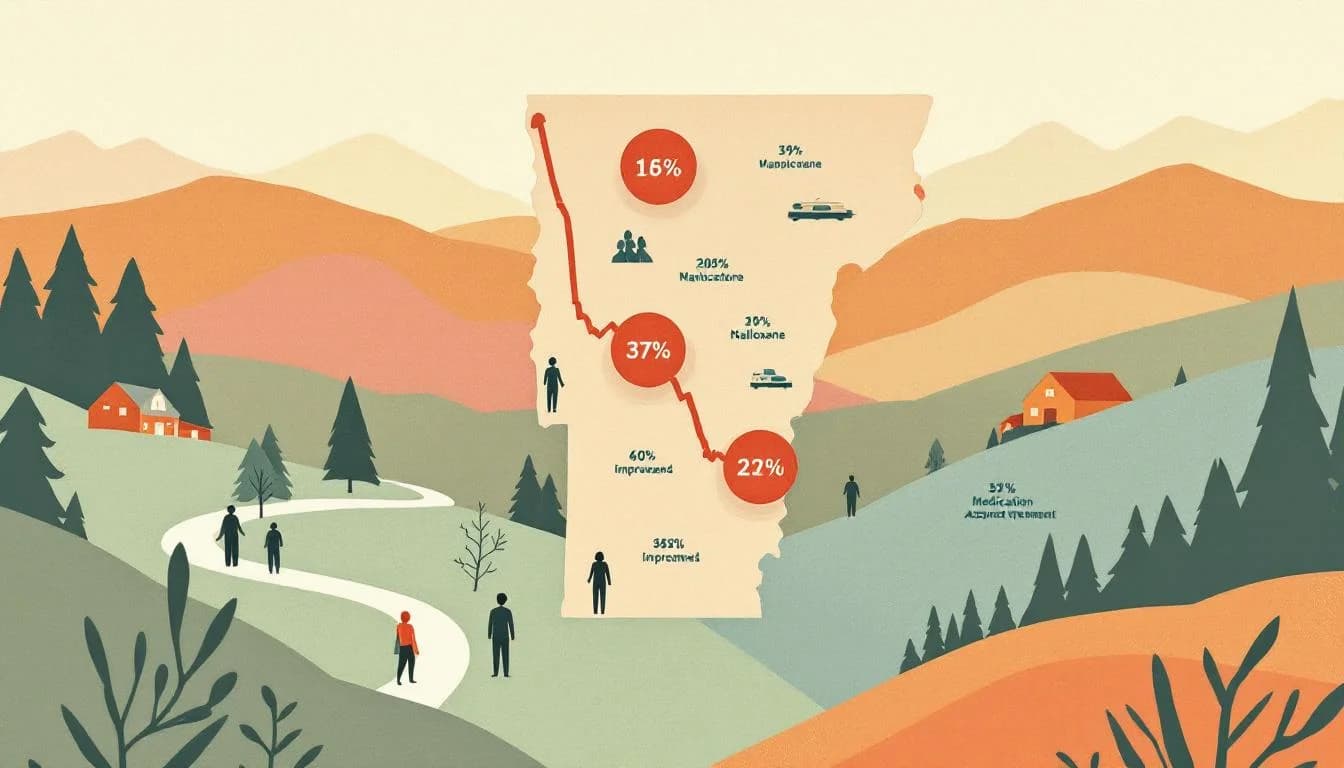
Vermont reports dramatic 25% reduction in drug overdose deaths, marking the state's first significant decline in fatal overdoses in 20 years amid national mortality improvements.

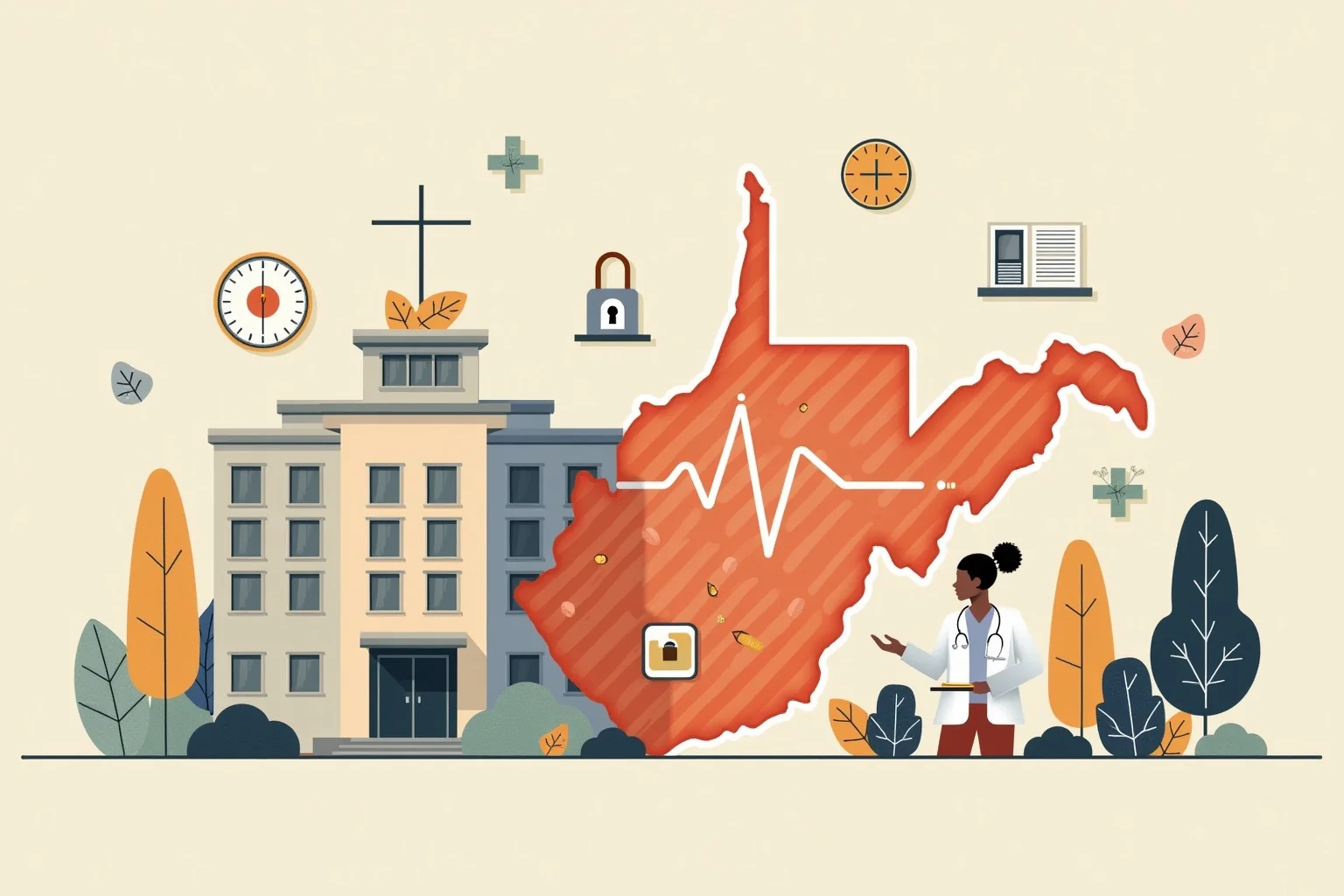
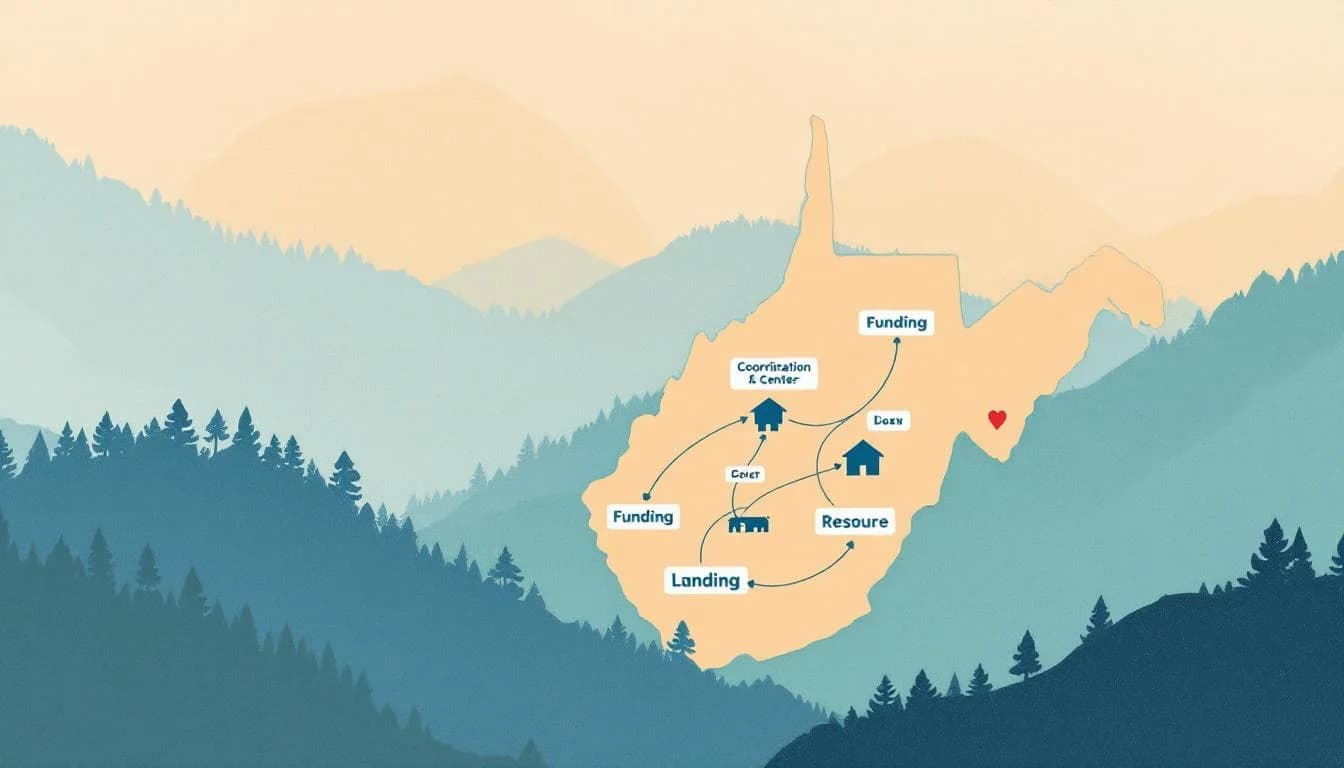
West Virginia reports 48% drop in fatal drug overdoses, exceeding the national decline of 44%, as enforcement and public health efforts converge in the state hardest hit by the opioid crisis.

Kentucky Opioid Abatement Advisory Commission distributes record $34 million to 100+ organizations, bringing total community investment past $100 million since 2021.

Health officials confirm first fatal overdose involving N-Propionitrile chlorphine, a potent synthetic opioid undetectable by standard fentanyl test strips.

Utah joins $773.7 million national settlement with Albertsons Companies, directing funds to opioid abatement programs for treatment, recovery services, and prevention efforts.

New Child Trends analysis shows youth overdose deaths dropped 37% since 2023, with rates now lower than before the pandemic despite fentanyl's continued spread.

Mayor Brandon Scott unveils first annual report and public dashboard tracking how Baltimore invests settlement dollars from opioid litigation into harm reduction, treatment, and community services.

New JAMA Network Open study shows MOUD access among Medicaid beneficiaries rose from 60% to 69% between 2019-2023, with 45 states seeing increases.

In a region flooded with 17 million prescription opioids, proposed Medicaid work requirements and funding cuts threaten to dismantle the safety net that has helped hundreds achieve recovery from addiction.

Albertsons and Safeway parent company agrees to $773 million national settlement, with Oregon receiving up to $38.2 million over nine years to expand addiction and recovery services.

JAMA research letter reveals 24.3% decline in long-term opioid therapy from 2015-2023, even as co-prescribing with gabapentinoids rises sharply, raising new safety concerns for chronic pain patients.

DEA reports 1,400 carfentanil identifications in 2025, up from just 54 in 2022. The veterinary tranquilizer, 100 times stronger than fentanyl, is killing unsuspecting users as China cracks down on fentanyl precursors.

The Trump administration abruptly canceled hundreds of SAMHSA grants funding overdose prevention, naloxone distribution, and peer recovery support, putting addiction services at risk nationwide.

Twenty Kentucky counties join forces through the KACo Opioid Solutions Network to share best practices and strategically deploy nearly $1 billion in settlement funds

White House budget request would slash drug prevention grants, consolidate SAMHSA into new agency, and merge NIDA with alcohol institute while cutting $200 million from research.

ONDCP, SAMHSA and HUD launch two-day summit to develop national toolkit for treating substance use disorders among homeless individuals, marking a shift toward integrated care models

Federal health officials warn about medetomidine, a veterinary tranquilizer increasingly mixed with illicit fentanyl, causing complex withdrawal syndromes and complicating overdose responses

Iowa Department of Health and Human Services opens applications for up to $10 million in opioid settlement funds to expand behavioral health services and strengthen recovery systems across the state

New Anesthesiology research reveals that conventional naloxone doses may not fully reverse respiratory depression from potent synthetic opioids like fentanyl and sufentanil, urging updated emergency protocols

NPR analysis reveals sustained decline in overdose mortality since August 2023 peak, marking longest decrease in four decades despite emergence of more potent street drugs

Wisconsin Department of Health Services announces comprehensive $31 million opioid response strategy combining treatment access expansion, harm reduction, and law enforcement education.

Michigan's MDHHS accepting applications through April 30 for loan repayment up to $30,000 to SUD providers as state confronts workforce shortage limiting treatment access for 1.3 million residents.

Central Health plans 45 free naloxone units by September as Travis County overdose deaths drop 22%, expanding vending machines and community partnerships to sustain decline.

Northwestern University researchers debunk 2025 drug overdose surge reported by CDC, finding the apparent spike was a modeling error caused by rapid epidemic shifts, not data manipulation or political interference.

Rhode Island becomes first state to reverse kratom ban while Kansas, Connecticut move toward Schedule I classification, creating fragmented regulatory landscape for substance used by millions for pain and opioid withdrawal.

Congressional bill H.R. 5629 threatens to roll back SAMHSA's permanent methadone take-home flexibilities as Pew Charitable Trusts submits testimony defending COVID-era reforms that reduced travel burdens without increasing diversion or deaths.

National coalition urges Congress to maintain SAMHSA, NIH, and addiction program funding in FY2027 appropriations amid proposed 12.5% HHS budget cuts.

World Health Organization updates treatment guidelines adding monthly buprenorphine injections to methadone oral medication recommendations addressing epidemic killing three-quarters million people yearly

Longleaf Lodge launches with 50 residential and 10 detox beds, addressing Alabama's crisis where 19% need substance use treatment but only 5% receive it. Integrated care model tackles co-occurring conditions as wait times stretch weeks to months.

Second round of 'transformative grants' prioritizes youth treatment expansion, school prevention programs, and mobile crisis response as state officials emphasize building complete care continuum

Deal flow in substance use disorder treatment hits six-year low as investors pull back amid quality concerns, Medicaid uncertainty, and volatile federal grants—leaving safety-net providers facing potential closures.

Despite receiving $800 million since 2023, more than 40% of Michigan counties have yet to distribute opioid crisis mitigation funds while overdose deaths continue claiming nearly 2,000 lives annually.

Governor Rhoden announces funding for 10 organizations as Attorney General Jackley pushes for direct allocation to Sioux Falls and Rapid City treatment centers.

State lawmakers advance plan to distribute nearly $60 million in opioid settlement money, sidestepping the independent council created just last year to oversee spending.

University of Pennsylvania researchers develop first brain-targeted gene therapy that mimics morphine's pain relief without triggering reward pathways, offering potential breakthrough for 50 million Americans living with chronic pain.

WVU leads 18-month statewide assessment to guide how three-quarters of West Virginia's opioid settlement funds will be spent, creating public dashboard to identify gaps and maximize impact.

Kentucky Senate Bill 77 nears final passage, creating framework to research ibogaine for opioid addiction and PTSD despite Schedule I status. Four states already funding trials.

Congressional oversight hearing exposes chaotic federal response to addiction crisis as $2 billion in treatment grants remain uncertain and agency staff cut by half

Indiana University's MACRO-B initiative reduced opioid overdose mortality among Black Indianapolis residents by 45% in two years, now expanding statewide.

Cychlorphine, a novel opioid resistant to standard naloxone doses, has been detected in over a dozen states. Oklahoma confirmed its first death as experts warn the drug may require multiple Narcan doses to reverse overdoses.

New Wisconsin Policy Forum report reveals dramatic expansion in MOUD access across state correctional facilities from 2021 to 2025, coinciding with substantial decline in overdose deaths.

CDCR documented over 7,000 overdose reversals since 2019 and became the only U.S. state prison system allowing incarcerated individuals to carry naloxone inside facilities.

Opioid deaths fell 12% in Washington last year while innovative programs expanded access to life-saving treatment. But new Medicaid work requirements and federal funding cuts are already disrupting care.

Survey of 212 U.S. jails, prisons, and detention centers finds stark regional and facility-type disparities in MOUD access, with post-release mortality 40 times higher than national average.

Psychostimulants, primarily methamphetamine, overtook opioids as Iowa's leading overdose cause in 2024. Without a Narcan equivalent, public health officials confront new treatment challenges.

Veterinary sedative 300× more potent than xylazine spreads through illicit opioid supply, causing life-threatening withdrawal and evading standard drug tests.

Baltimore's finalized Overdose Response Strategic Plan ups its target to a 50% reduction by 2040, backed by nearly $600 million in opioid settlement funds and community-driven priorities.

Eastern Shoshone Tribal Health launches Wyoming's first harm reduction vending machines offering free naloxone, fentanyl test strips, and suicide prevention tools through anonymous PIN access to address overdose crisis on Wind River Reservation.

Bipartisan DETECT Nitazenes Act introduced in Congress would enhance detection technology for emerging class of synthetic opioids linked to over 1,000 deaths in UK.

West Virginia First Foundation introduces Regional Contingency Allocation Program allowing six regions to respond to immediate community needs outside traditional grant cycles, managing nearly $1 billion in settlement funds.

Columbia adds twelve public naloxone boxes as Missouri House proposes $8M cut to statewide distribution, threatening 800 agencies and 7,500 documented overdose saves since 2017.

New federal data reveals historic decline in opioid deaths across all demographics, driven by expanded naloxone access, weaker fentanyl supply, and medication treatment—though Arizona and four other states buck the trend.

Federal funding establishes Pennsylvania Addiction Action Network to coordinate data-driven allocation of settlement funds across all 67 counties as state confronts 4,719 annual overdose deaths.

ACLU challenges West Virginia's 2007 moratorium on methadone clinics, arguing the state's unique restriction violates disability law while forcing 54,000 residents with opioid use disorder to navigate impossible treatment logistics.

A new survey of 212 jails and prisons finds only 58% provide FDA-approved medications for opioid use disorder, with stark regional disparities and treatment gaps putting released inmates at 40-times-higher overdose risk.

SAMHSA's termination and rapid restoration of $2 billion in mental health grants in January exposed fragility of addiction infrastructure as overdose deaths decline for first time in decades.

AG Kris Kobach and DCCCA deploy free overdose reversal kits across Kansas universities and community colleges as state battles 2,000+ fentanyl deaths.

New transparency tool shows municipalities spent just 12% of available settlement funds in latest fiscal year, while state officials emphasize accountability in managing $1 billion expected through 2039.

Cychlorphine, an emerging synthetic opioid more potent than fentanyl, has been connected to at least 16 overdose deaths in East Tennessee since October. Federal authorities track 22 samples nationwide as harm reduction officials warn naloxone may require multiple doses.

CDC data shows overdose deaths fell to 68,000 in 12 months ending October 2025, the lowest since 2019, driven by a dramatic decline in fentanyl purity from 25% to 11% as all four waves of the epidemic enter simultaneous decline.

New CDC data reveals West Virginia and Virginia achieved the steepest opioid death declines in America, with drops approaching 49% and outpacing the national 44% reduction.

Indiana city's first round of settlement funding prioritizes community organizations meeting people at every stage of recovery, including grief counseling for families navigating substance use loss.

Sen. John Keenan proposes expanding subway naloxone access after 2024 pilot ended prematurely, leaving empty and broken cabinets across Boston's transit system.

New state transparency dashboard reveals municipalities spent just 12% of available settlement funds in FY2025 while communities await critical addiction services and harm reduction programs.

City Council approves five-year opioid settlement funding plan targeting overdose prevention through community-based Narcan distribution, HIV testing, and integrated harm reduction services.

Maine city finally distributes nearly all available settlement money to 16 organizations, three years after receiving first payments, as Penobscot County sees rising overdose deaths.

State lawmakers unanimously approve evidence-based mandates and conflict-of-interest safeguards for $400M+ opioid settlement fund after investigative reporting exposed governance failures.

Harm Reduction Coalition of San Diego failed to pay subcontractors and staff for months while COO allegedly misappropriated over $200,000 in public funds for personal expenses.

MDHHS distributes free naloxone kits at local offices statewide, funded by $1.8 billion opioid settlement. State reports 35% decline in overdose deaths since 2023.

While Mississippi sits on over $400 million in opioid settlement funds, the state has spent almost none of it on treatment or family services — even as it leads the nation in children living with grandparents and foster care tied to parental substance use.

House Bill 487 allocates $43M from opioid settlements to prevention, treatment, and recovery programs, with unanimous bipartisan support as Alabama reports 30% reduction in overdose deaths.

Local governments in Maine allocated $3 million from opioid settlements in 2025 toward treatment, prevention, and law enforcement programs, with $19 million remaining and new reporting requirements now in place.

New federal legislation would require OSHA guidance on workplace naloxone access amid rising employer reports of opioid impact and uneven emergency preparedness.

The Maternal Overdose Matters Initiative delivered naloxone kits to over 2,500 families at 107 hospitals, helping reverse a crisis where overdose became the leading cause of maternal mortality statewide.

DEA and HHS codify pandemic-era flexibility, allowing providers to initiate and maintain buprenorphine treatment entirely via telehealth through the end of 2026, a move experts say could save lives and reshape addiction care nationwide.

California's CalRx program cuts naloxone costs by more than half while the state's distribution initiative crosses a staggering milestone in overdose reversals.

The Food and Drug Administration moves forward with controversial regulations to limit common painkillers, sparking national debate over balancing opioid crisis response with patient access to pain management.

As cocaine and methamphetamine become contaminated with fentanyl, researchers argue that contingency management and culturally adapted harm reduction are essential—yet remain vastly underutilized across the United States.

Washington University study finds that uMAT-R digital platform reduced substance use by 50% among participants with housing instability, challenging assumptions about technology access in vulnerable populations.