
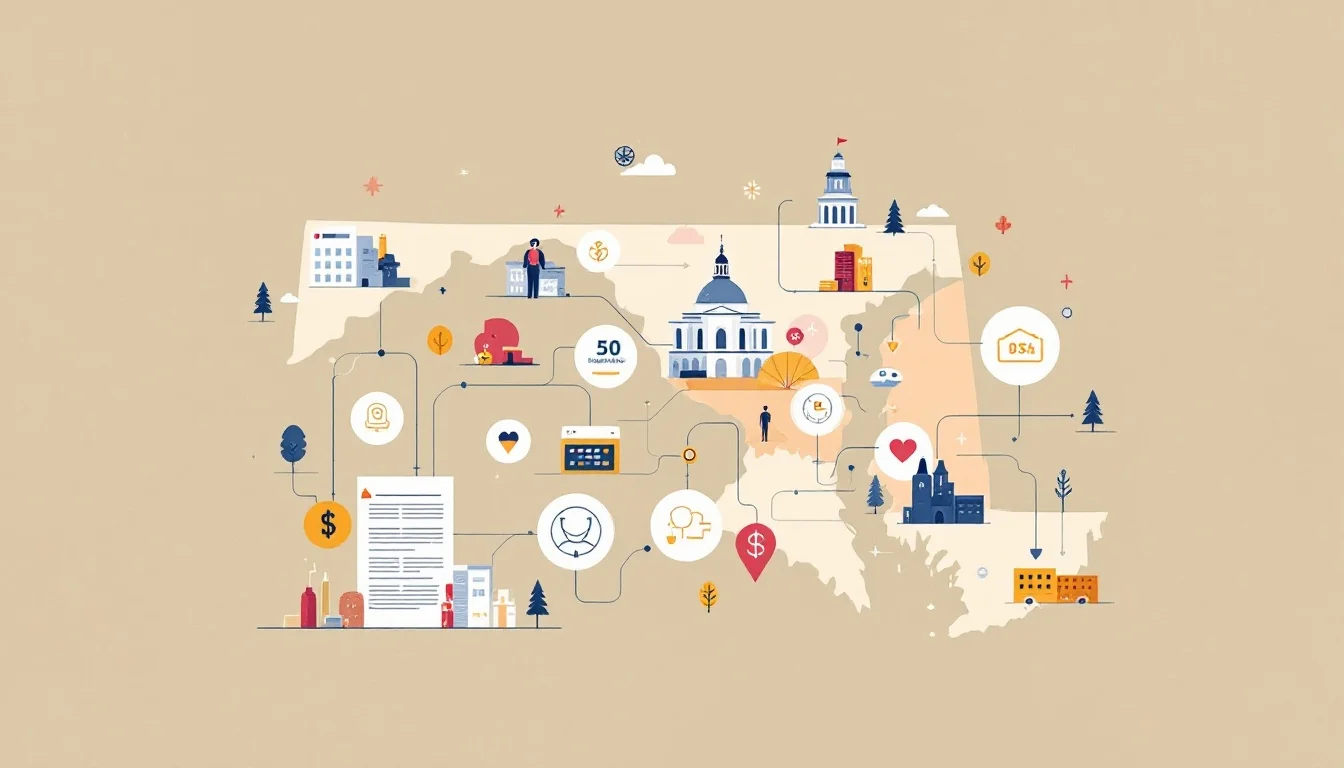
Maryland Secures $13 Million from Generic Opioid Manufacturers in New Settlement
Maryland will receive more than $13 million from seven generic opioid manufacturers as part of a nationwide settlement announced this week, adding to the hundreds of millions of dollars the state has already secured through opioid litigation. The agreement with Alvogen, Amneal, Apotex, Hikma, Mylan, Sun, and Zydus includes both financial payments and significant new business restrictions designed to prevent future overprescribing.
The settlement marks the latest chapter in Maryland's broader legal campaign against companies that contributed to an epidemic which claimed more than 1,400 lives in the state during 2025 alone. Unlike earlier agreements focused primarily on brand-name manufacturers and distributors, this deal specifically targets companies that produced generic versions of oxycodone, hydrocodone, and fentanyl patches—medications that flooded communities as patents expired and prices dropped.
New restrictions on marketing and sales
Beyond the monetary payments, the settlement imposes several business practice changes that advocates hope will curb aggressive opioid promotion. The manufacturers have agreed to bans on marketing opioids directly to prescribers and patients, prohibitions on sales incentives tied to opioid volume, and requirements to monitor and report suspicious orders.
These provisions address longstanding criticisms that generic manufacturers continued many of the same problematic practices that led to massive settlements with Purdue Pharma and other brand-name companies. While Purdue's OxyContin became the symbol of the opioid crisis, generic equivalents—often sold at lower prices and with fewer prescribing restrictions—played a substantial role in expanding access to highly addictive medications.
The monitoring requirements are particularly significant. Under the settlement, manufacturers must implement systems to identify unusual ordering patterns that might indicate diversion to illicit markets. This provision responds to evidence that some companies ignored red flags as massive quantities of pills flowed into communities with populations too small to medically justify the volume.
Building on existing settlement infrastructure
The latest agreement builds on Maryland's existing framework for managing opioid settlement funds. Earlier this year, the state launched a public dashboard tracking how settlement dollars are distributed and spent, created under legislation passed during the 2025 General Assembly session. That system was designed to ensure transparency as Maryland receives what is expected to total more than $747 million over the next 15 years.
Nearly $170 million had already been made available to counties and cities across the state before this latest settlement. Local governments, working closely with health departments and community partners, have used these funds to expand prevention, treatment, recovery, and harm reduction initiatives tailored to local needs.
The state has prioritized programs that address the full continuum of care—from upstream prevention efforts in schools and communities to treatment access for those already struggling with addiction, and recovery support services for individuals working to rebuild their lives. Harm reduction initiatives, including naloxone distribution and syringe services programs, have also received significant funding.
The challenge of generic accountability
While settlements with brand-name manufacturers like Purdue captured headlines, holding generic manufacturers accountable has proven more complex. These companies often argued they were simply producing FDA-approved medications and had no control over prescribing practices. The new settlement rejects that defense, establishing that generic manufacturers share responsibility for monitoring the downstream effects of their products.
The seven companies involved in this settlement represent a significant portion of the generic opioid market. Their agreement to new restrictions could create industry-wide pressure for similar reforms, even among manufacturers not party to this specific deal. The settlement also establishes precedents that could influence ongoing litigation in other states.
Maryland's approach—combining financial recovery with mandatory business practice changes—reflects a growing recognition that monetary settlements alone cannot prevent future harm. Without structural changes to how opioids are marketed, sold, and monitored, the conditions that created the epidemic could persist even as communities struggle to address its consequences.
Local impact and ongoing needs
For Maryland communities, the settlement provides additional resources at a critical moment. While overdose deaths have declined nationally for three consecutive years, the state continues to lose residents to opioids—particularly as fentanyl and other synthetic drugs dominate the illicit supply. The settlement funds arrive as local programs face increasing demand for services and persistent gaps in treatment capacity.
The state's public dashboard allows residents to track how settlement money flows to their communities and what programs it supports. This transparency represents a significant shift from earlier eras of tobacco settlement funds, which were often diverted to general revenue rather than targeted at reducing smoking-related harm.
Local governments have used previous settlement allocations to expand medication-assisted treatment programs, hire peer recovery specialists, establish mobile crisis teams, and improve access to naloxone and other harm reduction tools. The additional funding from this settlement will allow expansion of successful programs and support for new initiatives addressing emerging needs.
Looking forward
As Maryland continues to receive settlement funds over the coming years, the challenge will be ensuring these resources translate into measurable reductions in addiction and overdose deaths. The state has established structures for transparent allocation, but effective implementation requires sustained attention from policymakers, providers, and community organizations.
The settlement with generic manufacturers also signals that opioid litigation remains active even as the highest-profile cases against brand-name companies conclude. Additional manufacturers, distributors, and pharmacy chains face ongoing lawsuits, suggesting Maryland's total recovery could grow substantially in coming years.
For the thousands of Maryland families affected by the opioid epidemic, the settlement provides neither complete justice nor sufficient resources to fully address the damage. But it represents another step toward holding responsible parties accountable and funding the programs necessary to prevent future tragedies. The restrictions on marketing and sales practices, if effectively enforced, could help ensure that future settlements are not necessary—that the conditions which created this crisis are finally and permanently changed.
Editorial Board
Editorial review using SAMHSA, CDC, CMS, and state agency sources
The NWVCIL editorial team reviews and updates treatment-center information using public data from SAMHSA, CDC, CMS, and state behavioral-health agencies. We cross-check facility records, state coverage rules, and clinical-practice updates so the directory reflects current evidence and policy.
Related Articles
Allegheny County Overdose Deaths Fall 41% as Officials Deploy $1.7M in Recovery Funding
Allegheny County reports a 41% reduction in fatal overdoses from 2023 to 2025, with officials directing $1.7 million in opioid settlement funds toward community-based recovery programs.

Michigan Opioid Overdose Deaths Decline 35% as State Deploys $1.8 Billion in Settlement Funds
Michigan achieves a 35% reduction in opioid overdose deaths since 2023, with preliminary 2024 data projecting fewer than 2,000 fatalities through strategic harm reduction investments and naloxone distribution.
New Jersey Opioid Settlement Funds Spent on Concerts and Bounce Houses
Spending reports released Thursday show New Jersey towns used opioid settlement money on concerts, bounce houses and a muscle car, prompting an oversight bill.