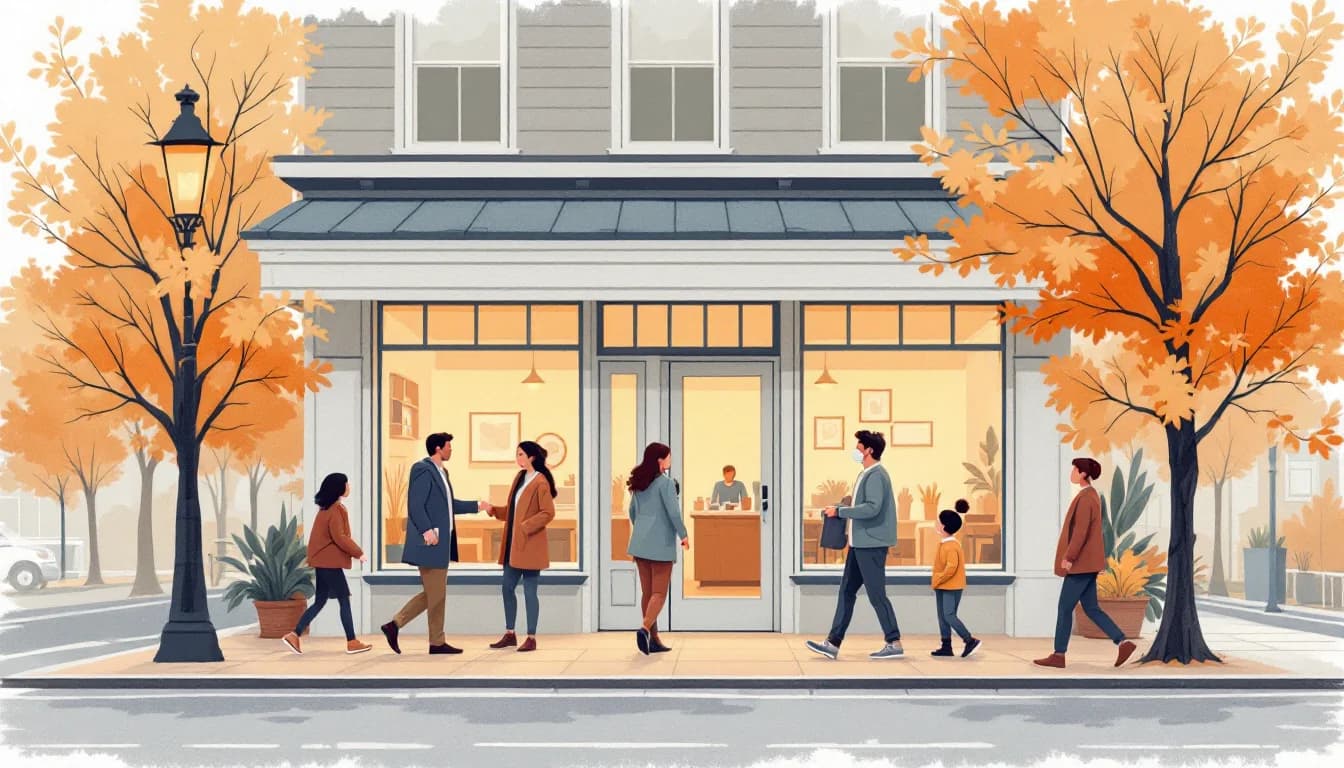
Binghamton Crisis Stabilization Center Opens in a Former CVS
The Mental Health Association of the Southern Tier opened a 10,000-square-foot crisis stabilization center in Binghamton, with separate adult and youth sides.
October 22, 20264 min read

231 articles found
The Mental Health Association of the Southern Tier opened a 10,000-square-foot crisis stabilization center in Binghamton, with separate adult and youth sides.
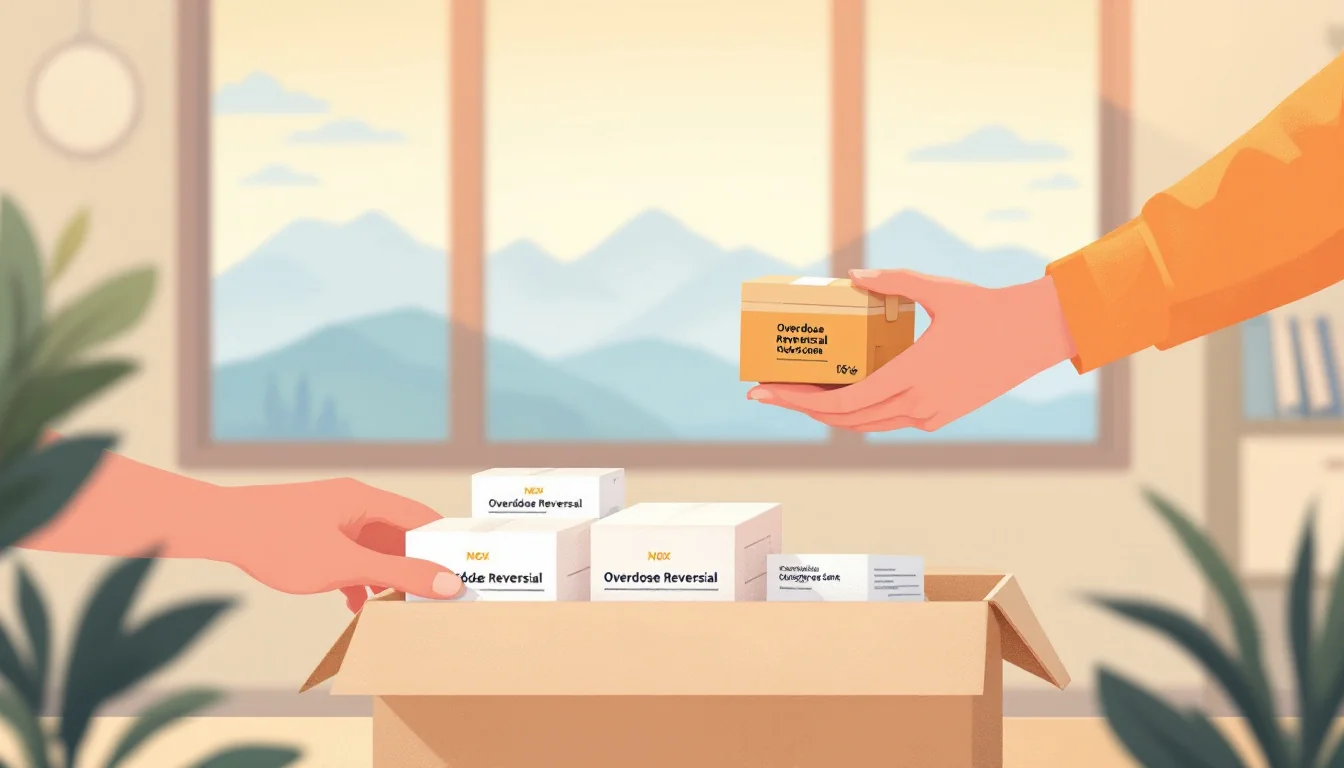
Attorney General Phil Weiser committed another $3.5 million in opioid settlement money to Colorado's naloxone bulk purchase fund, bringing the total to $6.5 million.

Delaware awarded $12.13 million in Round Four opioid settlement grants to 42 organizations, from $10,000 micro awards to $11.75 million in general grants.

Marion County stopped accepting applicants to its reentry and drug courts after Indiana cut a $600,000 grant, with veterans and mental health courts at risk by 2027.

Albuquerque's City Council voted to spend $5.2 million in opioid settlement funds on treatment navigation, a sobering center, recovery housing and school prevention.
Richmond County commissioners approved the first round of awards from a trust fund that sat unspent for years: 24 groups applied, six scored high enough to be paid.
DeSantis credits the S.A.F.E. grant program as the 2025 medical examiners report shows fentanyl-caused deaths falling from about 5,000 to roughly 2,000.
CN Guidance & Counseling Services won a $3.75 million federal grant to send mobile treatment, peer outreach and naloxone into Nassau and Suffolk counties.

CMS awarded Ohio $92 million in Rural Health Transformation Program funds, with $30.3 million for upgrades at 22 rural hospitals including a new behavioral health unit.
St. Joseph's opened Franklin County's only methadone clinic in Saranac Lake with $600,000 in settlement funds, ending hour-long daily drives for a dose.
Confirmed overdose deaths in Texas prisons rose from 4 in 2020 to at least 131 in 2025, while TDCJ asked lawmakers only to maintain treatment funding.
A federal rural opioid response grant sends $3 million over four years to a Vermont United Way partnership of four nonprofits, $750,000 annually.
Gov. Kay Ivey awarded $280,806 in federal Justice Department money for 12-month residential substance abuse treatment at eight Alabama prisons.

New Jersey's Senate Judiciary Committee voted 11-0 to advance S597, replacing criminal charges for underage gambling with civil fines that pay for treatment.
Weber County, Utah, awarded settlement grants to a recovery court and a 90-day treatment program, and plans an endowment modeled on the state's permanent fund.

Atrium Health will spend $340 million over five years on behavioral health in the Charlotte region, including a 168-bed hospital and an expanded crisis unit.

A Manhattan Institute report by Stephen Eide argues states should certify more recovery housing, add eviction-law protections and keep control of the sector.

Oklahoma City and Oklahoma City Public Schools will split $11.5 million in federal grants to expand youth mental health services over the next several years.

West Virginia awarded $500,000 to Potomac Highlands Guild for wearable monitoring and AI tools across eight eastern counties in a federal rural health program.
SAMHSA awarded Coastal Horizons a five-year, $7.5 million Project AWARE grant to place 15 behavioral health staff in New Hanover County schools.
Dane County installed two free harm reduction vending machines stocked with naloxone in Sun Prairie and Stoughton, extending a program that had operated only in Madison.
Montgomery County commissioners approved $98,661 in 2027 opioid settlement mini-grants for 13 local organizations, from peer recovery coaches to a veterans treatment court.
A NAADGS survey finds states budgeted $188 million for problem gambling services in FY2025, spent $145 million, and left $43 million unspent.
Brellium, whose AI reads clinical notes for mental health and autism providers, raised $23 million to push into pain management and primary care.

Future Directions, a peer-run recovery space in Lakewood, Ohio, will stop operating in 2027 after the Cuyahoga County ADAMHS Board ended its $428,000 grant.
The Morehead nonprofit will receive $350,000 a year for three years and restart the jail-to-community reentry program that ran out of money.

Weirton will vote Tuesday on $75,000 in opioid settlement funds for a children's grief and peer-support program, out of $1.08 million the city has disbursed so far.

Michigan's Recovery Housing Investment Program awarded $3.4 million to 18 agencies to buy or lease 24 recovery residences, adding 205 beds across 14 counties.

The Avoyelles Parish Police Jury has $102,000 in opioid settlement money for local groups, with proposals due Oct. 16 after $670,000 in awards since 2023.

The Brain & Behavior Research Foundation awarded 180 Young Investigator grants worth over $12.5 million, with half of the projects focused on depression or schizophrenia.

Construction is well underway on a 60-bed detox and residential treatment center in Henrico County, Virginia, proposed in 2020 as an alternative to a third jail.

Michigan's MDHHS updated its Opioid Strategy Progress Metrics Dashboard to track the four pillars of its SUD framework ahead of $1.8 billion in settlement funds.

Washington Township told New Jersey it spent $170,446.70 in opioid settlement funds on drug education. Bill lists show two police SUVs and 15 Flock cameras.

Cuyahoga County's Issue 11 would renew a 4.7-mill health levy and add 2.5 mills, raising $261.5 million a year for 10 years as federal funds shrink.

Carmel will pay $150,000 to settle a lawsuit over its rejection of a crisis stabilization center, as Putnam County expands its mobile crisis team to 24/7.
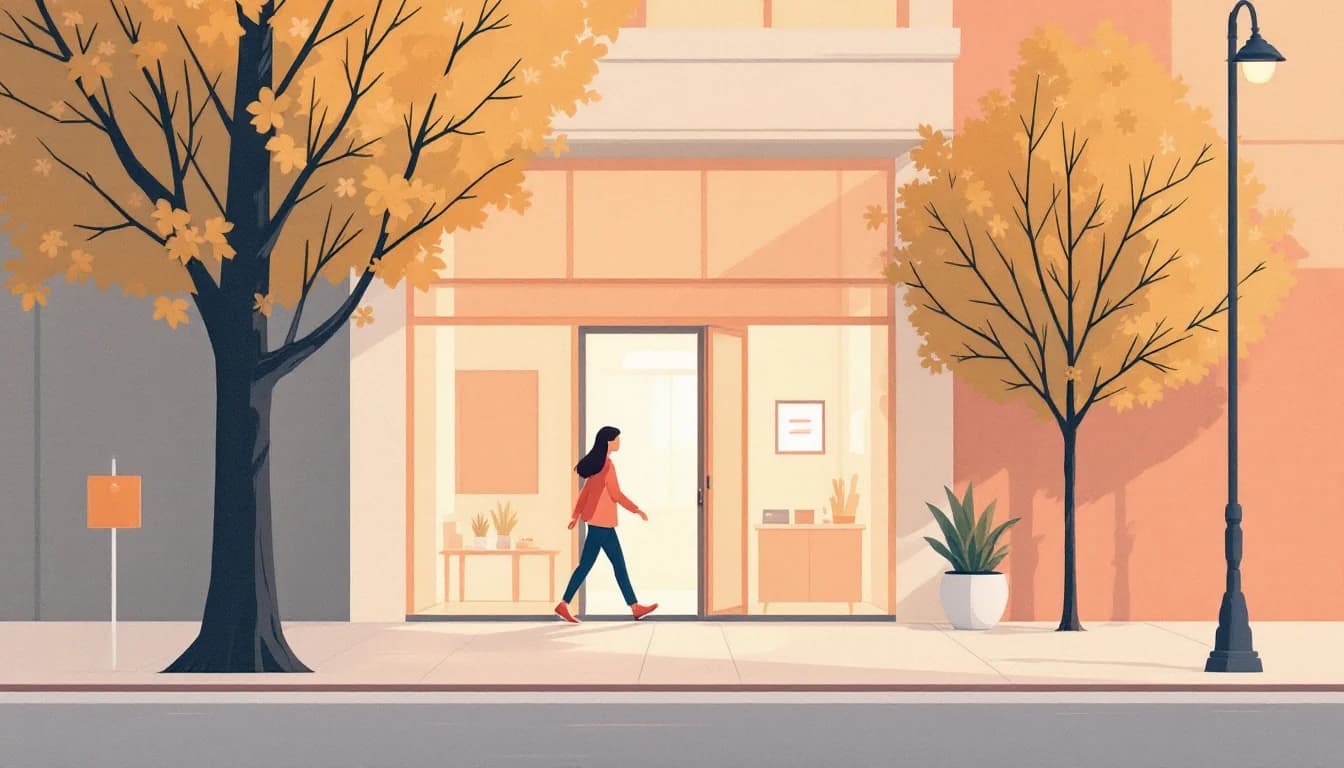
Dane County opioid settlement money helped the UW Health Compass Program extend its hours, widening walk-in access to addiction treatment in Madison.
HRSA's Rural Communities Opioid Response Program awarded $1.05 million to a Pendleton nonprofit serving four Oregon and Washington counties.
Houston's FRONTLINES program will use $3 million in federal money to train first responders across Harris and Fort Bend counties to reverse opioid overdoses with naloxone.
New Jersey will pay nearly $666,000 to two nonprofit health centers that combine addiction and mental health treatment with primary care at the same location.
OneOhio Recovery Foundation's second regional grant cycle awarded $960,158 to four Stark County agencies for harm reduction, youth prevention and recovery services.
Somerset County, Maine's jail won a $3.1 million SAMHSA grant to fund its extended-release buprenorphine program until jails can bill Medicaid.
South Tucson and Pima County launched RISE, an opioid-settlement-funded program that sends behavioral health specialists on crisis calls.
An Arkansas appeals court affirmed that AIG units and dozens of excess insurers owe Walmart a defense in more than 2,400 opioid lawsuits.
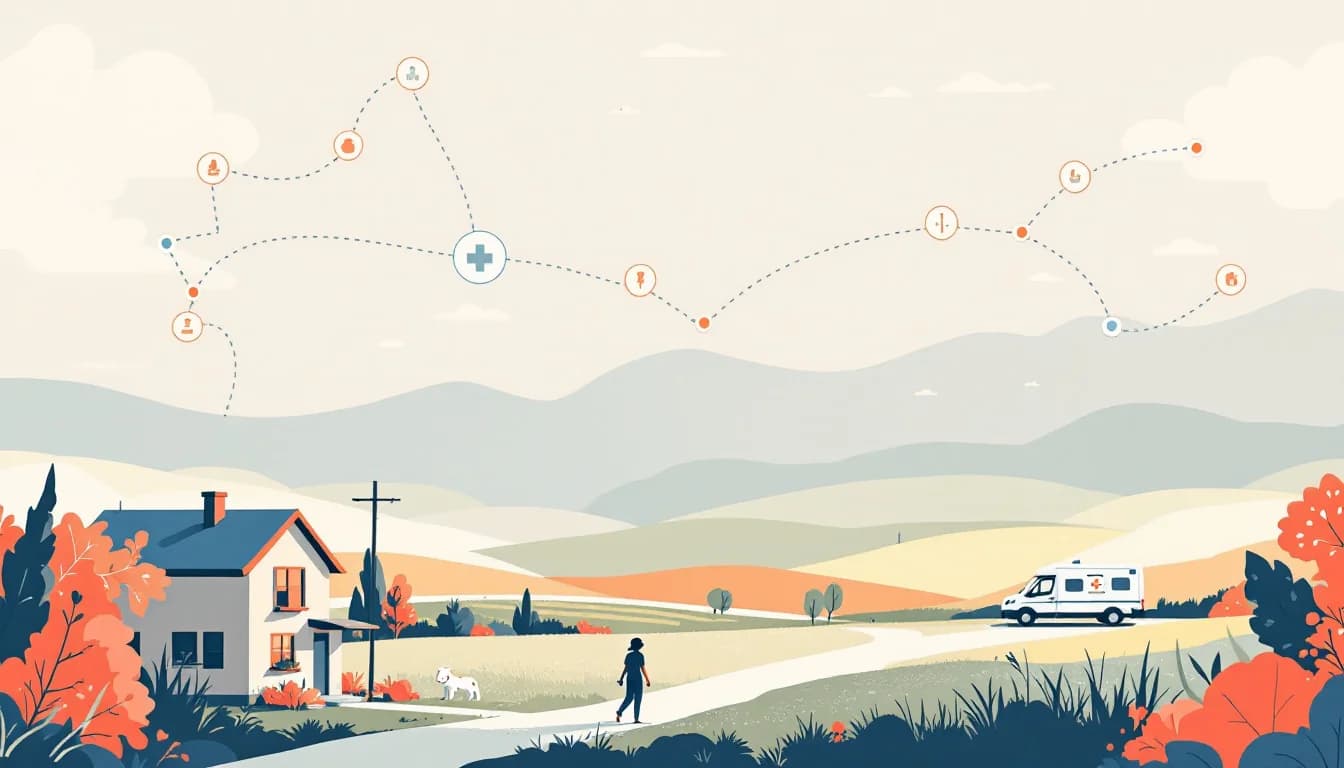
North Carolina will spend more than $17 million in federal rural health funds on addiction treatment, mobile crisis teams and psychiatric care for 2026-27.

Pasquotank County's new recovery court held its first session Oct. 6, offering treatment instead of prison with funding from North Carolina's opioid settlement.

Tecsys committed $5 million over five years to Prisma Health's 112-bed behavioral health hospital near Easley, South Carolina, set to open in March 2027.

UConn Health will use a five-year, $3 million SAMHSA grant to build a clinic serving Connecticut's foster, kinship and adoptive children and their caregivers.

The Postal Service issued a $1 semipostal stamp honoring fentanyl awareness, with net proceeds going to the National Institute on Drug Abuse.
Osceola County schools will install vape detectors at 19 campuses with $191,885 in opioid settlement funds, aiming to cut vaping referrals by 25%.
Oklahoma's attorney general opened a new round of opioid abatement grants for public schools, technology centers and colleges, worth $105,000 to $900,000 each.
Pennsylvania expects $516 million to $729 million from a Meta child-safety settlement, but lawmakers and the attorney general disagree over who controls the money.

Assembly Bill 1556, signed Sept. 29, makes drug-free recovery housing eligible for California's homelessness funding after Newsom vetoed a similar bill in 2025.
A state-commissioned report found Oregon directed $39 million of $1.5 billion in two years to prevention, and that most school districts lack required plans.
HHS selected eight communities, from Huntington, West Virginia, to the Cherokee Nation, to share $96 million over four years for street-based addiction and homelessness care.
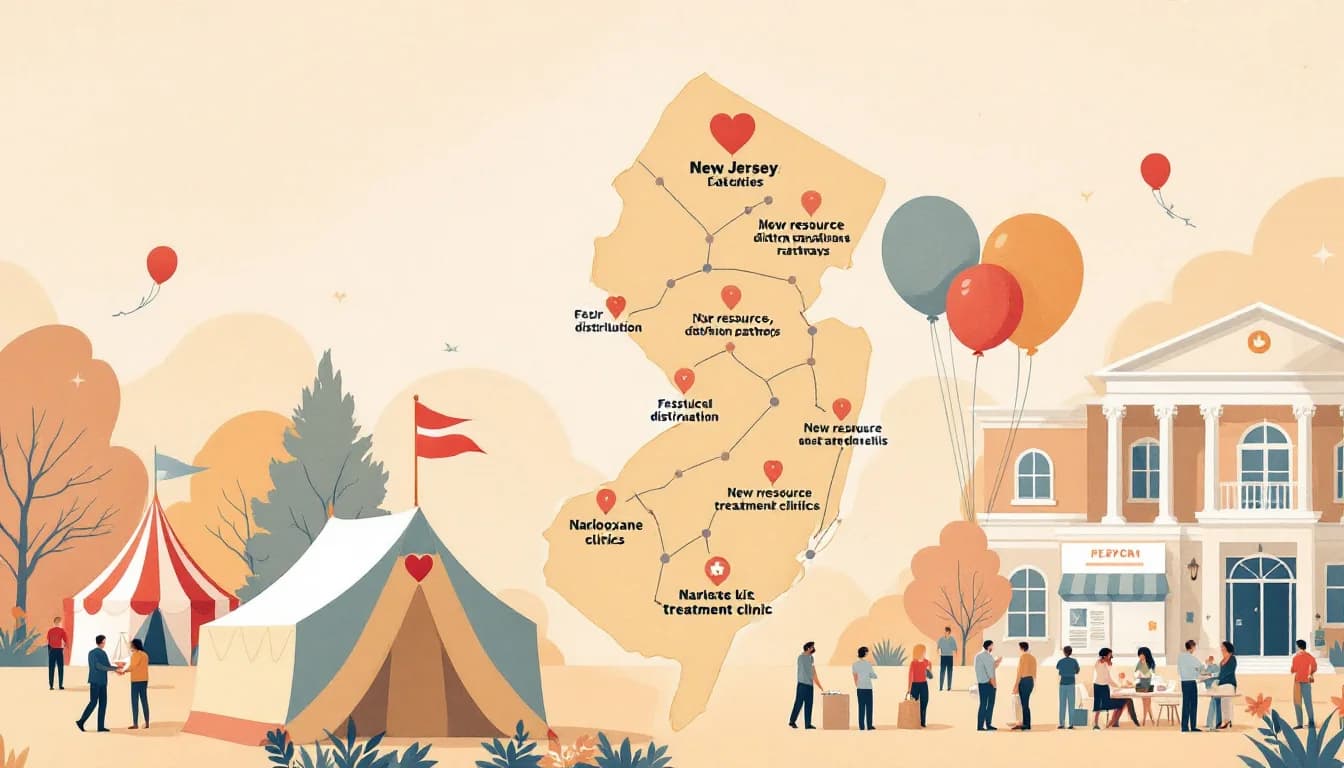
Spending reports released Thursday show New Jersey towns used opioid settlement money on concerts, bounce houses and a muscle car, prompting an oversight bill.

The VA awarded $111.9 million through the Staff Sergeant Parker Gordon Fox program to 191 community organizations serving veterans, the largest round of the grant's history.

Colorado Medicaid officials are weighing cuts to peer recovery coaching after spending on self-help and peer services rose 286% from 2022 to 2024.

HRSA awarded $89.3 million through its Rural Communities Opioid Response Program, including $62.7 million for integrated treatment and recovery services.
Gov. Mikie Sherrill signed S4413/A5253, an $8 million SPARK pilot that puts psychiatric consultations and care coordination inside up to 10 school districts.
SAMHSA awards $247.9 million in grants for opioid treatment medications, overdose reversal training, school mental health and recovery support.
Governor Newsom signed AB 113, allocating $4.7 million for California's first state-funded research into psychedelic therapy for veterans with treatment-resistant PTSD.

SAMHSA awards $42.3 million in block-grant supplements and $2 million to the ATTC Network to advance the 'Treatment First' model for homelessness and addiction.

Bipartisan bill from Senators Hassan and Scott would create one centralized application for federal addiction prevention, treatment and recovery grants.
HHS awards Alabama, Kansas and West Virginia $500,000 each in supplemental SAMHSA grants to build faith-based substance use prevention partnerships for youth.

Five years after the national settlement, Grand Traverse County opens applications Sept. 14 for more than $2.3 million in opioid settlement funding.
HHS awarded $383.4 million in SAMHSA grants on 988 Day: $252 million for 988 and crisis services, $81.4 million for substance use treatment and prevention.

The Centers' $36 million Glick Recovery Campus begins 24/7 walk-in crisis care Sept. 28 in Cleveland, expecting to serve 12,000 people a year.
Iowa AG Brenna Bird awarded $1.6 million to five organizations in the first wave of opioid settlement grants after months of criticism over delays.

Investigation finds 19 law enforcement agencies across 10 states spent over $920,000 in opioid settlement funds on Flock cameras and license plate readers.
Allegheny County reports a 41% reduction in fatal overdoses from 2023 to 2025, with officials directing $1.7 million in opioid settlement funds toward community-based recovery programs.
Health policy groups urge CMS to increase transparency for the $50B Rural Health Transformation Program as states prepare to submit first progress reports.
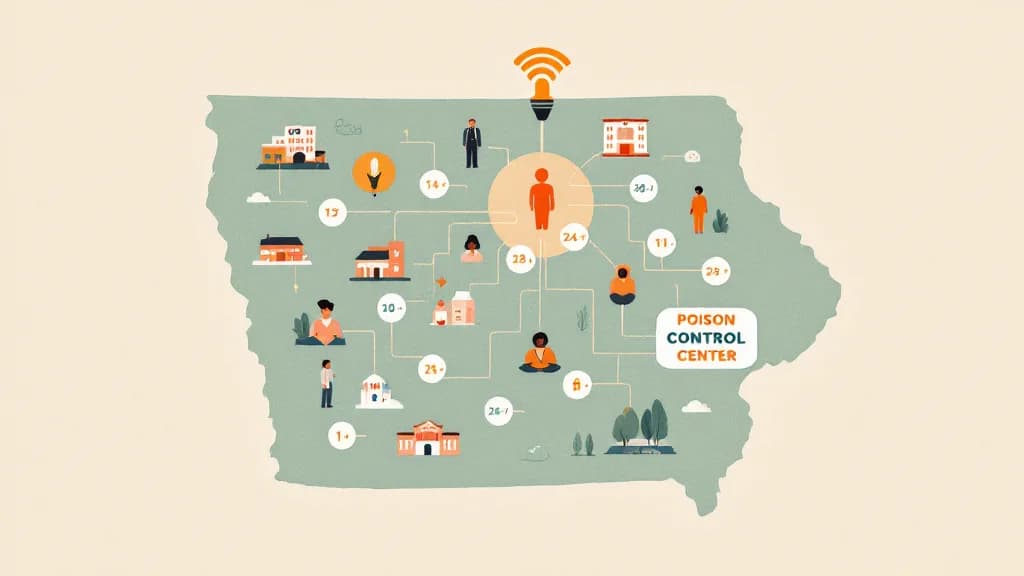
Iowa's new I-BEACON program provides round-the-clock clinical guidance to physicians treating opioid addiction, funded by the state's opioid settlement.

KFF Health News investigation reveals Louisiana sheriffs spent $8.1M in opioid settlement funds, with 66% deemed inappropriate and $4.7M on items other states ban.

Oklahoma Attorney General Gentner Drummond announces $12 million settlement with eight generic opioid manufacturers to fund addiction treatment and community grants.
Attorney General J.B. McCuskey redirects future opioid settlement dollars away from the WV First Foundation to state legislature and local governments for more direct distribution.

Connecticut has invested more than $4 million in opioid settlement funds into its first state-funded mobile methadone units, with a rural northeast van starting Aug. 18.
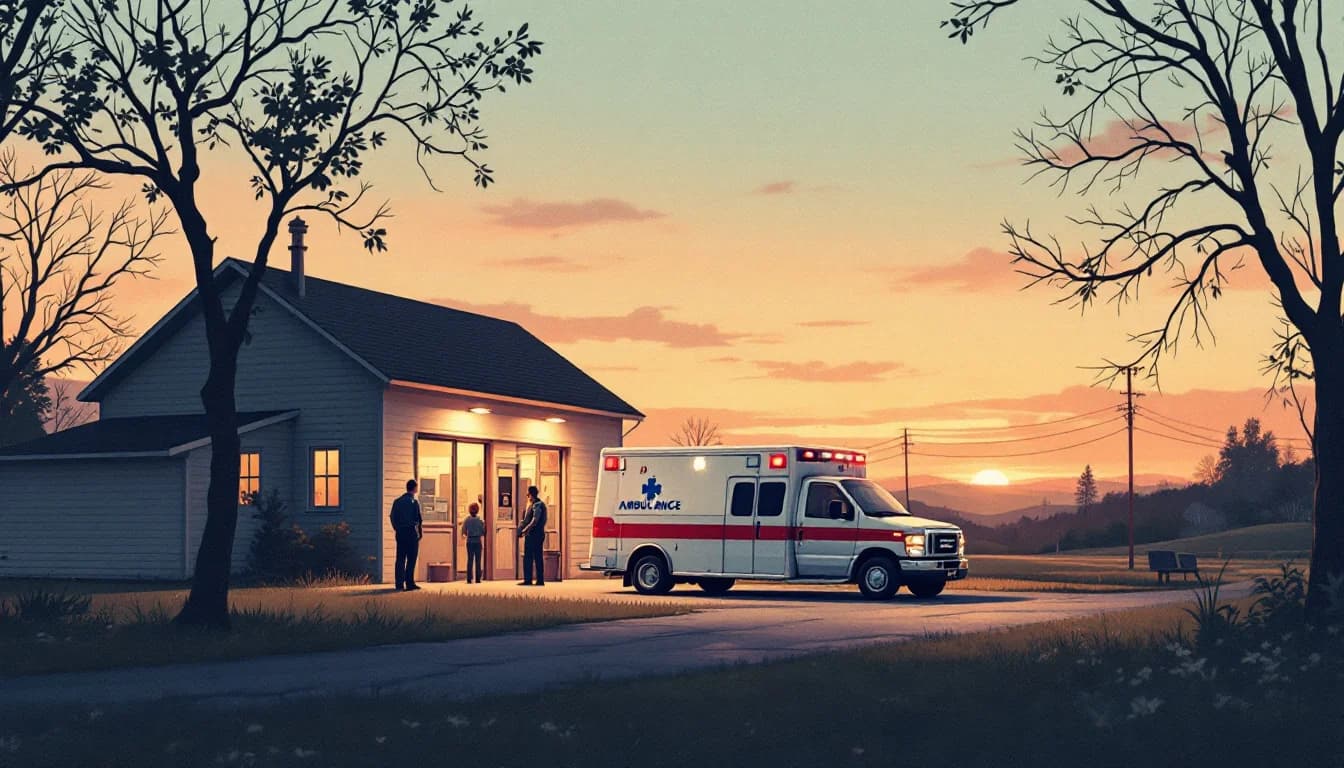
Wyoming County District Attorney Joe Peters allocates opioid settlement money to support struggling ambulance services, using a novel formula to reimburse costs associated with opioid-related emergency calls.

Washington D.C. plans to use $7.8 million in opioid settlement funds for Medicaid and existing programs, prompting protests from advocates who say this violates 'supplement not supplant' law.

Suffolk County adopts new transparency measures for opioid settlement funds after critical audit found selection issues and ethics violations, holding first public hearing with nonprofits.

A New Mexico judge rules Meta created a public nuisance fueling the teen mental health crisis, ordering a $567 million abatement fund on top of a $375 million jury verdict.

Washington, D.C.'s fiscal 2027 budget shifts millions in opioid settlement funds to Medicaid and existing treatment programs, prompting supplantation accusations.

Vancouver, Wash., approved a five-year, $4.94 million contract for the Cowlitz Indian Tribe to operate the city's mobile opioid treatment program.
New York's attorney general and governor sue prediction market Kalshi as an illegal gambling operation, seeking up to $36 billion in penalties, forfeited gains, and restitution.

HHS Secretary Kennedy toured a Southside Virginia addiction rehab facility while promoting the $50B Rural Health Transformation Program amid Medicaid cuts.

Maryland's Office of Overdose Response opens five virtual town halls Aug. 4-6 to gather public input on how to spend more than $687 million in opioid settlement funds.

Maryland will receive more than $13 million from seven generic opioid manufacturers under a nationwide settlement that imposes new marketing restrictions and monitoring requirements.

Governor Hochul directs nearly $6 million to 12 Recovery Community and Outreach Centers across New York, expanding addiction services for young people ages 12 to 17.

HHS Secretary Robert F. Kennedy Jr. convenes health care stakeholders to sign first-of-its-kind pledge advancing evidence-based mental health and addiction treatment nationwide.

The Cherokee Nation is investing $6.5 million in opioid settlement money to expand its Coming Home reentry program, including $4 million for transitional housing for formerly incarcerated tribal citizens.

Baltimore uses $15 million in opioid settlement funds to transform 911 response, sending mental health teams instead of police to crisis calls.
Democratic lawmakers say Attorney General Brenna Bird has failed to distribute settlement dollars more than a year after legislation authorized spending, leaving millions sitting unused.

State Senator John Velis warns municipalities he will pursue legislation to reclaim opioid settlement dollars after investigation finds only $19 million of $115 million distributed has been spent.

Maine's 15 county jails spent an estimated $12.6 million on addiction and mental health care last year, leaning on grants and opioid settlement funds officials call unsustainable.

A $325,000 state needs assessment says South Dakota should direct more of its opioid settlement money to addiction care for people in the justice system.

New York City budgeted $3 million a year for a program that pays 20 cents per used syringe and has collected more than 2.3 million needles in 16 months.

SAMHSA bans federal funding for clean needles and syringe services while cutting agency staff by half, alarming addiction treatment providers.
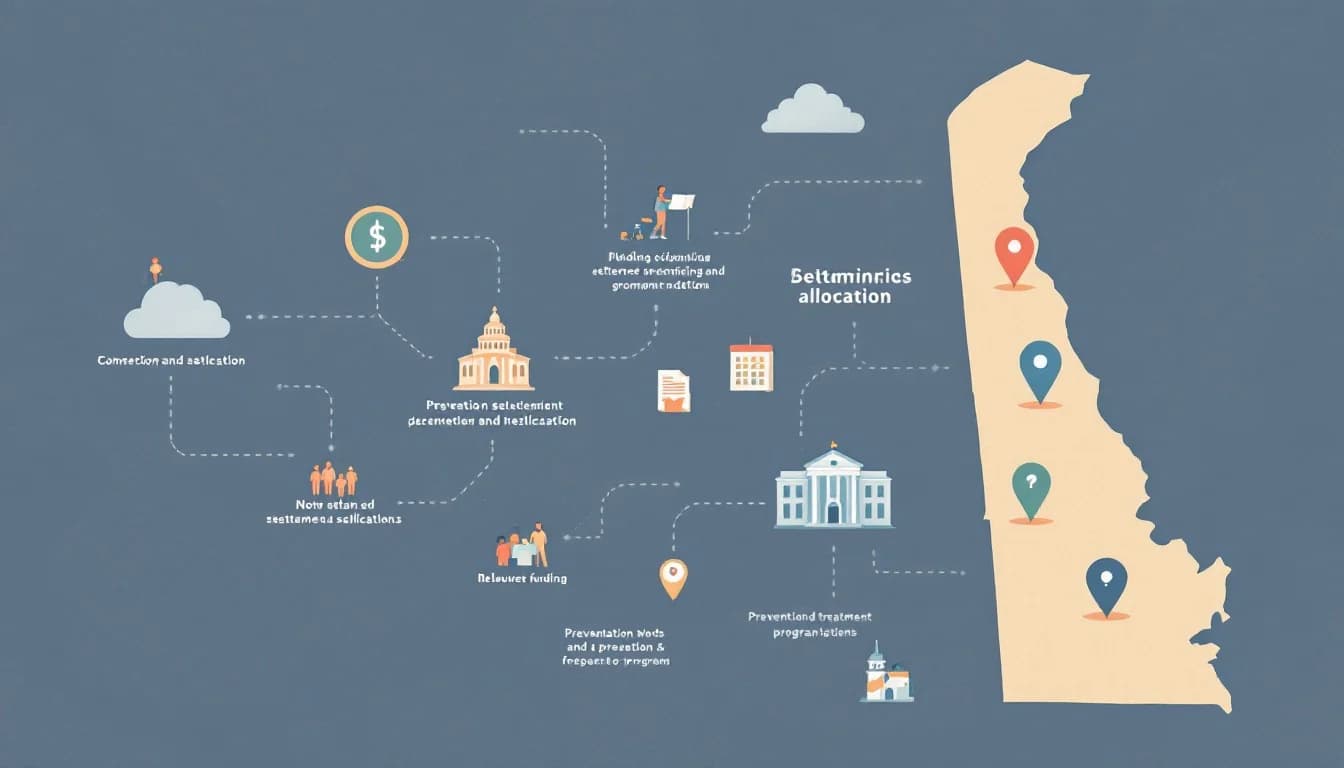
Delaware Opioid Settlement Commission launches fourth competitive grant round with $12.75 million available for prevention, treatment, harm reduction, and recovery support programs.
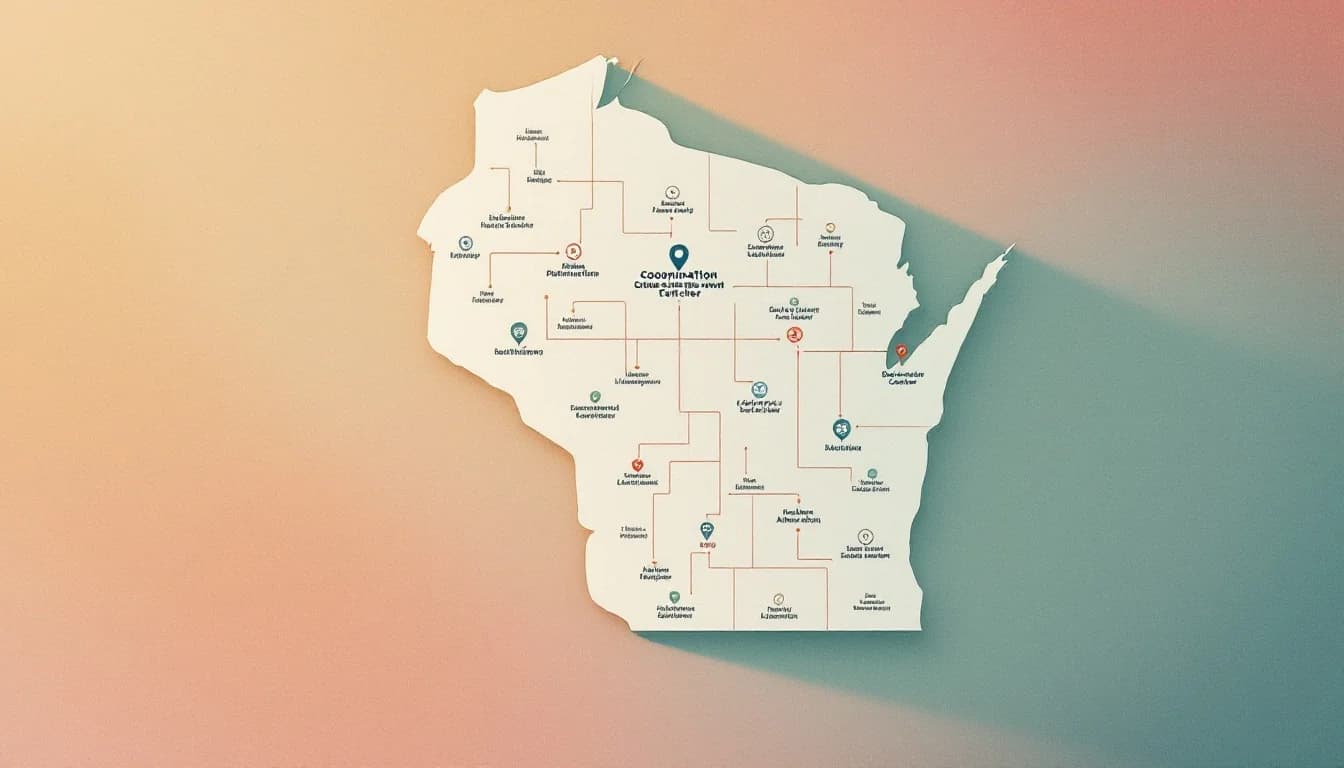
Wisconsin Watch investigation reveals $160 million in opioid settlement funds received by local governments, with 16 municipalities yet to spend any allocations.

Kentucky Attorney General Russell Coleman unveils new online dashboard developed with University of Kentucky RADOR team to provide public transparency on opioid settlement fund investments.

Attorney General Phil Weiser awards $12 million to 27 organizations through the Resilient Colorado Grant, investing opioid settlement funds in community-led prevention and recovery programs.

Grand County, Utah demonstrates how rural communities can use opioid settlement funds to create integrated recovery systems combining clinical treatment, peer support, and community-based programs.

SAMHSA announces over $281 million in funding opportunities across 15 grant programs to expand medication-assisted treatment, overdose prevention, and mental health services nationwide.
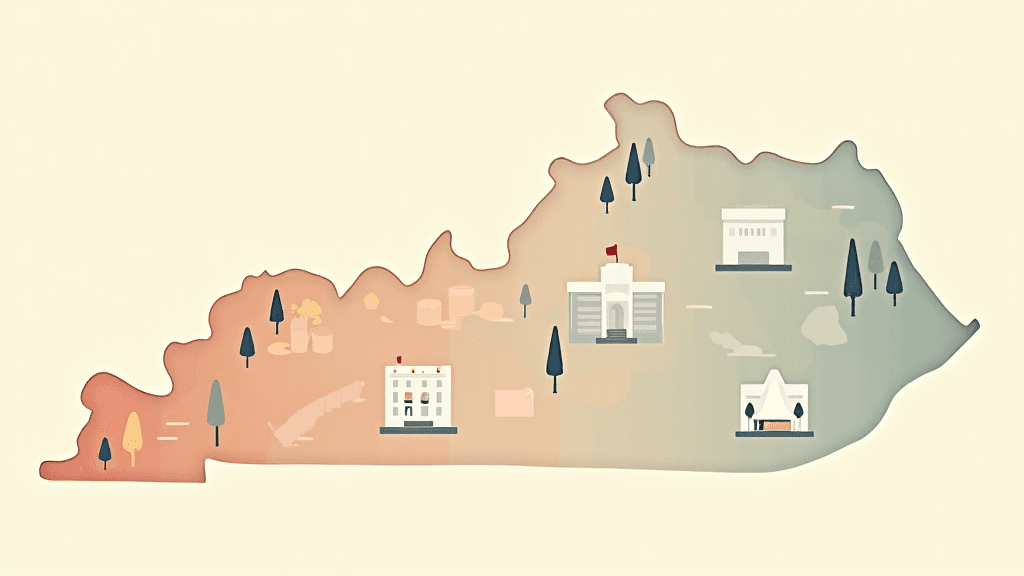
Kentucky Center for Economic Policy finds 90% of opioid settlement dollars remain unspent three years after distributions began, with half of local governments reporting zero expenditures in FY 2025.
Governor Mike Kehoe vetoes $1 million in opioid settlement funds for teen prevention programs, cutting school-based early intervention services as Missouri faces rising overdose risks.

North Carolina's new 2026-2027 state budget allocates $80 million to the Opioid Abatement Fund for addiction treatment, prevention, and recovery services across all 100 counties.

Foundation for Opioid Response Efforts awards grant to Kachemak Bay Recovery Connection as part of $3.7 million nationwide investment in community-based addiction treatment infrastructure.

New York City opens first public health vending machines on Staten Island, providing free naloxone, fentanyl test strips, and harm reduction supplies around the clock using opioid settlement funds.

Michigan awards $3.75 million in opioid settlement grants to 12 organizations focused on youth substance use prevention, targeting early intervention to reduce lifetime addiction risk.

Idaho Behavioral Health Council recommends directing opioid settlement funds toward rural areas, first responder support, and workforce development as state considers 46 project proposals.

Rural Kentucky communities are using opioid settlement money to fund comprehensive harm reduction centers that provide everything from naloxone to housing assistance, demonstrating a sustainable model for addressing addiction in underserved areas.
New Hampshire Senators Jeanne Shaheen and Maggie Hassan reintroduce landmark legislation that would authorize over $65 billion in federal funding over ten years to expand addiction treatment, prevention programs, and workforce development nationwide.

The funding package includes $96 million for the new STREETS program and $612 million for expanded behavioral health services, marking a significant federal investment in street-based outreach and community-wide recovery support.

New AI screening and multi-layer approval process creates unprecedented backlog affecting opioid treatment, suicide prevention, and disease surveillance programs nationwide.

USF researchers collaborate with Pasco County's Opioid Abatement Task Force to conduct comprehensive behavioral health system analysis and develop data-informed roadmap for strategic settlement fund allocation.

Virginia's Opioid Abatement Authority announces largest funding round to date, supporting prevention, treatment, and recovery programs across the Commonwealth.

Attorney General Kris Mayes allocates opioid settlement money to five rural counties for programs helping formerly incarcerated individuals find stability after release.
Overdoses accounted for a quarter of 46 in-custody deaths in 2025 as medication-assisted treatment waitlists leave hundreds of inmates without care, despite $8 million in opioid settlement funds earmarked for jail programs.
Hundreds of addiction and mental health service providers received termination notices Tuesday night, only to have funding restored Wednesday after swift advocacy response.

University of Colorado researchers develop comprehensive tracking system to measure how opioid settlement funds reduce overdose deaths and improve addiction treatment across the state.

Union County approves opioid settlement funding for employment assistance program, addressing a critical barrier to long-term recovery for individuals overcoming addiction.

Secretary Kennedy unveils $96 million STREETS program and $612 million in additional grants targeting substance use disorders, mental health crises, and homelessness under the Great American Recovery Initiative.

Texas is one of seven states that provide no funding for gambling addiction treatment. A surprising donation from Las Vegas Sands is helping fill the gap.

Mayor Greenberg's proposal to redirect $8 million in opioid settlement money to cover 911 call center and jail costs draws criticism from advocates who call it 'blood money' diversion.
Eight new grant programs target addiction prevention, child trauma, suicide prevention, and mental illness as part of federal behavioral health investment.

Baltimore County unveils interactive dashboard allowing residents to monitor how $90 million in opioid settlement funds are spent, following Maryland's statewide transparency initiative.

A new Federal Register notice invites patients, providers, and researchers to tell HHS which addiction treatment programs deserve federal support — with a July 5 deadline and a clear policy direction already visible between the lines.

Governor Hochul announces opening of Kate Rothko Center for Recovery, a 60-bed residential addiction treatment facility combining medication-assisted treatment with expressive arts programming.

Federal funding boost aims to strengthen nation's mental health crisis response system as 988 Lifeline surpasses 25 million contacts since launch

Republican Representative Jaime Green proposes using Michigan's opioid settlement dollars to fund clinical trials of ibogaine, a psychedelic compound showing promise for treating PTSD and addiction in veterans.

Colorado's latest round of opioid settlement grants targets Western Slope communities with mobile crisis teams, secure transport services, and expanded recovery housing to address geographic barriers to addiction care.

Rock Island County uses opioid settlement funds to help RICCA reopen first women's recovery home in nearly 20 years, addressing major service gap for women seeking addiction treatment in western Illinois.

Louisiana's Jefferson Parish plans to use $65 million in opioid settlement funds for a new drug court, raising questions about whether law enforcement or treatment providers should control addiction crisis resources.

Maryland unveils interactive dashboard tracking $747 million in opioid settlement funds, setting new standard for pharmaceutical litigation accountability and public oversight.
Attorney General Kris Mayes weighs legal action against Arizona counties allegedly misusing opioid settlement funds, highlighting growing tensions over pharmaceutical settlement accountability.

Bipartisan legislation would establish dedicated federal funding stream for multi-jurisdictional drug task forces, with 40% of resources directed to tribal and local law enforcement

The largest federally recognized tribe opens a 100-bed residential facility in Tahlequah, Oklahoma, integrating stickball, traditional gardening, and cultural practices into addiction recovery.

Governor Josh Stein announces sharpest single-year drop in overdose mortality since 2019, highlighting how opioid settlement investments are expanding access to medication-assisted treatment and recovery services across the state.
The POINTS Act would create a $50 million annual federal grant program for problem gambling treatment—the first dedicated funding stream as legal sports betting expands to 38 states.
Michigan Attorney General Dana Nessel unveils a groundbreaking transparency dashboard to track every dollar of opioid settlement funds, setting a new national standard for accountability in addiction crisis response.

Wisconsin will receive more than $80 million from the $7.4 billion Purdue Pharma and Sackler family settlement, with 70% directed to county and local governments for addiction treatment and prevention programs.
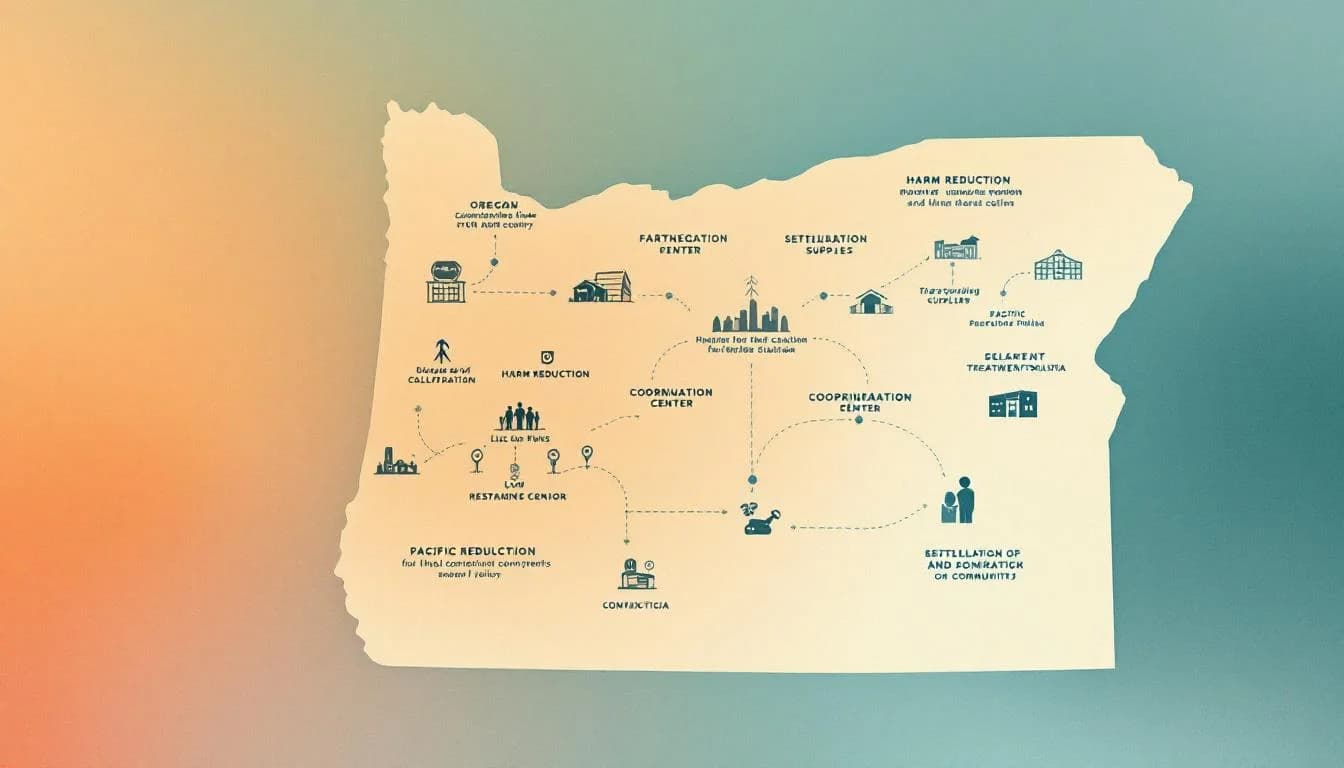
Oregon Health Authority announces $90 million in opioid settlement funding distributed over two years to support prevention, treatment, and recovery services as overdose deaths decline for the second consecutive year.

Attorney General Alan Wilson announces $256 million recovered in opioid litigation settlements, marking a major milestone for addiction treatment and prevention efforts across South Carolina.

Investigation reveals Indiana municipalities spent over $300,000 of opioid settlement funds on bodycams, vape sensors, and solar eclipse meals instead of addiction treatment.
Kentucky launches statewide recovery housing certification program to address housing instability as primary barrier to sustained addiction recovery, setting standards for sober living facilities.

Maine Attorney General Aaron Frey announces $1 million investment from state's $230 million opioid settlement fund to strengthen Mainspring's integrated recovery support model in Kittery.

Milwaukee Public Safety and Health Committee moves forward with comprehensive plan to distribute $17.1 million in opioid settlement funds across prevention, treatment, and recovery services.
Mississippi secures $40.9 million from $7.4 billion Purdue-Sackler settlement, bringing total opioid recovery to over $400 million for addiction treatment and prevention programs.

Mayor Mamdani directs opioid settlement funds to create 500 peer specialist positions, expanding community-based addiction treatment and outreach across all five boroughs.
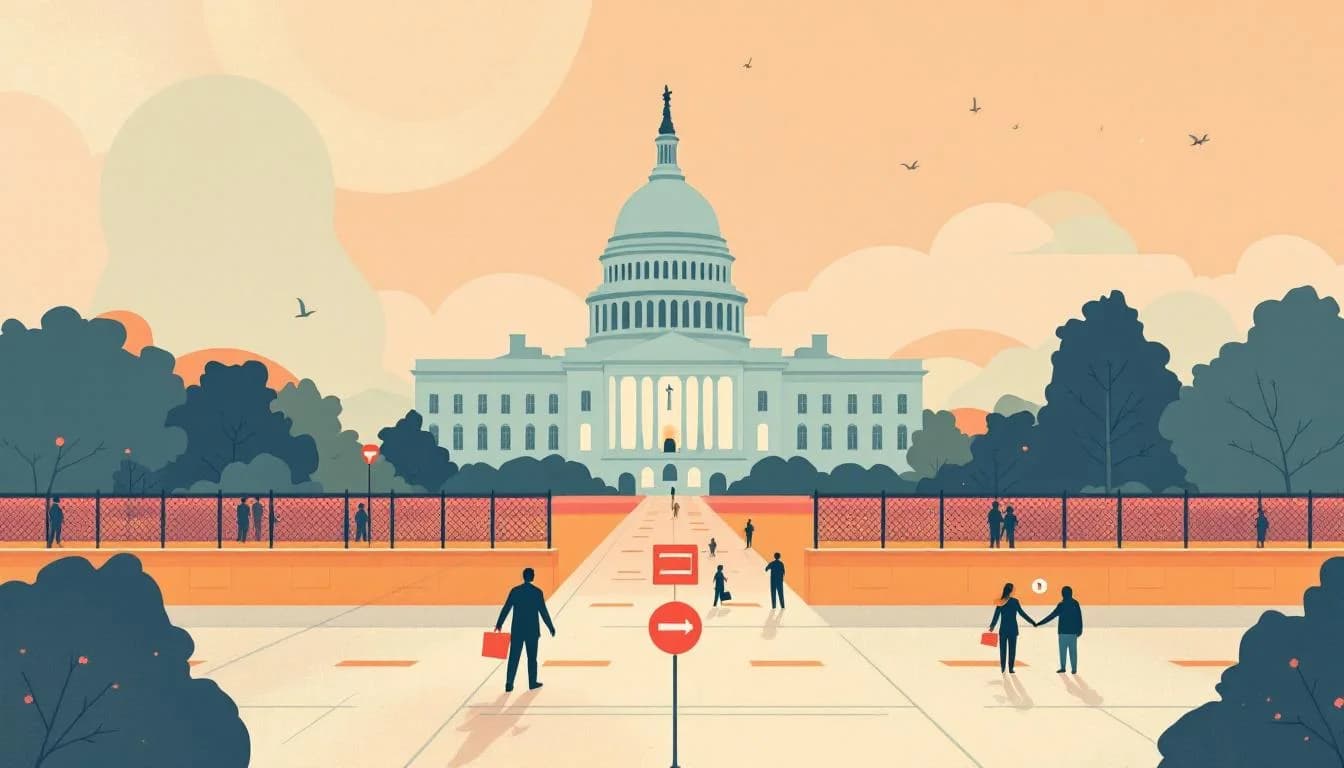
White House releases ambitious 195-page drug control strategy calling for easier treatment access, but administration's funding cuts and policy shifts threaten implementation.

Maryland's highest court rejects 'public nuisance' theory in opioid litigation, forcing Baltimore to dismiss case against McKesson and Cencora while keeping $400 million in earlier settlements.
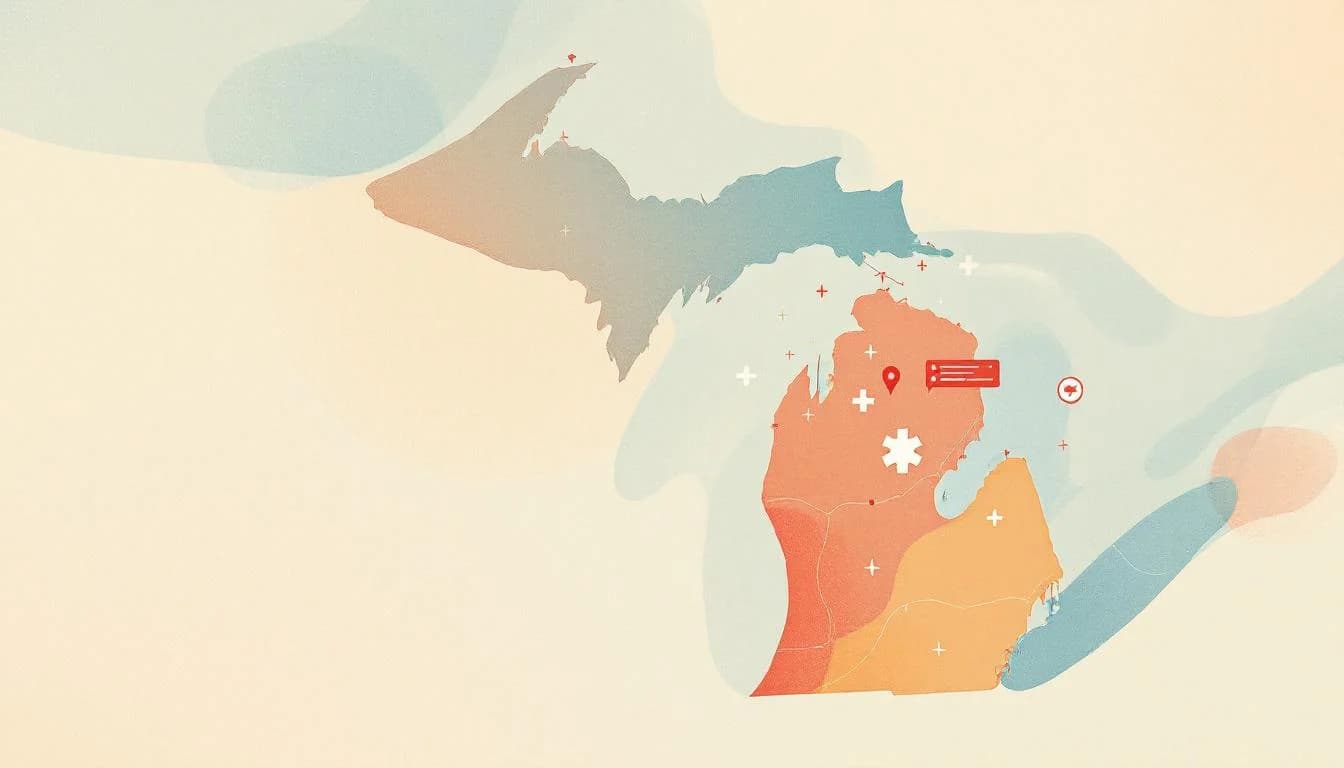
Michigan achieves a 35% reduction in opioid overdose deaths since 2023, with preliminary 2024 data projecting fewer than 2,000 fatalities through strategic harm reduction investments and naloxone distribution.

New Hampshire will receive nearly $30 million from the $7.4 billion Purdue Pharma and Sackler family settlement as the historic deal takes effect.
Holyoke, Massachusetts announces inaugural distribution of opioid settlement funds, awarding nearly $1 million to five organizations for recovery coaching, harm reduction, job training, and emergency support.

Healey-Driscoll Administration announces Mosaic Municipal Matching Grants to expand prevention, harm reduction, treatment, and recovery services in communities disproportionately impacted by overdose crisis.

Colorado Opioid Abatement Council distributes infrastructure grants to 24 organizations, with demand exceeding available funding nearly four to one.

Historic expansion of Wisconsin's oldest women's addiction treatment facility addresses critical waitlist of 100+ people, funded by opioid settlement dollars and private philanthropy.

Arizona secures $108 million from the $7.4 billion Purdue-Sackler settlement, bringing the state's total opioid recovery to $1.2 billion amid rising overdose deaths.

Maryland Attorney General Anthony Brown announces $90 million state allocation from $7.4 billion Purdue-Sackler settlement effective May 2026, with funds directed to treatment, prevention, and recovery services.

Pennsylvania Attorney General Dave Sunday announces $200 million state allocation from $7.4 billion Purdue-Sackler settlement, bringing state's total opioid recovery past $2 billion milestone

Attorney General Jeff Jackson announces North Carolina's share of $7.4 billion national settlement, bringing state's total opioid recovery funds to $1.6 billion for addiction treatment and prevention.

Texas Attorney General Ken Paxton announces $286.5 million state allocation as $7.4 billion Purdue Pharma settlement takes effect, bringing Texas opioid recoveries past $3 billion milestone

Nevada expects $57.9 million over 15 years from the $7.4 billion Purdue Pharma and Sackler family settlement, bringing the state's total opioid settlement recovery to over $1.2 billion.

South Carolina to receive $72.8 million over 15 years as $7.4 billion Purdue Pharma and Sackler family settlement takes effect, bringing total state recovery to over $750 million.

The historic $7.4 billion Purdue Pharma and Sackler family settlement becomes legally effective May 1, 2026, with states beginning to receive funds for addiction treatment and prevention programs.

Federal court sentences OxyContin maker to historic penalties, clearing path for bankruptcy settlement that includes $865 million for victims—but many will be shut out under tightened eligibility rules.

Eden Village uses $140,000 in opioid settlement grants to provide permanent supportive housing and peer counseling for chronically homeless individuals recovering from addiction.

Georgia's Opioid Crisis Abatement Trust opens applications for Year 3 funding, allocating $20 million to address addiction and overdose across the state.

Local governments in South Dakota struggle to deploy opioid settlement dollars while the state moves faster with grants and programs, highlighting challenges rural areas face in addressing the addiction crisis.
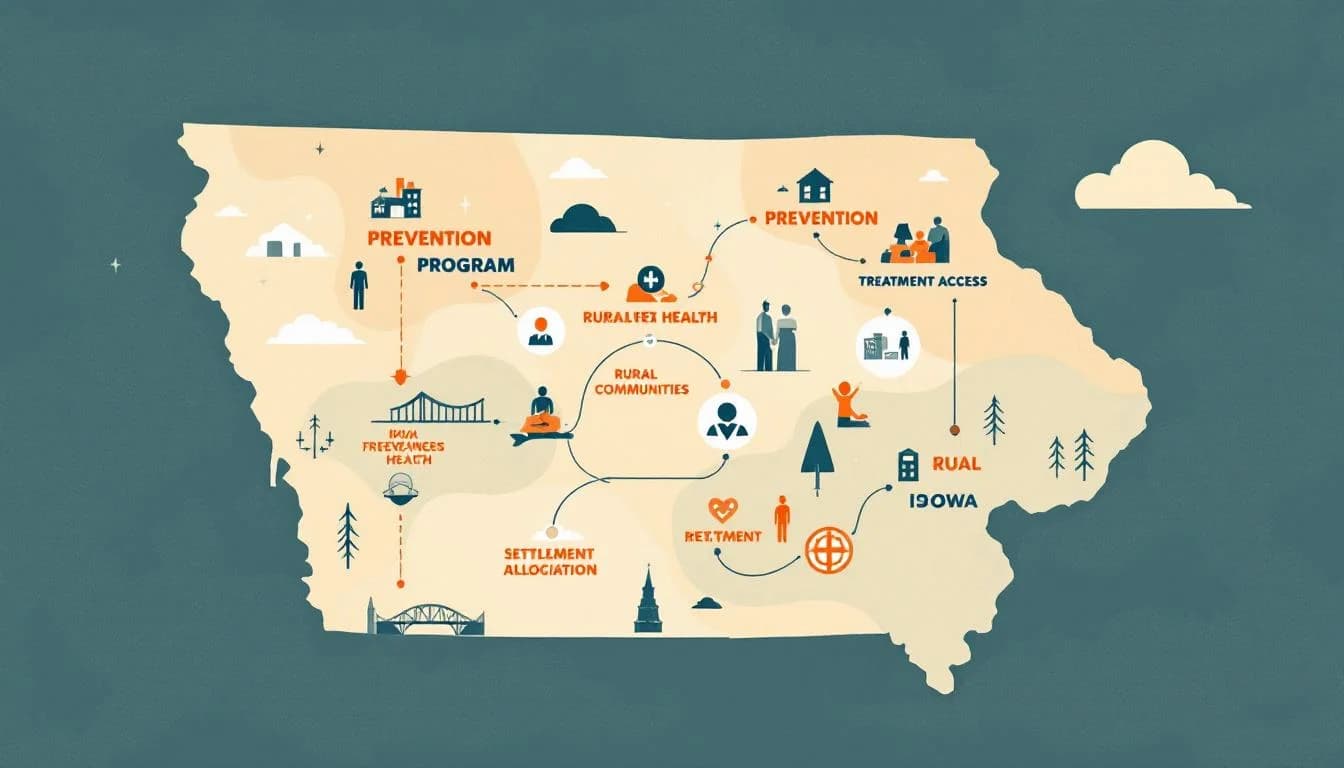
Iowa Attorney General Brenna Bird announces $9 million in opioid settlement grants for community prevention and treatment programs, with funds flowing through state legislature-approved distribution framework.

Rural Oklahoma faces barriers accessing opioid settlement grants due to lack of grant-writing expertise and community partnerships, while metro areas and schools secure most funding.

Kentucky Opioid Abatement Advisory Commission distributes record $34 million to 100+ organizations, bringing total community investment past $100 million since 2021.
Utah joins $773.7 million national settlement with Albertsons Companies, directing funds to opioid abatement programs for treatment, recovery services, and prevention efforts.

Mayor Brandon Scott unveils first annual report and public dashboard tracking how Baltimore invests settlement dollars from opioid litigation into harm reduction, treatment, and community services.
State Senator Pat McMath proposes using unspent opioid settlement dollars to fund clinical research into psychedelic-assisted therapy for veterans, first responders, and people with opioid dependence.
Albertsons and Safeway parent company agrees to $773 million national settlement, with Oregon receiving up to $38.2 million over nine years to expand addiction and recovery services.

The Trump administration abruptly canceled hundreds of SAMHSA grants funding overdose prevention, naloxone distribution, and peer recovery support, putting addiction services at risk nationwide.
Twenty Kentucky counties join forces through the KACo Opioid Solutions Network to share best practices and strategically deploy nearly $1 billion in settlement funds

White House budget request would slash drug prevention grants, consolidate SAMHSA into new agency, and merge NIDA with alcohol institute while cutting $200 million from research.

More than 200 residents protest proposed 122-bed addiction treatment facility funded by California's Proposition 1, highlighting tensions between statewide mental health expansion and neighborhood concerns

Iowa Department of Health and Human Services opens applications for up to $10 million in opioid settlement funds to expand behavioral health services and strengthen recovery systems across the state

Wisconsin Department of Health Services announces comprehensive $31 million opioid response strategy combining treatment access expansion, harm reduction, and law enforcement education.
Michigan's MDHHS accepting applications through April 30 for loan repayment up to $30,000 to SUD providers as state confronts workforce shortage limiting treatment access for 1.3 million residents.
North Carolina awards federal block grants to 12 community organizations for rural treatment, crisis response, and justice-involved recovery programs targeting 1.4 million residents with substance use disorders.
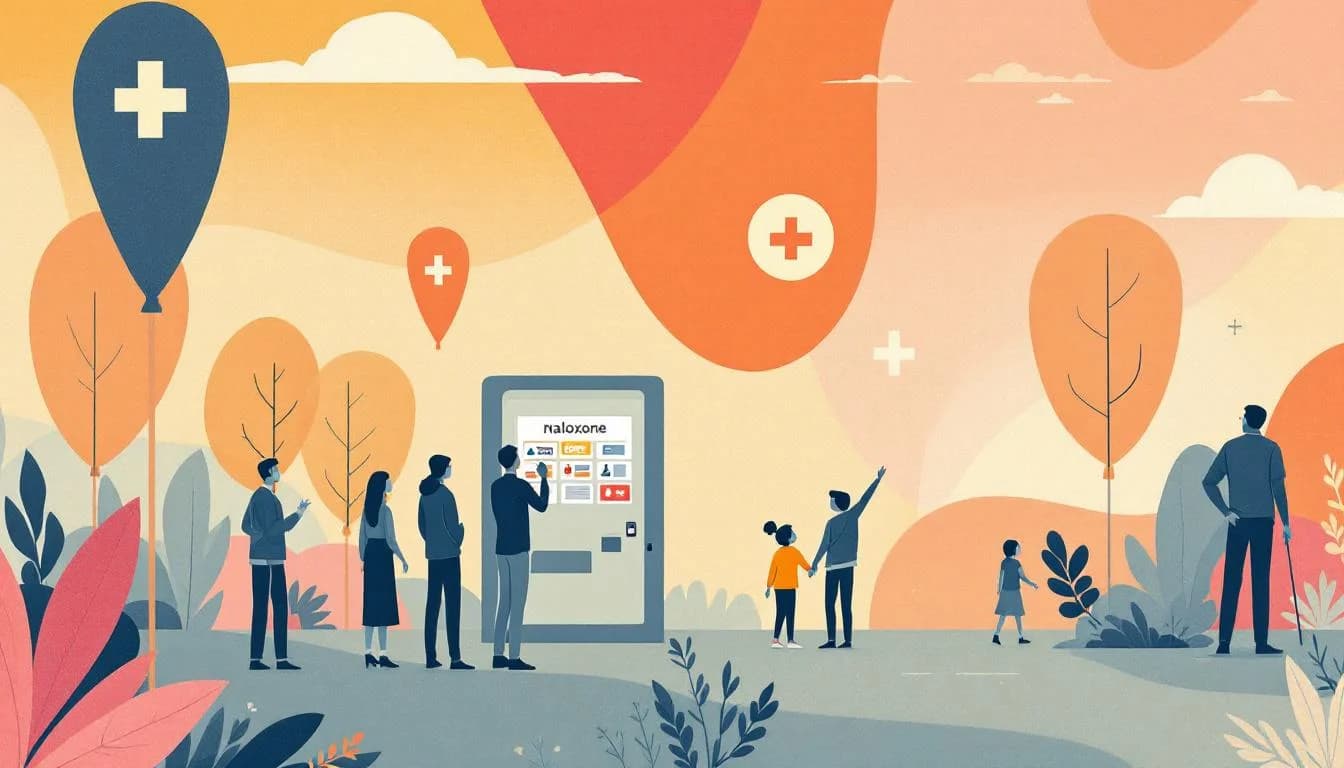
Central Health plans 45 free naloxone units by September as Travis County overdose deaths drop 22%, expanding vending machines and community partnerships to sustain decline.

NCDHHS awards federal block grant funding to twelve community organizations targeting rural areas, youth prevention, and criminal justice-involved populations as state battles 1.4 million struggling with substance use.
National coalition urges Congress to maintain SAMHSA, NIH, and addiction program funding in FY2027 appropriations amid proposed 12.5% HHS budget cuts.
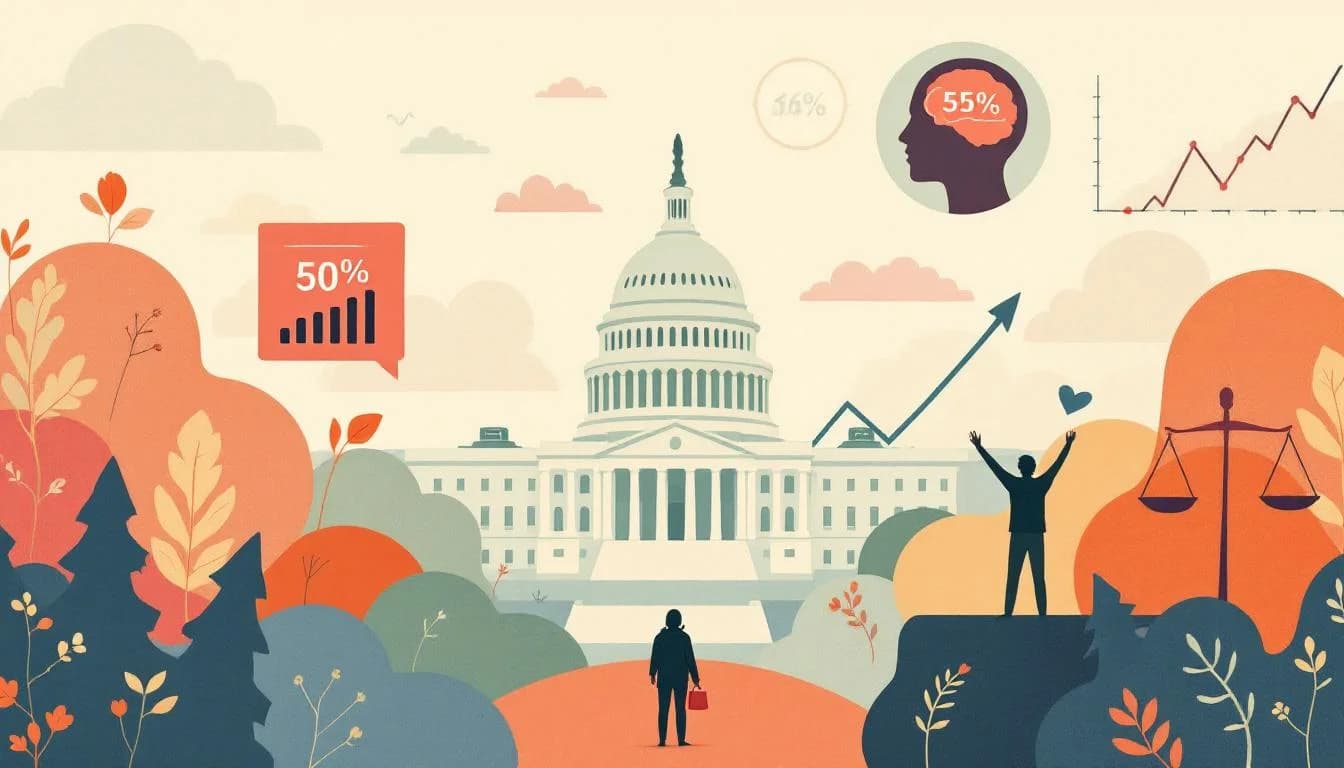
House roundtable examines paradox of doubled treatment access, 241% spending increase while depression and suicide reach historic highs. Youth antidepressant prescriptions jump 63%.
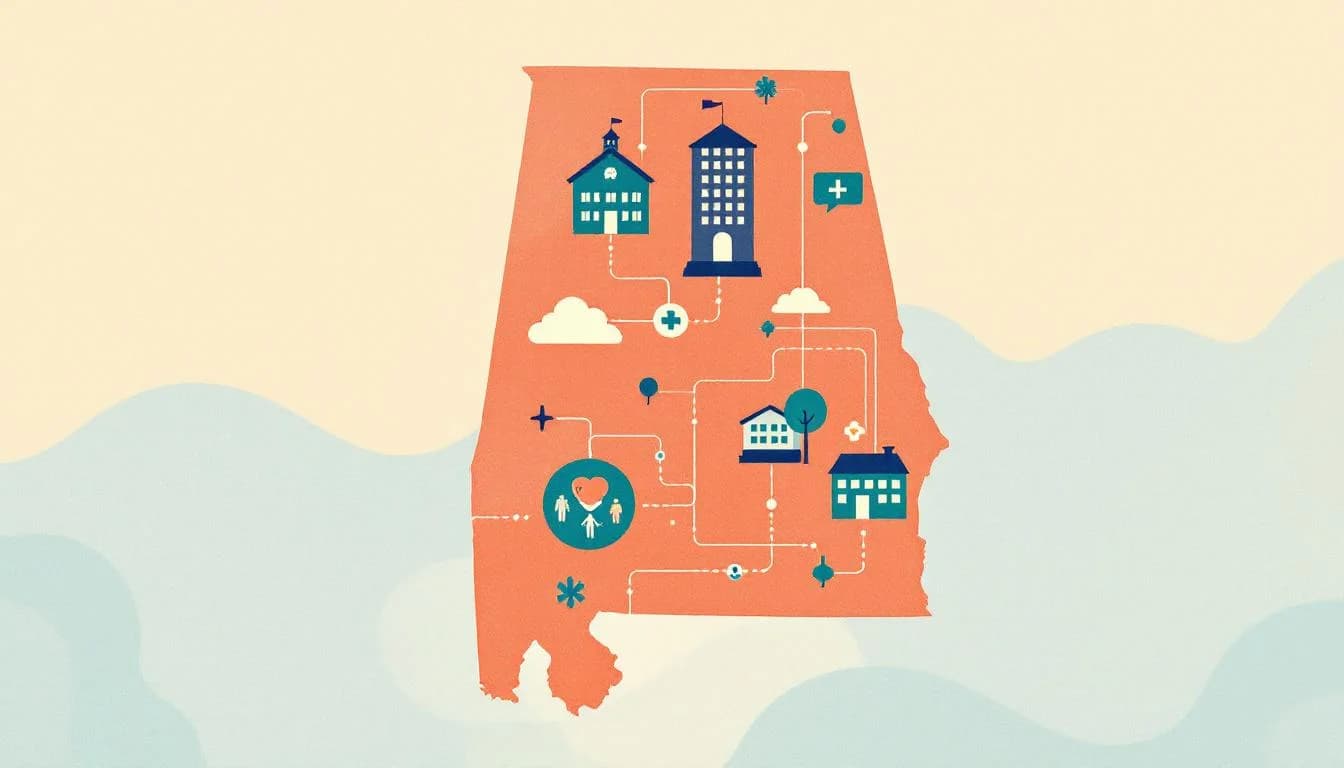
Longleaf Lodge launches with 50 residential and 10 detox beds, addressing Alabama's crisis where 19% need substance use treatment but only 5% receive it. Integrated care model tackles co-occurring conditions as wait times stretch weeks to months.
Federal initiative targets individuals experiencing homelessness and substance use disorders through outcomes-based approach, but faith-based inclusion and punitive policy context raise concerns among public health advocates.
Second round of 'transformative grants' prioritizes youth treatment expansion, school prevention programs, and mobile crisis response as state officials emphasize building complete care continuum

Deal flow in substance use disorder treatment hits six-year low as investors pull back amid quality concerns, Medicaid uncertainty, and volatile federal grants—leaving safety-net providers facing potential closures.

Despite receiving $800 million since 2023, more than 40% of Michigan counties have yet to distribute opioid crisis mitigation funds while overdose deaths continue claiming nearly 2,000 lives annually.
Governor Rhoden announces funding for 10 organizations as Attorney General Jackley pushes for direct allocation to Sioux Falls and Rapid City treatment centers.
Senator Patty Murray announces funding for Tacoma-Pierce County mobile medical services while highlighting successful pushback against Trump administration's proposed $2 billion SAMHSA grant terminations.
Georgia county awards settlement dollars to programs ranging from peer support to residential treatment as officials confront third-highest opioid death toll in the state.
State lawmakers advance plan to distribute nearly $60 million in opioid settlement money, sidestepping the independent council created just last year to oversee spending.
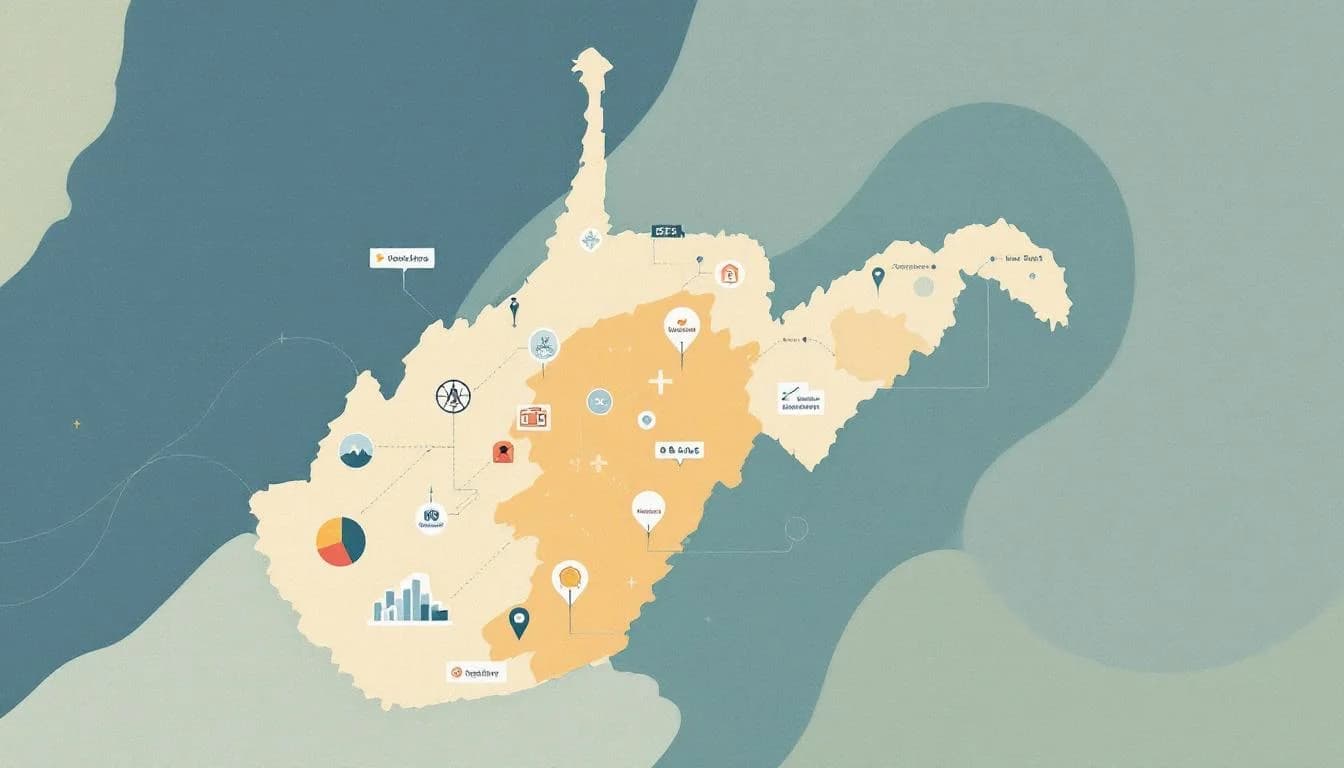
WVU leads 18-month statewide assessment to guide how three-quarters of West Virginia's opioid settlement funds will be spent, creating public dashboard to identify gaps and maximize impact.

State officials unveil plan to restructure troubled mental health agency, potentially dissolving it and shifting control to Department of Health as providers struggle with service cuts.
Congressional oversight hearing exposes chaotic federal response to addiction crisis as $2 billion in treatment grants remain uncertain and agency staff cut by half
Governor Josh Stein announces expansion of Law Enforcement Assisted Diversion programs to seven counties, offering treatment alternatives to incarceration for low-level offenses involving substance use.

Baltimore's finalized Overdose Response Strategic Plan ups its target to a 50% reduction by 2040, backed by nearly $600 million in opioid settlement funds and community-driven priorities.
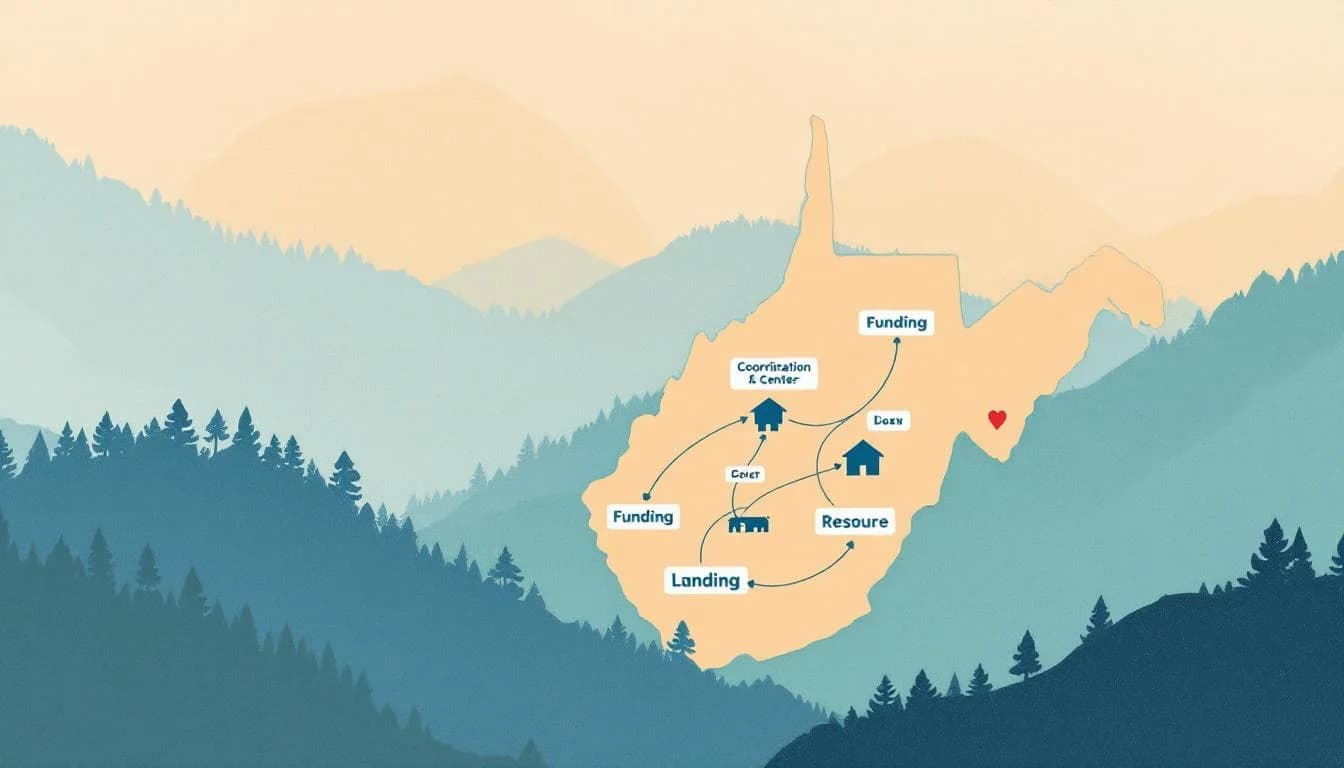
West Virginia First Foundation introduces Regional Contingency Allocation Program allowing six regions to respond to immediate community needs outside traditional grant cycles, managing nearly $1 billion in settlement funds.
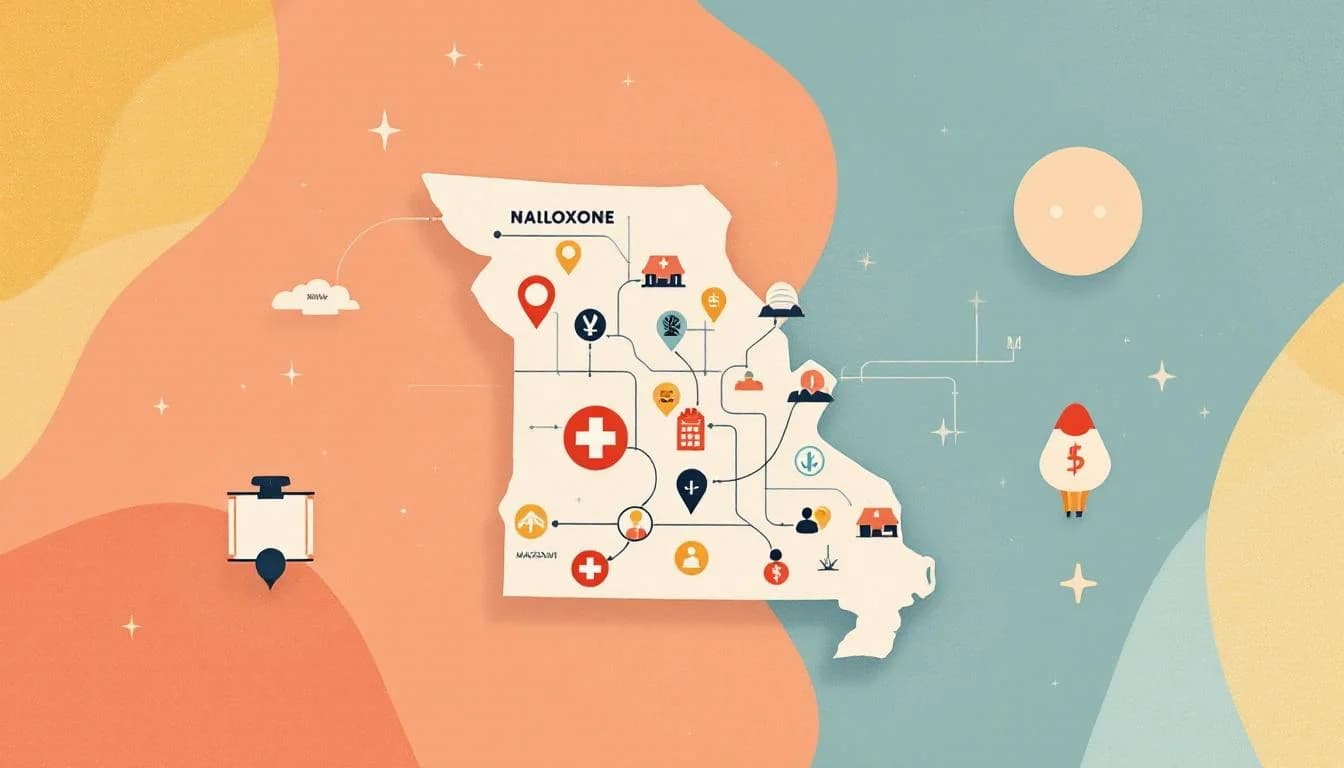
Columbia adds twelve public naloxone boxes as Missouri House proposes $8M cut to statewide distribution, threatening 800 agencies and 7,500 documented overdose saves since 2017.

Federal funding establishes Pennsylvania Addiction Action Network to coordinate data-driven allocation of settlement funds across all 67 counties as state confronts 4,719 annual overdose deaths.

Somerset County commissioners chose to protect a jail Sublocade program with zero overdose deaths over prevention services as opioid settlement funds run short.

Senate Bill 2185 passed committee and would mandate MAT screening and access in all Illinois prisons, funded by opioid settlements, following a Kane County program that cut overdose deaths by 89%.

Mayor Daniel Lurie announces Proposition 1 funding for 100 new psychiatric and addiction treatment beds across three sites, even as the city faces $900 million deficit and federal funding cuts.

Parents who lost children to overdoses are urging Pennsylvania to use settlement money to create a comprehensive bereavement support system modeled on Philadelphia's Philly HEALs program.

SAMHSA's termination and rapid restoration of $2 billion in mental health grants in January exposed fragility of addiction infrastructure as overdose deaths decline for first time in decades.

New research shows patients adherent to extended-release buprenorphine injections had $15,017 lower annual costs and fewer emergency visits than those using other opioid use disorder medications.

New transparency tool shows municipalities spent just 12% of available settlement funds in latest fiscal year, while state officials emphasize accountability in managing $1 billion expected through 2039.

New Oregon laws streamline licensing, strengthen workplace safety, and expand access to mental health and addiction services amid one of the nation's worst provider shortages
Lawmakers push package of reforms including 988 funding, treatment bed registry, and insurance coverage mandates as state struggles to meet crisis response needs.

Eight new mental health and drug treatment facilities will receive Proposition 1 funding, including sobering centers and residential programs across the Bay Area

Bipartisan POINTS Act would allocate $100M annually from sports betting taxes to prevention and treatment programs, marking the first dedicated federal investment in gambling disorder services.

Indiana city's first round of settlement funding prioritizes community organizations meeting people at every stage of recovery, including grief counseling for families navigating substance use loss.

New state transparency dashboard reveals municipalities spent just 12% of available settlement funds in FY2025 while communities await critical addiction services and harm reduction programs.

City Council approves five-year opioid settlement funding plan targeting overdose prevention through community-based Narcan distribution, HIV testing, and integrated harm reduction services.

Maine city finally distributes nearly all available settlement money to 16 organizations, three years after receiving first payments, as Penobscot County sees rising overdose deaths.

State lawmakers unanimously approve evidence-based mandates and conflict-of-interest safeguards for $400M+ opioid settlement fund after investigative reporting exposed governance failures.
Harm Reduction Coalition of San Diego failed to pay subcontractors and staff for months while COO allegedly misappropriated over $200,000 in public funds for personal expenses.

Federal judge's ruling forces Education Department to restore funding for 120 school mental health projects, extending support through June 2026 as legal battle continues.

Federal agency opens funding applications for children's mental health services, suicide prevention frameworks, and assisted outpatient treatment programs as part of broader recovery initiative.

Governor Newsom awards funding to 28 regions while launching accountability system recognizing 'CARE Champions' and placing underperforming counties in intensive support program.

Mississippi Senate passes HB 314, allocating $5M from opioid settlement funds to join Texas and Arizona in FDA clinical trials of ibogaine for opioid addiction and PTSD treatment.

MDHHS distributes free naloxone kits at local offices statewide, funded by $1.8 billion opioid settlement. State reports 35% decline in overdose deaths since 2023.

While Mississippi sits on over $400 million in opioid settlement funds, the state has spent almost none of it on treatment or family services — even as it leads the nation in children living with grandparents and foster care tied to parental substance use.

House Bill 487 allocates $43M from opioid settlements to prevention, treatment, and recovery programs, with unanimous bipartisan support as Alabama reports 30% reduction in overdose deaths.

Local governments in Maine allocated $3 million from opioid settlements in 2025 toward treatment, prevention, and law enforcement programs, with $19 million remaining and new reporting requirements now in place.

State legislators advance $5.7 million appropriation to sustain 988 Mental Health Lifeline after federal funding expires in September, citing success in diverting crisis calls from emergency services.

California's CalRx program cuts naloxone costs by more than half while the state's distribution initiative crosses a staggering milestone in overdose reversals.