
Pharmacists in Primary Care Teams Expand OUD Treatment, Trial Finds
A four-site NIDA-funded trial found embedding pharmacists in primary care addiction teams was feasible everywhere it was tried, for about $18,000 a site.
October 15, 20265 min read

170 articles found
A four-site NIDA-funded trial found embedding pharmacists in primary care addiction teams was feasible everywhere it was tried, for about $18,000 a site.

Virginia, Shatterproof and 211 Virginia launched Treatment Atlas, a free platform that compares addiction programs on evidence-based care, insurance and medications.
A $13.3 million Arnold Ventures grant funds a Pittsburgh randomized trial of weekly semaglutide for alcohol and opioid use disorder, launching in early 2027.
FAIR Health's annual Opioid Tracker update shows commercially insured opioid use disorder diagnoses rose 32.7% from 2022 to 2025, with Tennessee highest.
Kent's hearing examiner cleared a 2,883-square-foot expansion so Therapeutic Health Services can open the city's second opioid treatment program.

Louisiana won federal approval for a waiver that pays for addiction treatment and a 30-day medication supply before someone leaves prison, starting in 2027.

Dane County opioid settlement money helped the UW Health Compass Program extend its hours, widening walk-in access to addiction treatment in Madison.
A survey of 855 U.S. primary care and emergency physicians finds more addiction training is linked to less stigma toward patients with substance use disorders.
Somerset County, Maine's jail won a $3.1 million SAMHSA grant to fund its extended-release buprenorphine program until jails can bill Medicaid.
A Bronx trial's automated opioid-use screen flagged 9,140 records but produced just 23 buprenorphine starts, a 5 percent initiation rate.
A state performance audit found all 100 sampled Medicaid opioid treatment claims missed at least one requirement and flagged $875,696 in overpayments.
North Carolina will spend more than $17 million in federal rural health funds on addiction treatment, mobile crisis teams and psychiatric care for 2026-27.
A practical checklist for evaluating addiction treatment centers — licensing, accreditation, evidence-based care and real costs — plus the red flags to walk away from.
A Duke-led survey of 585 pharmacists finds most see benefits in dispensing methadone through community pharmacies, but few know the model is already legal.

A Vanderbilt-led study of 9,360 Tennessee pregnancies found more days of buprenorphine or naltrexone around delivery was linked to lower overdose and death risk.

The EEOC says the shipbuilder withdrew job offers from five applicants who take prescribed buprenorphine, violating the Americans with Disabilities Act.

Clear Scientific's CS-1103, a first-in-class sequestrant, accelerated fentanyl clearance into urine 25-fold in a 16-person Phase 2 trial. Phase 3 is set for 2027.
A JAMA Network Open analysis of 229,847 young Medicaid enrollees finds only half start opioid addiction treatment and just 3.1% stay on medication past 180 days.

Federal officials cleared Maine's Whole Person Care Waiver, letting MaineCare cover reentry services up to 60 days before release from jail or prison.
A JAMA Internal Medicine study of two Philadelphia hospitals finds severe withdrawal needing an ICU sedative rose from under 6% to about 32% as medetomidine spread.
Philadelphia's first mobile methadone van, operated by Merakey in Kensington, has connected 567 people to treatment since its October 2025 soft launch.
SAMHSA awards $247.9 million in grants for opioid treatment medications, overdose reversal training, school mental health and recovery support.
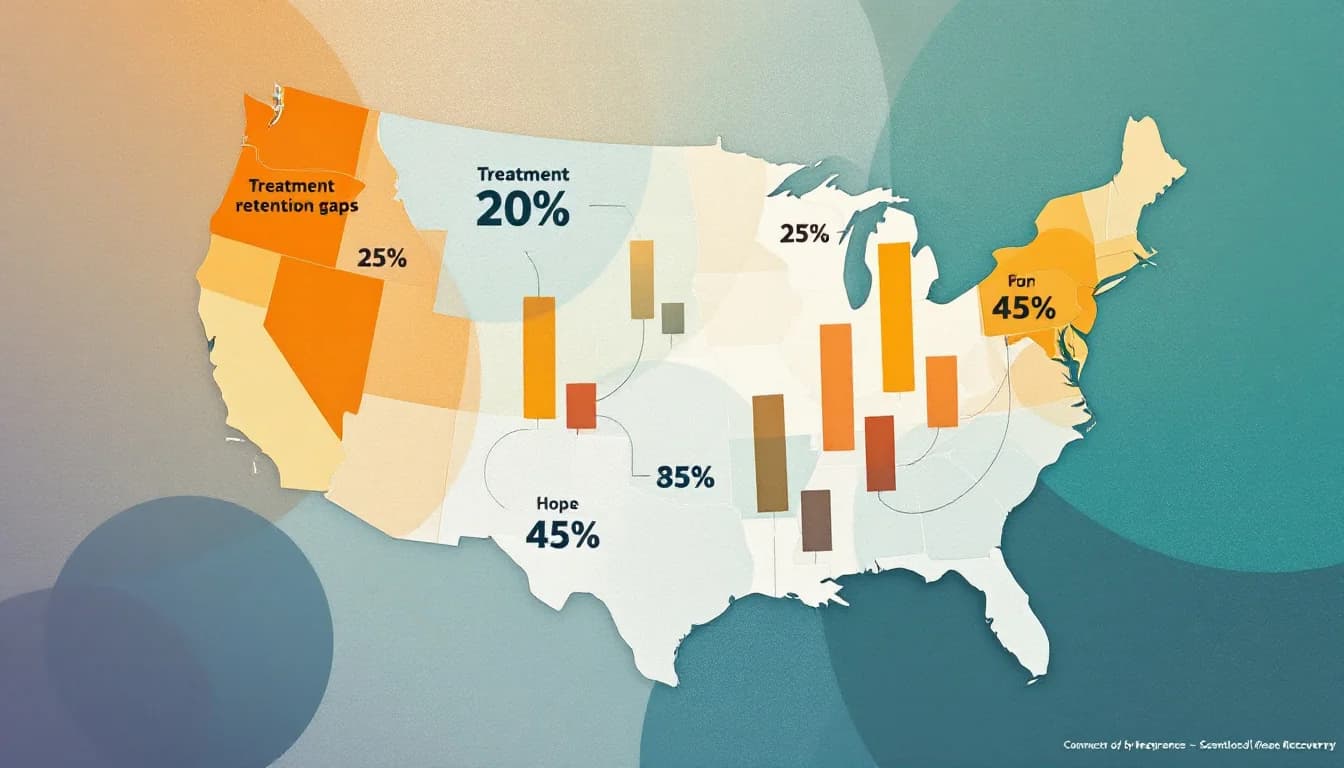
A nationwide analysis of 1,218 opioid treatment programs finds that higher patient retention correlates with lower hospitalizations, ER visits, and mortality.

Urban Institute analysis: Medicaid-covered buprenorphine fills rose from 936,000 in 2010 to 8.2 million in 2025, gains now threatened by federal Medicaid cuts.

The Centers' $36 million Glick Recovery Campus begins 24/7 walk-in crisis care Sept. 28 in Cleveland, expecting to serve 12,000 people a year.

BAART Programs adds office-based buprenorphine treatment at 11 opioid treatment centers in six states, two days after sister brand MedMark expanded at 25 sites.

Yakima County's first inpatient medical detox facility begins accepting patients, bringing medication-assisted withdrawal care to a county that lost 90 people to overdoses in 2025.

JAMA Network Open study suggests methadone may reduce death risk 22% more than buprenorphine for opioid overdose survivors, though experts question clinical significance.
Senators Markey and Paul reintroduce MOTAA 2.0 to expand methadone access beyond clinics, facing fierce opposition from treatment providers who warn of diversion risks.

New study in Addiction Science & Clinical Practice documents how a mobile opioid treatment unit in Rhode Island reaches unhoused patients and breaks down barriers to care.

Nature Communications publishes breakthrough wireless microneedle device that delivers electrical stimulation for pain relief, offering non-opioid alternative for chronic pain management.

Governor Newsom launches CA Bridge Connect, a first-in-the-nation free service offering immediate same-day help for Californians seeking opioid addiction treatment.
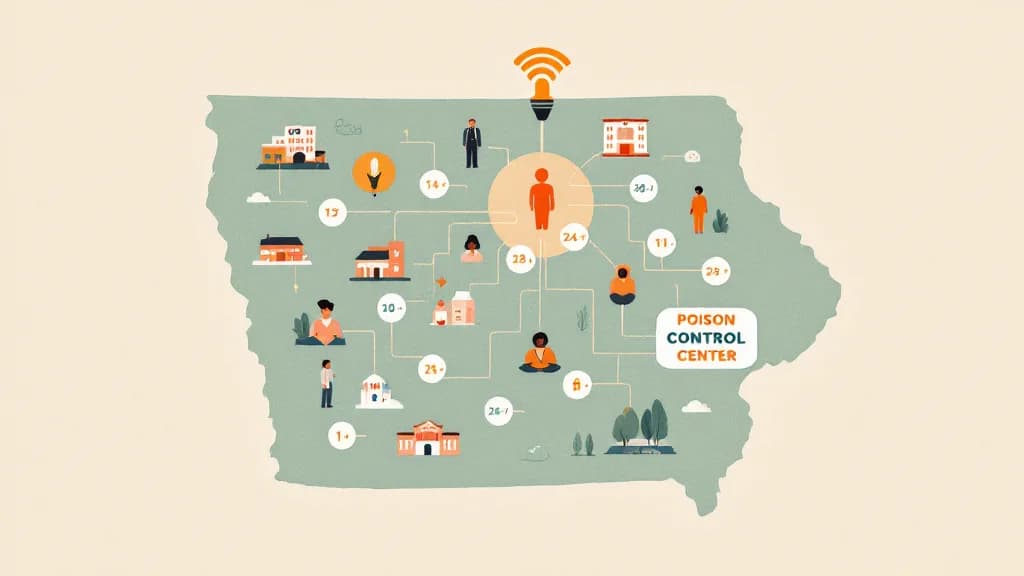
Iowa's new I-BEACON program provides round-the-clock clinical guidance to physicians treating opioid addiction, funded by the state's opioid settlement.

Vanderbilt Health opens enrollment for the TAB study, a randomized trial testing whether the GLP-1 medication tirzepatide can help stabilize patients on buprenorphine and prevent relapse.

University of Tennessee audit uncovers serious problems in Dr. Craig Towers' influential study promoting detox for pregnant women with opioid addiction, raising ethical concerns about patient consent.
Suzetrigine (Journavx) becomes the first novel non-opioid pain medication approved by FDA in over 20 years, offering surgery patients effective pain relief with significantly lower opioid use.

Vanderbilt University researchers begin testing whether GLP-1 medications used for diabetes and obesity can help prevent relapse in patients with opioid use disorder.

Fewer than 39,000 Americans under 26 filled buprenorphine prescriptions in 2023, a decline from 2017, even as youth overdose deaths surged 25%.

FDA clears IND application for ANS-858, a first-in-class ALDH2 inhibitor targeting pathological craving in alcohol and substance use disorders, clearing path to Phase 1 trials.

Survey data reveals over 75% of opioid treatment programs adopted flexible take-home medication policies, but advocates question whether cultural shift reaches patients who need it most.

Connecticut has invested more than $4 million in opioid settlement funds into its first state-funded mobile methadone units, with a rural northeast van starting Aug. 18.

Four years after Colorado required county jails to provide MOUD and post their policies, nearly 40% have no publicly available policy, CU Anschutz researchers found.

First buprenorphine prescriptions for opioid use disorder abandoned before dispensing rose from 19% in 2020 to 37% in 2024, CDC researchers report.

Sublocade maker Indivior will merge with Supernus Pharmaceuticals in an all-stock deal creating a $2.2 billion CNS biopharmaceutical company.

Vancouver, Wash., approved a five-year, $4.94 million contract for the Cowlitz Indian Tribe to operate the city's mobile opioid treatment program.

The VA's CRAVE trial will enroll more than 600 veterans at 18 medical centers to test whether weekly semaglutide injections can treat alcohol use disorder.

Phase 2 RECLAIM trial shows pemvidutide significantly reduces heavy drinking days in alcohol use disorder patients, offering hope for 28 million Americans.

SAMHSA updates 42 CFR Part 8 regulations for the first time in 20 years, expanding telehealth prescribing and take-home medication access for opioid treatment programs.

JAMA Network Open study of 36,752 patients finds buprenorphine-naloxone reduces nonfatal opioid overdose risk compared to extended-release naltrexone following medical detox.

House lawmakers introduce MOTAA 2.0 to allow pharmacy-based methadone prescribing, expanding access to the 80% of U.S. counties without opioid treatment programs.

New research finds that more than 93% of rural U.S. counties have no Medicare-enrolled opioid treatment program, creating deadly barriers to methadone access for older adults.

Maine's 15 county jails spent an estimated $12.6 million on addiction and mental health care last year, leaning on grants and opioid settlement funds officials call unsustainable.

A $325,000 state needs assessment says South Dakota should direct more of its opioid settlement money to addiction care for people in the justice system.

Oregon, Rhode Island and Michigan have shelved plans to start Medicaid before release from jail, and only four of 19 approved states have programs running.

H.R. 9790 would let board-certified addiction specialists prescribe methadone for pharmacy pickup, bypassing clinics absent from 80 percent of U.S. counties.

New Jersey becomes one of the first states to require hospitals to confirm drug test results before reporting new mothers to child welfare authorities.

Arizona's Medicaid agency AHCCCS debuts a GenAI locator built on Google's Gemini that connects residents to more than 100 vetted opioid treatment providers.

Governor Kay Ivey awards $70,694 grant to implement substance abuse treatment combining medication-assisted treatment with counseling for inmates at Jefferson County Jail.

Shasta County Jail partners with Mediko to launch medication-assisted treatment for substance use disorders and prepares for California's CalAIM reentry initiative.
Study in Drug and Alcohol Dependence finds standard methadone and buprenorphine doses often inadequate for heavy fentanyl dependence, raising treatment retention concerns.

Wisconsin reports 1,185 drug overdose deaths in 2024, a 33% decline from 2022 peak, as naloxone distribution and medication-assisted treatment expansion show measurable results.
Phase 3 trial shows Eli Lilly's oral GLP-1 drug orforglipron delivers superior blood sugar control and weight loss compared to oral semaglutide.

Delaware becomes one of the first states to implement uniform emergency department protocols for treating opioid use disorder, aiming to transform overdose visits into recovery opportunities.

SAMHSA approves Mountain Lakes Behavioral Healthcare and Highland Health Systems as Certified Community Behavioral Health Clinics, bringing coordinated mental health and substance use treatment to rural Alabama counties.

SAMHSA announces over $281 million in funding opportunities across 15 grant programs to expand medication-assisted treatment, overdose prevention, and mental health services nationwide.

DyAnsys Drug Relief receives FDA clearance as a non-narcotic auricular neurostimulation device designed to alleviate opioid withdrawal symptoms during detoxification.

Indivior's decision to pull extended-release buprenorphine from Australia by year-end highlights the unintended consequences of Trump's 'most favoured nations' pricing approach on addiction treatment access worldwide.

Chicago and suburban Cook County report largest overdose death reduction of any U.S. county, with deaths falling from 1,961 in 2022 to 1,138 in 2024 through strategic harm reduction and naloxone distribution.

Powerful veterinary tranquilizer medetomidine causes life-threatening withdrawal symptoms in incarcerated individuals, overwhelming jails ill-equipped to treat complex opioid dependence

The Modernizing Opioid Treatment Access Act 2.0 would allow board-certified addiction physicians to prescribe methadone directly, breaking the monopoly of specialty clinics and bringing treatment closer to patients.

New Hampshire Senators Jeanne Shaheen and Maggie Hassan reintroduce landmark legislation that would authorize over $65 billion in federal funding over ten years to expand addiction treatment, prevention programs, and workforce development nationwide.

New federal guidance empowers pharmacists to prescribe buprenorphine for opioid use disorder, potentially transforming access to medication-assisted treatment in underserved communities.

Landmark BMJ study of 600,000+ veterans finds GLP-1 medications like Ozempic and Wegovy associated with 14-25% lower risk of developing substance use disorders, including alcohol, opioids, and stimulants.

Comprehensive Healthcare in Yakima implements ZING robotic dosing system, reducing wait times and improving accuracy for medication-assisted treatment patients in rural Washington.

Virginia's Opioid Abatement Authority announces largest funding round to date, supporting prevention, treatment, and recovery programs across the Commonwealth.
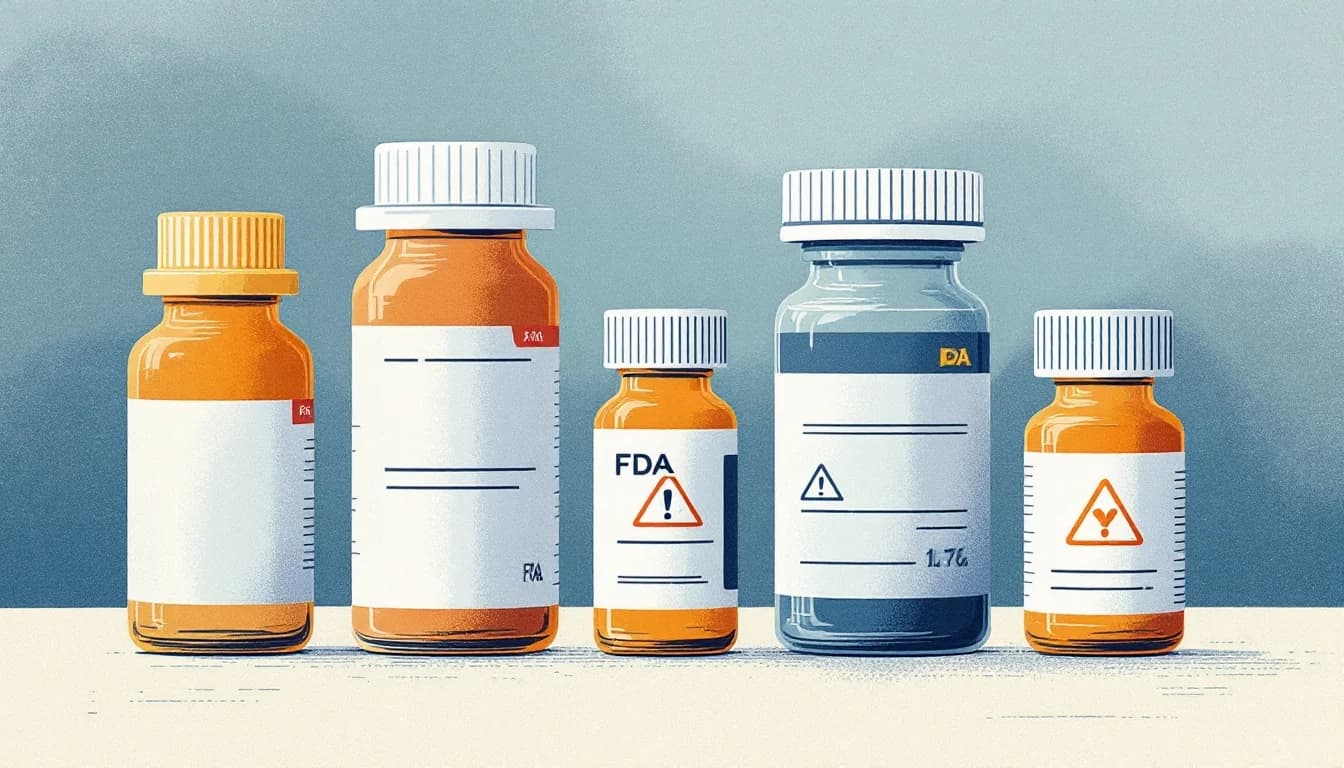
FDA requires updated labeling for buprenorphine and methadone products, emphasizing that medication-assisted treatment should not be withheld from patients using benzodiazepines or other CNS depressants.
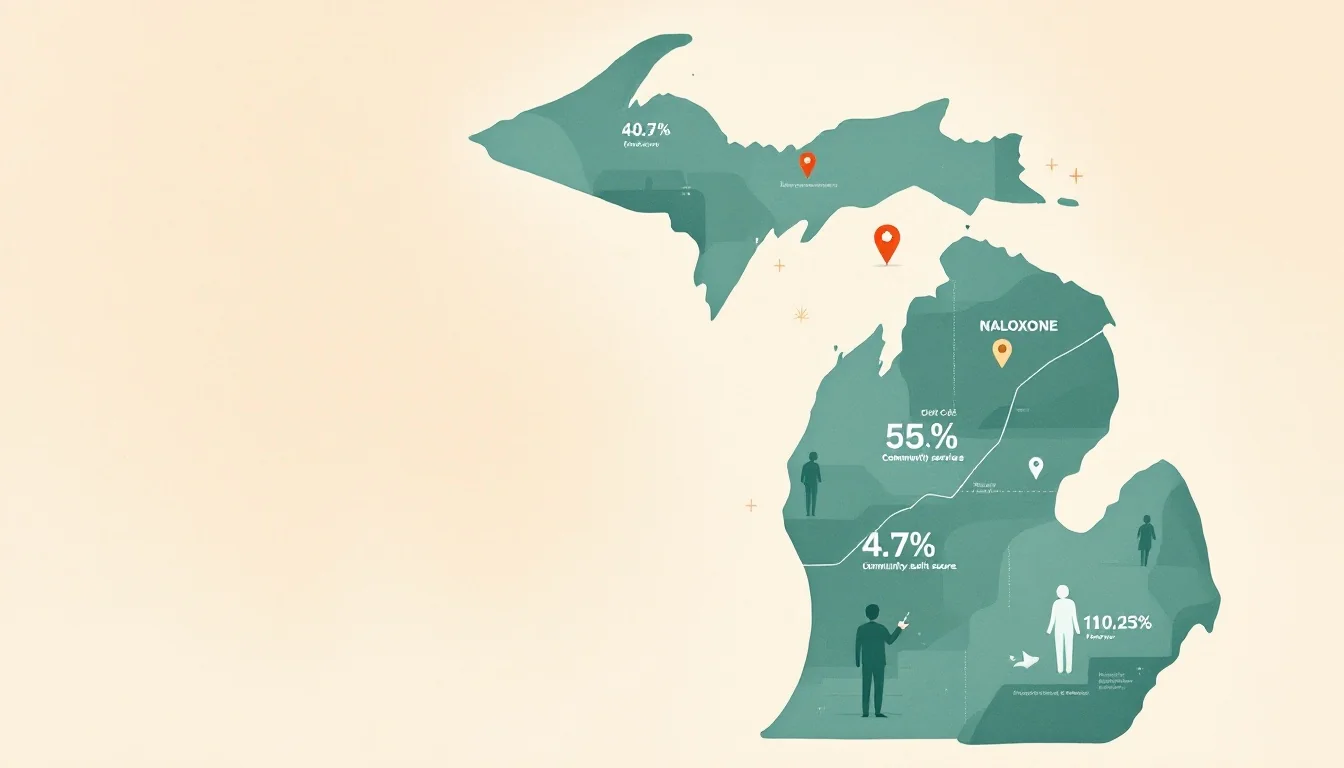
Michigan health officials announce 47% reduction in overdose mortality since 2021 peak, attributing success to expanded naloxone distribution, harm reduction services, and improved treatment access.

Overdoses accounted for a quarter of 46 in-custody deaths in 2025 as medication-assisted treatment waitlists leave hundreds of inmates without care, despite $8 million in opioid settlement funds earmarked for jail programs.

North Carolina's third mobile medication-assisted treatment program brings buprenorphine and methadone directly to underserved communities through partnership with Oak City Cares homeless services hub.

DEA final rule formally eliminates X-waiver for buprenorphine prescribing and extends injectable medication window from 14 to 45 days, removing major barriers to medication-assisted treatment.

New research reveals the staggering tolerance levels of people who use illicit fentanyl, explaining why medication-assisted treatment protocols designed for heroin era often fail.

SAMHSA's April guidance cautioning against indefinite methadone and buprenorphine use reignites debate over medication-assisted treatment as overdose deaths decline nationwide.

Scripps Research Institute develops experimental vaccine that blocks fentanyl and multiple dangerous variants by training immune system to recognize broad molecular signatures shared across the drug class.

New educational platform aims to equip healthcare professionals with practical skills to treat substance use disorders amid nationwide provider shortage.

Massachusetts opioid overdose deaths fell to 978 in 2025, a nearly 60% decline from the 2022 peak of 2,364 deaths. The state credits comprehensive harm reduction, expanded treatment access, and community partnerships.

Governor Hochul announces opening of Kate Rothko Center for Recovery, a 60-bed residential addiction treatment facility combining medication-assisted treatment with expressive arts programming.

Washington University study of 600,000 veterans finds GLP-1 medications like Ozempic and Wegovy associated with reduced risks of substance use disorders and fewer overdoses across alcohol, opioids, nicotine, and other drugs.

Federal researchers receive FDA approval to begin Phase I clinical trial of mitragynine, marking first government-sanctioned human study of kratom's potential therapeutic effects.

Aegis Treatment Centers launches second Mobile Medication Vehicle to bring daily opioid treatment to Amador and Calaveras counties, eliminating geographic barriers in California's Sierra foothills.

DEA and HHS extend COVID-era telehealth flexibilities for prescribing controlled substances including buprenorphine through December 31, 2026, expanding access to addiction treatment nationwide.

Real-world data shows patients with fentanyl use disorder treated with monthly injectable buprenorphine stayed in treatment longer than those on daily sublingual formulations

Comprehensive Healthcare launches mobile unit in Ellensburg to expand medication-assisted treatment access in Kittitas County, eliminating geographic barriers for rural patients seeking opioid use disorder care.

CDC data shows New York State overdose deaths fell 44.9% over three years, saving more than 5,000 lives, with opioid fatalities down nearly 52% since 2022.

New data from Lancaster County Prison shows medication-assisted treatment for opioid addiction reduced reincarceration rates by nearly 50%, offering a model for correctional facilities nationwide.

A new review reveals that the vast majority of adolescents with opioid use disorder are denied access to life-saving medications like buprenorphine, despite FDA approval and clinical guidelines supporting their use.

FDA grants Breakthrough Therapy designation to LSD d-tartrate for generalized anxiety disorder, accelerating development of the first LSD-based psychiatric treatment and signaling regulatory openness to psychedelic therapies.
New NIH study reveals how cAMP signaling in brain neurons drives GLP-1 weight-loss effects, identifying a pathway to potentially extend treatment duration and break through patient plateaus.

SAMHSA's updated guidance states that medication-only models for opioid use disorder are inadequate, reigniting tensions between comprehensive care ideals and the practical realities of treatment access.

Illinois lawmakers approve landmark legislation requiring county jails to provide medication-assisted treatment for opioid use disorder, addressing critical care gaps in correctional facilities.

A landmark NIH-funded clinical trial finds that treating babies with neonatal opioid withdrawal syndrome based on their symptoms rather than fixed schedules reduces hospital stays and medication exposure.

Groundbreaking initiative brings buprenorphine and counseling to detained individuals, addressing a critical gap in addiction care within the state's criminal justice system.

Real-world evidence demonstrates extended-release buprenorphine significantly reduces opioid relapse, bloodstream infections, and healthcare utilization compared to daily oral formulations.

Stanford-led research shows low-dose buprenorphine after ketamine infusion extends anti-suicidal benefits from days to weeks, offering new hope for high-risk patients.

Governor Josh Stein announces sharpest single-year drop in overdose mortality since 2019, highlighting how opioid settlement investments are expanding access to medication-assisted treatment and recovery services across the state.

Wisconsin will receive more than $80 million from the $7.4 billion Purdue Pharma and Sackler family settlement, with 70% directed to county and local governments for addiction treatment and prevention programs.

Clinical trial shows semaglutide plus cognitive behavioral therapy significantly reduces alcohol consumption, offering new hope for treating alcohol use disorder with existing medications.

University of California Davis scientists create new amino acid-based compounds that activate serotonin receptors for mental health benefits without causing hallucinations, potentially revolutionizing addiction and depression therapy.

New NIH-funded research reveals that oral small-molecule GLP-1 drugs like orforglipron suppress hedonic feeding by modulating the central amygdala, opening potential pathways for treating substance use disorders.

New JAMA Network Open research from Yale brings together 42 national experts to develop consensus guidelines for initiating addiction medications in hospitals as fentanyl transforms treatment protocols

New data shows medication-assisted treatment for opioid use disorder reached 69% among Medicaid beneficiaries by 2023, yet 180-day treatment retention declined from 62.6% to 57.7%.

Colorado Opioid Abatement Council distributes infrastructure grants to 24 organizations, with demand exceeding available funding nearly four to one.

Historic expansion of Wisconsin's oldest women's addiction treatment facility addresses critical waitlist of 100+ people, funded by opioid settlement dollars and private philanthropy.

Maryland Attorney General Anthony Brown announces $90 million state allocation from $7.4 billion Purdue-Sackler settlement effective May 2026, with funds directed to treatment, prevention, and recovery services.

Kentucky reports fourth straight year of declining overdose deaths with 22.9% reduction in 2025, marking 50.8% decrease from 2021 peak as comprehensive state strategy shows sustained results.

Georgia's Opioid Crisis Abatement Trust opens applications for Year 3 funding, allocating $20 million to address addiction and overdose across the state.

Physicians publish urgent editorial urging federal action to protect access to addiction medications during climate emergencies after Hurricane Helene exposed critical gaps.
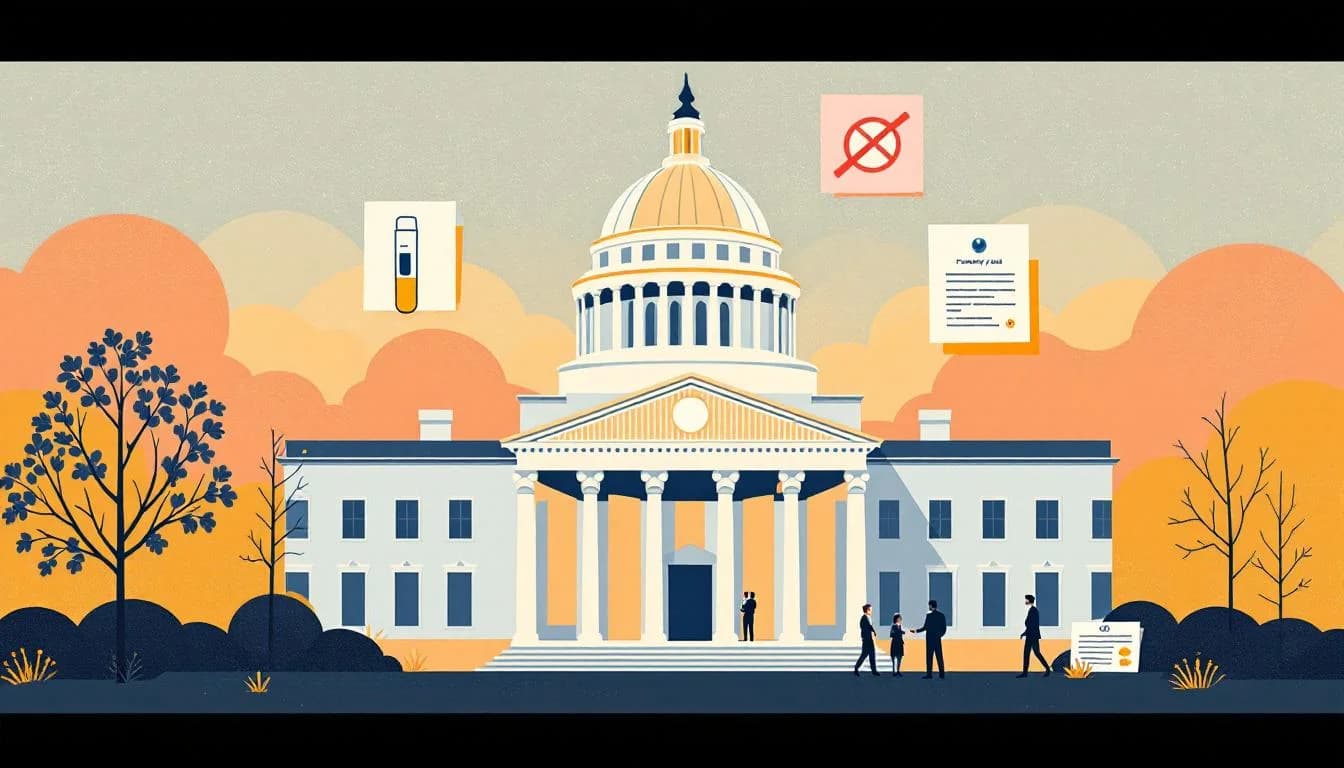
Trump administration's SAMHSA announces major policy reversal, banning federal funds for fentanyl test strips and sterile syringes while urging limitations on methadone and buprenorphine prescribing.

Milwaukee County reports dramatic 42.5% decline in drug overdose deaths since 2022, driven by harm reduction expansion, medication-assisted treatment, and $111 million opioid settlement investment.

West Virginia reports 48% drop in fatal drug overdoses, exceeding the national decline of 44%, as enforcement and public health efforts converge in the state hardest hit by the opioid crisis.

New data presented at ASAM 2026 shows extended-release buprenorphine (Sublocade) associated with lowest overdose rates among medication options and supports remission as meaningful treatment endpoint.

State regulations force daily clinic visits and limit take-home doses, making medication-assisted treatment more burdensome than federal standards require.

New JAMA Network Open study shows MOUD access among Medicaid beneficiaries rose from 60% to 69% between 2019-2023, with 45 states seeing increases.

In a region flooded with 17 million prescription opioids, proposed Medicaid work requirements and funding cuts threaten to dismantle the safety net that has helped hundreds achieve recovery from addiction.
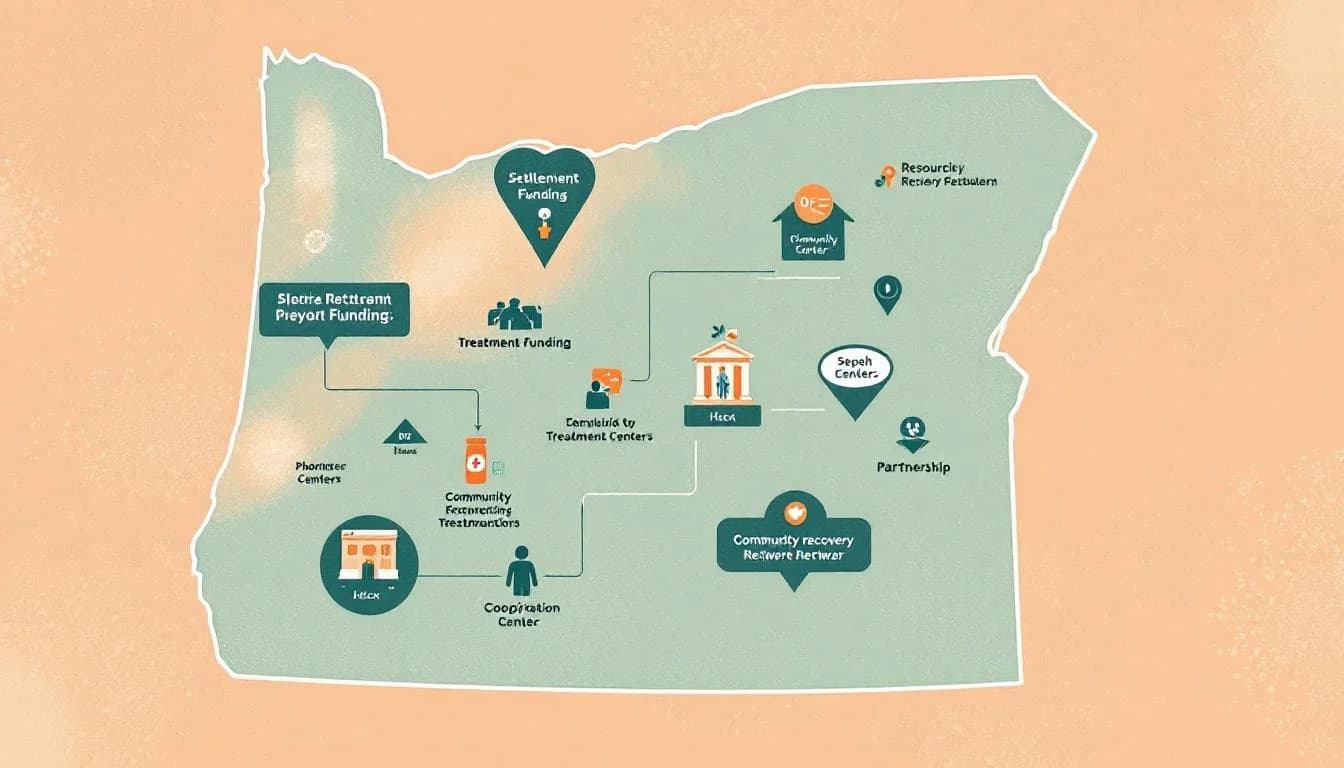
Albertsons and Safeway parent company agrees to $773 million national settlement, with Oregon receiving up to $38.2 million over nine years to expand addiction and recovery services.

New research reveals 20% of US pharmacies block access to buprenorphine, with independent pharmacies and southern states showing significantly higher refusal rates for this life-saving opioid addiction medication.

JAMA research letter reveals 24.3% decline in long-term opioid therapy from 2015-2023, even as co-prescribing with gabapentinoids rises sharply, raising new safety concerns for chronic pain patients.

BMJ study of 2.5 million Medicaid births finds children exposed to buprenorphine in utero have no greater risk of ADHD, autism, or other neurodevelopmental disorders compared to methadone exposure.
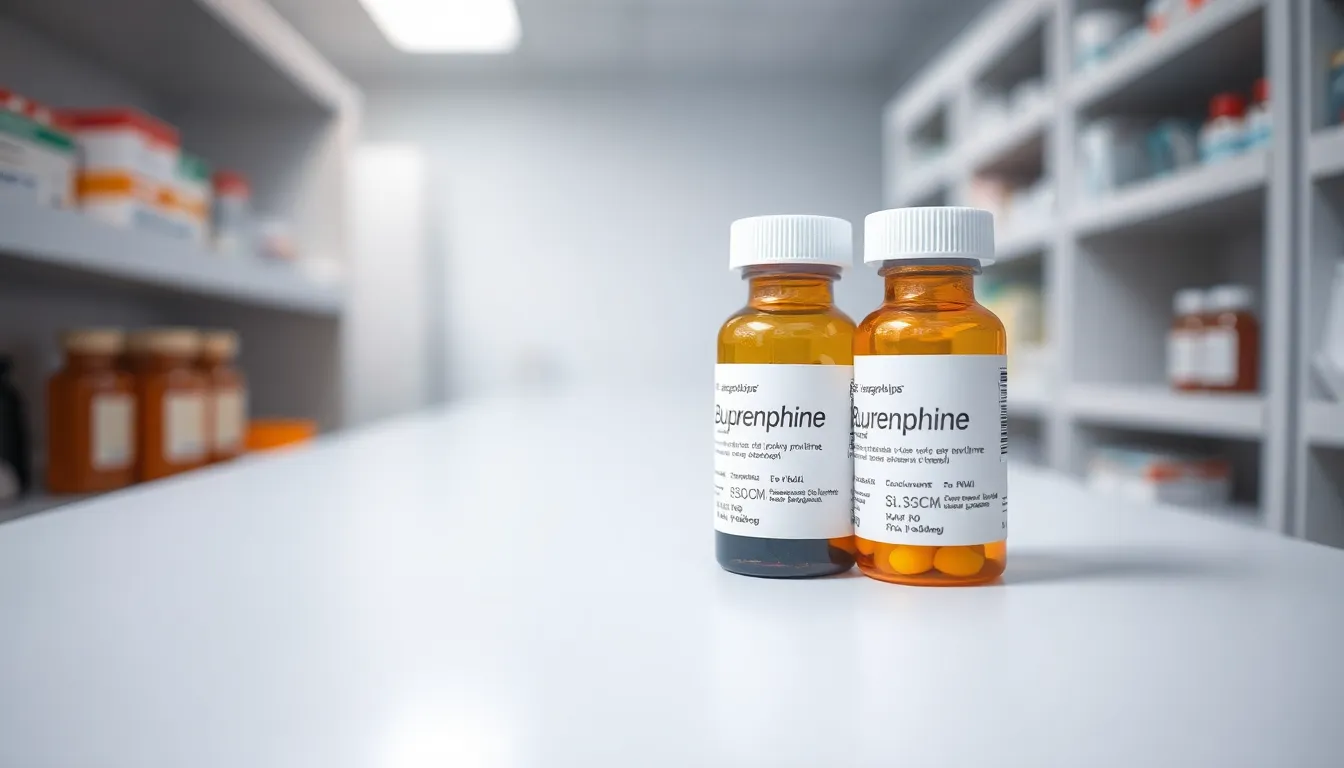
JAMA Network Open study finds Medicaid expansion in eight states increased buprenorphine prescriptions by over 21%, with Oklahoma seeing 43% drop in overdose deaths.

New research in Journal of Psychiatric Research reveals individuals with opioid use disorder face 1.88 to 4.17 times greater odds of suicidal thoughts, with moderate cases showing highest attempt rates.

Iowa Department of Health and Human Services opens applications for up to $10 million in opioid settlement funds to expand behavioral health services and strengthen recovery systems across the state

New JAMA study shows states expanding Medicaid after 2018 saw sharp rises in buprenorphine prescriptions, but federal funding cuts could reverse gains.

New BMJ research finds semaglutide and similar medications associated with 14% reduced risk of developing substance use disorders and 50% fewer deaths among veterans already in treatment.

Michigan's MDHHS accepting applications through April 30 for loan repayment up to $30,000 to SUD providers as state confronts workforce shortage limiting treatment access for 1.3 million residents.

Congressional bill H.R. 5629 threatens to roll back SAMHSA's permanent methadone take-home flexibilities as Pew Charitable Trusts submits testimony defending COVID-era reforms that reduced travel burdens without increasing diversion or deaths.

NCDHHS awards federal block grant funding to twelve community organizations targeting rural areas, youth prevention, and criminal justice-involved populations as state battles 1.4 million struggling with substance use.
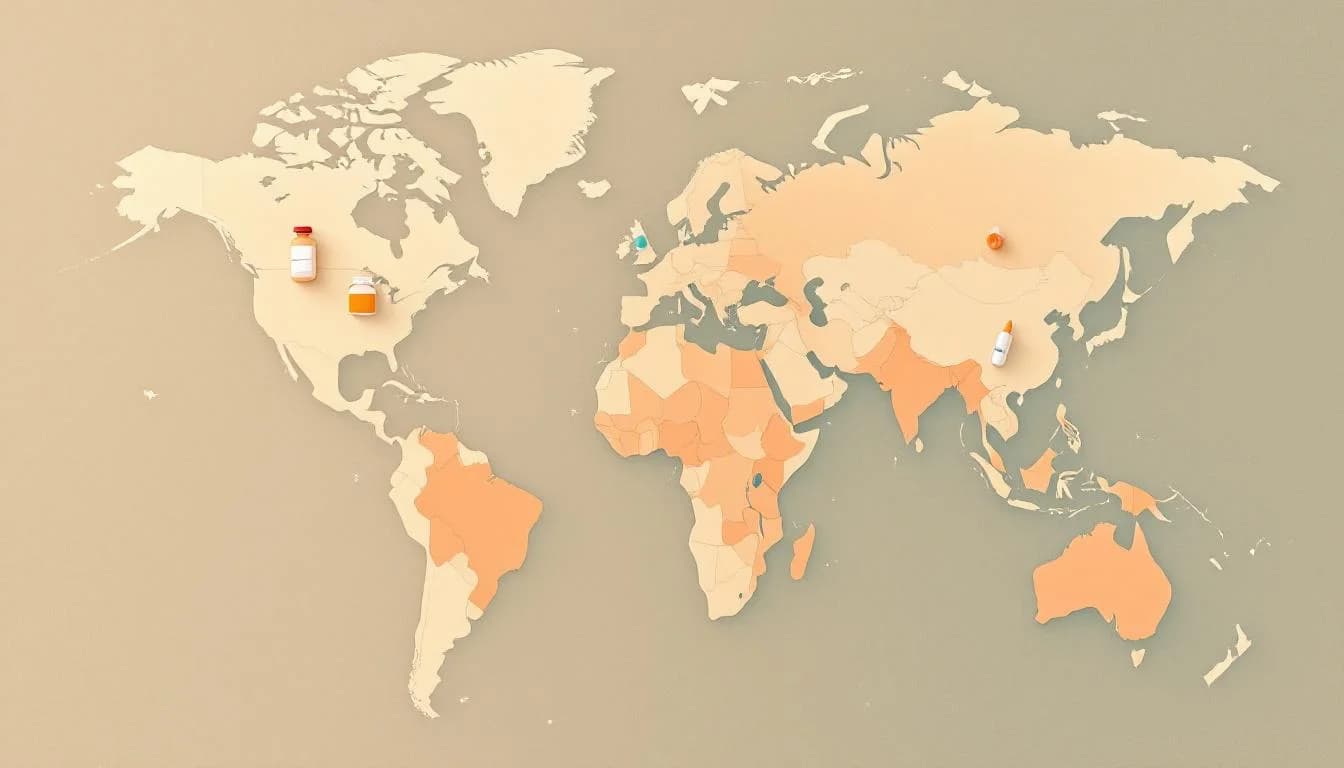
World Health Organization updates treatment guidelines adding monthly buprenorphine injections to methadone oral medication recommendations addressing epidemic killing three-quarters million people yearly

Deal flow in substance use disorder treatment hits six-year low as investors pull back amid quality concerns, Medicaid uncertainty, and volatile federal grants—leaving safety-net providers facing potential closures.

University of Cincinnati launches one of nation's largest trials pairing weight-loss drugs with proven addiction medication to improve treatment retention and reduce cravings.
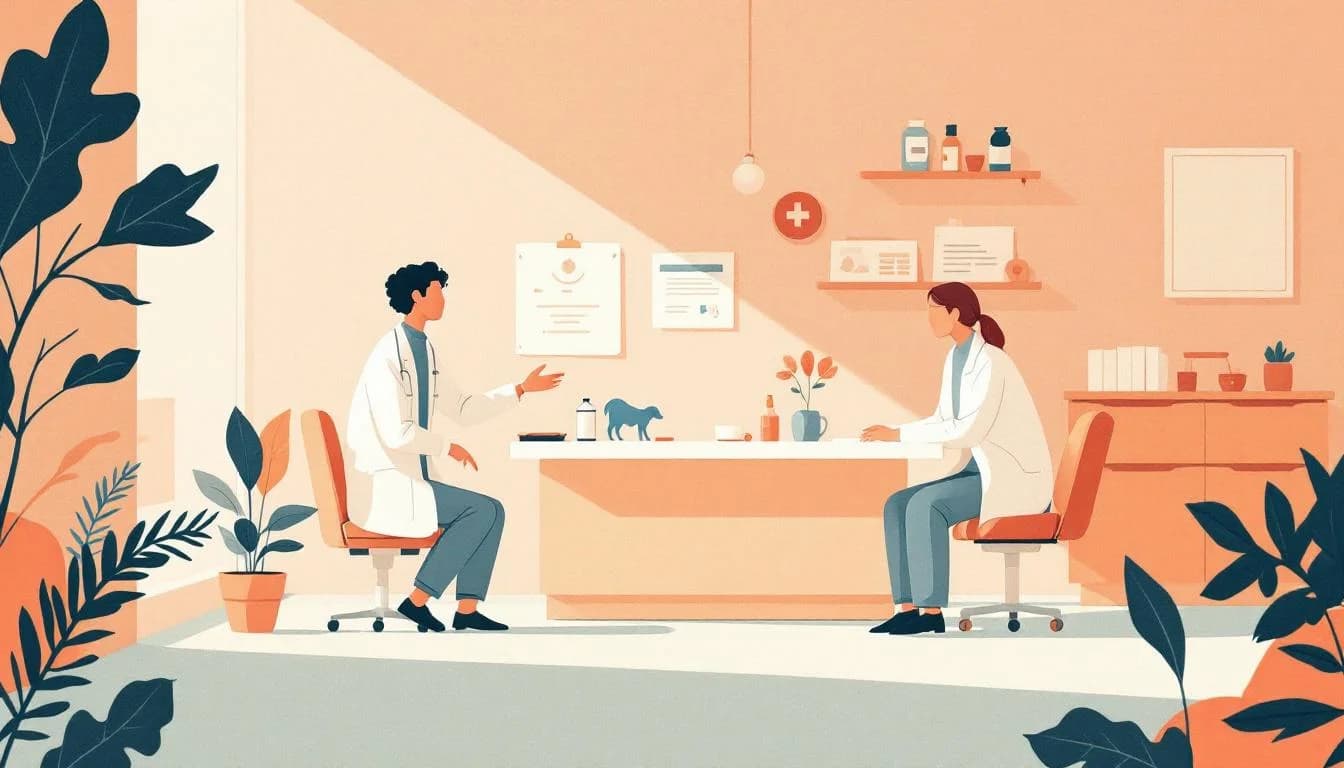
New research from Ohio University finds primary care physicians view opioid use disorder as more treatable than diabetes, yet only 8% have ever prescribed buprenorphine, creating treatment deserts in rural America.

World Health Organization adds conditional endorsement for long-acting injectable buprenorphine to global opioid dependence treatment guidelines April 2026, alongside continued strong recommendations for methadone and oral formulations.

Senator Patty Murray announces funding for Tacoma-Pierce County mobile medical services while highlighting successful pushback against Trump administration's proposed $2 billion SAMHSA grant terminations.

Georgia county awards settlement dollars to programs ranging from peer support to residential treatment as officials confront third-highest opioid death toll in the state.

American Society of Addiction Medicine releases first comprehensive update to youth substance use disorder treatment standards in over a decade, addressing telehealth, trauma-informed care, and medication access.

Congressional oversight hearing exposes chaotic federal response to addiction crisis as $2 billion in treatment grants remain uncertain and agency staff cut by half

Swedish registry analysis of 100,000 individuals finds GLP-1 medications reduce depression by 44%, anxiety by 38%, and substance use disorders by 47%.

New Nature Mental Health study finds combining low-dose ketamine with mindfulness training improves outcomes for people receiving buprenorphine treatment, opening door to psychedelic-assisted interventions

New Wisconsin Policy Forum report reveals dramatic expansion in MOUD access across state correctional facilities from 2021 to 2025, coinciding with substantial decline in overdose deaths.

CDCR documented over 7,000 overdose reversals since 2019 and became the only U.S. state prison system allowing incarcerated individuals to carry naloxone inside facilities.

SUPPORT Act allows pharmacists to prescribe addiction medication with 8 hours training. Maryland considers state legislation as federal pathway opens treatment access.

Opioid deaths fell 12% in Washington last year while innovative programs expanded access to life-saving treatment. But new Medicaid work requirements and federal funding cuts are already disrupting care.

Survey of 212 U.S. jails, prisons, and detention centers finds stark regional and facility-type disparities in MOUD access, with post-release mortality 40 times higher than national average.

Workit Health's evidence-based virtual care model delivers 62% rural retention at three months—more than double competing programs—with peer-reviewed studies in JAMA Network Open showing perfect buprenorphine adherence among participants.

First randomized trial testing extended-release buprenorphine in pregnancy finds higher abstinence rates and fewer serious adverse events compared to standard sublingual treatment.
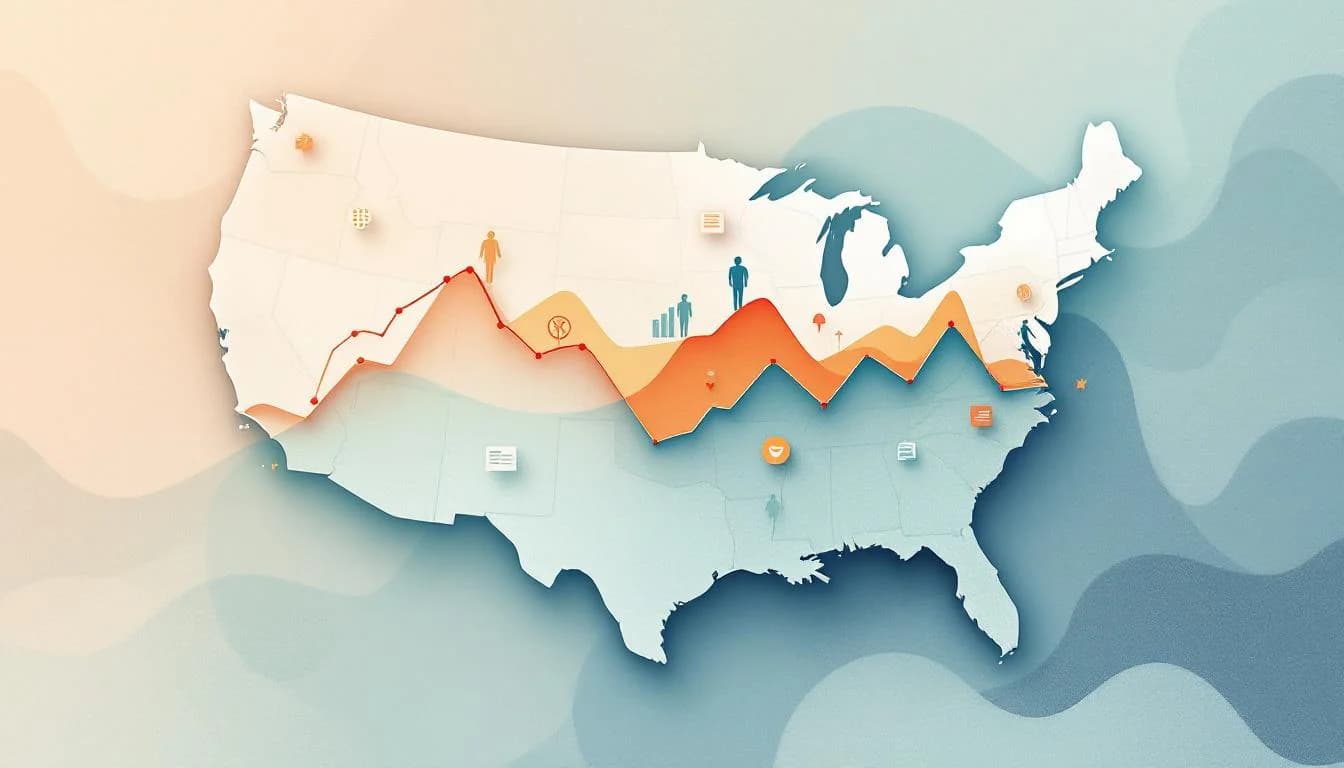
New federal data reveals historic decline in opioid deaths across all demographics, driven by expanded naloxone access, weaker fentanyl supply, and medication treatment—though Arizona and four other states buck the trend.

Brandeis University economic analysis shows two pharmacy-based methadone models generate positive returns of $2.64 and $3.53 per dollar spent over three years while addressing treatment deserts in 80% of U.S. counties.

Somerset County commissioners chose to protect a jail Sublocade program with zero overdose deaths over prevention services as opioid settlement funds run short.

ACLU challenges West Virginia's 2007 moratorium on methadone clinics, arguing the state's unique restriction violates disability law while forcing 54,000 residents with opioid use disorder to navigate impossible treatment logistics.

A new survey of 212 jails and prisons finds only 58% provide FDA-approved medications for opioid use disorder, with stark regional disparities and treatment gaps putting released inmates at 40-times-higher overdose risk.

Senate Bill 2185 passed committee and would mandate MAT screening and access in all Illinois prisons, funded by opioid settlements, following a Kane County program that cut overdose deaths by 89%.

NIH-funded trial finds pregnant patients receiving weekly extended-release buprenorphine injections achieved significantly higher rates of opioid abstinence with fewer serious adverse events than those on sublingual buprenorphine.

New research shows patients adherent to extended-release buprenorphine injections had $15,017 lower annual costs and fewer emergency visits than those using other opioid use disorder medications.

New study finds NET Device reduces opioid and stimulant use for 3 months post-treatment, offering hope for polysubstance addiction amid no approved medications for stimulants

VA study of 600,000 patients finds GLP-1 medications like Ozempic reduce substance use disorder risk by 15-20%, suggesting a common biological pathway underlying all addictions.

New CDC data reveals West Virginia and Virginia achieved the steepest opioid death declines in America, with drops approaching 49% and outpacing the national 44% reduction.

Weill Cornell research shows state laws eliminating insurance prior authorization for buprenorphine don't significantly improve 180-day retention rates, highlighting need for broader policy interventions.

Civil rights lawsuit alleges Missouri DOC and Centurion Health deny life-saving medication to prisoners with opioid use disorder, despite $7M in settlement funds and rampant drug availability.

Washington University analysis of 600,000+ VA patients finds GLP-1s tied to 50% reduction in drug-related deaths and lower risk across alcohol, opioid, cocaine, and nicotine use disorders.

In a landmark policy shift, the FDA announced it will approve new drugs based on a single rigorous trial plus confirmatory evidence—a change that could accelerate development of therapies for opioid use disorder, alcohol addiction, and stimulant dependence.

The Food and Drug Administration moves forward with controversial regulations to limit common painkillers, sparking national debate over balancing opioid crisis response with patient access to pain management.

New federal rules allow providers to prescribe six-month supply of buprenorphine via audio-only telehealth for opioid use disorder treatment, eliminating pandemic-era restrictions while implementing safeguards.