Tennessee Will Put Mental Health Clinicians in Seven Rural Counties
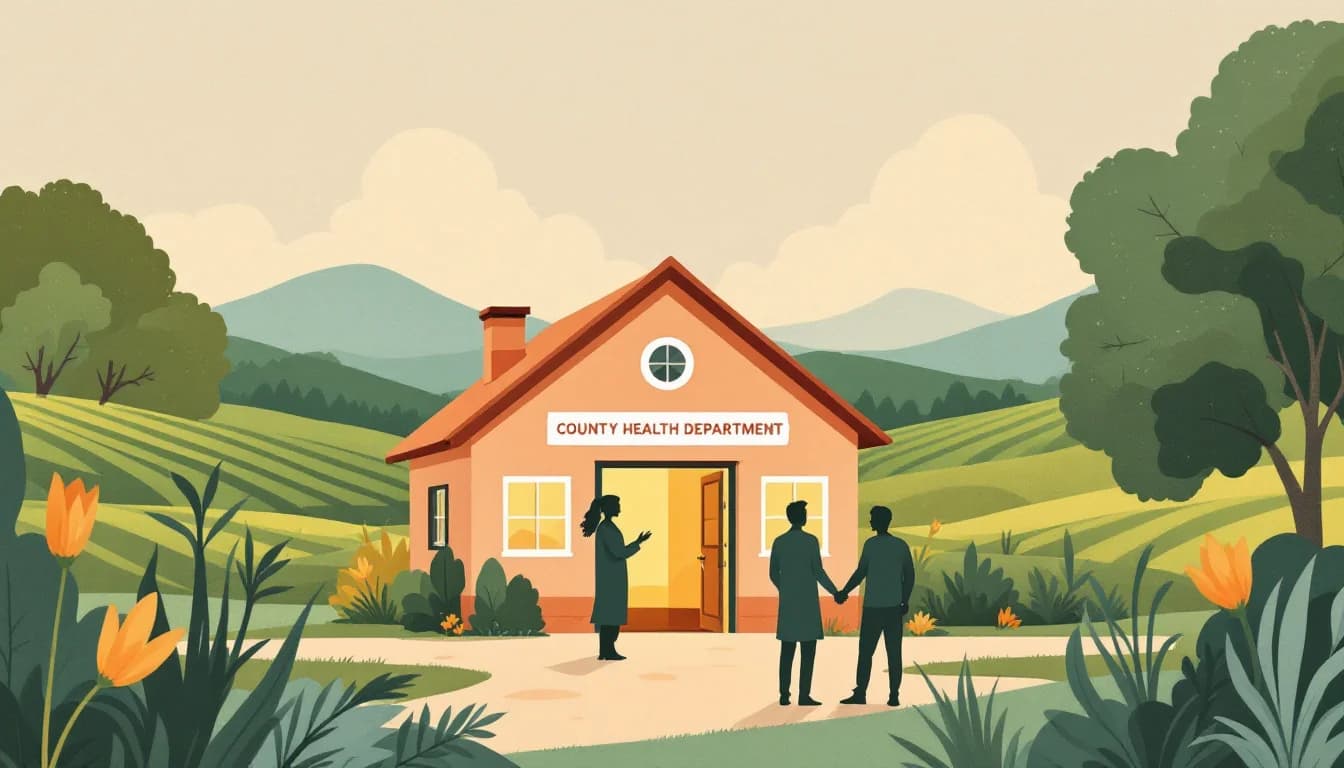
A $10 million federal grant will place a therapist and a peer wellness coach in county health departments in seven rural Tennessee counties, with services due in early 2027.
32 articles found

A $10 million federal grant will place a therapist and a peer wellness coach in county health departments in seven rural Tennessee counties, with services due in early 2027.

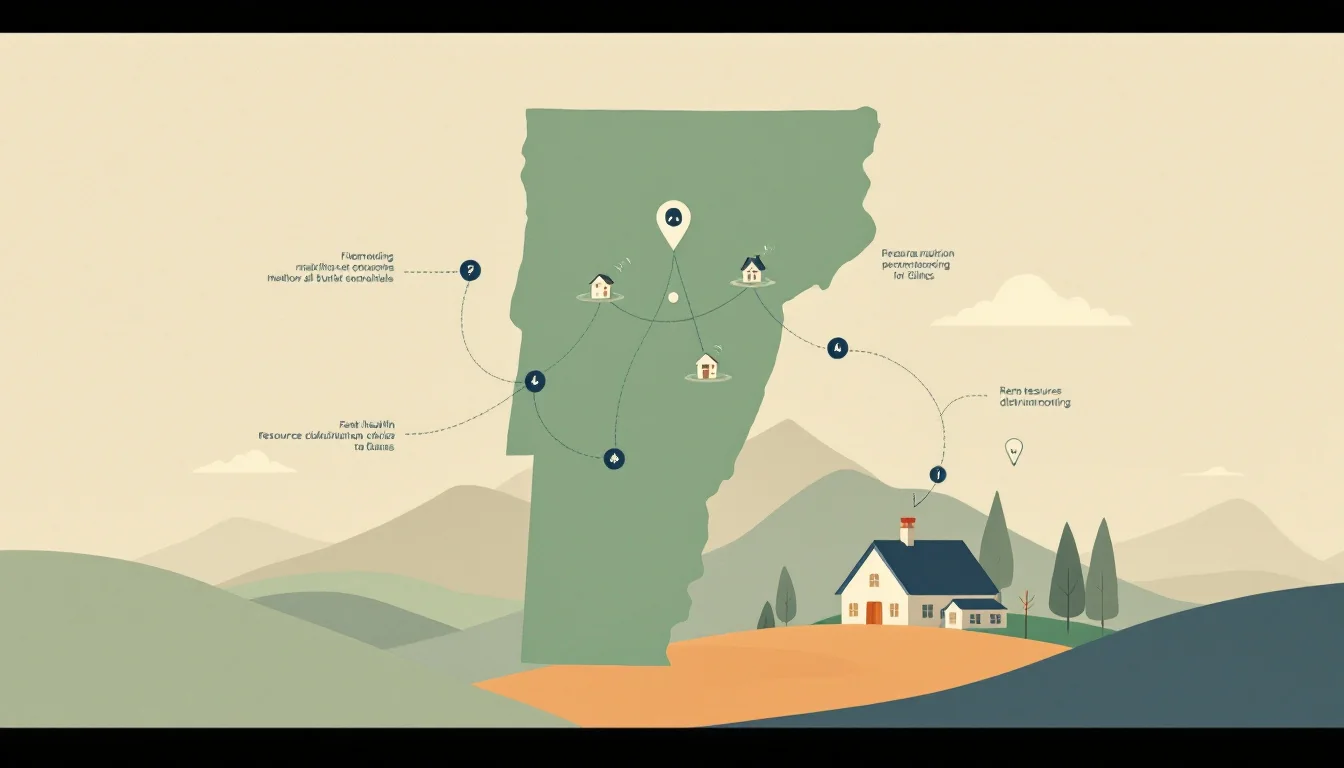
Vermont allocated its full $195 million Rural Health Transformation award across nearly 250 projects, with money for addiction urgent care, recovery housing and telehealth.

Federal grants send $6.2 million to the Franklin County Opioid Task Force and $3.75 million to the sheriff for jail addiction treatment in Massachusetts.

Iowa Attorney General Brenna Bird awarded $775,550 in opioid settlement funds to bring the surgery-prescribing program to eight more mostly rural hospitals.

Wabanaki Public Health & Wellness will close its Bangor detox services, saying MaineCare reimburses roughly 1.5 million dollars a year less than the care costs.
Four West Virginia recovery-to-work programs will split $1,486,500, with $1,236,500 from the Appalachian Regional Commission and $250,000 from the state.
Washington recorded at least 1,352 suicides in 2025, a rate of 15.5 per 100,000, up from 14.3, with the largest jump among adults 65 and older.

The Addictions Care Center of Albany absorbed Twin County Recovery Services, a merger finalized Sept. 8 and announced Monday, with a methadone clinic planned for Hudson.

A first-year SAMHSA award of $677,045 will let Outer Cape Health Services embed opioid treatment in primary care across 10 Cape Cod towns.

The Ketchikan Indian Community won $5 million to convert a foreclosed resort into Alaska's first tribally led addiction healing center, open to all.

Volunteers across western North Carolina hand out naloxone, test drugs and deliver supplies, as rural counties absorb 42% of the state's overdoses.

Idaho's Millennium Fund committee heard 10 proposals Friday totaling more than $3 million, from recovery-center accreditation to a McCall home for mothers.

Mississippi's $32.6 million rural health awards include $13.3 million for three EmPATH psychiatric emergency units beside hospital ERs.

CMS awarded Ohio $92 million in Rural Health Transformation Program funds, with $30.3 million for upgrades at 22 rural hospitals including a new behavioral health unit.
St. Joseph's opened Franklin County's only methadone clinic in Saranac Lake with $600,000 in settlement funds, ending hour-long daily drives for a dose.
A federal rural opioid response grant sends $3 million over four years to a Vermont United Way partnership of four nonprofits, $750,000 annually.

West Virginia awarded $500,000 to Potomac Highlands Guild for wearable monitoring and AI tools across eight eastern counties in a federal rural health program.
The Morehead nonprofit will receive $350,000 a year for three years and restart the jail-to-community reentry program that ran out of money.

Hawaii Virtual Care launched a statewide virtual intensive outpatient program for substance use and mental health amid a 39 percent psychiatrist shortage.

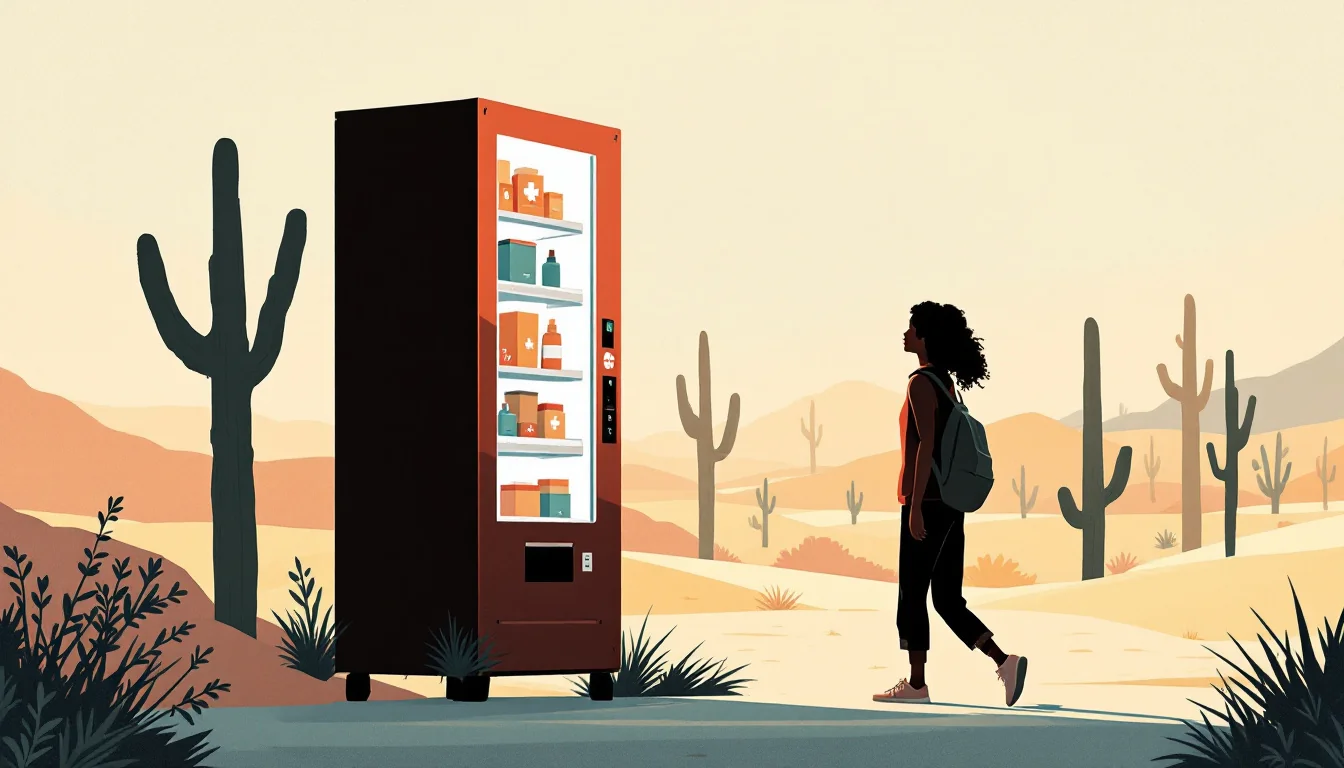
A free vending machine dispensing naloxone, pregnancy tests and hygiene supplies at Copper Mountain College was restocked twice in its first week.
HRSA's Rural Communities Opioid Response Program awarded $1.05 million to a Pendleton nonprofit serving four Oregon and Washington counties.

North Carolina will spend more than $17 million in federal rural health funds on addiction treatment, mobile crisis teams and psychiatric care for 2026-27.

HRSA awarded $89.3 million through its Rural Communities Opioid Response Program, including $62.7 million for integrated treatment and recovery services.

Yakima County's first inpatient medical detox facility begins accepting patients, bringing medication-assisted withdrawal care to a county that lost 90 people to overdoses in 2025.

New study in Addiction Science & Clinical Practice documents how a mobile opioid treatment unit in Rhode Island reaches unhoused patients and breaks down barriers to care.
Health policy groups urge CMS to increase transparency for the $50B Rural Health Transformation Program as states prepare to submit first progress reports.

Attorney General J.B. McCuskey redirects future opioid settlement dollars away from the WV First Foundation to state legislature and local governments for more direct distribution.

Connecticut has invested more than $4 million in opioid settlement funds into its first state-funded mobile methadone units, with a rural northeast van starting Aug. 18.

HHS Secretary Kennedy toured a Southside Virginia addiction rehab facility while promoting the $50B Rural Health Transformation Program amid Medicaid cuts.

H.R. 9790 would let board-certified addiction specialists prescribe methadone for pharmacy pickup, bypassing clinics absent from 80 percent of U.S. counties.

Foundation for Opioid Response Efforts awards grant to Kachemak Bay Recovery Connection as part of $3.7 million nationwide investment in community-based addiction treatment infrastructure.

Idaho Behavioral Health Council recommends directing opioid settlement funds toward rural areas, first responder support, and workforce development as state considers 46 project proposals.