Online Sports Betting Legalization Tied to More Depression Care
A JAMA Psychiatry analysis of insurance claims found states that legalized online sports betting saw 5 to 7 percent rises in depression and anxiety treatment.
October 15, 20265 min read

137 articles found
A JAMA Psychiatry analysis of insurance claims found states that legalized online sports betting saw 5 to 7 percent rises in depression and anxiety treatment.

West Virginia awarded $500,000 to Potomac Highlands Guild for wearable monitoring and AI tools across eight eastern counties in a federal rural health program.
SAMHSA awarded Coastal Horizons a five-year, $7.5 million Project AWARE grant to place 15 behavioral health staff in New Hanover County schools.
A NAADGS survey finds states budgeted $188 million for problem gambling services in FY2025, spent $145 million, and left $43 million unspent.
Brellium, whose AI reads clinical notes for mental health and autism providers, raised $23 million to push into pain management and primary care.

Future Directions, a peer-run recovery space in Lakewood, Ohio, will stop operating in 2027 after the Cuyahoga County ADAMHS Board ended its $428,000 grant.

NYC Mental Health Connect, funded with $5 million from New York State, lets residents search more than 600 behavioral health providers by insurance and language.

Weirton will vote Tuesday on $75,000 in opioid settlement funds for a children's grief and peer-support program, out of $1.08 million the city has disbursed so far.

A UT Southwestern feasibility trial found an accelerated theta-burst stimulation course was tolerable in methamphetamine use disorder, with early craving reductions.

Sen. Richard Blumenthal and Connecticut parity advocates pressed for enforcement of 2024 mental health parity rules the administration declined to defend in court.

Fargo's Veterans Treatment Court held its grand opening Oct. 9 at the Cass County Courthouse, joining Grand Forks and a new veterans court in Oneida County, New York.

Hawaii Virtual Care launched a statewide virtual intensive outpatient program for substance use and mental health amid a 39 percent psychiatrist shortage.

The Brain & Behavior Research Foundation awarded 180 Young Investigator grants worth over $12.5 million, with half of the projects focused on depression or schizophrenia.

Teva's Weltruza becomes the first once-monthly subcutaneous olanzapine injection for adults with schizophrenia, with no loading dose and no monitoring after shots.

The National Council on Problem Gambling's executive director resigned after the nonprofit accepted $2 million from prediction market Kalshi, and donors left.

Cuyahoga County's Issue 11 would renew a 4.7-mill health levy and add 2.5 mills, raising $261.5 million a year for 10 years as federal funds shrink.
New York's Gaming Commission formally proposed two rules requiring sportsbooks to flag at-risk bettors and barring AI-customized bonuses and wagers.

Carmel will pay $150,000 to settle a lawsuit over its rejection of a crisis stabilization center, as Putnam County expands its mobile crisis team to 24/7.
A JAMA Psychiatry analysis of 2021-2023 federal survey data found mental health and substance use disorder care totaled $174 billion, or 7% of US medical spending.
South Tucson and Pima County launched RISE, an opioid-settlement-funded program that sends behavioral health specialists on crisis calls.

Virginia's state-funded problem gambling network reported a 36% jump in demand in early 2026, with peer specialists fielding calls as casinos and sportsbooks grow.

A rapid review of 57 studies finds Housing First programs house adults with substance use and mental health needs more reliably than treatment-first models.
North Carolina will spend more than $17 million in federal rural health funds on addiction treatment, mobile crisis teams and psychiatric care for 2026-27.

Tecsys committed $5 million over five years to Prisma Health's 112-bed behavioral health hospital near Easley, South Carolina, set to open in March 2027.

UConn Health will use a five-year, $3 million SAMHSA grant to build a clinic serving Connecticut's foster, kinship and adoptive children and their caregivers.
Nearly 400 Rhode Island men died by suicide from 2020 to 2024. A new state campaign uses a blunt fictional therapist to steer men toward care.

Pennsylvania expects $516 million to $729 million from a Meta child-safety settlement, but lawmakers and the attorney general disagree over who controls the money.

An Epic Research analysis of 13,533 patients found those diagnosed with gambling disorder were far more likely to carry depression, anxiety and substance use diagnoses.

Fifteen former residents told InvestigateWest that 5Rock Ranch, an unlicensed Christian recovery ministry in Yamhill, Oregon, harmed them rather than helped.

A Rutgers-led analysis of 1.1 billion fills found dispensing of Xanax, Valium and similar sedatives dropped from 7.5% to 5.5% of the population.

Gov. Gavin Newsom vetoed Senate Bill 903, which would have barred companies from offering or advertising chatbot-delivered therapy to Californians.
HHS selected eight communities, from Huntington, West Virginia, to the Cherokee Nation, to share $96 million over four years for street-based addiction and homelessness care.
SAMHSA resumed the 988 Suicide and Crisis Lifeline's Press 3 option for LGBTQ+ youth on Sept. 30, ending a 14-month gap that began when the Trump administration cut it.

A federal class action filed in Boston alleges DraftKings used machine learning to single out gamblers likely to lose more and then target them with promotions.

Federal officials cleared Maine's Whole Person Care Waiver, letting MaineCare cover reentry services up to 60 days before release from jail or prison.

The 2026 Indiana Youth Survey of 53,879 students found vaping, alcohol and binge drinking at their lowest levels since current methods began in 2015.

The Policy Center for Maternal Mental Health launches a National Maternal Mental Health Accelerator with 100-plus groups to close gaps in perinatal care by 2030.

The VA awarded $111.9 million through the Staff Sergeant Parker Gordon Fox program to 191 community organizations serving veterans, the largest round of the grant's history.

California's governor signed laws expanding first responder referrals and family input for CARE Court, while bills tying the court to conservatorships died in committee.

Gov. Mikie Sherrill signed S4413/A5253, an $8 million SPARK pilot that puts psychiatric consultations and care coordination inside up to 10 school districts.

The VA will require signed consent before combined opioid and benzodiazepine prescriptions and before antidepressants for veterans under 30, starting in 2027.
State regulators are reviewing whether a Santa Monica sober living home operated as an unlicensed addiction treatment facility before a resident's fatal overdose.
A new national campaign backed by two Democratic lawmakers wants federal standards for sports betting advertising, affordability checks and AI-driven promotions.
The Senate unanimously passed two bipartisan bills to speed FAA mental health clearances for pilots and air traffic controllers and publish a list of approved medications.
A UC San Diego study in the journal Addiction finds 11.4% of adults 65 and older who used cannabis in the past year met criteria for cannabis use disorder.
SAMHSA awards $247.9 million in grants for opioid treatment medications, overdose reversal training, school mental health and recovery support.

Governor Newsom signed AB 113, allocating $4.7 million for California's first state-funded research into psychedelic therapy for veterans with treatment-resistant PTSD.

SAMHSA awards $42.3 million in block-grant supplements and $2 million to the ATTC Network to advance the 'Treatment First' model for homelessness and addiction.
HHS awarded $383.4 million in SAMHSA grants on 988 Day: $252 million for 988 and crisis services, $81.4 million for substance use treatment and prevention.

The Centers' $36 million Glick Recovery Campus begins 24/7 walk-in crisis care Sept. 28 in Cleveland, expecting to serve 12,000 people a year.

Annual report shows 634 homeless New Yorkers died in 2025, down from 770 in 2024, marking the first decrease in seven years amid expanded harm reduction efforts.

A real-world study of Oregon's regulated psilocybin program demonstrates encouraging outcomes for depression and anxiety, offering valuable data as FDA considers approval for psychedelic therapy.

New NIDA research shows cannabis use disorder increased from 15.3 million to 19.4 million adults between 2021-2024, linked to higher THC concentrations and expanding legalization.

HHS Secretary RFK Jr. and HUD Secretary Scott Turner release a 40-page toolkit promoting a 'treatment first' approach to homelessness and addiction, contrasting with traditional 'housing first' models.

Johns Hopkins University launches the nation's first clinic specifically treating rare but serious long-term side effects from psychedelic use, including hallucinogen persisting perception disorder.

A UGA survey of 1,600 people in 13 Southern states finds mental health workers hold more stigmatizing views of opioid addiction than the general public.

A New Mexico judge rules Meta created a public nuisance fueling the teen mental health crisis, ordering a $567 million abatement fund on top of a $375 million jury verdict.

Maryland's 2024-2025 youth survey shows high school vaping down nearly 45% since 2018, while 31.7% of high schoolers report persistent sadness or hopelessness.
Pritzker signs SB 2749, folding gambling disorder into Illinois' Substance Use Disorder Act and unlocking state-funded treatment and prevention.
2025 National Survey on Drug Use and Health reveals 44.6 million Americans have substance use disorder, with marijuana use disorder rising to 19.3 million cases while alcohol use disorder declines.

Governor Hochul directs nearly $6 million to 12 Recovery Community and Outreach Centers across New York, expanding addiction services for young people ages 12 to 17.

HHS Secretary Robert F. Kennedy Jr. convenes health care stakeholders to sign first-of-its-kind pledge advancing evidence-based mental health and addiction treatment nationwide.

Baltimore uses $15 million in opioid settlement funds to transform 911 response, sending mental health teams instead of police to crisis calls.

National Survey on Drug Use and Health 2025 data reveals declining rates of adolescent drug use, depression, and suicidal thoughts, though treatment access gaps persist for millions.

New York's Governor signed a law letting the state's mental health and addiction agencies set a single licensing standard for integrated care of co-occurring disorders.

FDA sets a September 14 public hearing on therapeutic psychedelics and finalizes its first clinical trial guidance for psilocybin, LSD and MDMA.

SAMHSA approves Mountain Lakes Behavioral Healthcare and Highland Health Systems as Certified Community Behavioral Health Clinics, bringing coordinated mental health and substance use treatment to rural Alabama counties.

SAMHSA announces over $281 million in funding opportunities across 15 grant programs to expand medication-assisted treatment, overdose prevention, and mental health services nationwide.

CDC informs state and local health programs they must agree to new Trump administration priorities within days, including deprioritizing harm reduction and housing-first strategies proven to reduce drug overdoses.

Compass Pathways' COMP360 psilocybin therapy could receive FDA approval by late 2026, marking a historic milestone for psychedelic medicine and offering new hope for treatment-resistant depression.

Aptihealth settles for $300,000 after billing Medicaid for no-show appointments as DOJ charges 455 defendants in $6.5 billion health care fraud crackdown targeting telehealth sector.

Michigan awards $3.75 million in opioid settlement grants to 12 organizations focused on youth substance use prevention, targeting early intervention to reduce lifetime addiction risk.

The funding package includes $96 million for the new STREETS program and $612 million for expanded behavioral health services, marking a significant federal investment in street-based outreach and community-wide recovery support.

New FAIR Health data reveals mental health conditions account for 52% of all telehealth diagnoses in Q1 2026, ranking as the top diagnostic category in every U.S. region and every age group including children under 10.

New AI screening and multi-layer approval process creates unprecedented backlog affecting opioid treatment, suicide prevention, and disease surveillance programs nationwide.

Hundreds of addiction and mental health service providers received termination notices Tuesday night, only to have funding restored Wednesday after swift advocacy response.

Secretary Kennedy unveils $96 million STREETS program and $612 million in additional grants targeting substance use disorders, mental health crises, and homelessness under the Great American Recovery Initiative.
Eight new grant programs target addiction prevention, child trauma, suicide prevention, and mental illness as part of federal behavioral health investment.

Federal funding boost aims to strengthen nation's mental health crisis response system as 988 Lifeline surpasses 25 million contacts since launch

Psychiatric Urgent Care of Huntsville opens as North Alabama's first same-day mental health facility, offering immediate access to psychiatric care and telemedicine services statewide

The Department of Veterans Affairs begins first government-sponsored study of MDMA-assisted therapy, enrolling 80 veterans in groundbreaking research on psychedelic treatment for co-occurring conditions.

FDA grants Breakthrough Therapy designation to LSD d-tartrate for generalized anxiety disorder, accelerating development of the first LSD-based psychiatric treatment and signaling regulatory openness to psychedelic therapies.

Research reveals animal-assisted therapy reduces cravings, lowers cortisol, and improves treatment retention. As recovery programs increasingly incorporate four-legged companions, science backs what many in sobriety have long known.

Stanford-led research shows low-dose buprenorphine after ketamine infusion extends anti-suicidal benefits from days to weeks, offering new hope for high-risk patients.

Louisiana legislature moves to authorize state-funded research into ibogaine, psilocybin, and MDMA for treating substance use disorders and PTSD, joining growing national movement.

New Jonesboro facility addresses critical treatment gap in one of Georgia's most underserved regions, offering medically supervised detox and residential care amid rising overdose rates.

Ohio's Ibogaine Treatment Study Committee convenes to explore clinical trials for ibogaine-assisted therapy, spurred by Trump's executive order accelerating psychedelic research and veteran advocacy.

University of California Davis scientists create new amino acid-based compounds that activate serotonin receptors for mental health benefits without causing hallucinations, potentially revolutionizing addiction and depression therapy.

Minnesota lawmakers vote 114-15 to legalize regulated psilocybin-assisted therapy, making the state the fourth in the nation to authorize supervised psychedelic treatment for mental health and substance use disorders.

White House releases ambitious 195-page drug control strategy calling for easier treatment access, but administration's funding cuts and policy shifts threaten implementation.

Historic expansion of Wisconsin's oldest women's addiction treatment facility addresses critical waitlist of 100+ people, funded by opioid settlement dollars and private philanthropy.

New Hope Valley facility offers residential detox, trauma therapy, and holistic wellness for Alaska's veterans and active-duty members in a state with the highest per-capita veteran population.

Colorado classrooms are embracing harm reduction strategies and naloxone training, moving away from decades of abstinence-only messaging as fentanyl crisis reshapes youth drug education.

FDA awards priority review vouchers to Compass Pathways, Usona Institute, and Transcend Therapeutics for psilocybin and methylone therapies targeting treatment-resistant depression and PTSD.

New research published in JAMA shows the 988 suicide crisis hotline is associated with significant reductions in suicide deaths among young people, with states showing highest call volume experiencing the greatest declines.

UC San Diego and SDSU study of 2.8 million students finds local flavor bans reduce e-cigarette use by 20% with no increase in cigarette smoking, challenging industry arguments.

Wake Forest research reveals e-cigarette taxes reduced vaping among heterosexual teens by 3-4 percentage points, yet had no effect on LGBQ youth who use nicotine to cope with bullying and emotional distress.

JAMA research letter reveals 24.3% decline in long-term opioid therapy from 2015-2023, even as co-prescribing with gabapentinoids rises sharply, raising new safety concerns for chronic pain patients.

New ASAM Criteria volume establishes dedicated clinical standards for youth SUD treatment, emphasizing brain development, family engagement, and integrated mental health care

BMJ study of 2.5 million Medicaid births finds children exposed to buprenorphine in utero have no greater risk of ADHD, autism, or other neurodevelopmental disorders compared to methadone exposure.

Flow Neuroscience's transcranial direct current stimulation device becomes first prescription brain stimulation therapy available for home use, offering new option for treatment-resistant depression

President Trump signs executive order directing FDA to fast-track psychedelic research, provides $50 million for ibogaine studies, and opens Right to Try pathway for patients with treatment-resistant mental illness.

Advocates press Congress to expand Veterans Treatment Courts and restore VA benefits access for incarcerated veterans struggling with service-connected mental health and substance use disorders

More than 200 residents protest proposed 122-bed addiction treatment facility funded by California's Proposition 1, highlighting tensions between statewide mental health expansion and neighborhood concerns

New research in Journal of Psychiatric Research reveals individuals with opioid use disorder face 1.88 to 4.17 times greater odds of suicidal thoughts, with moderate cases showing highest attempt rates.

ONDCP, SAMHSA and HUD launch two-day summit to develop national toolkit for treating substance use disorders among homeless individuals, marking a shift toward integrated care models
Food and Drug Administration issues complete response letter rejecting Lykos Therapeutics' MDMA-assisted therapy for PTSD, demanding additional clinical trials despite promising efficacy data.

Intravenous DMT reduced depressive symptoms within a week in Phase IIa trial, with effects lasting up to three months, according to study published in Nature Medicine.
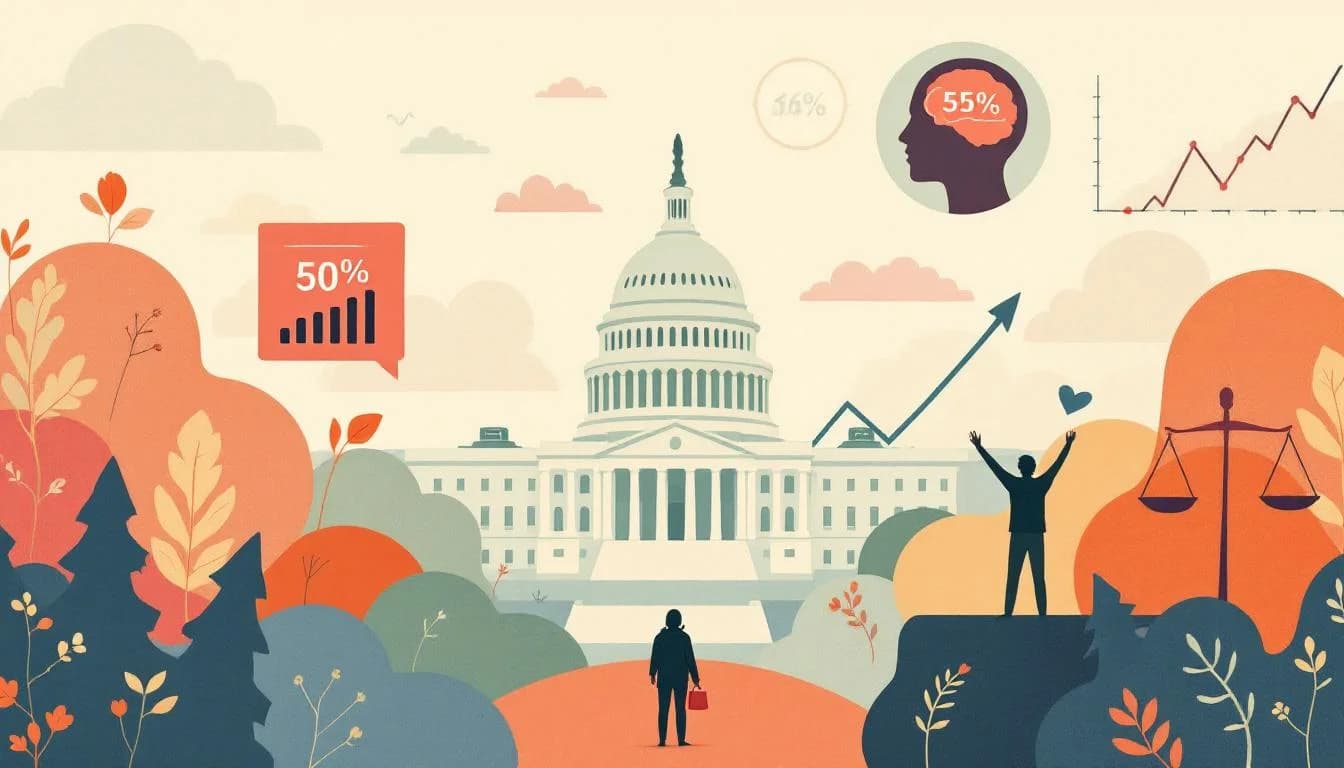
House roundtable examines paradox of doubled treatment access, 241% spending increase while depression and suicide reach historic highs. Youth antidepressant prescriptions jump 63%.
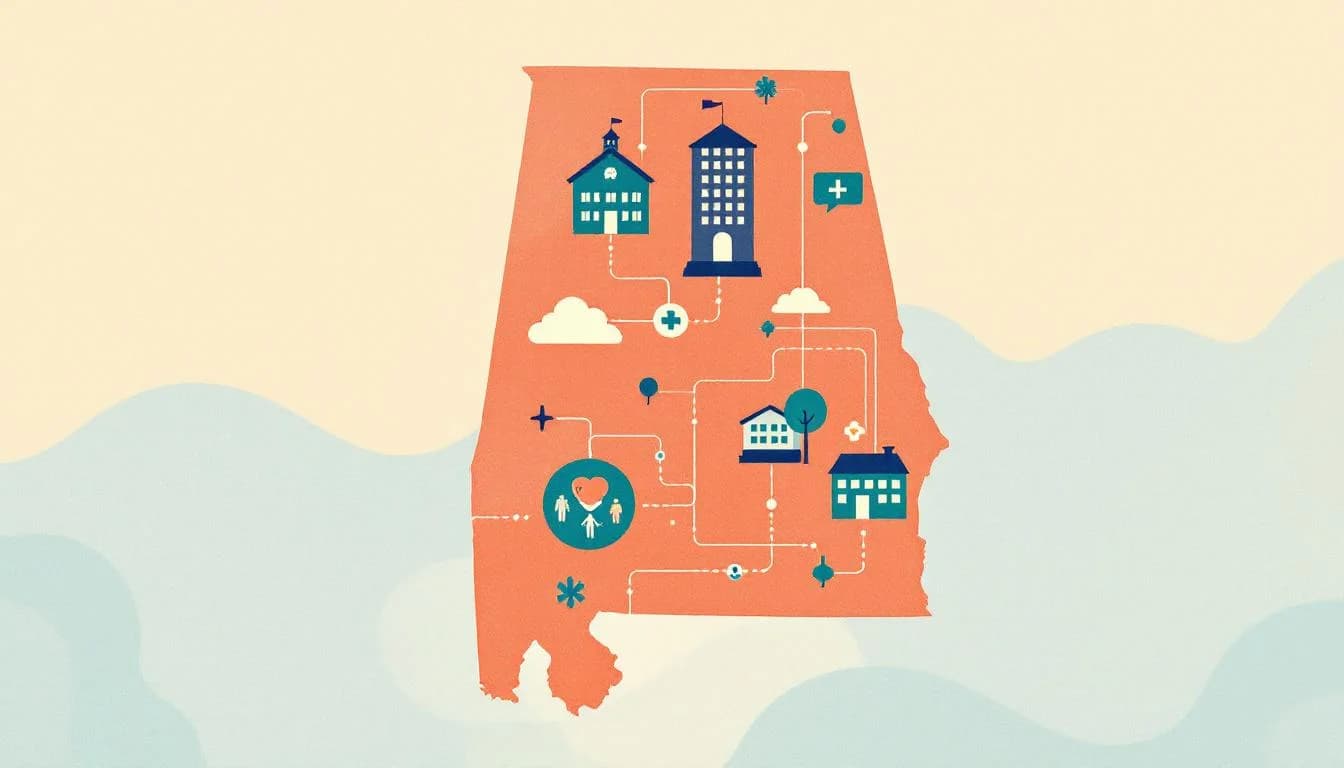
Longleaf Lodge launches with 50 residential and 10 detox beds, addressing Alabama's crisis where 19% need substance use treatment but only 5% receive it. Integrated care model tackles co-occurring conditions as wait times stretch weeks to months.

Mississippi, Tennessee, Texas, West Virginia, Oklahoma, and Missouri are coordinating clinical trials of ibogaine—a Schedule I psychedelic—for opioid addiction and PTSD despite federal restrictions.
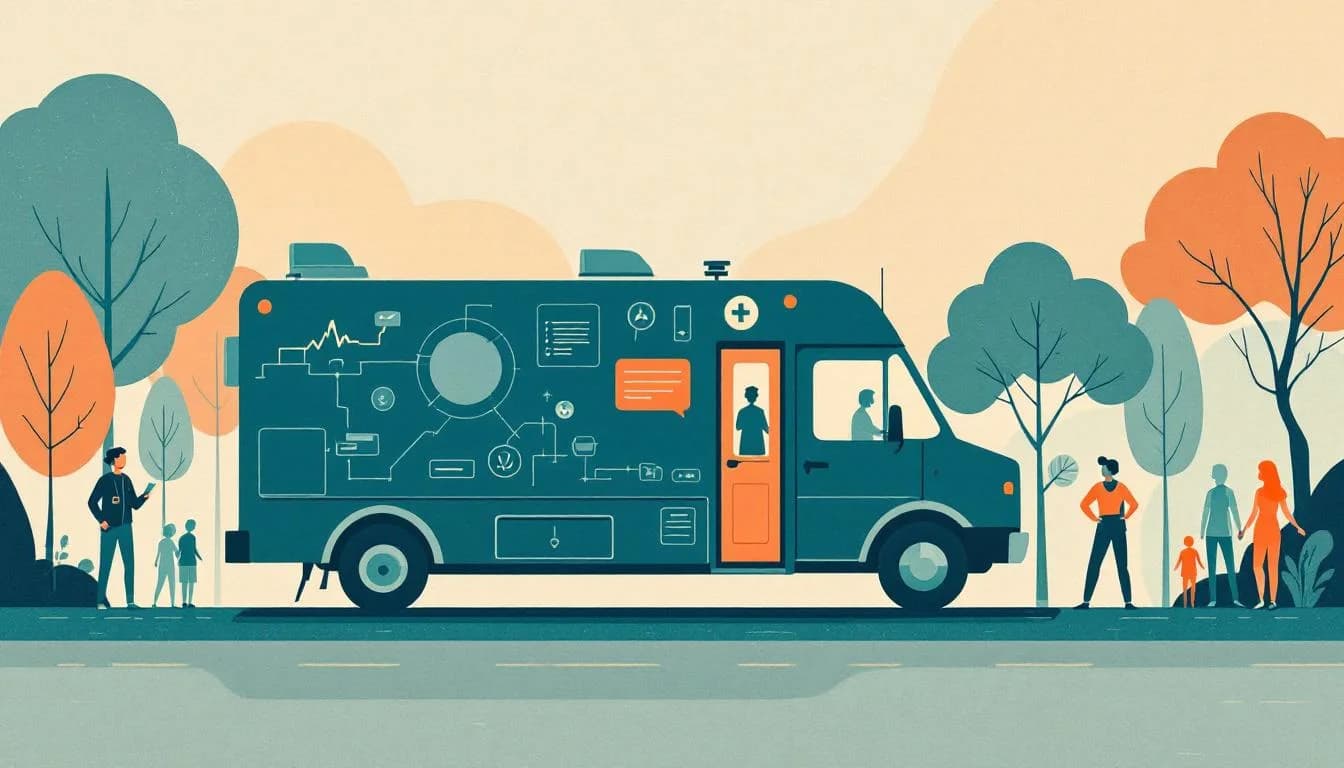
New report profiles eight alternative mental health crisis programs removing police from response while Trump administration restructuring threatens federal funding infrastructure.

Federal agency proposes expanding community health workers and peer support specialists in rural areas where 60% of Americans lack access to mental health and addiction treatment services.

American Society of Addiction Medicine releases first comprehensive update to youth substance use disorder treatment standards in over a decade, addressing telehealth, trauma-informed care, and medication access.

State officials unveil plan to restructure troubled mental health agency, potentially dissolving it and shifting control to Department of Health as providers struggle with service cuts.

Swedish registry analysis of 100,000 individuals finds GLP-1 medications reduce depression by 44%, anxiety by 38%, and substance use disorders by 47%.

Oregon and Colorado lead regulated psilocybin therapy programs as research shows promise for depression, PTSD, and addiction. Personal stories reveal profound results.

Eastern Shoshone Tribal Health launches Wyoming's first harm reduction vending machines offering free naloxone, fentanyl test strips, and suicide prevention tools through anonymous PIN access to address overdose crisis on Wind River Reservation.

Mayor Daniel Lurie announces Proposition 1 funding for 100 new psychiatric and addiction treatment beds across three sites, even as the city faces $900 million deficit and federal funding cuts.

Parents who lost children to overdoses are urging Pennsylvania to use settlement money to create a comprehensive bereavement support system modeled on Philadelphia's Philly HEALs program.

New Oregon laws streamline licensing, strengthen workplace safety, and expand access to mental health and addiction services amid one of the nation's worst provider shortages

University of Arizona trial finds 73% of participants responded to multiple psilocybin sessions, with 40% achieving remission from obsessive-compulsive disorder symptoms lasting six months.
Lawmakers push package of reforms including 988 funding, treatment bed registry, and insurance coverage mandates as state struggles to meet crisis response needs.

Indiana city's first round of settlement funding prioritizes community organizations meeting people at every stage of recovery, including grief counseling for families navigating substance use loss.

Minnesota lawmakers approved HF 2906, creating a state-regulated psilocybin therapy pilot program with patient caps and bipartisan backing, joining Oregon and Colorado.

Federal judge's ruling forces Education Department to restore funding for 120 school mental health projects, extending support through June 2026 as legal battle continues.

JAMA Network Open study analyzing Medicare records shows specialists using telemedicine heavily saw only 0.9% more rural patients while treating 3.6% fewer new patients overall.

Federal agency opens funding applications for children's mental health services, suicide prevention frameworks, and assisted outpatient treatment programs as part of broader recovery initiative.

Governor Newsom awards funding to 28 regions while launching accountability system recognizing 'CARE Champions' and placing underperforming counties in intensive support program.

While Mississippi sits on over $400 million in opioid settlement funds, the state has spent almost none of it on treatment or family services — even as it leads the nation in children living with grandparents and foster care tied to parental substance use.

New research identifies myelin remodeling as the missing link between short-term psychedelic experiences and long-term PTSD relief, shifting focus from neurons to oligodendrocytes.

State legislators advance $5.7 million appropriation to sustain 988 Mental Health Lifeline after federal funding expires in September, citing success in diverting crisis calls from emergency services.

Missouri's Veterans Mental Health Innovation Act would fund FDA ibogaine clinical trials for opioid use disorder and traumatic brain injury, joining Texas and Arizona in breakthrough therapy research.

State programs like Project Nurture combine prenatal care, substance use treatment, and peer support after Oregon data showed mental health and SUD led pregnancy-related deaths.
The Maternal Overdose Matters Initiative delivered naloxone kits to over 2,500 families at 107 hospitals, helping reverse a crisis where overdose became the leading cause of maternal mortality statewide.

Imperial College London study published in Nature finds that a single 30-minute DMT session with therapeutic support reduced depressive symptoms more effectively than placebo, marking another step forward for psychedelic-assisted mental health treatment.

Senate Bill 2749 passes committee with unanimous vote, expanding Illinois' addiction treatment framework to include problem gambling and mandating new prevention and recovery services statewide.