
Colorado Maternal Overdose Deaths Drop 60% as Hospitals Distribute Naloxone to New Moms
Between 2016 and 2020, accidental overdoses killed 33 pregnant or postpartum women in Colorado. That's more than died from infection, high blood pressure, or hemorrhage combined—the traditional obstetric complications that medical training and hospital systems are designed to prevent.
By 2022, that number had climbed to 20 maternal overdose deaths in a single year.
Then something changed. In 2023, the count dropped to eight—a 60% reduction in just one year.
The shift coincided with a statewide effort to put naloxone directly into the hands of every new parent leaving Colorado's birthing hospitals. The program, called the Maternal Overdose Matters Initiative—or MOMs—was designed around a harsh but inescapable fact: almost all maternal overdose deaths happen in the community, not in hospitals. In homes. In cars. In public places.
And in almost every case reviewed by Colorado's Maternal Mortality Review Committee, the presence of naloxone could have made the difference between life and death.
When Overdose Became the Leading Cause of Maternal Death
Nationally, overdose is now the leading cause of maternal mortality, followed by homicide and suicide. In Colorado, unintentional overdose and suicide have held the top two spots every year since 2016.
The scale of the crisis became impossible to ignore. Between 2016 and 2020, more new mothers in Colorado died from accidental overdoses than from all traditional pregnancy-related complications combined.
Dr. Kaylin Klie, a perinatal addiction medicine physician and former co-chair of the Colorado Maternal Mortality Review Committee, spent years personally reviewing the medical records of mothers who died from overdoses. She saw patterns repeat: most deaths occurred outside medical facilities, often with family members nearby. Most victims had access to prescription opioids—sometimes their own post-surgical medications, sometimes someone else's. Many had no history of substance use disorder.
"In almost all circumstances," Dr. Klie wrote in a recent analysis published in The Conversation, "the review committee determined that if naloxone had been present, there was a good chance the mother would have survived."
The gap between what could have prevented these deaths and what was actually available became the foundation for a new approach.
Bringing Naloxone Into the Birthing Room
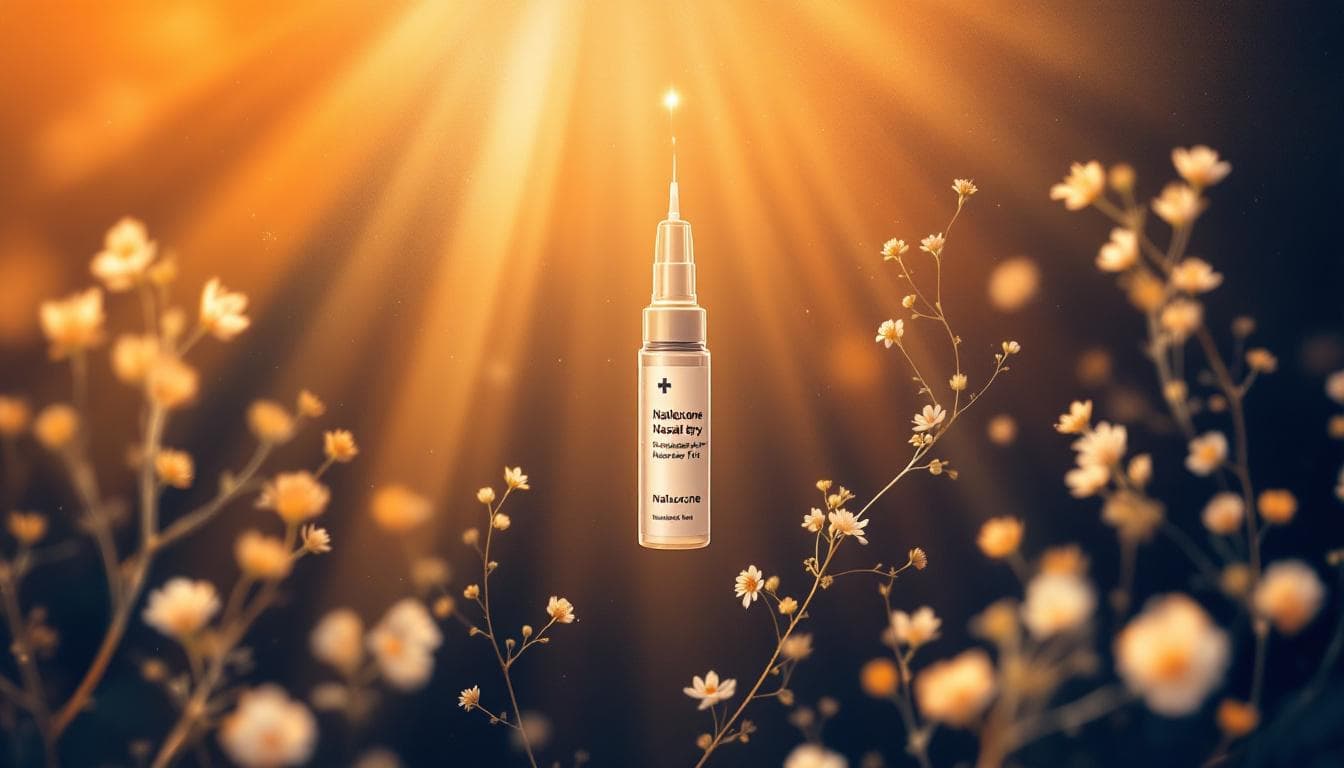
In 2023, a Colorado nonprofit called The Naloxone Project launched the Maternal Overdose Matters Initiative. The program partnered with 107 hospitals across the state—including all 48 birthing facilities—to distribute naloxone kits directly to new parents before discharge.
Every family receives not just the medication but also education: how to recognize the signs of an opioid overdose, how to administer naloxone, and how to safely store and dispose of prescription medications at home.
The naloxone provided is typically a nasal spray, which is safe for all ages, including infants and toddlers. The kits come with simple, clear instructions designed for high-stress emergency situations.
To date, The Naloxone Project has distributed more than 2,500 naloxone kits through the MOMs Initiative alone. The broader organization, which started in Colorado in 2021 and has since expanded to 16 states, has placed naloxone in emergency rooms across the state as well, normalizing conversations about overdose prevention in healthcare settings where they were once rare.
The People Who Need It Most Aren't Who You'd Expect
People with opioid use disorder are at the highest risk for overdose. But they're far from the only ones who die.
In 2024 alone, 1,603 people in Colorado died from accidental opioid overdoses. Many were taking prescription medications exactly as directed. Many had no prior substance use history.
Prescription opioids—oxycodone, hydrocodone, morphine—are routinely prescribed after surgery, including cesarean sections. These medications, taken at home, can become sources of accidental overdose. Someone might take too much at once. A medication might interact unexpectedly with alcohol or benzodiazepines. A child might find pills in a medicine cabinet.
In 2024, 17 children in Colorado died from opioid overdoses.
The MOMs Initiative addresses this broader risk landscape. New parents leaving the hospital often have prescriptions for pain management. They have medications in their homes. They have young children who may encounter those medications. And they're exhausted, sleep-deprived, and navigating a period of immense physiological and psychological vulnerability.
Naloxone in the home isn't just about protecting the person who gave birth. It's about protecting anyone in the household who might accidentally encounter opioids—or anyone visiting who might be at risk.
Normalizing a Lifesaving Conversation
One of The Naloxone Project's broader goals is to change the culture around naloxone itself.
For too long, receiving naloxone carried stigma. It was seen as something only "certain people" needed—people struggling with addiction, people engaged in high-risk behavior. That framing kept naloxone out of homes where it was desperately needed, even as overdose deaths climbed.
The MOMs Initiative treats naloxone distribution as a universal precaution, like learning CPR or keeping a fire extinguisher in the kitchen. Every family gets it. Every family gets the same education. No one has to disclose substance use history or justify why they might need it.
That universality does two things. First, it removes shame and judgment from the equation, making it more likely that people will actually keep the naloxone accessible and use it if needed. Second, it acknowledges a medical reality: opioid overdose can happen to anyone, anywhere.
Recognizing and responding to opioid overdose—including administering naloxone—is now a standard part of Basic Life Support training offered by the Red Cross. It's seen as a critical, lifesaving skill comparable to CPR. The MOMs Initiative extends that same philosophy to postpartum care.
From Despair to Recovery
The American Society of Addiction Medicine defines substance use disorder as "a treatable, chronic medical disease involving complex interactions among brain circuits, genetics, the environment, and an individual's life experiences."
The word "treatable" is key.
People with opioid use disorder can and do recover—but only if they survive long enough to access treatment. Naloxone creates that opportunity. It's a bridge between overdose and the chance to seek help.
Dr. Klie has seen it firsthand in her practice. Some of her patients received naloxone during an overdose event, survived, and went on to enter long-term recovery. Treatment for opioid use disorder includes evidence-based medications like methadone, buprenorphine, or naltrexone; residential or intensive outpatient programs; individual therapy; and peer support services, especially programs designed for pregnant and parenting mothers.
How those pieces come together is unique for every person. But none of it is possible without survival.
A Model for the Nation
Colorado's 60% reduction in maternal overdose deaths in a single year isn't conclusive proof that naloxone distribution alone drove the decline. Other factors—expanded access to medication-assisted treatment, harm reduction services, community education—likely played roles as well.
But the timeline is striking. The MOMs Initiative began in 2023. Maternal overdose deaths fell from 20 in 2022 to eight in 2023. And the mechanism makes sense: naloxone works, and making it universally available where it's most likely to be needed increases the odds that it will be present during an overdose.
The Naloxone Project's model is spreading. What started in Colorado emergency rooms has expanded to chapters in 16 states. The MOMs Initiative is being adapted in other jurisdictions. And the principle—that naloxone should be as accessible as any other emergency medical tool—is gaining traction nationwide.
Dr. Klie has become an advocate for treating naloxone as a standard of care in every home, school, and workplace. She points out that overdose reversal is now considered as essential as CPR in public health training. Bystanders are being empowered to intervene, not as medical professionals but as neighbors, family members, colleagues.
"Naloxone is for everyone," she wrote. "It can build a bridge between despair and hope—life and death."
What Colorado's Data Says About the Future
The drop from 20 maternal overdose deaths to eight represents 12 mothers who survived 2023. Twelve families that didn't lose someone. Twelve women who had the chance to parent their children, seek treatment if needed, or simply continue living.
Colorado's maternal mortality rate overall is 11.5 per 100,000 births—the fifth-lowest in the United States. But even in a state with relatively strong maternal health outcomes, overdose had become the dominant threat to new mothers.
The progress in 2023 suggests that targeted, evidence-based interventions can reverse those trends. It shows that harm reduction strategies don't just work for people with diagnosed substance use disorders—they work for entire communities when implemented universally and without judgment.
And it demonstrates that sometimes the most effective public health interventions aren't complex or expensive. They're as simple as making sure every new parent has a naloxone kit in their bag when they leave the hospital.
The Colorado Department of Public Health and Environment continues to monitor maternal mortality data closely. The 2024 numbers aren't finalized yet, but early indicators suggest the downward trend is holding.
If it does, Colorado's approach may become a national blueprint. Not because it's revolutionary, but because it's replicable. Because it's built on evidence, delivered with dignity, and focused on a single, achievable goal: making sure that when an overdose happens, the tools to reverse it are already there.
Because 12 lives saved in one year isn't just a statistic. It's 12 chances for recovery. Twelve families still whole. Twelve reasons to believe that even in the middle of an overdose epidemic, progress is possible.
Editorial Board
Editorial review using SAMHSA, CDC, CMS, and state agency sources
The NWVCIL editorial team reviews and updates treatment-center information using public data from SAMHSA, CDC, CMS, and state behavioral-health agencies. We cross-check facility records, state coverage rules, and clinical-practice updates so the directory reflects current evidence and policy.
Related Articles

NYC Homeless Deaths Fall for First Time in Seven Years as Overdose Fatalities Drop 30%
Annual report shows 634 homeless New Yorkers died in 2025, down from 770 in 2024, marking the first decrease in seven years amid expanded harm reduction efforts.
Baltimore to Transform 911 System Using Opioid Settlement Funds, Sending Mental Health Teams Instead of Police
Baltimore uses $15 million in opioid settlement funds to transform 911 response, sending mental health teams instead of police to crisis calls.

Trump Administration Orders Health Programs to Move Away from Overdose Prevention
CDC informs state and local health programs they must agree to new Trump administration priorities within days, including deprioritizing harm reduction and housing-first strategies proven to reduce drug overdoses.