FDA Fast-Tracks Three Psychedelic Therapies in Historic Regulatory Shift
In an unprecedented move, the FDA grants priority review to three psychedelic-assisted therapies, potentially bringing psilocybin and MDMA treatments to patients by late 2026.
84 articles found

In an unprecedented move, the FDA grants priority review to three psychedelic-assisted therapies, potentially bringing psilocybin and MDMA treatments to patients by late 2026.

Xylazine, a veterinary tranquilizer increasingly mixed with fentanyl, is creating unprecedented challenges for overdose reversal and wound care across the United States.

Bipartisan legislation would establish dedicated federal funding stream for multi-jurisdictional drug task forces, with 40% of resources directed to tribal and local law enforcement

The POINTS Act would create a $50 million annual federal grant program for problem gambling treatment—the first dedicated funding stream as legal sports betting expands to 38 states.

New JAMA Network Open research from Yale School of Medicine convenes 42 national experts to develop consensus guidelines for initiating medication-assisted treatment in hospitals as fentanyl transforms clinical protocols

Clinical trial shows semaglutide plus cognitive behavioral therapy significantly reduces alcohol consumption, offering new hope for treating alcohol use disorder with existing medications.

New CDC data shows drug overdose deaths fell to approximately 70,000 in 2025, marking three consecutive years of decline from the 2022 peak of nearly 110,000 fatalities.

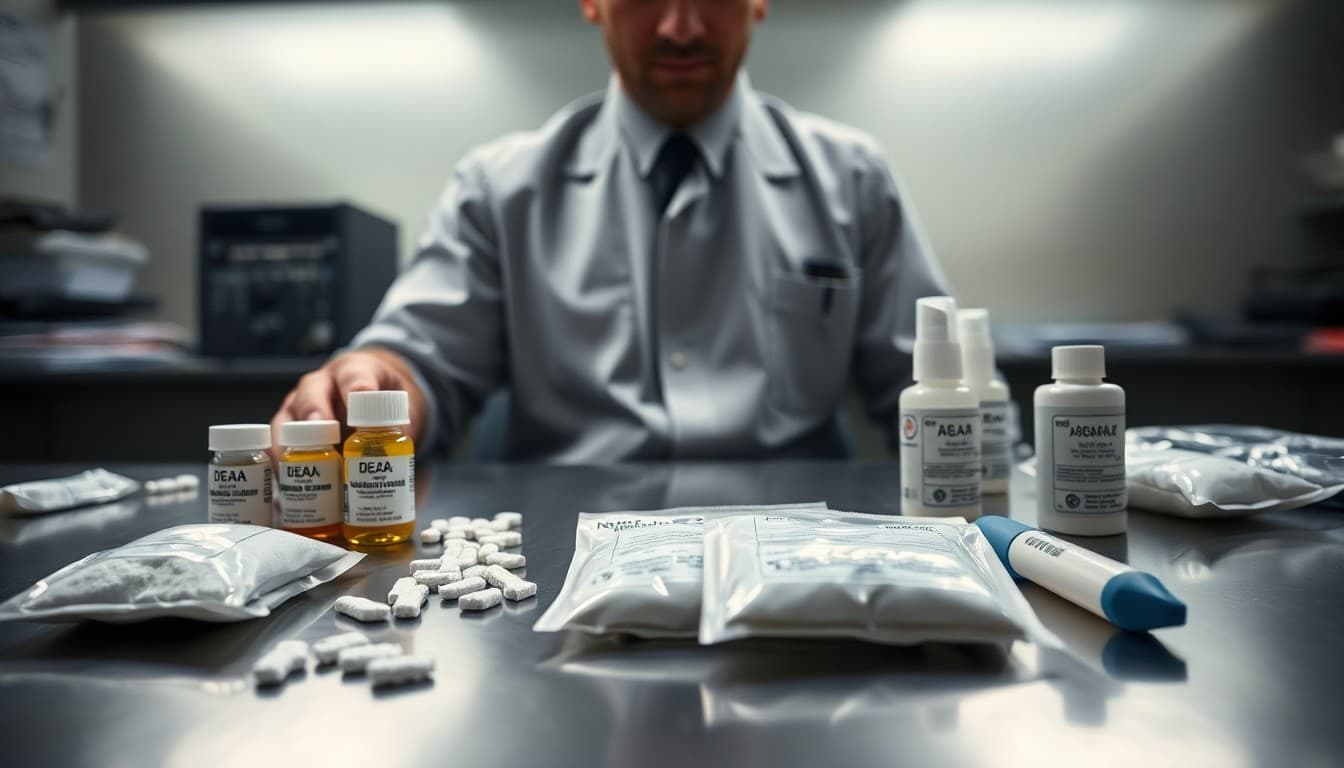
DEA advisory highlights escalating threat from fentanyl combined with cychlorphine, medetomidine, nitazenes, and xylazine—substances that resist naloxone and are driving overdose deaths across multiple states.

Mississippi secures $40.9 million from $7.4 billion Purdue-Sackler settlement, bringing total opioid recovery to over $400 million for addiction treatment and prevention programs.

US authorities issue urgent warning to international visitors ahead of 2026 FIFA World Cup about fentanyl contamination in street drugs, as DEA reports 29% of seized pills contain lethal doses.

New NIH-funded research reveals that oral small-molecule GLP-1 drugs like orforglipron suppress hedonic feeding by modulating the central amygdala, opening potential pathways for treating substance use disorders.

White House releases ambitious 195-page drug control strategy calling for easier treatment access, but administration's funding cuts and policy shifts threaten implementation.

Maryland's highest court rejects 'public nuisance' theory in opioid litigation, forcing Baltimore to dismiss case against McKesson and Cencora while keeping $400 million in earlier settlements.

A deadly synthetic opioid called cychlorphine, estimated to be 10 times more potent than fentanyl and undetectable by standard test strips, has been linked to dozens of overdose deaths across Tennessee, Arkansas, California, and other states.

New data shows medication-assisted treatment for opioid use disorder reached 69% among Medicaid beneficiaries by 2023, yet 180-day treatment retention declined from 62.6% to 57.7%.

Wyoming becomes the latest state to adopt digital harm reduction tools, launching an interactive map that connects residents with free naloxone across 22 of 23 counties.

FDA grants priority review vouchers to Compass Pathways, Usona Institute, and Transcend Therapeutics for psilocybin and methylone therapies, marking the most significant federal psychedelic policy advancement in modern American history.

Trump administration ends federal support for fentanyl, xylazine, and medetomidine test strips through SAMHSA grants, reversing Biden-era harm reduction policies amid declining overdose deaths.

The historic $7.4 billion Purdue Pharma and Sackler family settlement becomes legally effective May 1, 2026, with states beginning to receive funds for addiction treatment and prevention programs.

Trump administration proposes national wastewater monitoring and artificial intelligence to track drug use patterns, alongside faith-based treatment expansion and integrated addiction care.

New CDC data shows U.S. overdose deaths fell 15.9% in the past year, but emerging synthetic drugs like medetomidine threaten continued progress

Nebraska will require Medicaid expansion enrollees to work 80 hours monthly, raising concerns about addiction treatment access for vulnerable populations.

Federal court sentences OxyContin maker to historic penalties, clearing path for bankruptcy settlement that includes $865 million for victims—but many will be shut out under tightened eligibility rules.

Physicians publish urgent editorial urging federal action to protect access to addiction medications during climate emergencies after Hurricane Helene exposed critical gaps.

Trump administration's SAMHSA announces major policy reversal, banning federal funds for fentanyl test strips and sterile syringes while urging limitations on methadone and buprenorphine prescribing.

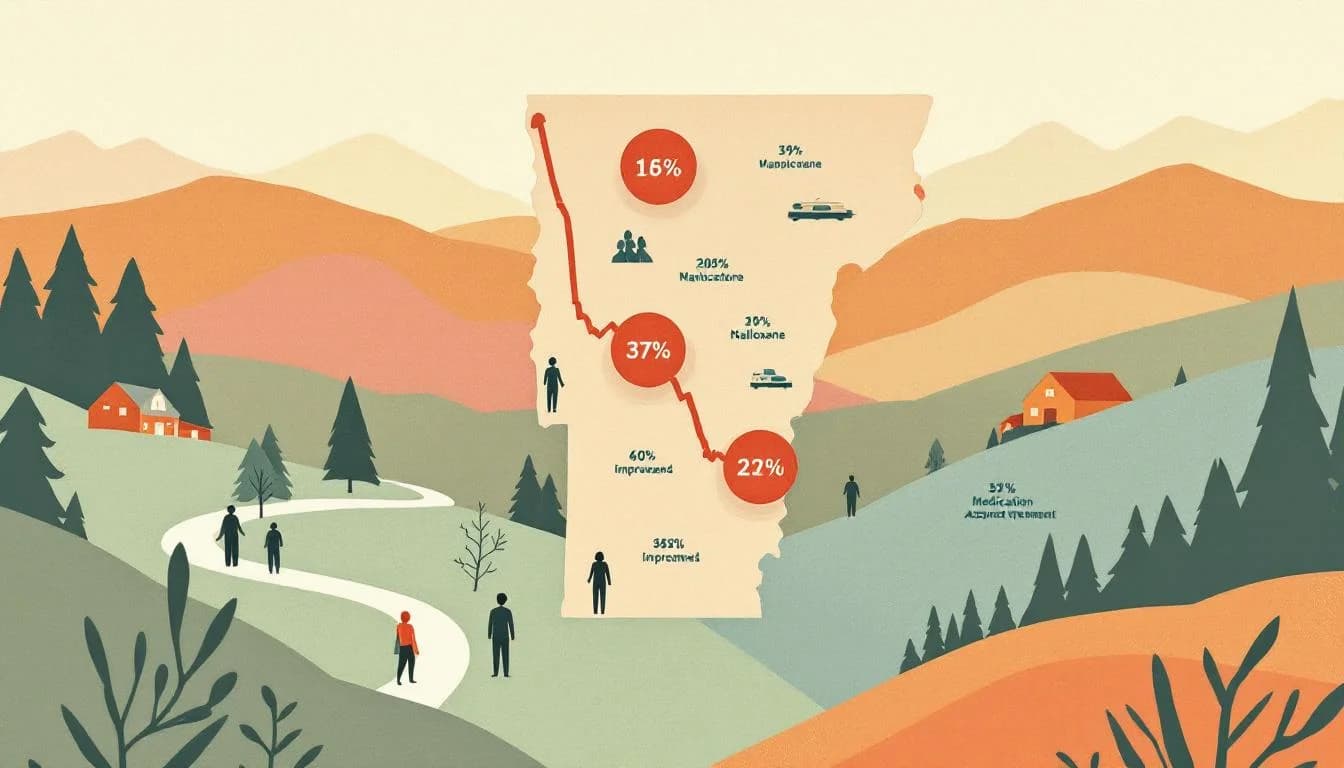
Vermont reports dramatic 25% reduction in drug overdose deaths, marking the state's first significant decline in fatal overdoses in 20 years amid national mortality improvements.

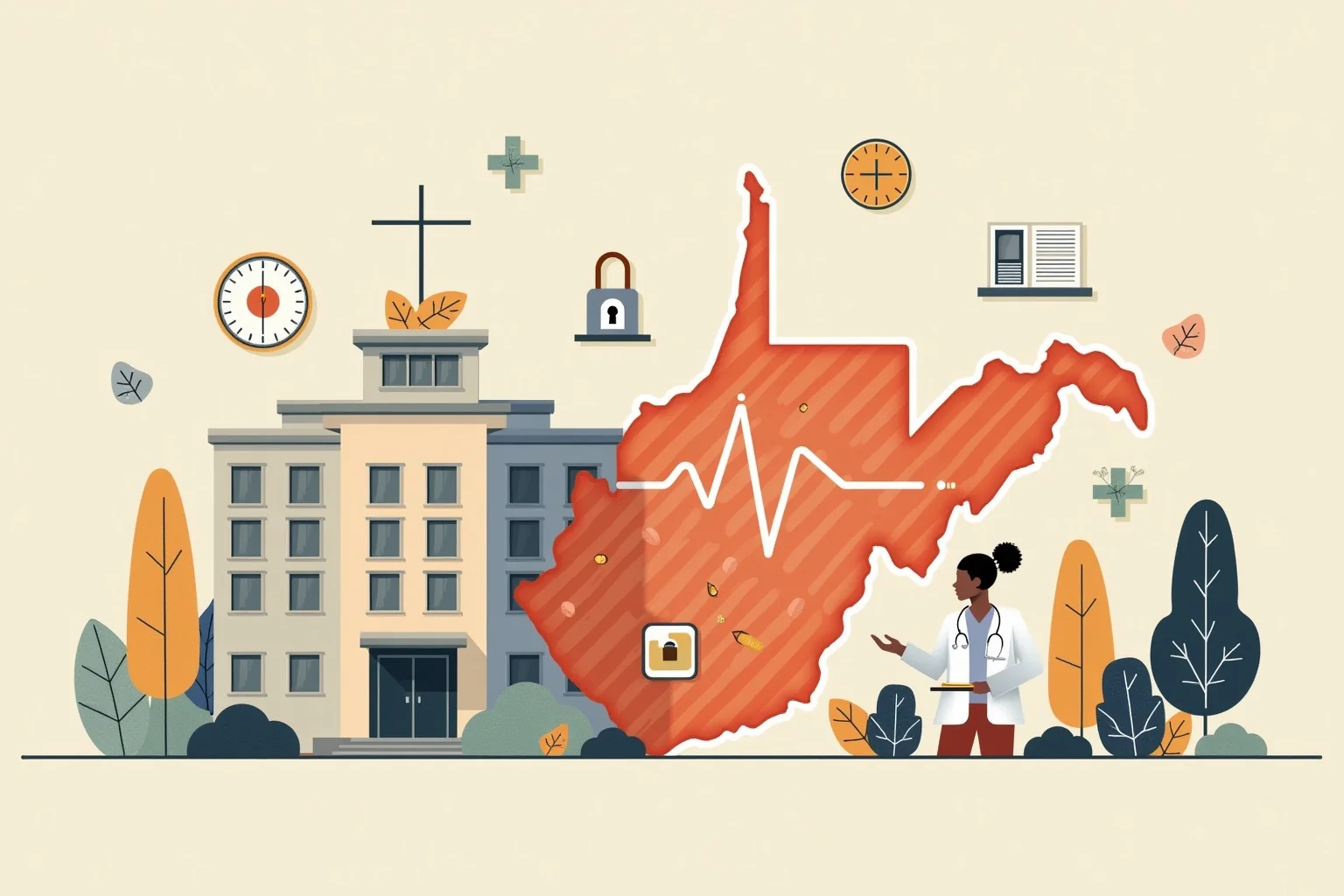
West Virginia reports 48% drop in fatal drug overdoses, exceeding the national decline of 44%, as enforcement and public health efforts converge in the state hardest hit by the opioid crisis.

State regulations force daily clinic visits and limit take-home doses, making medication-assisted treatment more burdensome than federal standards require.

New research published in JAMA shows the 988 suicide crisis hotline is associated with significant reductions in suicide deaths among young people, with states showing highest call volume experiencing the greatest declines.

New Mexico becomes testing ground for SAMHSA-vetted digital recovery platform with dedicated teen version, offering 24/7 peer support and crisis intervention through smartphones.

New JAMA Network Open study shows MOUD access among Medicaid beneficiaries rose from 60% to 69% between 2019-2023, with 45 states seeing increases.

DEA identifies carfentanil 1,400 times in 2025 drug seizures as the ultra-potent synthetic opioid 100 times stronger than fentanyl kills hundreds across 42 states.

In a region flooded with 17 million prescription opioids, proposed Medicaid work requirements and funding cuts threaten to dismantle the safety net that has helped hundreds achieve recovery from addiction.

President Trump signs executive order directing FDA to fast-track psychedelic drug reviews, allocates $50 million for ibogaine research, and establishes Right to Try pathway for treatment-resistant patients.

DEA reports 1,400 carfentanil identifications in 2025, up from just 54 in 2022. The veterinary tranquilizer, 100 times stronger than fentanyl, is killing unsuspecting users as China cracks down on fentanyl precursors.

JAMA Network Open study finds Medicaid expansion in eight states increased buprenorphine prescriptions by over 21%, with Oklahoma seeing 43% drop in overdose deaths.

President Trump signs executive order directing FDA to fast-track psychedelic research, provides $50 million for ibogaine studies, and opens Right to Try pathway for patients with treatment-resistant mental illness.

The Trump administration abruptly canceled hundreds of SAMHSA grants funding overdose prevention, naloxone distribution, and peer recovery support, putting addiction services at risk nationwide.

White House budget request would slash drug prevention grants, consolidate SAMHSA into new agency, and merge NIDA with alcohol institute while cutting $200 million from research.

Advocates press Congress to expand Veterans Treatment Courts and restore VA benefits access for incarcerated veterans struggling with service-connected mental health and substance use disorders

ONDCP, SAMHSA and HUD launch two-day summit to develop national toolkit for treating substance use disorders among homeless individuals, marking a shift toward integrated care models

Federal health officials warn about medetomidine, a veterinary tranquilizer increasingly mixed with illicit fentanyl, causing complex withdrawal syndromes and complicating overdose responses

New Anesthesiology research reveals that conventional naloxone doses may not fully reverse respiratory depression from potent synthetic opioids like fentanyl and sufentanil, urging updated emergency protocols

Food and Drug Administration issues complete response letter rejecting Lykos Therapeutics' MDMA-assisted therapy for PTSD, demanding additional clinical trials despite promising efficacy data.

New JAMA study shows states expanding Medicaid after 2018 saw sharp rises in buprenorphine prescriptions, but federal funding cuts could reverse gains.

Northwestern University researchers debunk 2025 drug overdose surge reported by CDC, finding the apparent spike was a modeling error caused by rapid epidemic shifts, not data manipulation or political interference.

Congressional bill H.R. 5629 threatens to roll back SAMHSA's permanent methadone take-home flexibilities as Pew Charitable Trusts submits testimony defending COVID-era reforms that reduced travel burdens without increasing diversion or deaths.

National coalition urges Congress to maintain SAMHSA, NIH, and addiction program funding in FY2027 appropriations amid proposed 12.5% HHS budget cuts.

House roundtable examines paradox of doubled treatment access, 241% spending increase while depression and suicide reach historic highs. Youth antidepressant prescriptions jump 63%.

Federal initiative targets individuals experiencing homelessness and substance use disorders through outcomes-based approach, but faith-based inclusion and punitive policy context raise concerns among public health advocates.

Deal flow in substance use disorder treatment hits six-year low as investors pull back amid quality concerns, Medicaid uncertainty, and volatile federal grants—leaving safety-net providers facing potential closures.

SB 365 would mandate ERs provide evidence-based addiction treatment, potentially saving $20,000 per patient annually while reducing overdose deaths — but faces hospital pushback over costs.

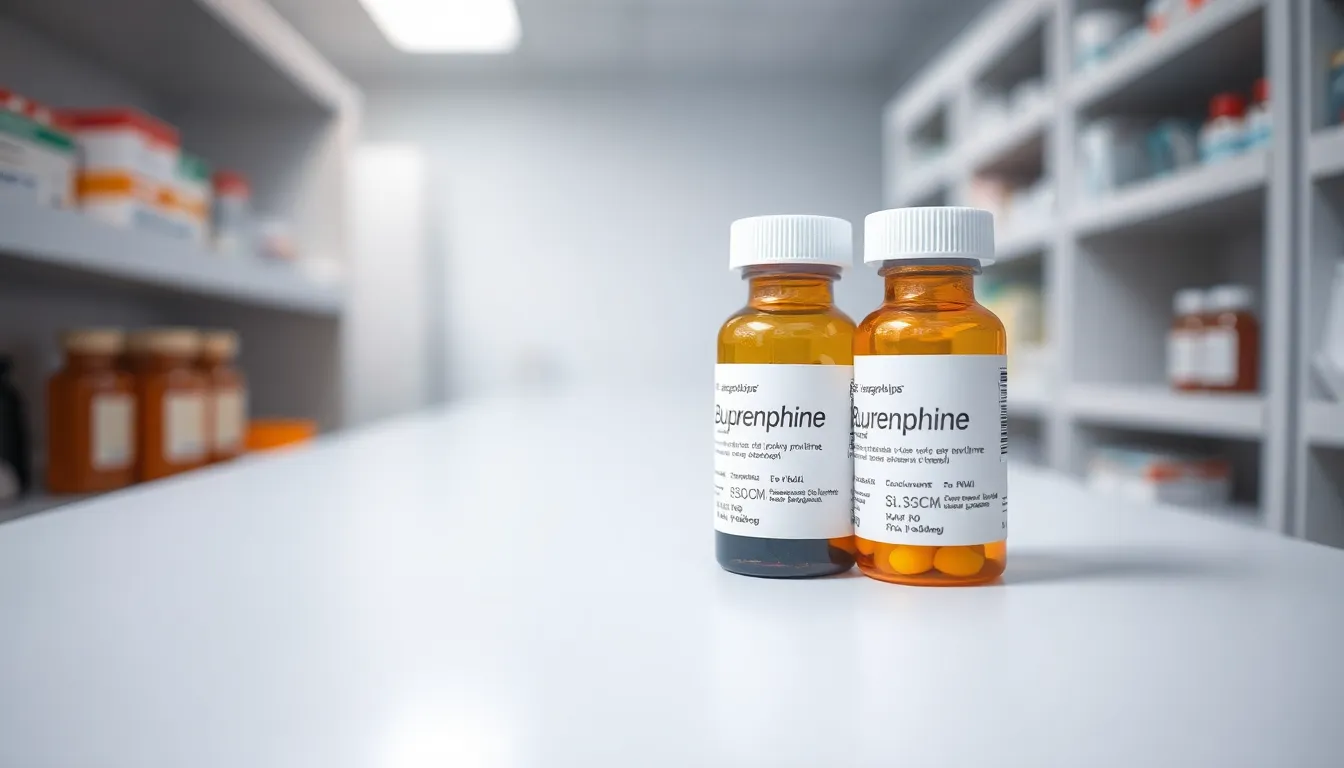
World Health Organization adds conditional recommendation for monthly and weekly buprenorphine injections, expanding evidence-based options for 61 million people using opioids non-medically worldwide.

World Health Organization adds conditional endorsement for long-acting injectable buprenorphine to global opioid dependence treatment guidelines April 2026, alongside continued strong recommendations for methadone and oral formulations.

Senator Patty Murray announces funding for Tacoma-Pierce County mobile medical services while highlighting successful pushback against Trump administration's proposed $2 billion SAMHSA grant terminations.

New report profiles eight alternative mental health crisis programs removing police from response while Trump administration restructuring threatens federal funding infrastructure.

Federal agency proposes expanding community health workers and peer support specialists in rural areas where 60% of Americans lack access to mental health and addiction treatment services.

Congressional oversight hearing exposes chaotic federal response to addiction crisis as $2 billion in treatment grants remain uncertain and agency staff cut by half

Oregon and Colorado lead regulated psilocybin therapy programs as research shows promise for depression, PTSD, and addiction. Personal stories reveal profound results.



Indiana University's MACRO-B initiative reduced opioid overdose mortality among Black Indianapolis residents by 45% in two years, now expanding statewide.

SUPPORT Act allows pharmacists to prescribe addiction medication with 8 hours training. Maryland considers state legislation as federal pathway opens treatment access.

National opioid overdose deaths fell to 46,066 in October 2025, down from 86,075 in June 2023. CDC data reveals declines across all racial groups as weaker fentanyl supply and expanded treatment efforts reshape the crisis.

Opioid deaths fell 12% in Washington last year while innovative programs expanded access to life-saving treatment. But new Medicaid work requirements and federal funding cuts are already disrupting care.

Veterinary sedative 300× more potent than xylazine spreads through illicit opioid supply, causing life-threatening withdrawal and evading standard drug tests.

Eastern Shoshone Tribal Health launches Wyoming's first harm reduction vending machines offering free naloxone, fentanyl test strips, and suicide prevention tools through anonymous PIN access to address overdose crisis on Wind River Reservation.

Bipartisan DETECT Nitazenes Act introduced in Congress would enhance detection technology for emerging class of synthetic opioids linked to over 1,000 deaths in UK.

New federal data reveals historic decline in opioid deaths across all demographics, driven by expanded naloxone access, weaker fentanyl supply, and medication treatment—though Arizona and four other states buck the trend.

Brandeis University economic analysis shows two pharmacy-based methadone models generate positive returns of $2.64 and $3.53 per dollar spent over three years while addressing treatment deserts in 80% of U.S. counties.

A new survey of 212 jails and prisons finds only 58% provide FDA-approved medications for opioid use disorder, with stark regional disparities and treatment gaps putting released inmates at 40-times-higher overdose risk.

NIH-funded trial finds pregnant patients receiving weekly extended-release buprenorphine injections achieved significantly higher rates of opioid abstinence with fewer serious adverse events than those on sublingual buprenorphine.

SAMHSA's termination and rapid restoration of $2 billion in mental health grants in January exposed fragility of addiction infrastructure as overdose deaths decline for first time in decades.

Cychlorphine, an emerging synthetic opioid more potent than fentanyl, has been connected to at least 16 overdose deaths in East Tennessee since October. Federal authorities track 22 samples nationwide as harm reduction officials warn naloxone may require multiple doses.

Lawmakers push package of reforms including 988 funding, treatment bed registry, and insurance coverage mandates as state struggles to meet crisis response needs.

CDC data shows overdose deaths fell to 68,000 in 12 months ending October 2025, the lowest since 2019, driven by a dramatic decline in fentanyl purity from 25% to 11% as all four waves of the epidemic enter simultaneous decline.

Bipartisan POINTS Act would allocate $100M annually from sports betting taxes to prevention and treatment programs, marking the first dedicated federal investment in gambling disorder services.

Federal judge's ruling forces Education Department to restore funding for 120 school mental health projects, extending support through June 2026 as legal battle continues.

New national survey reveals 18 states mandate recovery assessments in treatment facilities, but federal reporting burdens and staffing shortages slow broader adoption.

Federal agency opens funding applications for children's mental health services, suicide prevention frameworks, and assisted outpatient treatment programs as part of broader recovery initiative.

New federal legislation would require OSHA guidance on workplace naloxone access amid rising employer reports of opioid impact and uneven emergency preparedness.

In a landmark policy shift, the FDA announced it will approve new drugs based on a single rigorous trial plus confirmatory evidence—a change that could accelerate development of therapies for opioid use disorder, alcohol addiction, and stimulant dependence.

DEA and HHS codify pandemic-era flexibility, allowing providers to initiate and maintain buprenorphine treatment entirely via telehealth through the end of 2026, a move experts say could save lives and reshape addiction care nationwide.

The Food and Drug Administration moves forward with controversial regulations to limit common painkillers, sparking national debate over balancing opioid crisis response with patient access to pain management.

As cocaine and methamphetamine become contaminated with fentanyl, researchers argue that contingency management and culturally adapted harm reduction are essential—yet remain vastly underutilized across the United States.

New federal rules allow providers to prescribe six-month supply of buprenorphine via audio-only telehealth for opioid use disorder treatment, eliminating pandemic-era restrictions while implementing safeguards.