

Medicaid Expansion Drives 21% Increase in Opioid Treatment Access Across Eight States
South Dakota and seven other states that expanded Medicaid after 2018 have seen dramatic improvements in access to opioid addiction treatment, according to new research published April 13, 2026 in JAMA Network Open.
The Numbers: A 21% Surge in Treatment Access
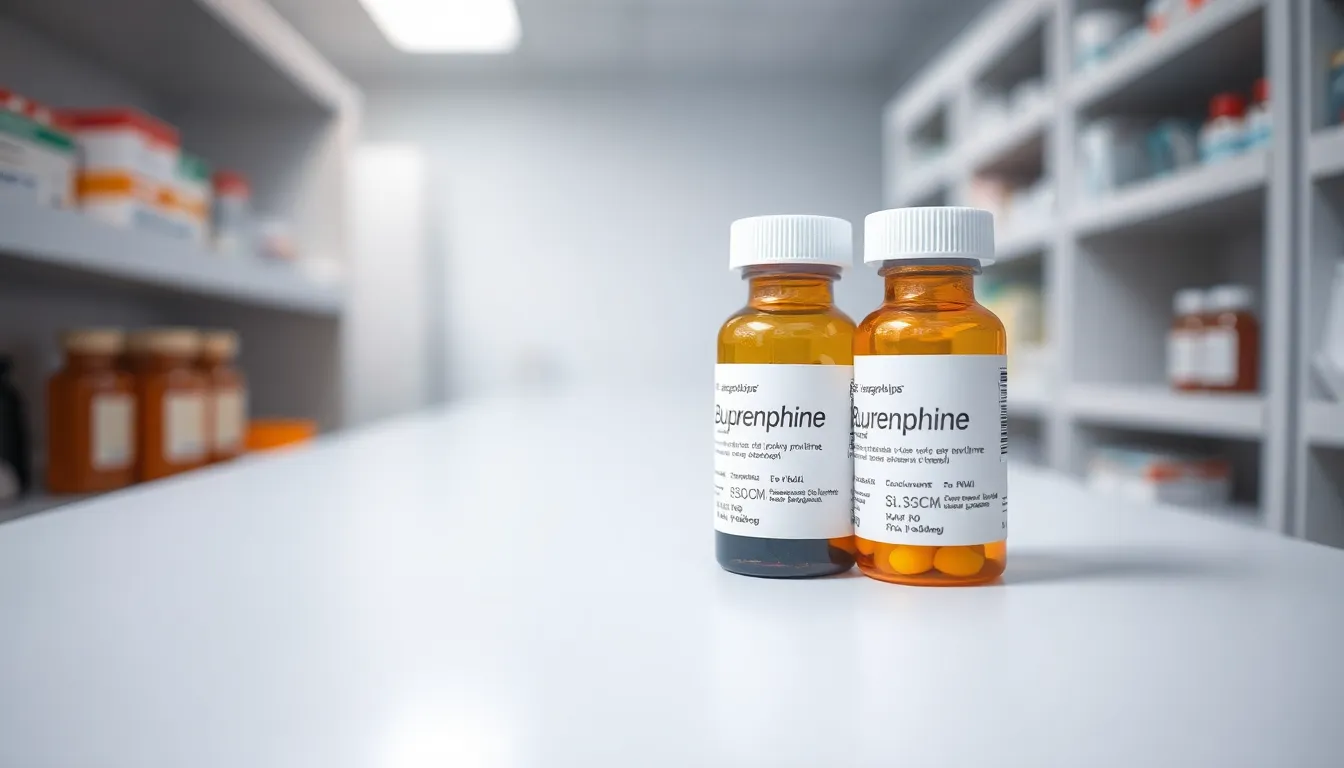
The study found that buprenorphine prescriptions rose more than 21% between 2019 and 2023 in states that expanded Medicaid after 2018. This increase represents thousands of additional patients gaining access to medication-assisted treatment (MAT) — the gold standard for opioid use disorder care.
Buprenorphine, one of three FDA-approved medications for opioid addiction alongside methadone and naltrexone, reduces overdose mortality by approximately 50% compared to no treatment. The medication works by partially activating opioid receptors, reducing cravings and withdrawal symptoms without producing the dangerous highs of full agonists like heroin or fentanyl.
Why Medicaid Expansion Matters
Medicaid has become the nation's largest payer for opioid use disorder treatment, covering millions of Americans who would otherwise face substantial financial barriers to care. Before expansion, many low-income adults in non-expansion states fell into a "coverage gap" — earning too much for traditional Medicaid but too little to afford marketplace insurance.
The researchers linked the prescription increases to two key factors:
- Medicaid expansion extending coverage to low-income adults previously uninsured
- Federal regulatory changes that made buprenorphine easier to prescribe, including expanded telehealth access
Telehealth provisions implemented during the COVID-19 pandemic and extended through federal policy have allowed patients in rural and underserved areas to connect with prescribers without lengthy travel — a significant barrier in states like South Dakota where treatment facilities can be hours away.
The Broader Context: Progress Amid Uncertainty
The findings come as the United States experiences its longest sustained decline in drug overdose deaths in four decades, with provisional CDC data showing a 19% decrease since the August 2023 peak. Expanded access to medications like buprenorphine is widely credited as a contributing factor to this improvement.
However, experts warn these gains could be endangered by proposed federal Medicaid cuts. The Trump administration's fiscal 2027 budget proposal includes significant restructuring of Medicaid financing, while congressional debates over deficit reduction have repeatedly targeted the program for savings.
Research consistently shows that loss of Medicaid coverage is directly linked to increased overdose risk. When patients lose insurance, they often cannot afford monthly buprenorphine prescriptions — which can cost $100-$300 out-of-pocket for generic formulations — forcing them to discontinue treatment abruptly.
Looking Forward
The eight states that expanded Medicaid after 2018 — including South Dakota — demonstrate that policy decisions directly translate to lives saved or lost. Each percentage point increase in treatment access represents families spared from the devastation of overdose deaths.
As federal policymakers consider Medicaid's future, the JAMA findings provide clear evidence: treatment access works, but only when patients can afford it. The 21% increase in buprenorphine prescribing is not merely a statistic — it is a measurable reduction in human suffering, contingent on continued political commitment to funding the programs making it possible.
Published April 13, 2026. Source: JAMA Network Open via KOTA Radio.
Editorial Board
Editorial review using SAMHSA, CDC, CMS, and state agency sources
The NWVCIL editorial team reviews and updates treatment-center information using public data from SAMHSA, CDC, CMS, and state behavioral-health agencies. We cross-check facility records, state coverage rules, and clinical-practice updates so the directory reflects current evidence and policy.
Related Articles

Federal Law Empowers Pharmacists to Prescribe Buprenorphine as States Race to Implement Access
SUPPORT Act allows pharmacists to prescribe addiction medication with 8 hours training. Maryland considers state legislation as federal pathway opens treatment access.

Sheridan County Jail Launches Wyoming's First Medication-Assisted Treatment Program for Incarcerated Individuals
Groundbreaking initiative brings buprenorphine and counseling to detained individuals, addressing a critical gap in addiction care within the state's criminal justice system.
Medicaid Expansion Drove 21% Surge in Opioid Treatment Access, Oklahoma Study Shows
JAMA Network Open study finds Medicaid expansion in eight states increased buprenorphine prescriptions by over 21%, with Oklahoma seeing 43% drop in overdose deaths.