New Mexico Overdose Deaths Jump 21% in 2025 as Nation Sees Decline
New Mexico reports 900 overdose deaths in 2025, a 21% increase while national fatalities drop 14%. Fentanyl drives crisis in Rio Arriba, Santa Fe, and Taos counties with 65%+ spikes.
151 articles found

New Mexico reports 900 overdose deaths in 2025, a 21% increase while national fatalities drop 14%. Fentanyl drives crisis in Rio Arriba, Santa Fe, and Taos counties with 65%+ spikes.

Washington Attorney General opens trial against Albertsons, alleging pharmacy chain failed to prevent opioid misuse while prioritizing prescription volume over patient safety.

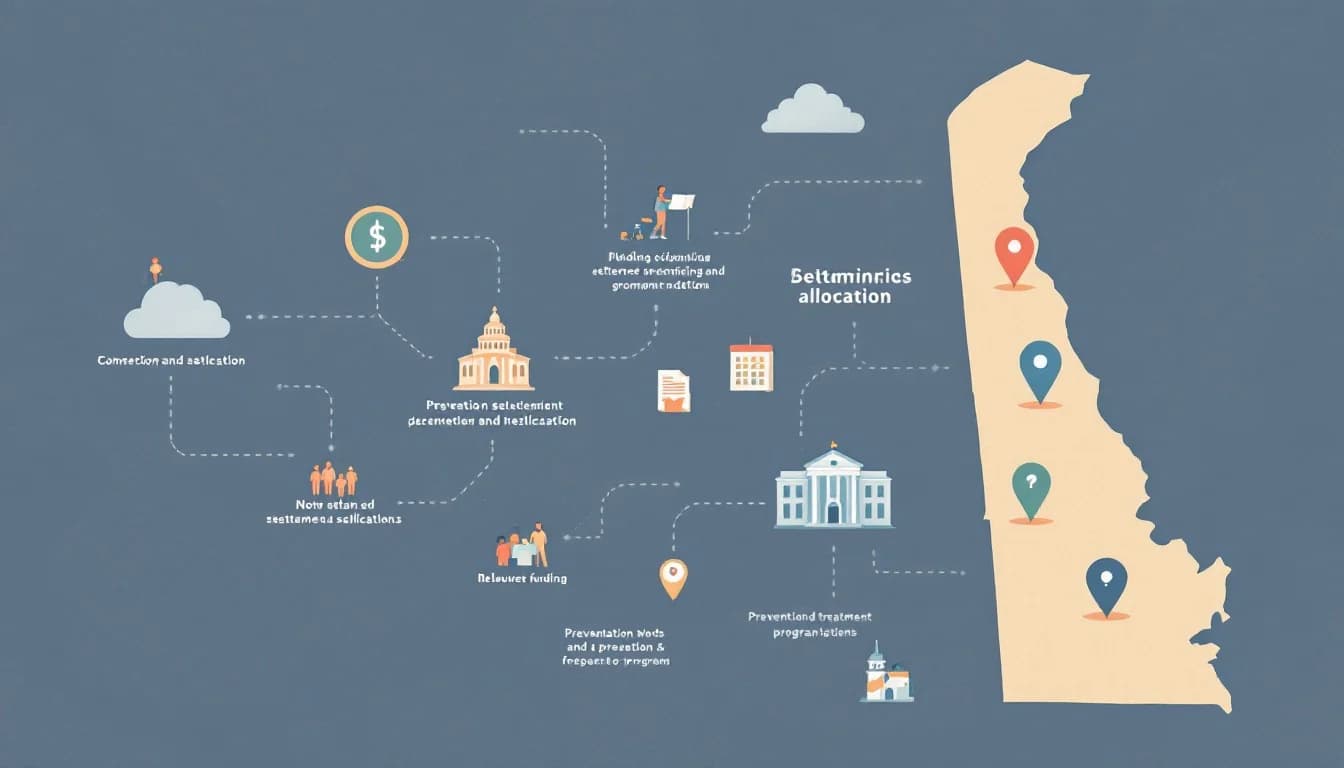
Delaware Opioid Settlement Commission launches fourth competitive grant round with $12.75 million available for prevention, treatment, harm reduction, and recovery support programs.

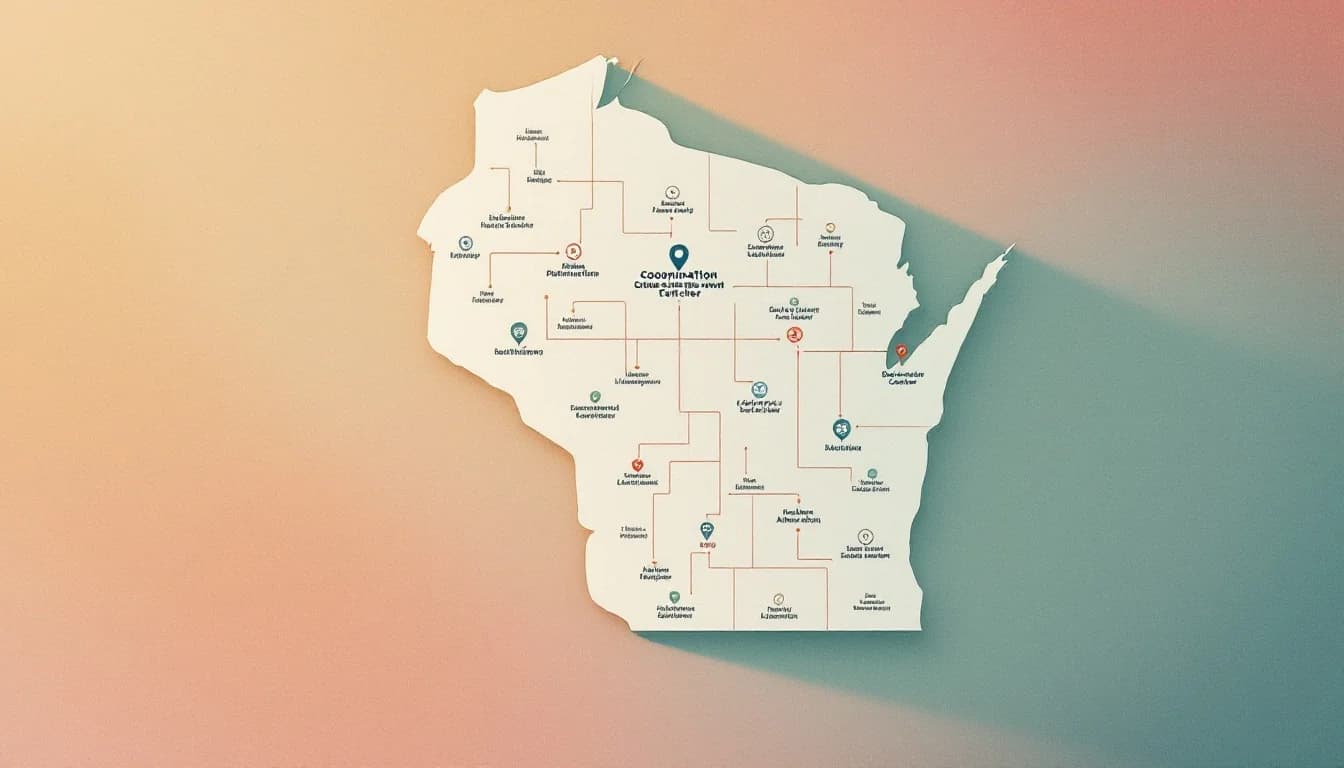
Wisconsin Watch investigation reveals $160 million in opioid settlement funds received by local governments, with 16 municipalities yet to spend any allocations.

Shasta County Jail partners with Mediko to launch medication-assisted treatment for substance use disorders and prepares for California's CalAIM reentry initiative.

Attorney General Phil Weiser awards $12 million to 27 organizations through the Resilient Colorado Grant, investing opioid settlement funds in community-led prevention and recovery programs.

Georgia Senate Bill 6 legalizes possession of fentanyl testing strips starting July 1, 2026, removing a key barrier to overdose prevention in a state hit hard by the opioid crisis.

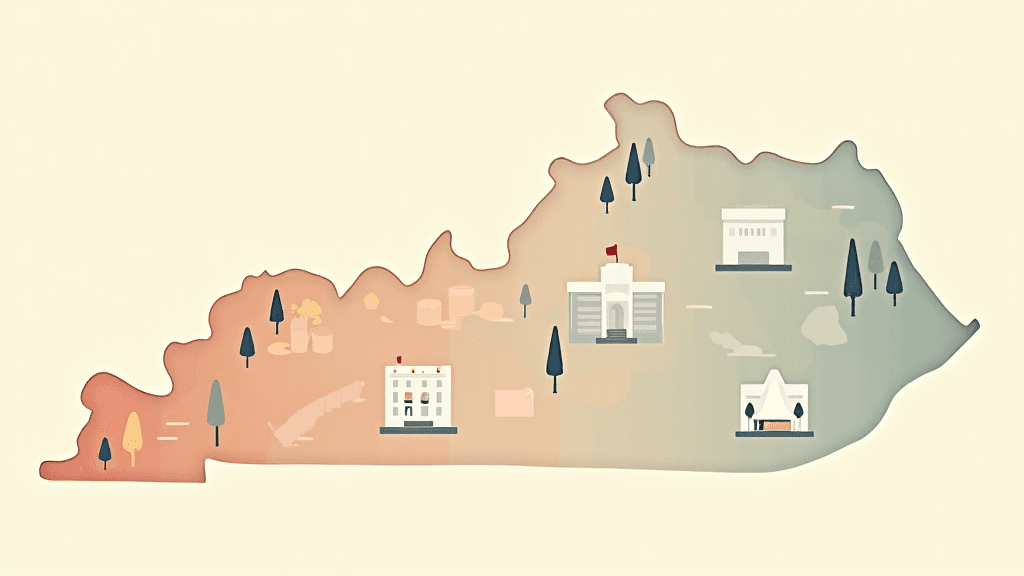
Kentucky Center for Economic Policy finds 90% of opioid settlement dollars remain unspent three years after distributions began, with half of local governments reporting zero expenditures in FY 2025.

Governor Mike Kehoe vetoes $1 million in opioid settlement funds for teen prevention programs, cutting school-based early intervention services as Missouri faces rising overdose risks.

North Carolina's new 2026-2027 state budget allocates $80 million to the Opioid Abatement Fund for addiction treatment, prevention, and recovery services across all 100 counties.

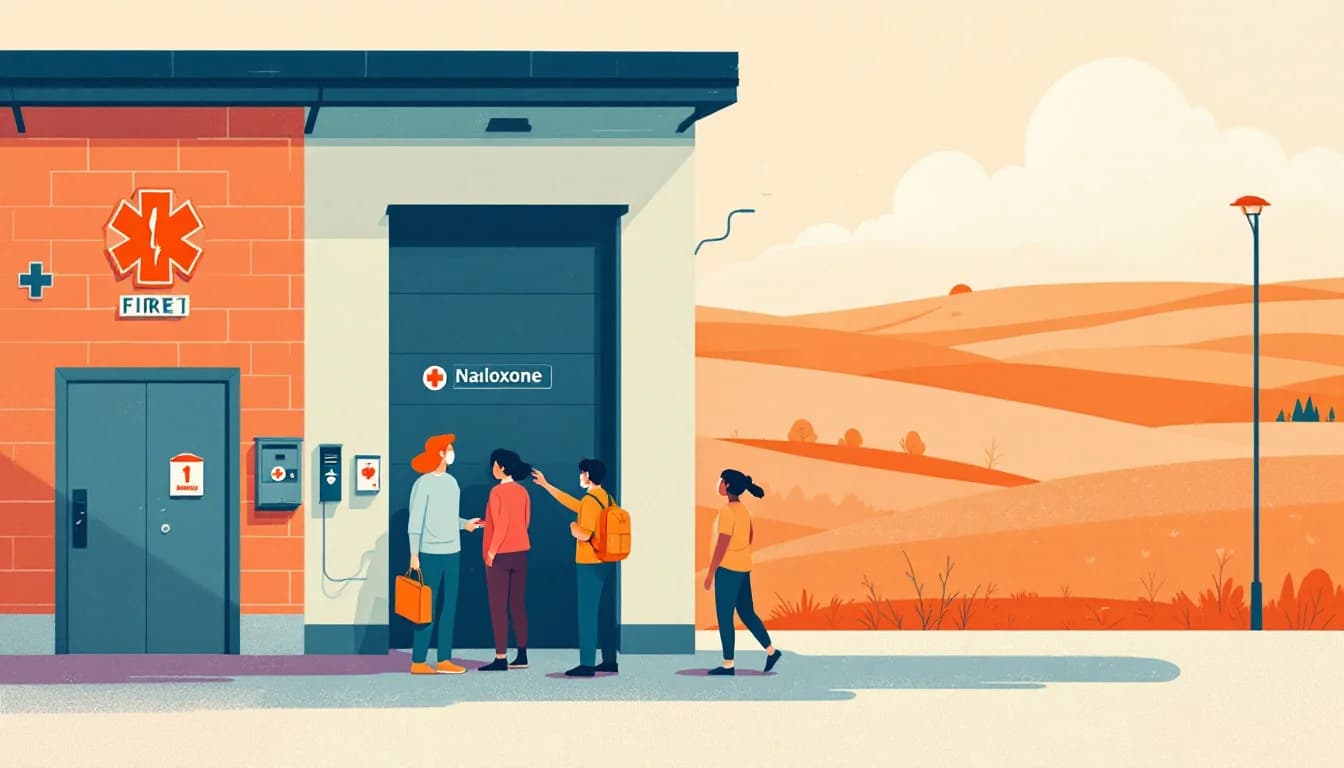
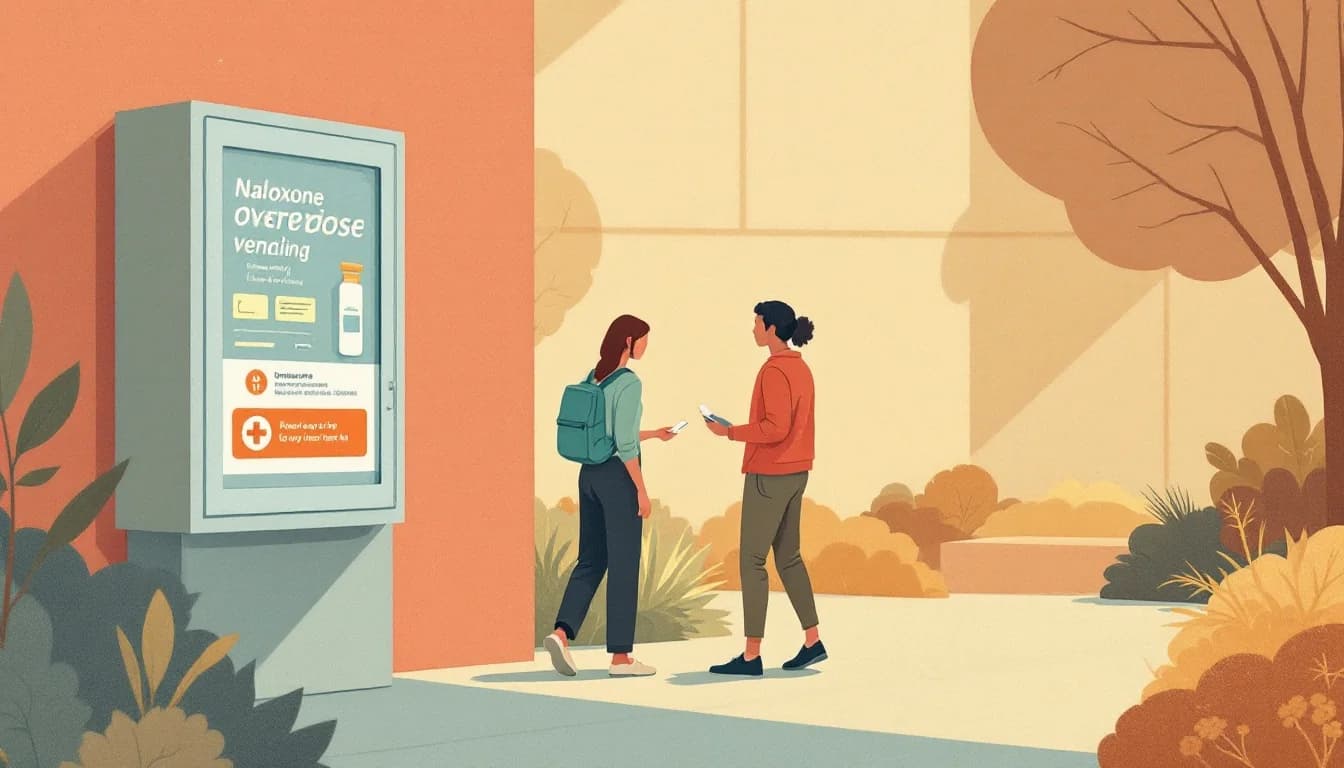
Howard County, Maryland deploys free naloxone vending machines providing 24/7 anonymous access to overdose reversal medication and drug testing supplies.

Hawaii's pioneering syringe exchange program sees dramatic decline in needle swaps as fentanyl users increasingly prefer smoking over injection, prompting statewide harm reduction policy shift through Act 106.

New York City opens first public health vending machines on Staten Island, providing free naloxone, fentanyl test strips, and harm reduction supplies around the clock using opioid settlement funds.

Oklahoma's law protecting harm reduction organizations expires July 1, 2026, halting a program that distributed 1.25 million syringes and reached 8,800 people over five years.

Illinois reports dramatic 36% decline in opioid overdose deaths from 2023 to 2024, with synthetic opioid fatalities down 38%. The reduction reflects sustained investments in naloxone distribution, harm reduction, and treatment access.

Michigan awards $3.75 million in opioid settlement grants to 12 organizations focused on youth substance use prevention, targeting early intervention to reduce lifetime addiction risk.

Idaho Behavioral Health Council recommends directing opioid settlement funds toward rural areas, first responder support, and workforce development as state considers 46 project proposals.

Attorney General Raúl Torrez launches criminal probe into claims that DEA agents allowed hundreds of thousands of fentanyl pills to reach Albuquerque streets as state leads nation in overdose death increases.

Rural Kentucky communities are using opioid settlement money to fund comprehensive harm reduction centers that provide everything from naloxone to housing assistance, demonstrating a sustainable model for addressing addiction in underserved areas.

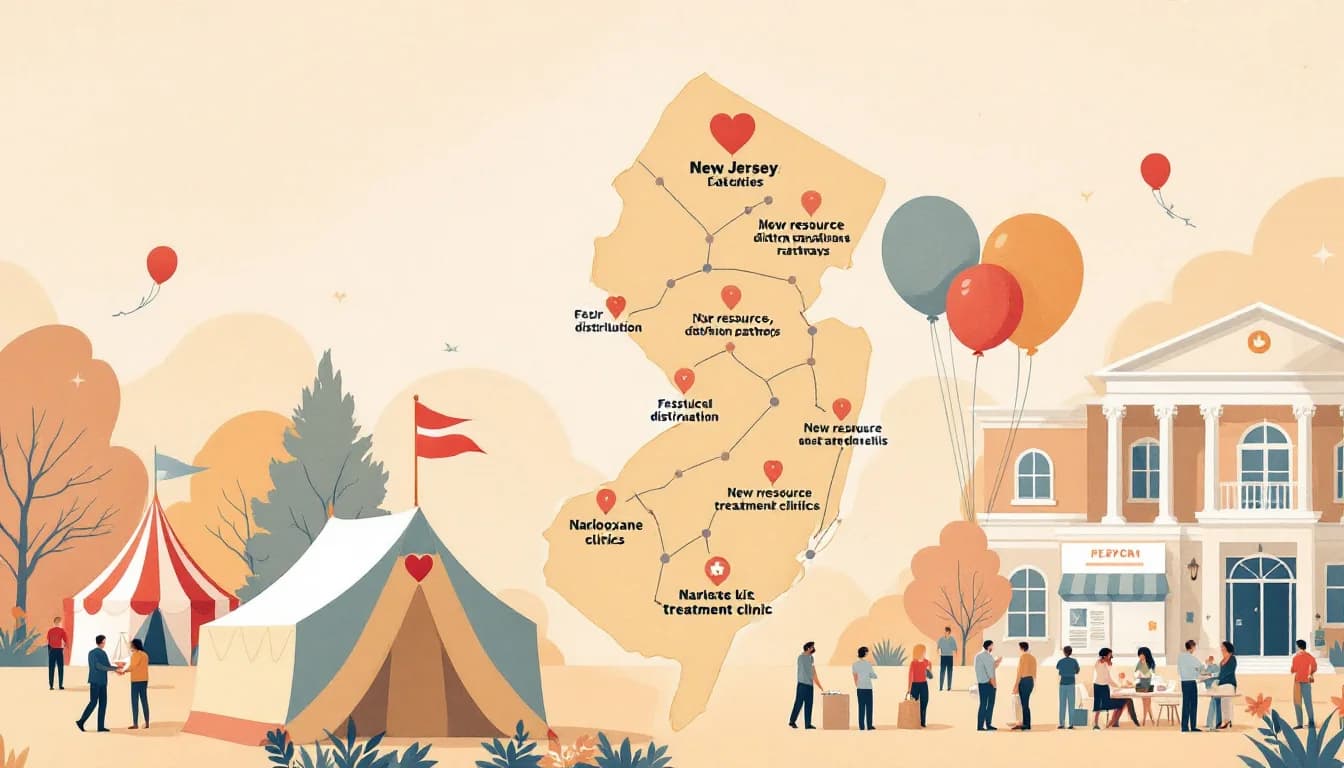
CDC provisional data shows New Jersey achieved a 22% decline in drug overdose deaths in 2025, outpacing the national average and marking the lowest fatalities since before the pandemic.

USF researchers collaborate with Pasco County's Opioid Abatement Task Force to conduct comprehensive behavioral health system analysis and develop data-informed roadmap for strategic settlement fund allocation.

Virginia's Opioid Abatement Authority announces largest funding round to date, supporting prevention, treatment, and recovery programs across the Commonwealth.

Attorney General Kris Mayes allocates opioid settlement money to five rural counties for programs helping formerly incarcerated individuals find stability after release.

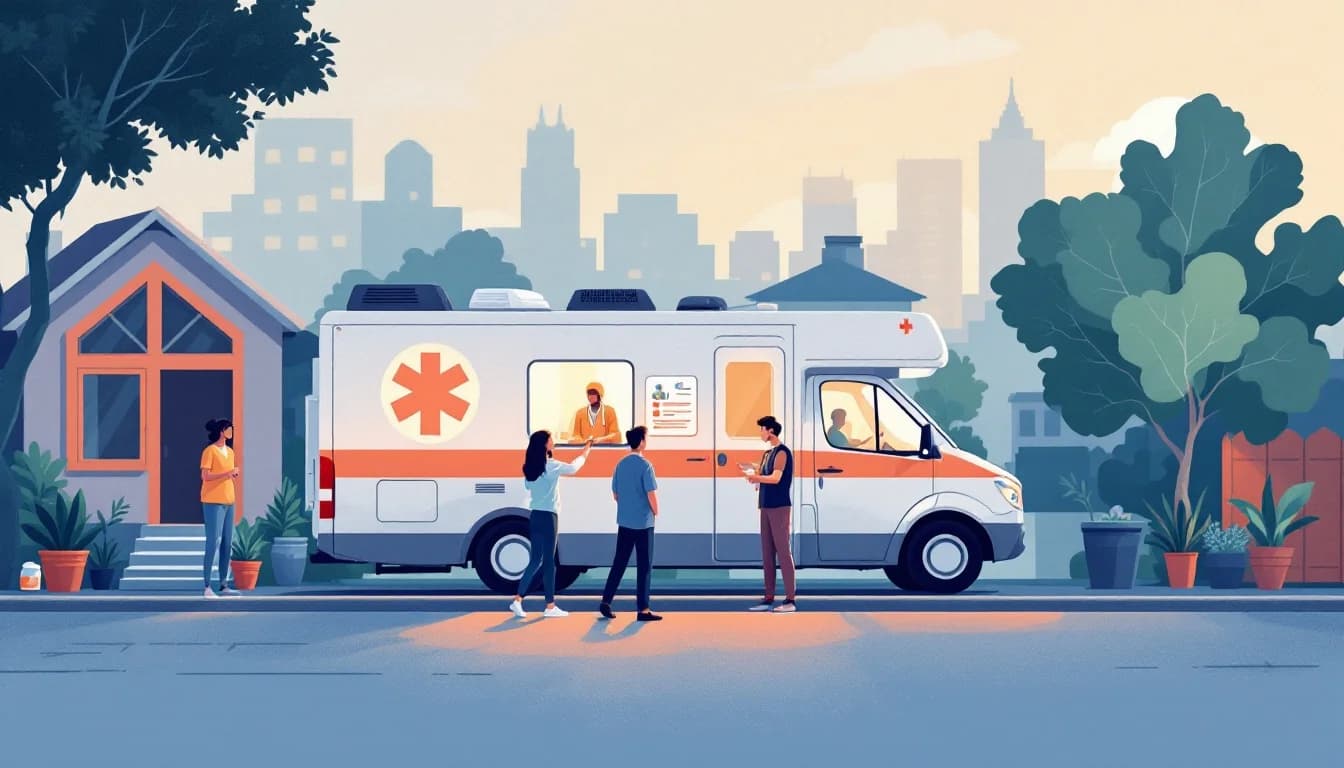
North Carolina's third mobile medication-assisted treatment program brings buprenorphine and methadone directly to underserved communities through partnership with Oak City Cares homeless services hub.
University of Colorado researchers develop comprehensive tracking system to measure how opioid settlement funds reduce overdose deaths and improve addiction treatment across the state.

Union County approves opioid settlement funding for employment assistance program, addressing a critical barrier to long-term recovery for individuals overcoming addiction.

Texas is one of seven states that provide no funding for gambling addiction treatment. A surprising donation from Las Vegas Sands is helping fill the gap.

Mayor Greenberg's proposal to redirect $8 million in opioid settlement money to cover 911 call center and jail costs draws criticism from advocates who call it 'blood money' diversion.

Rhode Island reports 50% decline in overdose deaths since 2022, surpassing state's 2030 goal four years early and marking lowest mortality since before the fentanyl crisis began.

Baltimore County unveils interactive dashboard allowing residents to monitor how $90 million in opioid settlement funds are spent, following Maryland's statewide transparency initiative.

North Carolina's most populous county reports largest overdose decline in five years after tripling naloxone distribution and expanding harm reduction infrastructure.

Missouri's updated 2026 naloxone standing order explicitly includes individuals under 18, as Medicaid claims exceed 11,000 annually and overdose deaths fall 23%.

Massachusetts opioid overdose deaths fell to 978 in 2025, a nearly 60% decline from the 2022 peak of 2,364 deaths. The state credits comprehensive harm reduction, expanded treatment access, and community partnerships.

Governor Hochul announces opening of Kate Rothko Center for Recovery, a 60-bed residential addiction treatment facility combining medication-assisted treatment with expressive arts programming.

Colorado's latest round of opioid settlement grants targets Western Slope communities with mobile crisis teams, secure transport services, and expanded recovery housing to address geographic barriers to addiction care.

Black Lives Matter Paterson partners with city officials to install free overdose reversal medication kiosks across high-need areas, reporting significant reduction in overdose deaths since rollout began.

Psychiatric Urgent Care of Huntsville opens as North Alabama's first same-day mental health facility, offering immediate access to psychiatric care and telemedicine services statewide

Acting Attorney General moves FDA-approved and state-regulated medical marijuana to Schedule III, with broader rescheduling hearings set for June 29, 2026.

Rock Island County uses opioid settlement funds to help RICCA reopen first women's recovery home in nearly 20 years, addressing major service gap for women seeking addiction treatment in western Illinois.

Comprehensive Healthcare launches mobile unit in Ellensburg to expand medication-assisted treatment access in Kittitas County, eliminating geographic barriers for rural patients seeking opioid use disorder care.

CDC data shows New York State overdose deaths fell 44.9% over three years, saving more than 5,000 lives, with opioid fatalities down nearly 52% since 2022.

Louisiana's Jefferson Parish plans to use $65 million in opioid settlement funds for a new drug court, raising questions about whether law enforcement or treatment providers should control addiction crisis resources.

New data from Lancaster County Prison shows medication-assisted treatment for opioid addiction reduced reincarceration rates by nearly 50%, offering a model for correctional facilities nationwide.

Maryland unveils interactive dashboard tracking $747 million in opioid settlement funds, setting new standard for pharmaceutical litigation accountability and public oversight.

Attorney General Kris Mayes weighs legal action against Arizona counties allegedly misusing opioid settlement funds, highlighting growing tensions over pharmaceutical settlement accountability.

Illinois lawmakers approve landmark legislation requiring county jails to provide medication-assisted treatment for opioid use disorder, addressing critical care gaps in correctional facilities.

Groundbreaking initiative brings buprenorphine and counseling to detained individuals, addressing a critical gap in addiction care within the state's criminal justice system.

Bipartisan legislation would establish dedicated federal funding stream for multi-jurisdictional drug task forces, with 40% of resources directed to tribal and local law enforcement

Louisiana legislature moves to authorize state-funded research into ibogaine, psilocybin, and MDMA for treating substance use disorders and PTSD, joining growing national movement.

Governor Josh Stein announces sharpest single-year drop in overdose mortality since 2019, highlighting how opioid settlement investments are expanding access to medication-assisted treatment and recovery services across the state.

Anthem HealthKeepers Plus partners with Virginia Harm Reduction Coalition to install free naloxone vending machines in Roanoke, Martinsville, and Henry County, where overdose rates exceed state averages.
Michigan Attorney General Dana Nessel unveils a groundbreaking transparency dashboard to track every dollar of opioid settlement funds, setting a new national standard for accountability in addiction crisis response.

Mississippi State Department of Health scales innovative addiction treatment program statewide using Epic EHR technology to identify risk earlier and reduce barriers to care in rural communities.

Wisconsin will receive more than $80 million from the $7.4 billion Purdue Pharma and Sackler family settlement, with 70% directed to county and local governments for addiction treatment and prevention programs.

Oregon Health Authority announces $90 million in opioid settlement funding distributed over two years to support prevention, treatment, and recovery services as overdose deaths decline for the second consecutive year.

Attorney General Alan Wilson announces $256 million recovered in opioid litigation settlements, marking a major milestone for addiction treatment and prevention efforts across South Carolina.

Investigation reveals Indiana municipalities spent over $300,000 of opioid settlement funds on bodycams, vape sensors, and solar eclipse meals instead of addiction treatment.

New Jonesboro facility addresses critical treatment gap in one of Georgia's most underserved regions, offering medically supervised detox and residential care amid rising overdose rates.


Florida reports dramatic 42% decline in opioid-related overdose deaths and 46% drop in fentanyl fatalities, outpacing national improvements and marking significant progress in the state's battle against synthetic opioids.

Ohio's Ibogaine Treatment Study Committee convenes to explore clinical trials for ibogaine-assisted therapy, spurred by Trump's executive order accelerating psychedelic research and veteran advocacy.

Preliminary 2025 data shows Oregon overdose deaths fell to approximately 1,100 from 1,544 in 2024, marking the state's first year-over-year decline since 2016.

Kentucky launches statewide recovery housing certification program to address housing instability as primary barrier to sustained addiction recovery, setting standards for sober living facilities.

Maine Attorney General Aaron Frey announces $1 million investment from state's $230 million opioid settlement fund to strengthen Mainspring's integrated recovery support model in Kittery.

Milwaukee Public Safety and Health Committee moves forward with comprehensive plan to distribute $17.1 million in opioid settlement funds across prevention, treatment, and recovery services.

Minnesota lawmakers vote 114-15 to legalize regulated psilocybin-assisted therapy, making the state the fourth in the nation to authorize supervised psychedelic treatment for mental health and substance use disorders.

Mississippi secures $40.9 million from $7.4 billion Purdue-Sackler settlement, bringing total opioid recovery to over $400 million for addiction treatment and prevention programs.

Mayor Mamdani directs opioid settlement funds to create 500 peer specialist positions, expanding community-based addiction treatment and outreach across all five boroughs.

Maryland's highest court rejects 'public nuisance' theory in opioid litigation, forcing Baltimore to dismiss case against McKesson and Cencora while keeping $400 million in earlier settlements.

Michigan achieves a 35% reduction in opioid overdose deaths since 2023, with preliminary 2024 data projecting fewer than 2,000 fatalities through strategic harm reduction investments and naloxone distribution.

Maryland reports a dramatic 57% reduction in opioid overdose deaths since the pandemic peak, reaching a 10-year low through expanded naloxone distribution, fentanyl test strips, and community-based treatment access.

New Hampshire will receive nearly $30 million from the $7.4 billion Purdue Pharma and Sackler family settlement as the historic deal takes effect.

Healey-Driscoll Administration announces Mosaic Municipal Matching Grants to expand prevention, harm reduction, treatment, and recovery services in communities disproportionately impacted by overdose crisis.

Colorado Opioid Abatement Council distributes infrastructure grants to 24 organizations, with demand exceeding available funding nearly four to one.

Wyoming becomes the latest state to adopt digital harm reduction tools, launching an interactive map that connects residents with free naloxone across 22 of 23 counties.

Arizona secures $108 million from the $7.4 billion Purdue-Sackler settlement, bringing the state's total opioid recovery to $1.2 billion amid rising overdose deaths.

Maryland Attorney General Anthony Brown announces $90 million state allocation from $7.4 billion Purdue-Sackler settlement effective May 2026, with funds directed to treatment, prevention, and recovery services.

Pennsylvania Attorney General Dave Sunday announces $200 million state allocation from $7.4 billion Purdue-Sackler settlement, bringing state's total opioid recovery past $2 billion milestone

Attorney General Jeff Jackson announces North Carolina's share of $7.4 billion national settlement, bringing state's total opioid recovery funds to $1.6 billion for addiction treatment and prevention.

Texas Attorney General Ken Paxton announces $286.5 million state allocation as $7.4 billion Purdue Pharma settlement takes effect, bringing Texas opioid recoveries past $3 billion milestone

Colorado classrooms are embracing harm reduction strategies and naloxone training, moving away from decades of abstinence-only messaging as fentanyl crisis reshapes youth drug education.

Nevada expects $57.9 million over 15 years from the $7.4 billion Purdue Pharma and Sackler family settlement, bringing the state's total opioid settlement recovery to over $1.2 billion.

South Carolina to receive $72.8 million over 15 years as $7.4 billion Purdue Pharma and Sackler family settlement takes effect, bringing total state recovery to over $750 million.

Austin-area officials credit free naloxone distribution through vending machines and community partnerships for dramatic reduction in fentanyl fatalities.

Kentucky reports fourth straight year of declining overdose deaths with 22.9% reduction in 2025, marking 50.8% decrease from 2021 peak as comprehensive state strategy shows sustained results.

While overdose deaths fell 18% nationally, Colorado saw a 10% increase in fentanyl-related fatalities, with Denver reporting a 25% spike. DEA data reveals the state's unique challenges.

Nebraska will require Medicaid expansion enrollees to work 80 hours monthly, raising concerns about addiction treatment access for vulnerable populations.

Georgia's Opioid Crisis Abatement Trust opens applications for Year 3 funding, allocating $20 million to address addiction and overdose across the state.

Local governments in South Dakota struggle to deploy opioid settlement dollars while the state moves faster with grants and programs, highlighting challenges rural areas face in addressing the addiction crisis.

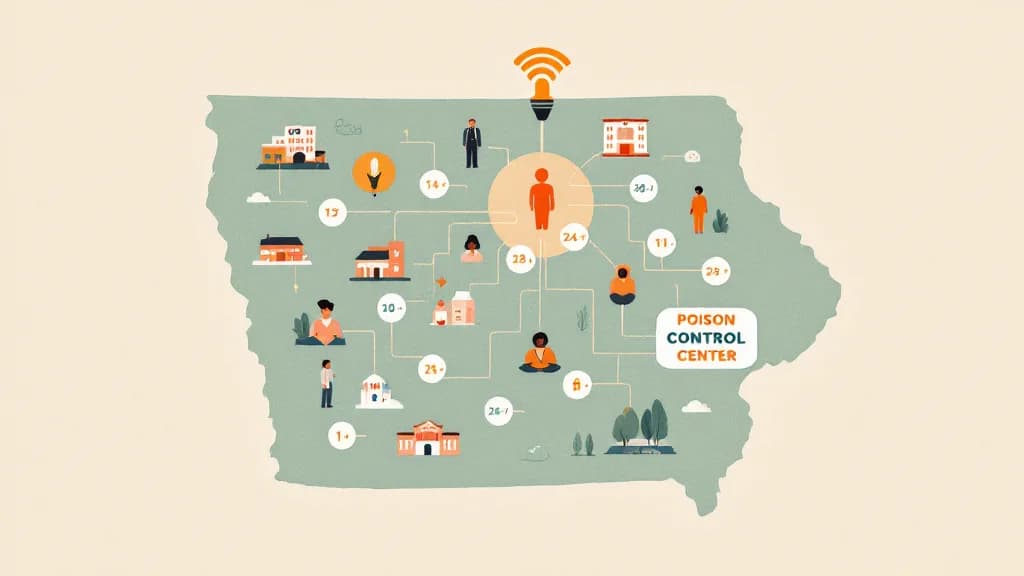
Iowa Attorney General Brenna Bird announces $9 million in opioid settlement grants for community prevention and treatment programs, with funds flowing through state legislature-approved distribution framework.

Rural Oklahoma faces barriers accessing opioid settlement grants due to lack of grant-writing expertise and community partnerships, while metro areas and schools secure most funding.

Kentucky Opioid Abatement Advisory Commission distributes record $34 million to 100+ organizations, bringing total community investment past $100 million since 2021.

Utah joins $773.7 million national settlement with Albertsons Companies, directing funds to opioid abatement programs for treatment, recovery services, and prevention efforts.

State regulations force daily clinic visits and limit take-home doses, making medication-assisted treatment more burdensome than federal standards require.

State Senator Pat McMath proposes using unspent opioid settlement dollars to fund clinical research into psychedelic-assisted therapy for veterans, first responders, and people with opioid dependence.

Albertsons and Safeway parent company agrees to $773 million national settlement, with Oregon receiving up to $38.2 million over nine years to expand addiction and recovery services.

UC San Diego and SDSU study of 2.8 million students finds local flavor bans reduce e-cigarette use by 20% with no increase in cigarette smoking, challenging industry arguments.

Twenty Kentucky counties join forces through the KACo Opioid Solutions Network to share best practices and strategically deploy nearly $1 billion in settlement funds

More than 200 residents protest proposed 122-bed addiction treatment facility funded by California's Proposition 1, highlighting tensions between statewide mental health expansion and neighborhood concerns

Iowa Department of Health and Human Services opens applications for up to $10 million in opioid settlement funds to expand behavioral health services and strengthen recovery systems across the state

New JAMA study shows states expanding Medicaid after 2018 saw sharp rises in buprenorphine prescriptions, but federal funding cuts could reverse gains.

Wisconsin Department of Health Services announces comprehensive $31 million opioid response strategy combining treatment access expansion, harm reduction, and law enforcement education.

North Carolina awards federal block grants to 12 community organizations for rural treatment, crisis response, and justice-involved recovery programs targeting 1.4 million residents with substance use disorders.

Rhode Island becomes first state to reverse kratom ban while Kansas, Connecticut move toward Schedule I classification, creating fragmented regulatory landscape for substance used by millions for pain and opioid withdrawal.

NCDHHS awards federal block grant funding to twelve community organizations targeting rural areas, youth prevention, and criminal justice-involved populations as state battles 1.4 million struggling with substance use.

Longleaf Lodge launches with 50 residential and 10 detox beds, addressing Alabama's crisis where 19% need substance use treatment but only 5% receive it. Integrated care model tackles co-occurring conditions as wait times stretch weeks to months.

Second round of 'transformative grants' prioritizes youth treatment expansion, school prevention programs, and mobile crisis response as state officials emphasize building complete care continuum

Mississippi, Tennessee, Texas, West Virginia, Oklahoma, and Missouri are coordinating clinical trials of ibogaine—a Schedule I psychedelic—for opioid addiction and PTSD despite federal restrictions.

Two competing bills represent fundamentally different approaches to kratom policy—one seeks complete prohibition while the other acknowledges harm reduction uses for addiction recovery and pain management.

Despite receiving $800 million since 2023, more than 40% of Michigan counties have yet to distribute opioid crisis mitigation funds while overdose deaths continue claiming nearly 2,000 lives annually.

Governor Rhoden announces funding for 10 organizations as Attorney General Jackley pushes for direct allocation to Sioux Falls and Rapid City treatment centers.

Proposed legislation SB 365 mandates that Connecticut emergency departments offer buprenorphine to patients with opioid use disorder, despite hospital opposition citing costs.

Georgia county awards settlement dollars to programs ranging from peer support to residential treatment as officials confront third-highest opioid death toll in the state.

State lawmakers advance plan to distribute nearly $60 million in opioid settlement money, sidestepping the independent council created just last year to oversee spending.

WVU leads 18-month statewide assessment to guide how three-quarters of West Virginia's opioid settlement funds will be spent, creating public dashboard to identify gaps and maximize impact.

Kentucky Senate Bill 77 nears final passage, creating framework to research ibogaine for opioid addiction and PTSD despite Schedule I status. Four states already funding trials.

State officials unveil plan to restructure troubled mental health agency, potentially dissolving it and shifting control to Department of Health as providers struggle with service cuts.

Governor Josh Stein announces expansion of Law Enforcement Assisted Diversion programs to seven counties, offering treatment alternatives to incarceration for low-level offenses involving substance use.

New Wisconsin Policy Forum report reveals dramatic expansion in MOUD access across state correctional facilities from 2021 to 2025, coinciding with substantial decline in overdose deaths.

AB 602 requires California public universities to provide addiction treatment rather than punishment when students seek help for overdoses, effective July 2026.

SUPPORT Act allows pharmacists to prescribe addiction medication with 8 hours training. Maryland considers state legislation as federal pathway opens treatment access.

West Virginia First Foundation introduces Regional Contingency Allocation Program allowing six regions to respond to immediate community needs outside traditional grant cycles, managing nearly $1 billion in settlement funds.

Columbia adds twelve public naloxone boxes as Missouri House proposes $8M cut to statewide distribution, threatening 800 agencies and 7,500 documented overdose saves since 2017.

Federal funding establishes Pennsylvania Addiction Action Network to coordinate data-driven allocation of settlement funds across all 67 counties as state confronts 4,719 annual overdose deaths.

ACLU challenges West Virginia's 2007 moratorium on methadone clinics, arguing the state's unique restriction violates disability law while forcing 54,000 residents with opioid use disorder to navigate impossible treatment logistics.

Senate Bill 2185 passed committee and would mandate MAT screening and access in all Illinois prisons, funded by opioid settlements, following a Kane County program that cut overdose deaths by 89%.

Mayor Daniel Lurie announces Proposition 1 funding for 100 new psychiatric and addiction treatment beds across three sites, even as the city faces $900 million deficit and federal funding cuts.

Parents who lost children to overdoses are urging Pennsylvania to use settlement money to create a comprehensive bereavement support system modeled on Philadelphia's Philly HEALs program.

AG Kris Kobach and DCCCA deploy free overdose reversal kits across Kansas universities and community colleges as state battles 2,000+ fentanyl deaths.

New transparency tool shows municipalities spent just 12% of available settlement funds in latest fiscal year, while state officials emphasize accountability in managing $1 billion expected through 2039.

New Oregon laws streamline licensing, strengthen workplace safety, and expand access to mental health and addiction services amid one of the nation's worst provider shortages

Lawmakers push package of reforms including 988 funding, treatment bed registry, and insurance coverage mandates as state struggles to meet crisis response needs.

Eight new mental health and drug treatment facilities will receive Proposition 1 funding, including sobering centers and residential programs across the Bay Area

Sen. John Keenan proposes expanding subway naloxone access after 2024 pilot ended prematurely, leaving empty and broken cabinets across Boston's transit system.

New state transparency dashboard reveals municipalities spent just 12% of available settlement funds in FY2025 while communities await critical addiction services and harm reduction programs.

Minnesota lawmakers approved HF 2906, creating a state-regulated psilocybin therapy pilot program with patient caps and bipartisan backing, joining Oregon and Colorado.

Maine city finally distributes nearly all available settlement money to 16 organizations, three years after receiving first payments, as Penobscot County sees rising overdose deaths.

State lawmakers unanimously approve evidence-based mandates and conflict-of-interest safeguards for $400M+ opioid settlement fund after investigative reporting exposed governance failures.

Harm Reduction Coalition of San Diego failed to pay subcontractors and staff for months while COO allegedly misappropriated over $200,000 in public funds for personal expenses.

Governor Newsom awards funding to 28 regions while launching accountability system recognizing 'CARE Champions' and placing underperforming counties in intensive support program.

Mississippi Senate passes HB 314, allocating $5M from opioid settlement funds to join Texas and Arizona in FDA clinical trials of ibogaine for opioid addiction and PTSD treatment.

Weill Cornell research shows state laws eliminating insurance prior authorization for buprenorphine don't significantly improve 180-day retention rates, highlighting need for broader policy interventions.

MDHHS distributes free naloxone kits at local offices statewide, funded by $1.8 billion opioid settlement. State reports 35% decline in overdose deaths since 2023.

While Mississippi sits on over $400 million in opioid settlement funds, the state has spent almost none of it on treatment or family services — even as it leads the nation in children living with grandparents and foster care tied to parental substance use.

House Bill 487 allocates $43M from opioid settlements to prevention, treatment, and recovery programs, with unanimous bipartisan support as Alabama reports 30% reduction in overdose deaths.

Local governments in Maine allocated $3 million from opioid settlements in 2025 toward treatment, prevention, and law enforcement programs, with $19 million remaining and new reporting requirements now in place.

State legislators advance $5.7 million appropriation to sustain 988 Mental Health Lifeline after federal funding expires in September, citing success in diverting crisis calls from emergency services.

Missouri's Veterans Mental Health Innovation Act would fund FDA ibogaine clinical trials for opioid use disorder and traumatic brain injury, joining Texas and Arizona in breakthrough therapy research.

State programs like Project Nurture combine prenatal care, substance use treatment, and peer support after Oregon data showed mental health and SUD led pregnancy-related deaths.

California's CalRx program cuts naloxone costs by more than half while the state's distribution initiative crosses a staggering milestone in overdose reversals.

Senate Bill 2749 passes committee with unanimous vote, expanding Illinois' addiction treatment framework to include problem gambling and mandating new prevention and recovery services statewide.

New Jersey lawmakers unanimously approve trio of bills to regulate addiction treatment industry, addressing concerns raised in 2024 state investigation into facility operations and peer recovery programs.