
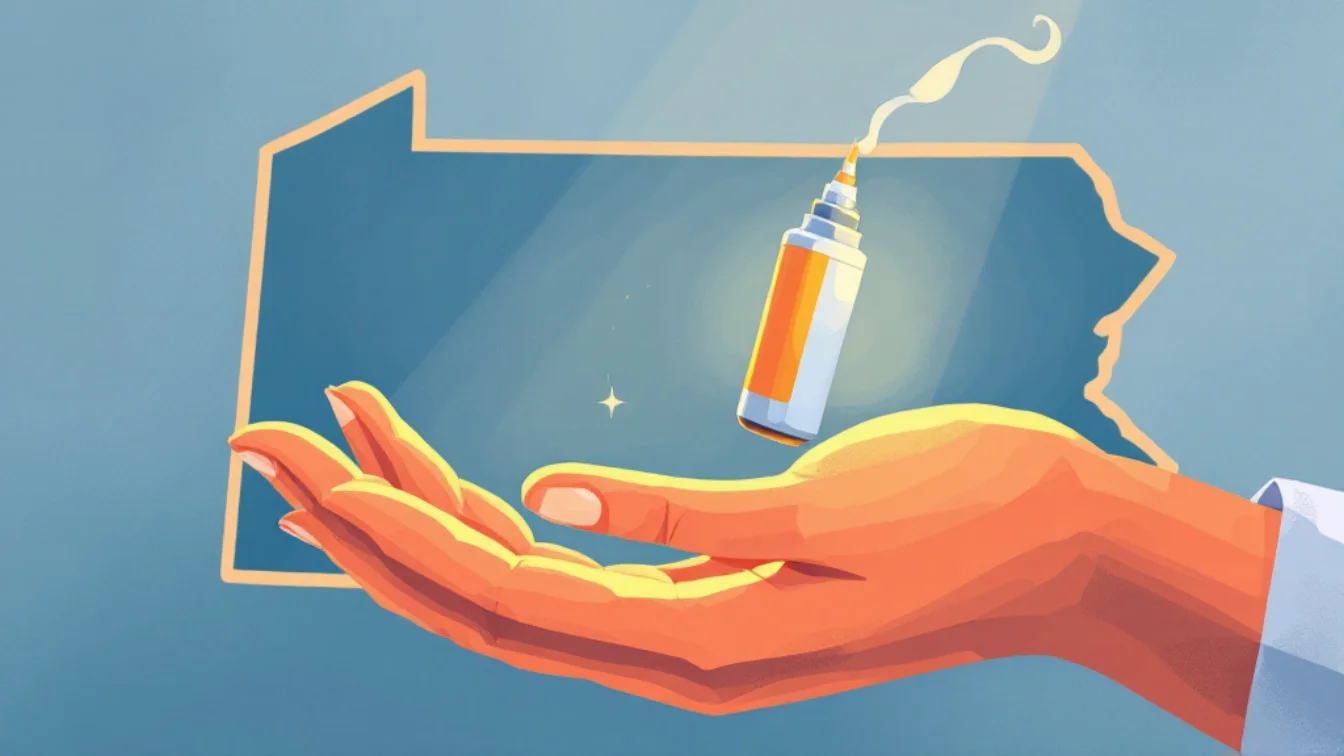
Pennsylvania Launches Free Online Naloxone Training Program to Combat Opioid Overdoses
The Pennsylvania Department of Drug and Alcohol Programs has launched a free, self-paced online training program designed to equip residents with the skills to recognize opioid overdoses and administer naloxone, the life-saving medication that reverses opioid toxicity. More than 100 Pennsylvanians completed the course within the first two weeks of its availability, signaling strong community demand for accessible overdose education.
The training initiative, announced by Governor Josh Shapiro's administration, arrives as Pennsylvania's Overdose Prevention Program reports a nearly 30 percent reduction in overdose deaths over the past three years—a decline attributed in part to widespread naloxone distribution and community-based harm reduction efforts.
Training Program Structure
The online course consists of five modules, each requiring approximately 20 minutes to complete. Participants learn risk reduction strategies for people who use drugs, the history and pharmacology of naloxone, how to distinguish opioid overdoses from other medical emergencies, compassionate response techniques, and where to obtain naloxone throughout Pennsylvania.
"The Shapiro Administration heard the call from advocates, families and those in recovery—and we answered," said DDAP Secretary Dr. Latika Davis-Jones. "Overdoses can happen anytime, anywhere—every Pennsylvanian who knows how to recognize an overdose and use naloxone to reverse it has the potential to save a life."
The curriculum specifically addresses the complexities of the current drug supply, including substances adulterated with xylazine and medetomidine—veterinary sedatives that have proliferated in illicit opioid markets and complicate overdose responses. Participants learn to identify these emerging threats while mastering fundamental overdose recognition and reversal techniques.
Measurable Impact
Since Governor Shapiro took office, Pennsylvania has documented more than 17,600 overdose reversals using naloxone—a figure that underscores the medication's effectiveness when deployed by trained bystanders. The state's Overdose Prevention Program has distributed 2.8 million doses of naloxone and 2.2 million fentanyl and xylazine test strips through its network of partner organizations.
The program recently expanded to include its first faith-based recovery partner, bringing the total network to 100 organizations distributing harm reduction supplies across the Commonwealth. This infrastructure has contributed to the significant mortality reduction even as synthetic opioids continue to dominate the illicit drug supply.
"Through this training, we're equipping people with current information so they can confidently recognize and respond to overdose and other drug-related health emergencies in their communities," said Rose Laurano, Philadelphia Department of Public Health Harm Reduction Manager. "We're committed to sharing the lessons learned here in Philadelphia with communities across the state."
Expanding Access to Treatment
While naloxone training addresses immediate overdose crises, Pennsylvania has simultaneously expanded access to longer-term treatment options. Residents seeking ongoing support for opioid use disorder can find medication-assisted treatment programs that combine FDA-approved medications like buprenorphine and methadone with behavioral therapy.
The training program targets not only the general public but also healthcare professionals, treatment providers, peer support specialists, first responders, and public health workers—creating a comprehensive network of prepared responders across professional and community sectors.
"When you take the time to educate yourself and learn how to respond to an overdose, you are becoming a lifeline for your friends, neighbors and community," said Secretary of Health Dr. Debra Bogen. "This important training gives Pennsylvanians practical information and the confidence needed to step in and save a life when every second counts."
The free training is available through the Pennsylvania Department of Drug and Alcohol Programs website, with no registration fees or prerequisites required. Participants receive certificates upon completion, and the self-paced format accommodates varying schedules and learning preferences.
Editorial Board
Editorial review using SAMHSA, CDC, CMS, and state agency sources
The NWVCIL editorial team reviews and updates treatment-center information using public data from SAMHSA, CDC, CMS, and state behavioral-health agencies. We cross-check facility records, state coverage rules, and clinical-practice updates so the directory reflects current evidence and policy.
Related Articles
Ocean County Launches First Harm Reduction Vending Machine in New Jersey
Ocean County's first 24/7 harm reduction vending machine opens in Toms River, providing free naloxone, sterile syringes, and overdose prevention supplies anonymously.
Springfield Fire Department Installs 14 Free Naloxone Boxes as International Overdose Awareness Month Begins
Springfield, Missouri expands harm reduction infrastructure with 14 distribution boxes at fire stations, providing 24/7 access to overdose reversal kits without questions or paperwork.
Howard County Installs 24/7 Naloxone Vending Machines to Combat Opioid Overdoses
Howard County, Maryland deploys free naloxone vending machines providing 24/7 anonymous access to overdose reversal medication and drug testing supplies.