
Virginia Communities Deploy Naloxone Vending Boxes to Combat Opioid Crisis in High-Need Areas
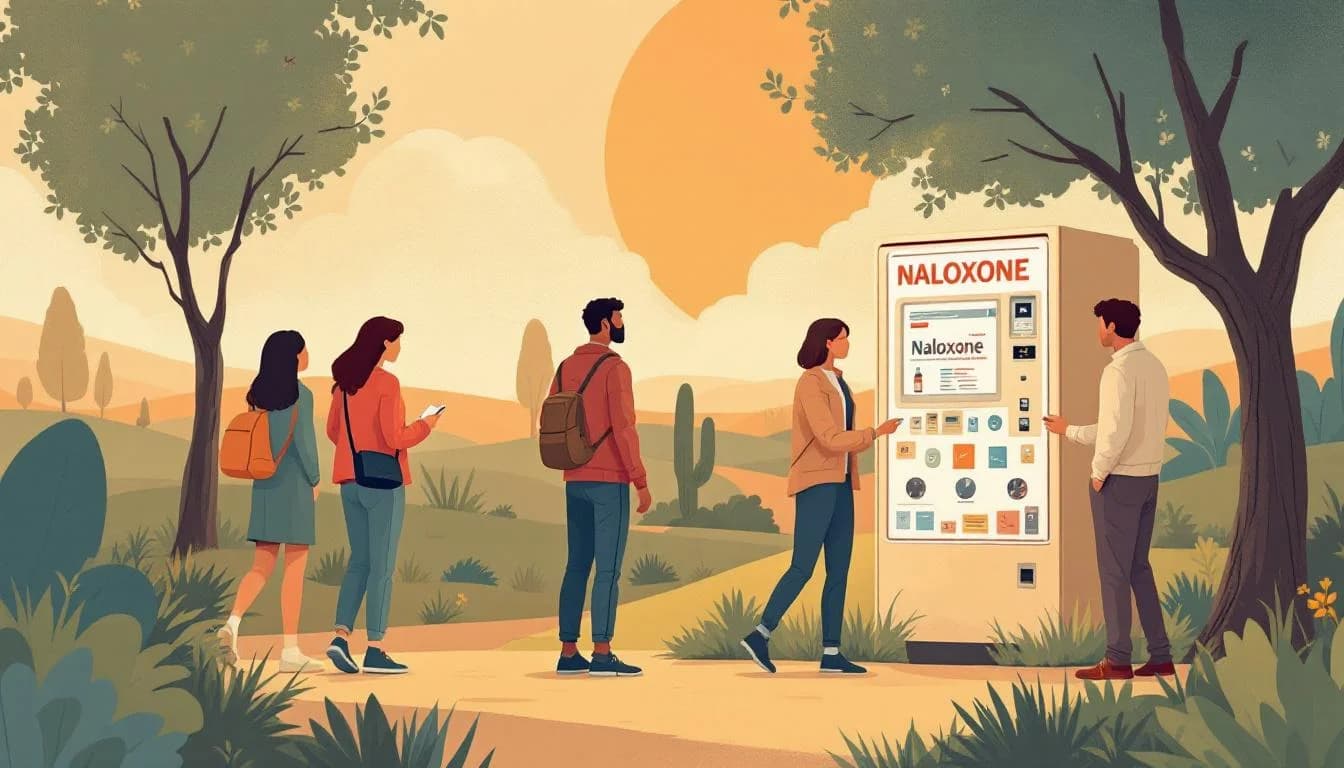
Six new naloxone vending boxes have appeared across Virginia's Western Piedmont region, offering free overdose reversal medication to anyone who needs it. The machines, installed through a partnership between Anthem HealthKeepers Plus and the Virginia Harm Reduction Coalition, represent a growing recognition that traditional healthcare delivery systems often fail to reach those at highest risk of opioid overdose.
The vending boxes are strategically positioned in Roanoke, Martinsville, and Henry County—communities where overdose death rates have climbed to more than double the state average. Unlike pharmacy-based naloxone distribution, which requires interaction with staff and sometimes insurance complications, these machines operate around the clock with no questions asked.
"Overdose rates in our communities are more than double the state average, and these are lives that matter," said Danny Clawson, Executive Director of the Virginia Harm Reduction Coalition. "These naloxone boxes put lifesaving tools directly into the hands of those most likely to respond first."
The Geography of Overdose Risk
Virginia's overdose crisis has not struck uniformly. While the state as a whole has seen some improvement in recent years, pockets of extreme vulnerability persist—particularly in the Western Piedmont region where economic transitions, healthcare access barriers, and transportation challenges have converged to create deadly conditions.
Henry County and Martinsville exemplify this pattern. Once thriving manufacturing centers, these communities have faced decades of economic restructuring that left many residents struggling with unemployment, poverty, and limited access to behavioral health services. The resulting conditions—social isolation, untreated pain, and economic despair—have proven fertile ground for opioid addiction.
The vending box initiative specifically targets these geographic disparities. By placing naloxone in community centers, libraries, and other high-traffic locations, organizers hope to saturate the environment with overdose reversal capacity. The approach acknowledges a harsh reality: in rural and semi-rural areas, emergency medical services response times can stretch to 15 minutes or longer—far beyond the window for effective intervention without immediate naloxone administration.
Harm Reduction as Healthcare Infrastructure
The Virginia Harm Reduction Coalition operates as a peer-run organization, meaning its staff and volunteers include people with lived experience of drug use and recovery. This model has gained traction nationally as research consistently shows that peer-based outreach achieves higher engagement rates than traditional clinical approaches, particularly among populations that have experienced stigma or discrimination in healthcare settings.
Beyond naloxone distribution, the coalition provides HIV and hepatitis C testing, social services support for people experiencing homelessness or domestic violence, and education on overdose prevention. The vending boxes extend this reach by providing 24/7 access to the most critical intervention—naloxone—even when peer staff are not present.
"We're proud to support the Virginia Harm Reduction Coalition in expanding access to naloxone across the Western Piedmont," said Jamie Dixon, Whole Health & Equity Director for Anthem HealthKeepers Plus. "Increasing access to this lifesaving resource is critical to preventing overdose and strengthening the health of our communities."
The Anthem partnership reflects a broader shift among insurers, who increasingly recognize that preventing overdose deaths reduces downstream costs of emergency department visits, hospitalizations, and long-term disability. For a Medicaid managed care organization like Anthem HealthKeepers Plus, investments in harm reduction represent both mission alignment and fiscal prudence.
The Science of Naloxone Saturation
Naloxone works by displacing opioids from brain receptors, rapidly reversing respiratory depression that would otherwise cause death. When administered promptly—ideally within 2-3 minutes of overdose onset—it restores normal breathing with minimal side effects. The medication has no abuse potential and causes no harm if given to someone who is not actually experiencing an opioid overdose.
Research on naloxone distribution programs consistently shows that making the medication widely available to people who use drugs, their family members, and community bystanders reduces overdose mortality. A 2022 study in the American Journal of Public Health found that counties with higher rates of naloxone distribution per capita experienced significantly lower overdose death rates, even after controlling for poverty, rurality, and other risk factors.
The vending machine model, pioneered in cities like Philadelphia and San Francisco, takes this logic further by removing human barriers entirely. No prescription required. No insurance verification. No interaction with pharmacy staff who might harbor stigma. Just a machine dispensing life-saving medication at the moment of need.
Challenges and Limitations
Despite the promise of vending box distribution, naloxone access represents only one component of addressing the opioid crisis. The medication reverses overdose but does not treat addiction itself. For people who survive overdose thanks to naloxone, the path to recovery often remains blocked by treatment waitlists, insurance gaps, and workforce shortages in addiction medicine.
Moreover, the evolving drug supply presents new challenges. Xylazine, a veterinary sedative increasingly mixed with fentanyl, does not respond to naloxone and can cause severe skin wounds and prolonged sedation. Medetomidine, another veterinary tranquilizer appearing in street drugs, similarly resists naloxone reversal. These adulterants mean that even communities saturated with naloxone may see overdose deaths persist if the underlying addiction goes untreated.
Virginia has made progress on expanding medication-assisted treatment for opioid use disorder, with buprenorphine prescribing capacity growing significantly in recent years. But the gap between treatment need and treatment availability remains substantial—particularly in rural areas where the vending boxes are now appearing.
A Model for Rural America
The Western Piedmont naloxone vending initiative arrives as rural communities nationwide struggle to adapt harm reduction strategies developed in urban settings. Traditional syringe service programs, for instance, face logistical challenges in sparsely populated areas where participants may drive 30 minutes or more to reach a fixed site. Mobile outreach can help but requires sustained funding and staff capacity that many rural health departments lack.
Vending machines offer a different approach—capital investment upfront, then minimal ongoing operational costs. Once installed, the machines require only periodic restocking and maintenance. For cash-strapped rural health departments, this cost structure may prove more sustainable than staffing intensive outreach programs.
The Virginia initiative also demonstrates the potential for partnerships between commercial insurers and community-based organizations. As Medicaid managed care plans take on increasing responsibility for population health outcomes, collaborations with harm reduction organizations offer a pathway to reach high-risk populations that traditional healthcare systems have struggled to engage.
Looking Forward
The six vending boxes now operating in Virginia represent a modest beginning—enough to test the model, gather data on utilization patterns, and refine implementation. If successful, the approach could scale to other high-need communities across the state and region.
What remains unclear is whether naloxone saturation can bend the curve of overdose mortality in the absence of broader investments in addiction treatment, economic development, and social services. The vending boxes buy time—precious minutes between overdose onset and emergency response. But the underlying conditions that drive addiction—pain, despair, isolation, economic precarity—require longer-term interventions that no medication can provide.
For now, the machines stand as silent sentinels in Virginia's Western Piedmont—available at all hours, judgment-free, ready to deliver a second chance to anyone who reaches for them. In communities where overdose has become a leading cause of death, that availability matters. Every naloxone administration represents a life that might otherwise have ended, a family that might otherwise have been shattered, a community that might otherwise have lost one more of its own.
Whether those saved lives translate into lasting recovery depends on what happens after the naloxone wears off—and whether Virginia can build the treatment infrastructure necessary to help people move from survival to healing.
Sources
Editorial Board
Editorial review using SAMHSA, CDC, CMS, and state agency sources
The NWVCIL editorial team reviews and updates treatment-center information using public data from SAMHSA, CDC, CMS, and state behavioral-health agencies. We cross-check facility records, state coverage rules, and clinical-practice updates so the directory reflects current evidence and policy.
Related Articles

Medina County, Ohio, Cuts Overdose Deaths by Nearly 80% Through Community Coalition
Medina County reduced fatal overdoses from 42 in 2017 to 8 in 2025, an almost 80% drop, as Ohio's statewide rate fell from 70 to 27 per 100,000.

Santa Cruz County Overdose Deaths Fall for Third Consecutive Year
Santa Cruz County reports 20 overdose deaths in first half of 2026, down from 36 in 2025, marking third straight year of decline after peak of 130+ deaths in 2023.
Wyoming County DA Directs Opioid Settlement Funds to Local Ambulance Companies
Wyoming County District Attorney Joe Peters allocates opioid settlement money to support struggling ambulance services, using a novel formula to reimburse costs associated with opioid-related emergency calls.