
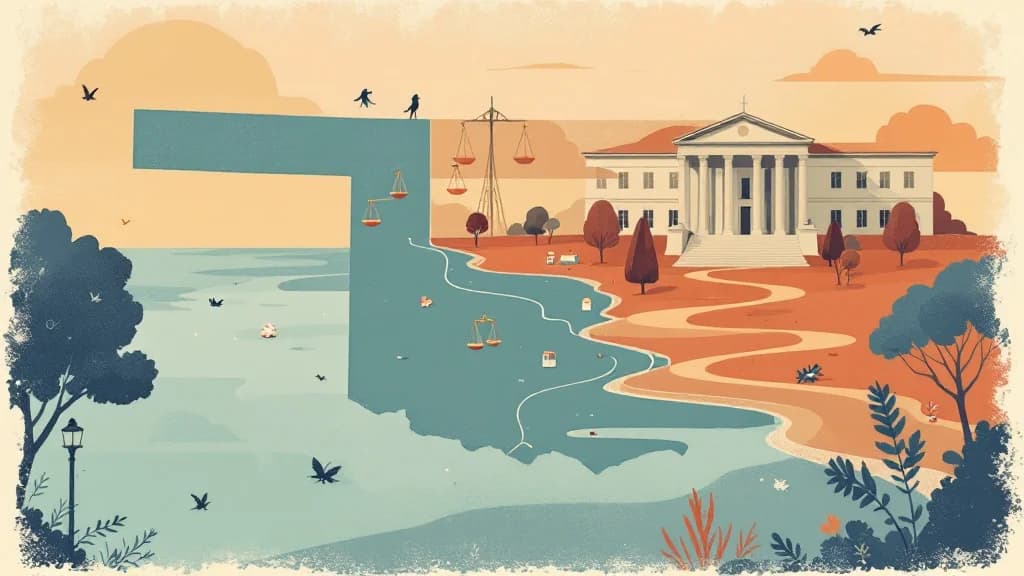
Oklahoma Secures $12 Million from Eight Opioid Manufacturers in Multi-State Settlement
Oklahoma Attorney General Gentner Drummond announced Friday that the state will receive approximately $12 million from eight generic opioid manufacturers as part of a multi-state settlement addressing the companies' role in fueling the national addiction crisis.
The settlement agreements with Alvogen, Amneal, Apotex, Hikma, Indivior, Mylan, Sun Pharma, and Zydus mark the latest phase in Oklahoma's ongoing efforts to hold pharmaceutical companies accountable while directing resources toward treatment and prevention programs across the state.
Settlement Details and Distribution
Funds from the eight manufacturers will be channeled through Oklahoma's established opioid abatement infrastructure, reaching communities via competitive grant allocations. The Oklahoma Opioid Abatement Board, created by the Legislature in 2020, oversees distribution of settlement proceeds to cities, counties, and public trusts.
Just this week, the Board approved Drummond's recommendation to award more than $12 million in new grants—matching the amount now coming from the manufacturer settlements. The timing ensures a sustained flow of resources to communities hit hardest by the opioid epidemic.
"I am committed to fighting Oklahoma's opioid crisis at every level," Drummond said in announcing the agreements. "Funds from these settlements will provide critical tools and resources to combat the opioid epidemic and save lives."
Building on Prior Recovery Investments
Since taking office in 2023, Drummond has distributed nearly $30 million in opioid abatement grants to communities statewide. The fourth round of allocations announced this month continues that momentum, targeting programs that demonstrate measurable impact.
Eligible initiatives include treatment and recovery services, support for co-occurring mental health disorders, opioid abuse education and prevention, proper prescription practices, and supply-reduction strategies. The framework prioritizes evidence-based approaches that address both immediate overdose risks and long-term recovery needs.
The Manufacturers Involved
The eight companies named in the settlement represent a cross-section of generic pharmaceutical manufacturing. Unlike brand-name manufacturers that have faced multi-billion dollar judgments, generic producers largely escaped early waves of opioid litigation. Recent settlements have closed that gap, extending accountability to companies that produced oxycodone, hydrocodone, and other generic opioid formulations.
Similar settlements with these same manufacturers have recently been finalized in other states. Maryland secured over $13 million from seven of the companies in July, while Nebraska finalized a $3 million agreement with eight manufacturers earlier this month. The nationwide coordination ensures consistent accountability while allowing states to direct funds according to local priorities.
Context of Oklahoma's Opioid Crisis
Oklahoma has been among the states most severely affected by the opioid epidemic. The state saw overdose deaths surge from 127 in 2020 to 730 in 2023, driven primarily by fentanyl contamination of the illicit drug supply. While recent data suggests mortality may be stabilizing, the human and economic toll continues to strain families, healthcare systems, and law enforcement.
The state's approach to settlement funds reflects lessons learned from earlier litigation. Oklahoma's 2019 trial victory against Johnson & Johnson—later overturned on appeal—highlighted both the potential and limitations of courtroom accountability. The current abatement framework emphasizes sustainable, community-driven programming over one-time compensation.
Grant Priorities and Community Impact
Approved grants support a continuum of care ranging from prevention education in schools to residential treatment for severe opioid use disorder. Programs addressing co-occurring mental health conditions receive particular emphasis, reflecting research that shows over half of those with substance use disorders also experience mental illness.
Rural communities have emerged as priority recipients, addressing geographic disparities that leave many Oklahomans hours away from medication-assisted treatment providers. Mobile outreach units, telehealth infrastructure, and peer recovery support programs figure prominently in recent awards.
Looking Forward
With approximately $12 million in new manufacturer payments joining this month's grant allocations, Oklahoma communities can expect expanded access to addiction services through 2026 and beyond. The Opioid Abatement Board maintains public dashboards tracking fund distribution, part of a transparency commitment designed to maintain public confidence in settlement stewardship.
Drummond's office indicated that additional manufacturer negotiations remain ongoing, suggesting further settlements may augment available resources. For a state that has lost thousands to opioid overdoses in recent years, each dollar represents not just financial recovery, but potential lives saved through prevention, treatment, and sustained recovery support.
Editorial Board
Editorial review using SAMHSA, CDC, CMS, and state agency sources
The NWVCIL editorial team reviews and updates treatment-center information using public data from SAMHSA, CDC, CMS, and state behavioral-health agencies. We cross-check facility records, state coverage rules, and clinical-practice updates so the directory reflects current evidence and policy.
Related Articles
Louisiana Gave Sheriffs 20% of Opioid Settlement Cash. An Investigation Followed the Money.
KFF Health News investigation reveals Louisiana sheriffs spent $8.1M in opioid settlement funds, with 66% deemed inappropriate and $4.7M on items other states ban.
New Jersey Opioid Settlement Funds Spent on Concerts and Bounce Houses
Spending reports released Thursday show New Jersey towns used opioid settlement money on concerts, bounce houses and a muscle car, prompting an oversight bill.

Grand Traverse County Opens $2.3 Million in Opioid Settlement Grants
Five years after the national settlement, Grand Traverse County opens applications Sept. 14 for more than $2.3 million in opioid settlement funding.