
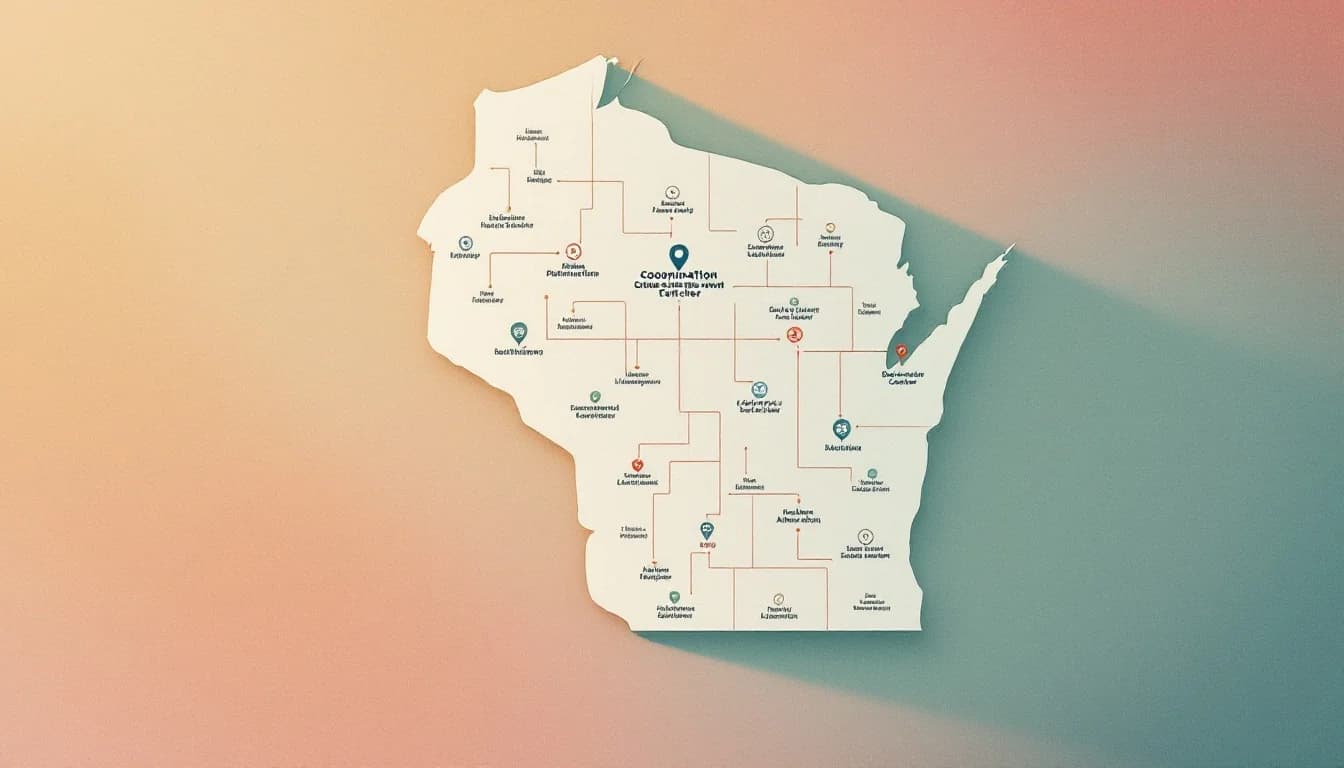
Wisconsin Governments Have Received $160 Million in Opioid Settlement Funds, But Much Remains Unspent
Local governments across Wisconsin have received more than $160 million in settlement payments from drug manufacturers, distributors, and pharmacies that helped fuel the opioid epidemic, yet a significant portion of those funds remains unspent as communities grapple with how to deploy resources effectively.
The Wisconsin Watch investigation, published July 10, 2026, reveals that while some municipalities have moved quickly to invest in addiction treatment and prevention programs, others have been slower to act. Just eight local governments had spent more than half of their opioid settlement funds by the end of 2025, while 16 hadn't spent any of their allocations.
Uneven Spending Patterns Across the State
The disparity in spending highlights the challenges facing local officials as they navigate complex guidelines for using settlement dollars. Wisconsin is set to receive nearly $800 million total from national opioid settlements through 2038, with the money split between state agencies and 87 local governments.
Milwaukee County, which has experienced some of the state's highest overdose death rates, has been among the more active jurisdictions in deploying funds. County Executive David Crowley recently proposed using approximately $7.5 million in settlement funds for fiscal years 2027 through 2029, targeting eight initiatives aimed at reducing opioid and substance use disorders.
The county's approach emphasizes prevention, harm reduction, treatment expansion, and recovery support services. Milwaukee County has already directed settlement dollars toward naloxone distribution programs, medication-assisted treatment expansion, and crisis response teams—efforts that have contributed to a more than 40 percent decline in overdose deaths since 2022.
Overdose Deaths Decline as Funds Flow In
The spending analysis comes as Wisconsin reports significant progress in reducing overdose mortality. After hitting a record high of 1,830 deaths in 2022, the state saw fatalities fall to 1,185 in 2024—a decline of more than 35 percent that outpaces the national average.
Milwaukee County has seen even steeper improvements, with overdose deaths dropping from 674 in 2022 to 387 in 2025, representing a 42.5 percent reduction. County health officials attribute the decline to expanded harm reduction infrastructure, increased naloxone availability, and improved treatment access.
"This is a public health ecosystem working as intended," said Michelle Haese, director of substance use initiatives at the Wisconsin Department of Health Services. "We're finally seeing the cumulative effect of years of investment showing up in lives saved."
How Communities Are Using the Money
Communities that have spent their settlement funds have directed money toward a range of evidence-based interventions. Naloxone distribution has emerged as a major priority, with the state distributing an estimated 319,044 doses through its Naloxone Direct program in 2024—up from just 18,600 doses in 2020.
Treatment providers have also benefited from settlement investments. Serenity Inns, a residential treatment center in Milwaukee, received $200,000 in county settlement funds in 2024. The organization provides comprehensive care including group therapy, individual counseling, and medication-assisted treatment with buprenorphine.
"Even individuals that do not have insurance, we don't deny them treatment," said Kenneth Ginlack, CEO of Serenity Inns. "It's real important for us to continue to get donations and work with private donors."
The United Community Center in Milwaukee is using $2.9 million in settlement funding to open a new 16-bed residential treatment center for men, addressing what human services director Mara Lovo described as a "very big" waitlist for treatment services.
Barriers to Spending
Despite the urgent need for addiction services, several factors have slowed the deployment of settlement funds in some jurisdictions. Local officials cite uncertainty about allowable uses, lack of administrative capacity to manage grants, and challenges in identifying qualified service providers.
The settlement agreements impose strict guidelines on how funds can be spent, requiring that dollars go toward opioid remediation rather than general budget needs. Permissible uses include expanding access to medication-assisted treatment, funding prevention and education programs, supporting recovery housing, and enhancing harm reduction services.
Some smaller communities with limited public health infrastructure have struggled to develop comprehensive spending plans. Unlike larger counties that employ dedicated grant administrators, smaller municipalities often rely on part-time staff who lack experience managing multi-year funding streams.
Looking Ahead
As Wisconsin enters the next phase of settlement fund distribution, attention is focusing on whether slower-spending communities can accelerate their deployment of resources. State health officials have emphasized the importance of strategic planning to ensure funds create sustainable improvements rather than temporary fixes.
Milwaukee County's recent proposal for $7.5 million in additional settlement spending includes investments in peer support specialists, mobile treatment units, and expanded access to buprenorphine and other medications for opioid use disorder. The plan also targets upstream factors like housing instability and unemployment that contribute to addiction risk.
For individuals in recovery like Shawn Kress, who completed treatment at Serenity Inns and now works as a certified peer support specialist, the settlement funds represent a chance to expand the kind of comprehensive care that helped him achieve sobriety.
"The reason that I think the overdoses are starting to decline is because of the boots on the ground," Kress said. "We have resources now that are actually getting into the streets."
With overdose deaths declining but still claiming more than 1,100 Wisconsin lives annually, the pressure remains on local governments to move settlement dollars from bank accounts to frontline services where they can save lives and support recovery.
Editorial Board
Editorial review using SAMHSA, CDC, CMS, and state agency sources
The NWVCIL editorial team reviews and updates treatment-center information using public data from SAMHSA, CDC, CMS, and state behavioral-health agencies. We cross-check facility records, state coverage rules, and clinical-practice updates so the directory reflects current evidence and policy.
Related Articles

Grand Traverse County Opens $2.3 Million in Opioid Settlement Grants
Five years after the national settlement, Grand Traverse County opens applications Sept. 14 for more than $2.3 million in opioid settlement funding.

Iowa AG Awards First Opioid Settlement Grants After Delay Criticism
Iowa AG Brenna Bird awarded $1.6 million to five organizations in the first wave of opioid settlement grants after months of criticism over delays.

Suffolk County Overhauls Opioid Grant Process After Ethics Concerns and Delays
Suffolk County adopts new transparency measures for opioid settlement funds after critical audit found selection issues and ethics violations, holding first public hearing with nonprofits.