
Colorado Ends Twelve-Step Requirement for Parolees
Colorado's Department of Corrections will stop requiring parolees to attend Alcoholics Anonymous or Narcotics Anonymous, referring them to peer support networks instead.
October 15, 20264 min read

37 articles found
Colorado's Department of Corrections will stop requiring parolees to attend Alcoholics Anonymous or Narcotics Anonymous, referring them to peer support networks instead.
Montgomery County commissioners approved $98,661 in 2027 opioid settlement mini-grants for 13 local organizations, from peer recovery coaches to a veterans treatment court.

Future Directions, a peer-run recovery space in Lakewood, Ohio, will stop operating in 2027 after the Cuyahoga County ADAMHS Board ended its $428,000 grant.
The Morehead nonprofit will receive $350,000 a year for three years and restart the jail-to-community reentry program that ran out of money.

Weirton will vote Tuesday on $75,000 in opioid settlement funds for a children's grief and peer-support program, out of $1.08 million the city has disbursed so far.

Fargo's Veterans Treatment Court held its grand opening Oct. 9 at the Cass County Courthouse, joining Grand Forks and a new veterans court in Oneida County, New York.

Hamilton County, Tennessee recorded 89 overdose deaths through September with fentanyl in six of ten, as recovery advocates took naloxone outreach to Chattanooga.

Volunteers of America opened a 19-bed recovery house on Indianapolis's north side where mothers in treatment can live with their children for up to a year.

Michigan's Recovery Housing Investment Program awarded $3.4 million to 18 agencies to buy or lease 24 recovery residences, adding 205 beds across 14 counties.

Madison County, Illinois officials report 48 drug overdose deaths in 2026, 26 involving opioids, as a county roundtable weighs treatment, drug court and recovery costs.

Van Ingram will leave Kentucky's Office of Drug Control Policy at the end of 2026, and recovery advocate Tara Hyde, in recovery since 2011, will succeed him.

Carmel will pay $150,000 to settle a lawsuit over its rejection of a crisis stabilization center, as Putnam County expands its mobile crisis team to 24/7.

Virginia's state-funded problem gambling network reported a 36% jump in demand in early 2026, with peer specialists fielding calls as casinos and sportsbooks grow.
In interviews with 20 people recovering from opioid use disorder, Johns Hopkins researchers found 70% reached a rock bottom but only 10% said it drove them to stop.
What a month without alcohol does to sleep, mood and health, who should not quit cold turkey, and what it means if 31 days feels harder than expected.

Colorado Medicaid officials are weighing cuts to peer recovery coaching after spending on self-help and peer services rose 286% from 2022 to 2024.

Iowa is first state to qualify for federal funding of a foster care diversion program providing in-home substance abuse treatment for parents of young children.

The Cherokee Nation is investing $6.5 million in opioid settlement money to expand its Coming Home reentry program, including $4 million for transitional housing for formerly incarcerated tribal citizens.

Manatee County, Florida reports dramatic 56% decline in opioid overdose deaths through coordinated naloxone distribution, expanded treatment access, and peer recovery support programs.

Governor Kay Ivey awards $70,694 grant to implement substance abuse treatment combining medication-assisted treatment with counseling for inmates at Jefferson County Jail.

Grand County, Utah demonstrates how rural communities can use opioid settlement funds to create integrated recovery systems combining clinical treatment, peer support, and community-based programs.

Foundation for Opioid Response Efforts awards grant to Kachemak Bay Recovery Connection as part of $3.7 million nationwide investment in community-based addiction treatment infrastructure.

Union County approves opioid settlement funding for employment assistance program, addressing a critical barrier to long-term recovery for individuals overcoming addiction.

Rock Island County uses opioid settlement funds to help RICCA reopen first women's recovery home in nearly 20 years, addressing major service gap for women seeking addiction treatment in western Illinois.

Research reveals animal-assisted therapy reduces cravings, lowers cortisol, and improves treatment retention. As recovery programs increasingly incorporate four-legged companions, science backs what many in sobriety have long known.
Kentucky launches statewide recovery housing certification program to address housing instability as primary barrier to sustained addiction recovery, setting standards for sober living facilities.

Maine Attorney General Aaron Frey announces $1 million investment from state's $230 million opioid settlement fund to strengthen Mainspring's integrated recovery support model in Kittery.

Mayor Mamdani directs opioid settlement funds to create 500 peer specialist positions, expanding community-based addiction treatment and outreach across all five boroughs.

Holyoke, Massachusetts announces inaugural distribution of opioid settlement funds, awarding nearly $1 million to five organizations for recovery coaching, harm reduction, job training, and emergency support.

Eden Village uses $140,000 in opioid settlement grants to provide permanent supportive housing and peer counseling for chronically homeless individuals recovering from addiction.

New Mexico becomes testing ground for SAMHSA-vetted digital recovery platform with dedicated teen version, offering 24/7 peer support and crisis intervention through smartphones.
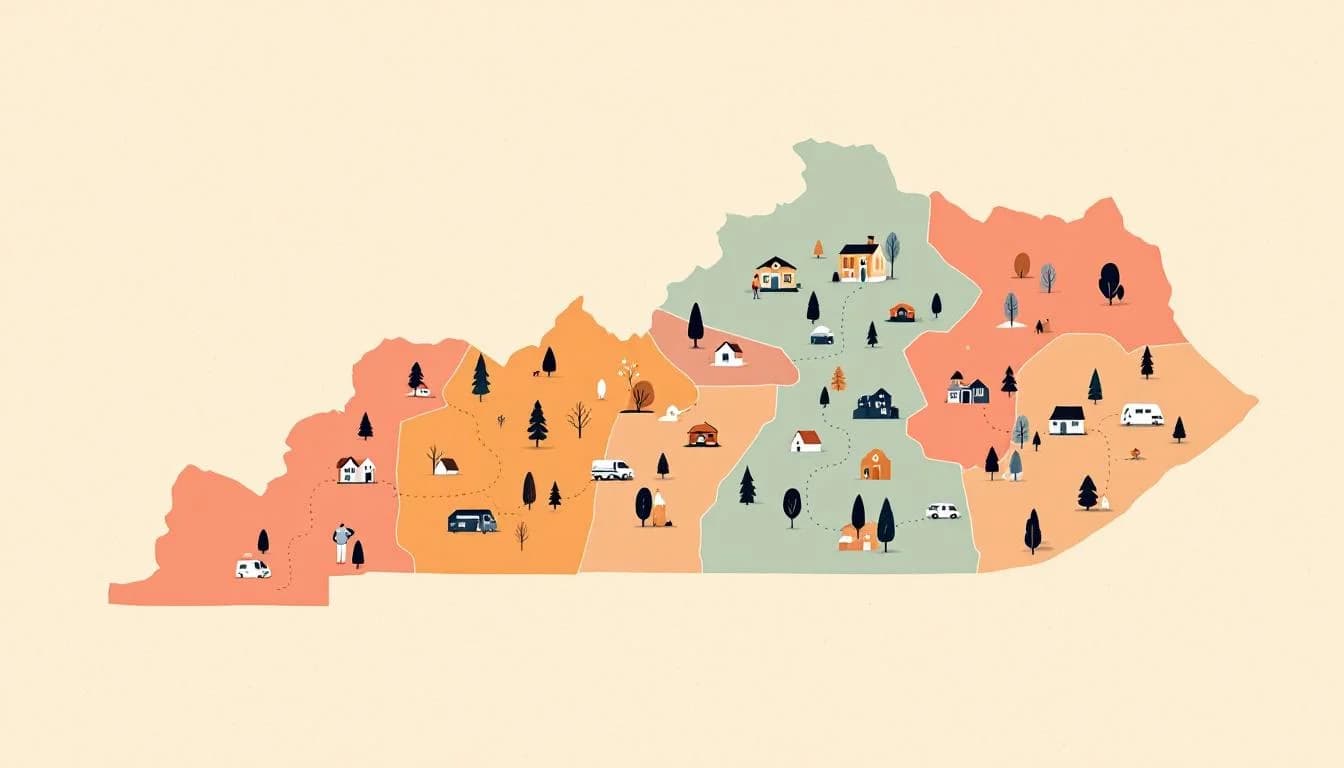
Twenty Kentucky counties join forces through the KACo Opioid Solutions Network to share best practices and strategically deploy nearly $1 billion in settlement funds
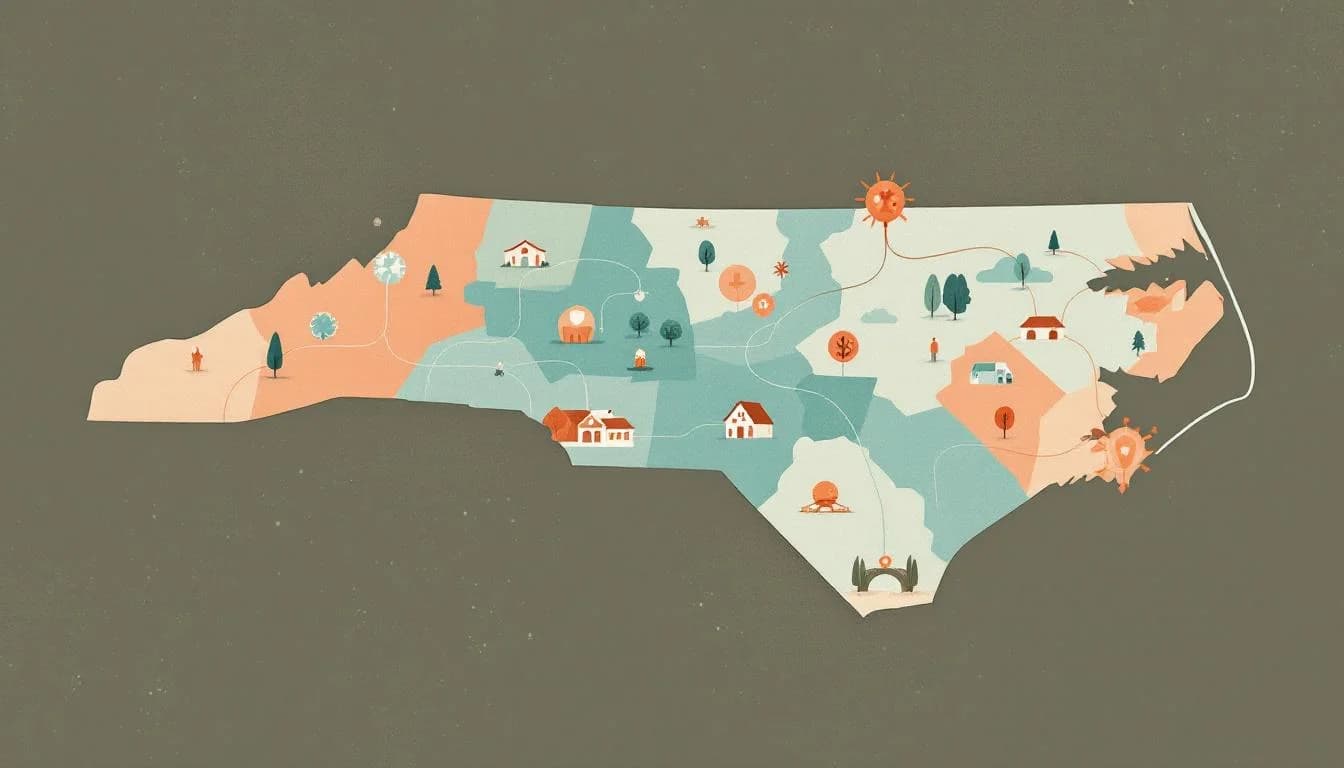
North Carolina awards federal block grants to 12 community organizations for rural treatment, crisis response, and justice-involved recovery programs targeting 1.4 million residents with substance use disorders.

Federal agency proposes expanding community health workers and peer support specialists in rural areas where 60% of Americans lack access to mental health and addiction treatment services.

Parents who lost children to overdoses are urging Pennsylvania to use settlement money to create a comprehensive bereavement support system modeled on Philadelphia's Philly HEALs program.

State programs like Project Nurture combine prenatal care, substance use treatment, and peer support after Oregon data showed mental health and SUD led pregnancy-related deaths.

New Jersey lawmakers unanimously approve trio of bills to regulate addiction treatment industry, addressing concerns raised in 2024 state investigation into facility operations and peer recovery programs.