Medicaid Study Finds Racial Gaps in Buprenorphine After Overdose Care
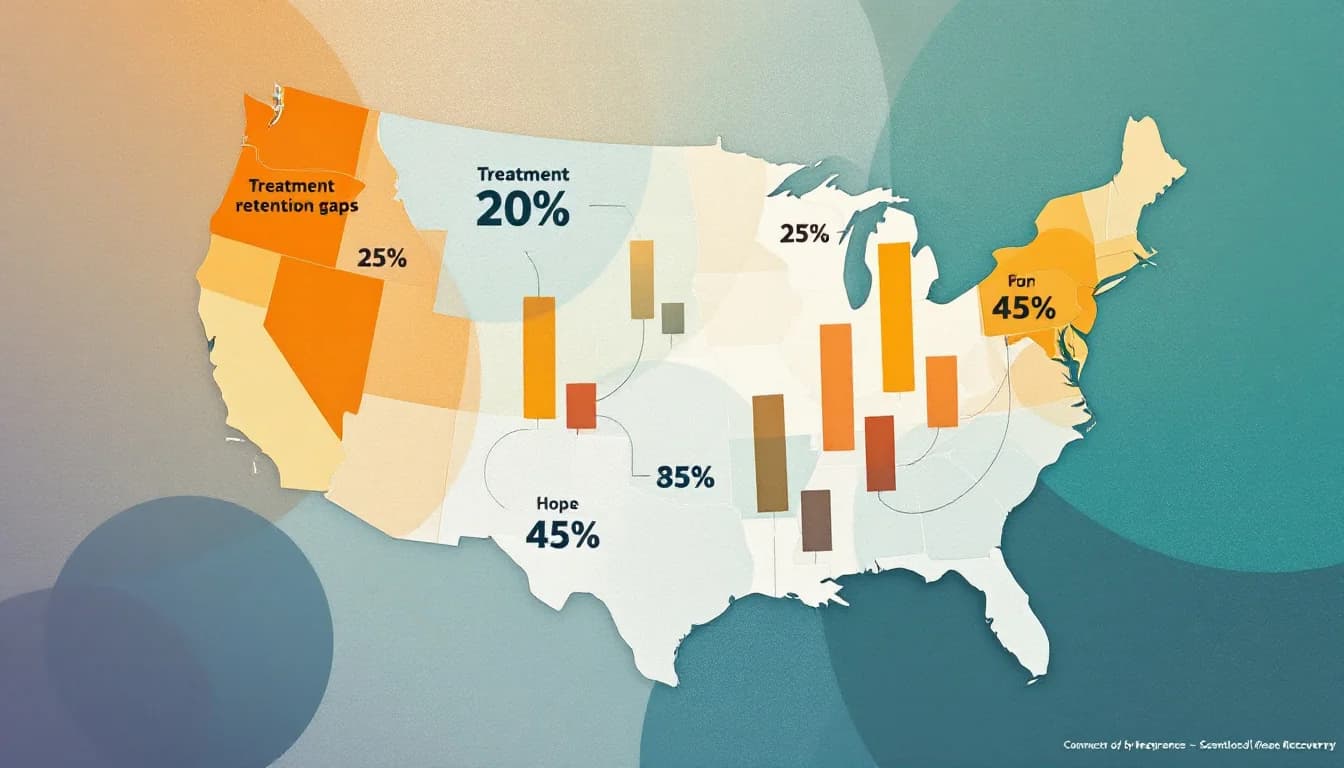
Across 234,944 Medicaid opioid-related encounters, 14% filled buprenorphine within 30 days, and Black and Hispanic patients were least likely to start or stay on it.
88 articles found
Across 234,944 Medicaid opioid-related encounters, 14% filled buprenorphine within 30 days, and Black and Hispanic patients were least likely to start or stay on it.

The 2026 Indiana Youth Survey of 53,879 students found vaping, alcohol and binge drinking at their lowest levels since current methods began in 2015.
A JAMA Internal Medicine study of two Philadelphia hospitals finds severe withdrawal needing an ICU sedative rose from under 6% to about 32% as medetomidine spread.

UC San Diego receives a five-year, $12.6 million NIDA award to launch the Polysubstance Addiction Research Center studying cocaine, opioids and alcohol.

A DEA administrative law judge stayed the marijuana rescheduling case after opponents moved to add a GAO report on gaps in federal drug scheduling to the record.
A UC San Diego study in the journal Addiction finds 11.4% of adults 65 and older who used cannabis in the past year met criteria for cannabis use disorder.

A nationwide analysis of 1,218 opioid treatment programs finds that higher patient retention correlates with lower hospitalizations, ER visits, and mortality.

JAMA Network Open study suggests methadone may reduce death risk 22% more than buprenorphine for opioid overdose survivors, though experts question clinical significance.

Nature Communications publishes breakthrough wireless microneedle device that delivers electrical stimulation for pain relief, offering non-opioid alternative for chronic pain management.
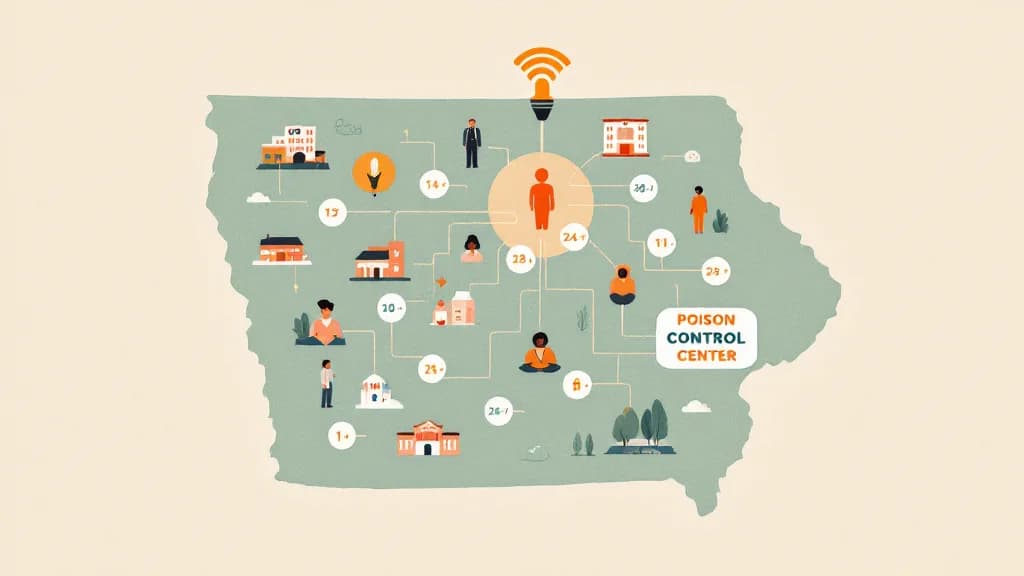
Iowa's new I-BEACON program provides round-the-clock clinical guidance to physicians treating opioid addiction, funded by the state's opioid settlement.

Vanderbilt Health opens enrollment for the TAB study, a randomized trial testing whether the GLP-1 medication tirzepatide can help stabilize patients on buprenorphine and prevent relapse.

A real-world study of Oregon's regulated psilocybin program demonstrates encouraging outcomes for depression and anxiety, offering valuable data as FDA considers approval for psychedelic therapy.

University of Tennessee audit uncovers serious problems in Dr. Craig Towers' influential study promoting detox for pregnant women with opioid addiction, raising ethical concerns about patient consent.

SAMHSA's April 2026 guidance restricts federal grant funds for syringe services programs, removing support for fentanyl test strips and overdose hotlines while preserving naloxone funding.

Suzetrigine (Journavx) becomes the first novel non-opioid pain medication approved by FDA in over 20 years, offering surgery patients effective pain relief with significantly lower opioid use.

Vanderbilt University researchers begin testing whether GLP-1 medications used for diabetes and obesity can help prevent relapse in patients with opioid use disorder.

New NIDA research shows cannabis use disorder increased from 15.3 million to 19.4 million adults between 2021-2024, linked to higher THC concentrations and expanding legalization.

The iNal patch uses microneedle technology to detect dangerous fentanyl levels and automatically release naloxone, potentially saving lives when no bystander is present.

Fewer than 39,000 Americans under 26 filled buprenorphine prescriptions in 2023, a decline from 2017, even as youth overdose deaths surged 25%.

FDA clears IND application for ANS-858, a first-in-class ALDH2 inhibitor targeting pathological craving in alcohol and substance use disorders, clearing path to Phase 1 trials.

Johns Hopkins University launches the nation's first clinic specifically treating rare but serious long-term side effects from psychedelic use, including hallucinogen persisting perception disorder.

A UGA survey of 1,600 people in 13 Southern states finds mental health workers hold more stigmatizing views of opioid addiction than the general public.

Four years after Colorado required county jails to provide MOUD and post their policies, nearly 40% have no publicly available policy, CU Anschutz researchers found.

An economic analysis finds Mindfulness-Oriented Recovery Enhancement saves $12 for every dollar spent on opioid misuse — more than $324,000 per patient over a lifetime.

First buprenorphine prescriptions for opioid use disorder abandoned before dispensing rose from 19% in 2020 to 37% in 2024, CDC researchers report.

Phase 2 RECLAIM trial shows pemvidutide significantly reduces heavy drinking days in alcohol use disorder patients, offering hope for 28 million Americans.

JAMA Network Open study of 36,752 patients finds buprenorphine-naloxone reduces nonfatal opioid overdose risk compared to extended-release naltrexone following medical detox.

DEA announces emergency Schedule I scheduling for investigational opioid compounds SR17018, SR-14968, R-6890, and 5,6-dichloro-brorphine, raising concerns about impact on pain medication research.

Study in Drug and Alcohol Dependence finds standard methadone and buprenorphine doses often inadequate for heavy fentanyl dependence, raising treatment retention concerns.

JAMA study finds most 8th-graders and one-third of high schoolers underestimate fentanyl's lethal risk, highlighting dangerous knowledge gaps as drug overdoses rank third in youth deaths.

DEA files intent to temporarily place 7-hydroxymitragynine and three synthetic derivatives into Schedule I, targeting enhanced kratom products HHS says fuel addiction and pose public health risks.

Landmark BMJ study of 600,000+ veterans finds GLP-1 medications like Ozempic and Wegovy associated with 14-25% lower risk of developing substance use disorders, including alcohol, opioids, and stimulants.

USF researchers collaborate with Pasco County's Opioid Abatement Task Force to conduct comprehensive behavioral health system analysis and develop data-informed roadmap for strategic settlement fund allocation.

FDA requires updated labeling for buprenorphine and methadone products, emphasizing that medication-assisted treatment should not be withheld from patients using benzodiazepines or other CNS depressants.

New research demonstrates that VR-based cue exposure therapy can effectively reduce cravings in people with substance use disorders, offering a scalable digital health intervention.

New research reveals the staggering tolerance levels of people who use illicit fentanyl, explaining why medication-assisted treatment protocols designed for heroin era often fail.

Scripps Research Institute develops experimental vaccine that blocks fentanyl and multiple dangerous variants by training immune system to recognize broad molecular signatures shared across the drug class.

New educational platform aims to equip healthcare professionals with practical skills to treat substance use disorders amid nationwide provider shortage.

Washington University study of 600,000 veterans finds GLP-1 medications like Ozempic and Wegovy associated with reduced risks of substance use disorders and fewer overdoses across alcohol, opioids, nicotine, and other drugs.

Landmark UC San Diego research finds U.S. overdose deaths fell 24.4% in 2024, marking the first decline across all four waves of the addiction crisis, though stimulant-only deaths and racial disparities persist.

Real-world data shows patients with fentanyl use disorder treated with monthly injectable buprenorphine stayed in treatment longer than those on daily sublingual formulations

A new review reveals that the vast majority of adolescents with opioid use disorder are denied access to life-saving medications like buprenorphine, despite FDA approval and clinical guidelines supporting their use.

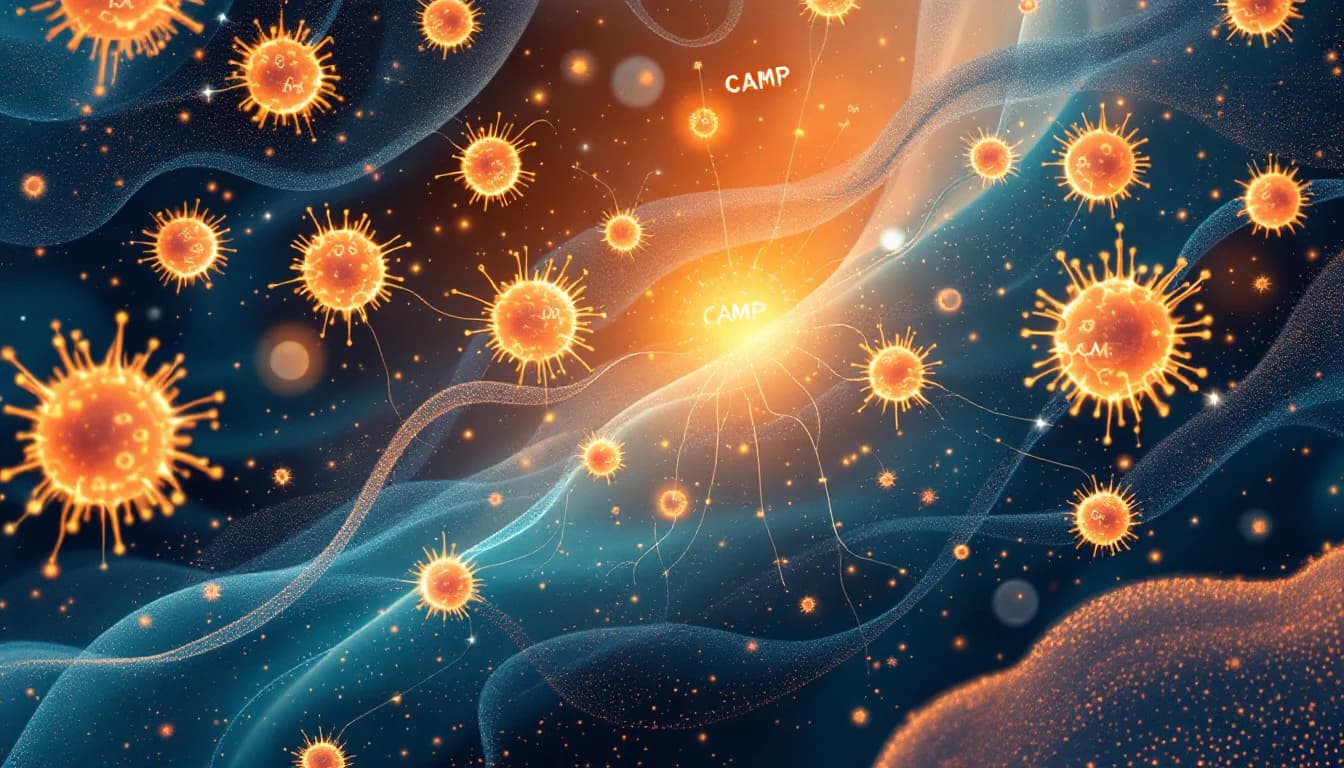
New NIH study reveals how cAMP signaling in brain neurons drives GLP-1 weight-loss effects, identifying a pathway to potentially extend treatment duration and break through patient plateaus.

Machine learning models analyzing electronic health records can identify patients at high risk of fatal overdose up to 12 months before the event, offering a new tool for preventive intervention.

Research reveals animal-assisted therapy reduces cravings, lowers cortisol, and improves treatment retention. As recovery programs increasingly incorporate four-legged companions, science backs what many in sobriety have long known.

A landmark NIH-funded clinical trial finds that treating babies with neonatal opioid withdrawal syndrome based on their symptoms rather than fixed schedules reduces hospital stays and medication exposure.

Real-world evidence demonstrates extended-release buprenorphine significantly reduces opioid relapse, bloodstream infections, and healthcare utilization compared to daily oral formulations.

BGSU researchers analyzing syringes from Ohio needle exchange programs discovered dangerous Candida fungus in 86% of samples, plus a soil bacterium that could lead to new treatments

Clinical trial shows semaglutide plus cognitive behavioral therapy significantly reduces alcohol consumption, offering new hope for treating alcohol use disorder with existing medications.

University of California Davis scientists create new amino acid-based compounds that activate serotonin receptors for mental health benefits without causing hallucinations, potentially revolutionizing addiction and depression therapy.

New NIH-funded research reveals that oral small-molecule GLP-1 drugs like orforglipron suppress hedonic feeding by modulating the central amygdala, opening potential pathways for treating substance use disorders.

New JAMA Network Open research from Yale brings together 42 national experts to develop consensus guidelines for initiating addiction medications in hospitals as fentanyl transforms treatment protocols

Researchers analyze 569,000 TikTok comments to demonstrate social media data can forecast synthetic opioid mortality with 37% greater accuracy than traditional surveillance methods.

New data presented at ASAM 2026 shows extended-release buprenorphine (Sublocade) associated with lowest overdose rates among medication options and supports remission as meaningful treatment endpoint.

State Senator Pat McMath proposes using unspent opioid settlement dollars to fund clinical research into psychedelic-assisted therapy for veterans, first responders, and people with opioid dependence.

UC San Diego and SDSU study of 2.8 million students finds local flavor bans reduce e-cigarette use by 20% with no increase in cigarette smoking, challenging industry arguments.

New research reveals 20% of US pharmacies block access to buprenorphine, with independent pharmacies and southern states showing significantly higher refusal rates for this life-saving opioid addiction medication.

Wake Forest research reveals e-cigarette taxes reduced vaping among heterosexual teens by 3-4 percentage points, yet had no effect on LGBQ youth who use nicotine to cope with bullying and emotional distress.


JAMA research letter reveals 24.3% decline in long-term opioid therapy from 2015-2023, even as co-prescribing with gabapentinoids rises sharply, raising new safety concerns for chronic pain patients.

New ASAM Criteria volume establishes dedicated clinical standards for youth SUD treatment, emphasizing brain development, family engagement, and integrated mental health care

BMJ study of 2.5 million Medicaid births finds children exposed to buprenorphine in utero have no greater risk of ADHD, autism, or other neurodevelopmental disorders compared to methadone exposure.

Flow Neuroscience's transcranial direct current stimulation device becomes first prescription brain stimulation therapy available for home use, offering new option for treatment-resistant depression

New research in Journal of Psychiatric Research reveals individuals with opioid use disorder face 1.88 to 4.17 times greater odds of suicidal thoughts, with moderate cases showing highest attempt rates.

New Anesthesiology research reveals that conventional naloxone doses may not fully reverse respiratory depression from potent synthetic opioids like fentanyl and sufentanil, urging updated emergency protocols

Food and Drug Administration issues complete response letter rejecting Lykos Therapeutics' MDMA-assisted therapy for PTSD, demanding additional clinical trials despite promising efficacy data.

New BMJ research finds semaglutide and similar medications associated with 14% reduced risk of developing substance use disorders and 50% fewer deaths among veterans already in treatment.

Northwestern University researchers debunk 2025 drug overdose surge reported by CDC, finding the apparent spike was a modeling error caused by rapid epidemic shifts, not data manipulation or political interference.

Intravenous DMT reduced depressive symptoms within a week in Phase IIa trial, with effects lasting up to three months, according to study published in Nature Medicine.

World Health Organization updates treatment guidelines adding monthly buprenorphine injections to methadone oral medication recommendations addressing epidemic killing three-quarters million people yearly

New research from Ohio University finds primary care physicians view opioid use disorder as more treatable than diabetes, yet only 8% have ever prescribed buprenorphine, creating treatment deserts in rural America.

World Health Organization adds conditional endorsement for long-acting injectable buprenorphine to global opioid dependence treatment guidelines April 2026, alongside continued strong recommendations for methadone and oral formulations.

University of Pennsylvania researchers develop first brain-targeted gene therapy that mimics morphine's pain relief without triggering reward pathways, offering potential breakthrough for 50 million Americans living with chronic pain.

American Society of Addiction Medicine releases first comprehensive update to youth substance use disorder treatment standards in over a decade, addressing telehealth, trauma-informed care, and medication access.

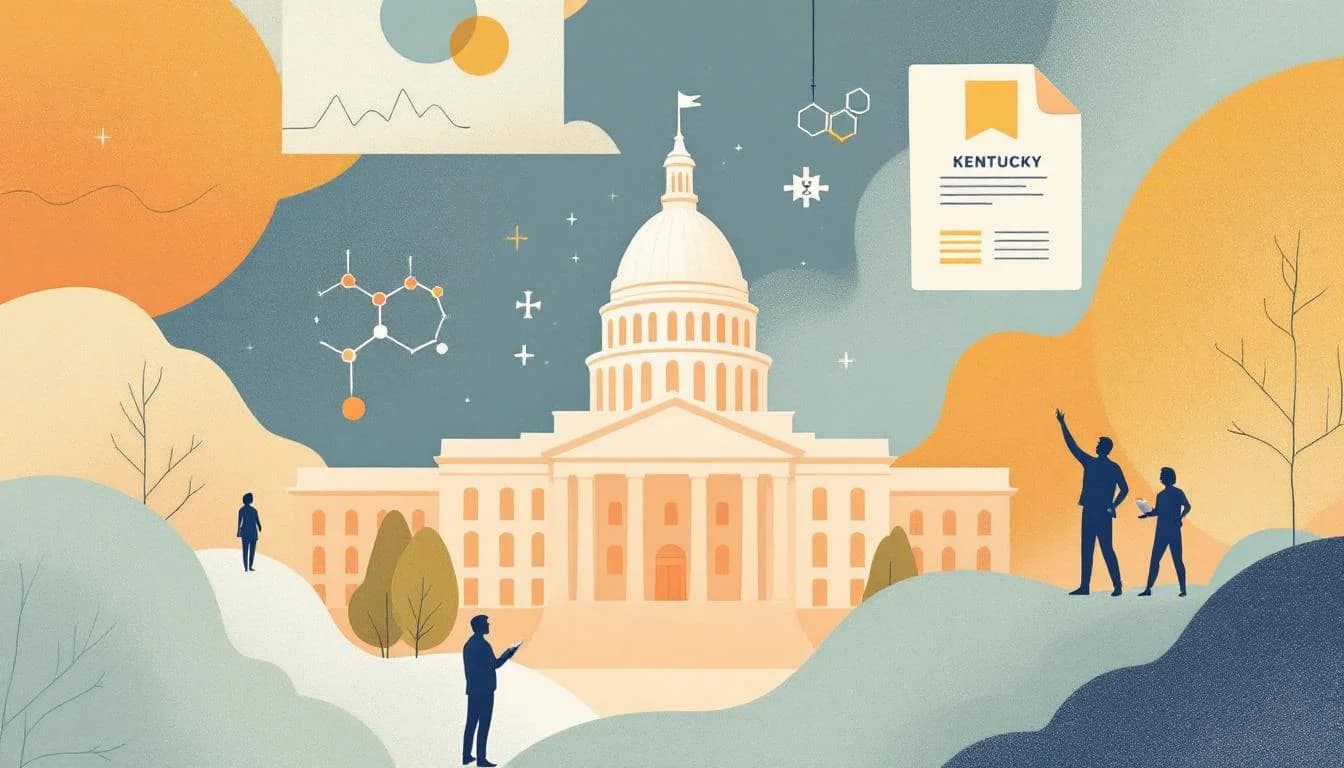
Kentucky Senate Bill 77 nears final passage, creating framework to research ibogaine for opioid addiction and PTSD despite Schedule I status. Four states already funding trials.

Swedish registry analysis of 100,000 individuals finds GLP-1 medications reduce depression by 44%, anxiety by 38%, and substance use disorders by 47%.

Workit Health's evidence-based virtual care model delivers 62% rural retention at three months—more than double competing programs—with peer-reviewed studies in JAMA Network Open showing perfect buprenorphine adherence among participants.

Brandeis University economic analysis shows two pharmacy-based methadone models generate positive returns of $2.64 and $3.53 per dollar spent over three years while addressing treatment deserts in 80% of U.S. counties.

New research shows patients adherent to extended-release buprenorphine injections had $15,017 lower annual costs and fewer emergency visits than those using other opioid use disorder medications.


VA study of 600,000 patients finds GLP-1 medications like Ozempic reduce substance use disorder risk by 15-20%, suggesting a common biological pathway underlying all addictions.

JAMA Network Open study analyzing Medicare records shows specialists using telemedicine heavily saw only 0.9% more rural patients while treating 3.6% fewer new patients overall.

Federal agency opens funding applications for children's mental health services, suicide prevention frameworks, and assisted outpatient treatment programs as part of broader recovery initiative.

Washington University analysis of 600,000+ VA patients finds GLP-1s tied to 50% reduction in drug-related deaths and lower risk across alcohol, opioid, cocaine, and nicotine use disorders.

Washington University research shows uMAT-R app reduced opioid and drug use by 50% in people experiencing housing insecurity, addressing critical gap in treatment access.

New research identifies myelin remodeling as the missing link between short-term psychedelic experiences and long-term PTSD relief, shifting focus from neurons to oligodendrocytes.

As cocaine and methamphetamine become contaminated with fentanyl, researchers argue that contingency management and culturally adapted harm reduction are essential—yet remain vastly underutilized across the United States.

Imperial College London study published in Nature finds that a single 30-minute DMT session with therapeutic support reduced depressive symptoms more effectively than placebo, marking another step forward for psychedelic-assisted mental health treatment.

New research from Harvard Medical School shows that just 10 yoga sessions can reduce the most severe phase of opioid withdrawal from nine days to five, offering a promising tool for addiction recovery.

Washington University study finds that uMAT-R digital platform reduced substance use by 50% among participants with housing instability, challenging assumptions about technology access in vulnerable populations.