
Study: 1 in 32 Young Medicaid Patients Stay on Addiction Medication
Only 3.1 percent of adolescents and young adults diagnosed with opioid use disorder were still receiving medication six months later, according to a study published Friday in JAMA Network Open that followed nearly 230,000 Medicaid enrollees through eight years of national claims data — the most detailed accounting yet of how young patients fall out of addiction care, one stage at a time.
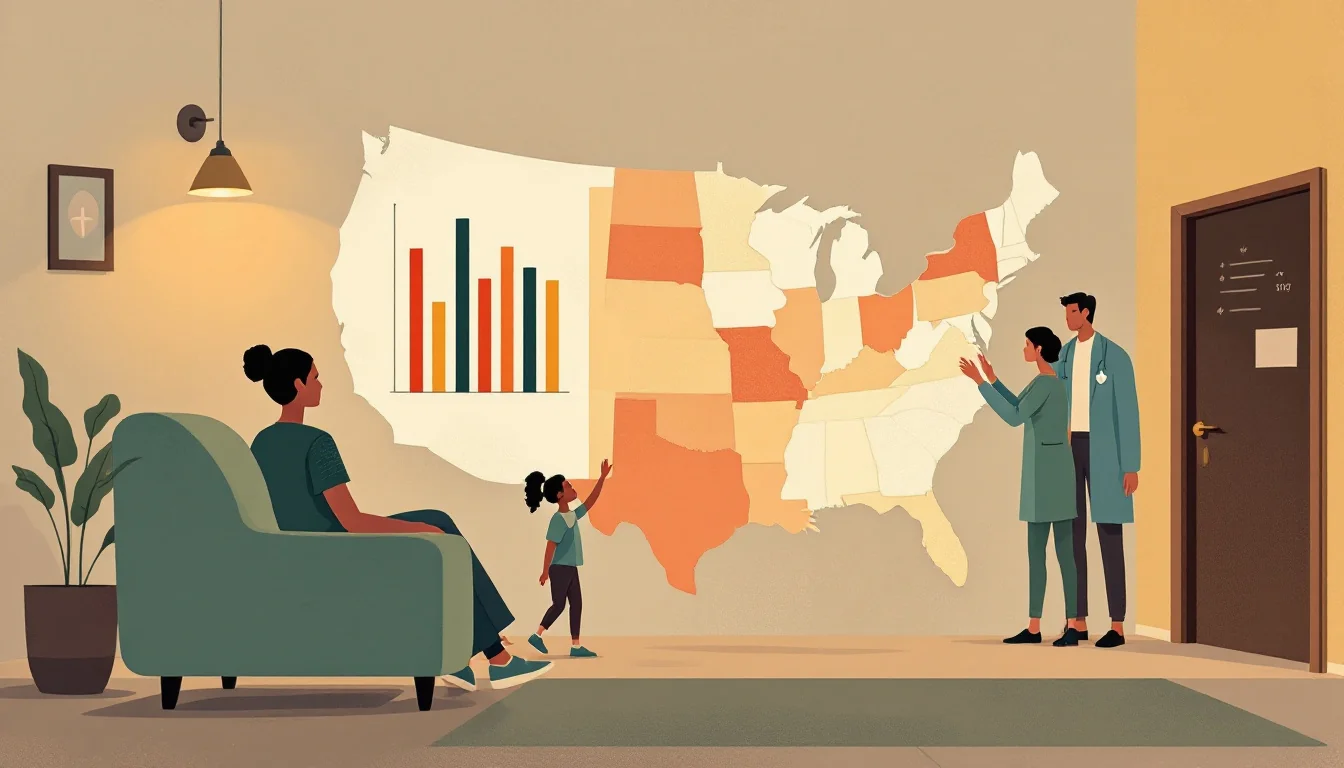
Researchers from Mass General Brigham examined insurance claims and Medicaid enrollment records for 229,847 people ages 13 to 25 who were diagnosed with opioid use disorder between 2016 and 2023. Within 14 days of diagnosis, 50.7 percent initiated treatment by seeing a clinician. About a third, 32.9 percent, engaged in care by attending at least two additional sessions in the following 34 days. Among those who engaged, 46.3 percent received medication — most often buprenorphine, methadone or extended-release naltrexone. Just 3.1 percent, roughly one in 32, were still on a medication after 180 days, a threshold the field treats as a quality measure because longer treatment is associated with better outcomes.
The gap between starting and staying
The finding that half of diagnosed young people never began treatment at all is troubling. The finding that most of those who did start stopped within six months may be worse.
New national data show that more young people with a diagnosis did begin receiving medications such as buprenorphine and methadone after the American Academy of Pediatrics urged doctors in 2016 to offer them, but the increase was small — and the share who stayed on medication for six months, already low, may have declined over the study period, STAT reported.
"There have been some real positive changes, and then there have been some really catastrophic changes," Scott Hadland, chief of adolescent and young adult medicine at Mass General Brigham for Children and the study's lead author, told STAT.
Why six months is unusually hard for young patients
Federal law requires minors to have two documented failed attempts at recovery without medication before they can begin methadone, and many of the specialized clinics that dispense it will not accept patients under 18. Buprenorphine is easier for physicians to prescribe, but recent research has found that few adolescent residential programs actually offer it.
The result is a cliff at the eighteenth birthday. "Once you turn 18, a whole bigger field of people are open to helping you," Sivabalaji Kaliamurthy, a child and adolescent psychiatrist who treats addiction, told STAT. "And it's just a number if you think about it."
Families add another pressure. Existing research and clinical experience indicate that the longer a patient stays on medication, the better they do, yet there is little data specific to young people — which means physicians cannot give parents a firm answer about how long their child might need treatment or what the long-term effects will be. Young patients themselves often resist an open-ended commitment, Kaliamurthy said.
Disparities run through every stage
Younger adolescents and racially minoritized youth progressed less reliably through each stage of the care cascade, the researchers found, with Black young people showing worse attrition than their white peers. Because the sample was drawn from Medicaid, it captures a population with insurance coverage — meaning the barriers documented here are not primarily about being uninsured.
One in 100 adolescents and young adults in the United States has opioid use disorder, and overdoses and poisonings have become a leading cause of death in the age group since fentanyl spread through the drug supply. For people 19 and under, poisonings including overdose rose to the third-leading cause of death.
"It doesn't matter how good the treatment we have actually is if we haven't created a clinical environment that is appealing, safe, compassionate, and nonjudgmental," Sarah Bagley, an internist and pediatrician at Boston Medical Center who treats adolescents, told STAT. "That engagement piece is everything, because without it, nothing."
What researchers say would move the numbers
Hadland's prescription is structural: use the findings to shape Medicaid plan design, service delivery and policies aimed at quality and equity in opioid use disorder care for young people. Clinicians interviewed by STAT pointed to the supply side — primary care physicians and pediatricians who already have long relationships with families need to feel equipped to prescribe buprenorphine, rather than referring adolescents out to a specialty system that has few openings.
The study arrives six weeks after separate research found that fewer than 39,000 Americans under 26 filled a buprenorphine prescription in 2023 — a decline from 2017 even as youth overdose deaths rose, a gap the blog covered in August. Taken together, the two datasets describe a treatment system that identifies young people with opioid use disorder, offers them less than adults receive, and loses most of them within months.
Wider use of telehealth services and office-based treatment has expanded access for adults; whether the same shift reaches adolescents depends on rules that still restrict methadone for minors and on a pediatric workforce that Hadland said is not keeping up with the need.
Editorial Board
Editorial review using SAMHSA, CDC, CMS, and state agency sources
The NWVCIL editorial team reviews and updates treatment-center information using public data from SAMHSA, CDC, CMS, and state behavioral-health agencies. We cross-check facility records, state coverage rules, and clinical-practice updates so the directory reflects current evidence and policy.
Related Articles
RTI Study Validates Retention as a Quality Measure for Opioid Treatment Programs
A nationwide analysis of 1,218 opioid treatment programs finds that higher patient retention correlates with lower hospitalizations, ER visits, and mortality.
Addiction Training Tied to Lower Physician Stigma in National Survey
A survey of 855 U.S. primary care and emergency physicians finds more addiction training is linked to less stigma toward patients with substance use disorders.
Hospital Algorithm Screened 9,140 Records to Start 23 on Buprenorphine
A Bronx trial's automated opioid-use screen flagged 9,140 records but produced just 23 buprenorphine starts, a 5 percent initiation rate.