
Wireless Microneedle Electroceutical Offers Non-Opioid Alternative for Chronic Pain Management
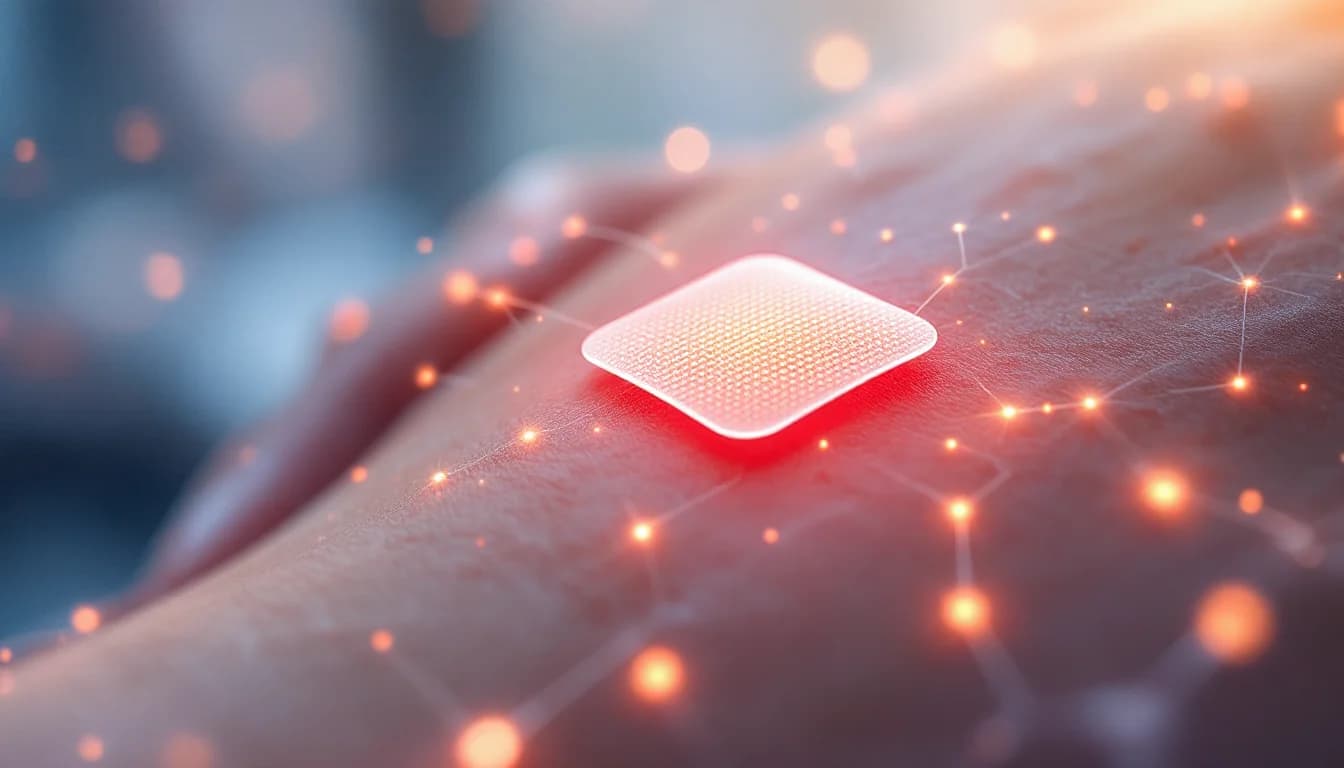
Researchers at the Korea Advanced Institute of Science and Technology have developed a wireless microneedle electroceutical device that could fundamentally change how chronic pain is managed without relying on opioid medications. Published August 28 in Nature Communications, the study introduces a thermoresponsive, electrically conductive adhesive microneedle system—called TEAM—that delivers targeted electrical stimulation through the skin with precision previously unavailable in non-invasive devices.
The significance of this development extends beyond engineering innovation. With approximately 24.3% of American adults experiencing chronic pain and opioid addiction claiming over 109,000 lives globally each year, the device addresses two intersecting crises simultaneously: inadequate pain management and the devastating public health consequences of opioid dependence.
How the Technology Works
Traditional transcutaneous electrical nerve stimulation devices have long provided non-pharmacological pain relief, but their effectiveness has been limited by unstable skin-electrode impedance. Sweat, pressure changes, and frequency variations reduce both efficacy and reproducibility of treatment, often leaving patients with inadequate relief and pushing them toward pharmaceutical solutions.
The TEAM device overcomes these limitations through an integrated approach. Microneedle arrays penetrate the stratum corneum—the outermost skin layer—creating stable, low-impedance pathways for electrical current. These arrays are coated with conductive hydrogel that maintains consistent electrical contact while the thermoresponsive adhesive ensures the device remains securely positioned during therapy sessions.
What distinguishes this electroceutical from previous iterations is its wireless, IoT-enabled architecture. The compact platform connects to telemedicine systems, allowing clinicians to monitor therapy remotely, adjust parameters in real-time, and establish treatment schedules without requiring patients to visit medical facilities repeatedly. This connectivity feature addresses a critical barrier to pain management access, particularly for patients in rural areas where pain specialists are scarce and distances to clinics can be prohibitive.
Clinical Implications for Addiction Prevention
The public health relevance of this technology becomes apparent when considering the pathway from legitimate medical use to addiction. Research consistently shows that a significant percentage of individuals who develop opioid use disorder initially received prescriptions for chronic pain conditions. Approximately 15–26% of patients prescribed opioids experience abuse or addiction-related problems, with 4% progressing to heroin use.
By providing effective analgesia without pharmacological action, electroceuticals like TEAM interrupt this trajectory. The device achieves pain reduction comparable to pharmacological analgesics in preclinical models while eliminating the risks of tolerance, dependence, and respiratory depression that make opioids dangerous for long-term use.
Dr. Jae-Woong Jeong, senior author of the study and professor at KAIST, emphasizes that the goal is not merely replacing one pain treatment with another, but fundamentally reimagining how chronic conditions are managed. "Electroceuticals offer on-demand pain relief through physiological modulation rather than chemical intervention," Jeong notes. "This represents a shift toward sustainable, long-term management without the cumulative risks of medication-based approaches."
IoT Integration and Remote Care
The device's Internet of Things capabilities extend beyond simple connectivity. In demonstration studies, the system proved capable of automatically triggering neuromodulation based on physiological markers of pain-induced stress detected through integrated sensors. This closed-loop approach—where therapy is delivered in response to real-time physiological signals rather than on a predetermined schedule—represents a significant advancement in personalized pain management.
For healthcare systems grappling with the dual challenges of pain undertreatment and opioid overprescription, remote monitoring capabilities offer additional value. Clinicians can track patient response patterns, identify when adjustments are needed, and potentially intervene before pain escalation drives patients toward emergency departments or inappropriate medication use.
The economic dimensions are substantial as well. The Institute of Medicine has estimated the annual economic burden of chronic pain in the United States at $560–635 billion when accounting for direct medical costs and lost productivity. Technologies that reduce reliance on expensive pharmaceuticals while improving functional outcomes could yield significant savings, particularly for Medicare and Medicaid programs that bear substantial portions of chronic pain treatment costs.
Pathway to Clinical Translation
While the current study establishes proof-of-concept and validates the technology in preclinical models, the researchers emphasize that clinical translation will require additional development. The device must undergo rigorous safety and efficacy testing in human trials before regulatory approval can be sought. However, the modular design and scalable manufacturing approach described in the paper suggest that commercial production could be achievable within a reasonable timeframe if development proceeds successfully.
The research arrives at a moment when regulatory and clinical communities are actively seeking alternatives to opioids. The FDA has prioritized the development of non-addictive pain treatments, while clinical guidelines increasingly emphasize multimodal approaches that minimize pharmacological interventions. Electroceuticals fit naturally within this evolving paradigm, offering a non-invasive option that can be integrated with physical therapy, behavioral interventions, and other evidence-based treatments.
For patients currently navigating the difficult terrain of chronic pain management—often forced to choose between debilitating discomfort and the risks of long-term opioid use—technologies like TEAM represent a potential third path. Whether these devices can fulfill their promise will depend on continued research investment, regulatory pathways that facilitate innovation while ensuring safety, and healthcare systems capable of integrating new technologies into comprehensive pain care.
The Nature Communications publication marks an important milestone in electroceutical development, but the broader story is one of expanding options in a field that has long been dominated by pharmaceutical solutions. As the opioid crisis continues to claim lives and diminish communities, diversifying the therapeutic toolkit for pain management becomes not merely a medical priority, but a moral imperative.
Sources
Editorial Board
Editorial review using SAMHSA, CDC, CMS, and state agency sources
The NWVCIL editorial team reviews and updates treatment-center information using public data from SAMHSA, CDC, CMS, and state behavioral-health agencies. We cross-check facility records, state coverage rules, and clinical-practice updates so the directory reflects current evidence and policy.
Related Articles

Telehealth Platform Achieves 99% Medication Adherence in Opioid Treatment, Research Shows
Workit Health's evidence-based virtual care model delivers 62% rural retention at three months—more than double competing programs—with peer-reviewed studies in JAMA Network Open showing perfect buprenorphine adherence among participants.
Hospital Algorithm Screened 9,140 Records to Start 23 on Buprenorphine
A Bronx trial's automated opioid-use screen flagged 9,140 records but produced just 23 buprenorphine starts, a 5 percent initiation rate.
Penn Study Links Medetomidine in Fentanyl to Surge in ICU Withdrawal
A JAMA Internal Medicine study of two Philadelphia hospitals finds severe withdrawal needing an ICU sedative rose from under 6% to about 32% as medetomidine spread.