
FDA Clears Drug Relief, a Neurostimulation Device to Ease Opioid Withdrawal Symptoms
The Food and Drug Administration has cleared Drug Relief, an auricular neurostimulation device developed by DyAnsys Inc., as a non-narcotic option to help alleviate symptoms of opioid withdrawal. The clearance marks another advancement in the growing field of bioelectric medicine for addiction treatment, offering clinicians a new tool to support patients during the acute detoxification phase.
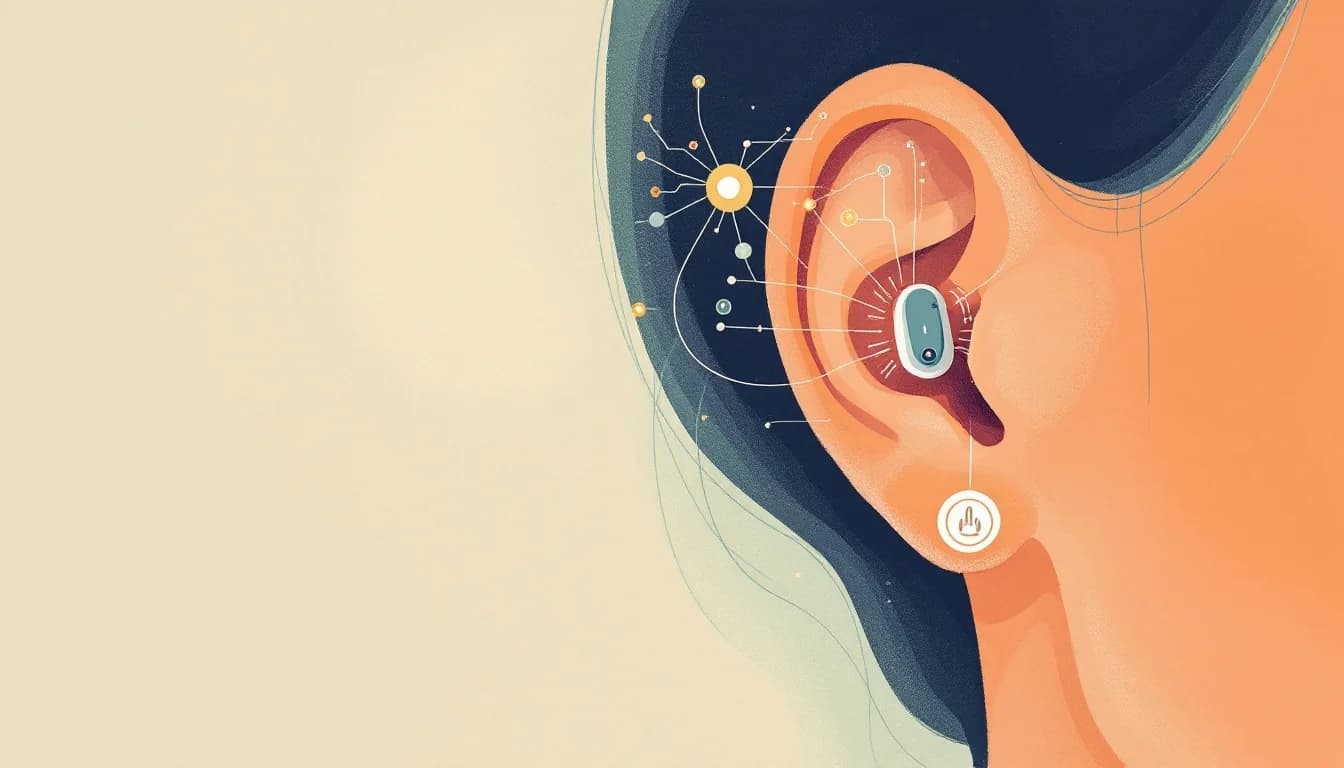
Drug Relief delivers electrical stimulation to specific points on the outer ear, targeting cranial nerves believed to modulate pain perception and autonomic nervous system activity. The device is designed for use in clinical settings under medical supervision during the initial withdrawal period, when patients typically experience the most severe symptoms including nausea, anxiety, muscle aches, and insomnia.
How Auricular Neurostimulation Works
The technology behind Drug Relief builds on decades of research into the connection between ear stimulation and central nervous system regulation. The auricular branch of the vagus nerve—the longest cranial nerve extending from the brainstem to the abdomen—has become an increasingly popular target for neuromodulation therapies because it provides accessible peripheral access to brain circuits involved in pain, mood, and autonomic function.
By delivering precisely calibrated electrical impulses to specific auricular points, the device aims to trigger the release of endogenous neurotransmitters including endorphins, serotonin, and norepinephrine. These natural chemicals can counteract some of the physiological chaos that occurs when opioid receptors—adapted to chronic external agonist exposure—suddenly find themselves without their usual stimulation.
Unlike transcranial devices that require electrode placement on the scalp, auricular neurostimulation offers a less invasive approach that patients can often self-administer after initial training. The ear's rich innervation and surface accessibility make it an attractive target for portable, wearable medical devices.
The Withdrawal Challenge
Opioid withdrawal, while rarely fatal on its own, represents one of the most significant barriers to treatment initiation and retention. The syndrome typically begins within hours of the last dose for short-acting opioids like heroin, or within days for longer-acting formulations. Symptoms peak in severity between 48 and 72 hours, creating a window of acute distress that drives many patients to resume use simply to make the suffering stop.
Current standard care for withdrawal management relies on a combination of supportive medications—anti-nausea drugs, sleep aids, muscle relaxants—and, when appropriate, opioid agonist therapy using methadone or buprenorphine. These approaches help, but many patients still find the experience intolerable, particularly those attempting detoxification without medication assistance.
For the estimated 1.8 million Americans with untreated opioid use disorder, fear of withdrawal keeps many from ever seeking help. Even among those who do enter treatment, dropout rates during the initial detoxification phase remain high. Any intervention that can make this critical period more bearable has the potential to improve treatment engagement and outcomes.
The Regulatory Landscape for Neurostimulation
Drug Relief joins a small but growing category of FDA-cleared devices for addiction treatment. The agency has taken an increasingly active role in evaluating bioelectric therapies, balancing the need for rigorous safety and efficacy data against the urgency of addressing an overdose crisis that claimed approximately 70,000 lives in 2025.
The clearance pathway for Drug Relief likely involved demonstration of safety and proof that the device performs as intended to provide symptomatic relief during withdrawal. Unlike pharmaceutical approvals that require extensive randomized trials showing clinical outcomes, medical device clearances can sometimes proceed with more limited evidence, particularly when the technology builds on established mechanisms with known safety profiles.
This regulatory approach has drawn both praise and criticism. Advocates argue that patients need access to innovative treatments quickly, especially when the alternative is continued uncontrolled substance use. Skeptics caution that premature clearance of devices with unproven long-term benefits could expose patients to costs and false hopes without meaningful impact on addiction trajectories.
Integration with Existing Treatment Models
The clinical utility of Drug Relief will depend heavily on how it fits into existing care pathways. The device is cleared for use "in conjunction with standard symptomatic medications and other therapies," suggesting it is intended as an adjunct rather than replacement for established treatments.
This positioning matters for treatment programs navigating the complex ideological terrain of addiction medicine. Some residential facilities emphasize total abstinence from all psychoactive substances, including maintenance medications like buprenorphine. For these programs, a non-pharmacological device offers a way to ease withdrawal without contradicting their philosophical commitments.
Other programs embrace medication-assisted treatment as the standard of care, and for them, Drug Relief might serve as a bridge during the brief period before buprenorphine induction can safely occur. Buprenorphine requires patients to be in moderate withdrawal before initiation to avoid precipitated withdrawal—a paradox that has long frustrated clinicians and patients alike. If neurostimulation can make this waiting period more tolerable, it could facilitate smoother transitions onto evidence-based medications.
Questions Remaining
As with any newly cleared medical technology, significant questions about Drug Relief's real-world effectiveness remain unanswered. The FDA clearance process for devices does not typically require the large randomized controlled trials that pharmaceutical approvals demand, meaning that robust outcome data may not yet exist.
Key unknowns include how the device performs across different patient populations—those using fentanyl versus prescription opioids, individuals with co-occurring mental health conditions, pregnant patients, and older adults. The durability of any benefit also remains unclear: does relief during acute withdrawal translate into improved retention in ongoing treatment, or do gains dissipate once the device is removed?
Cost and access represent additional concerns. Medical devices often face significant reimbursement challenges, particularly when they fall outside established billing codes. Without insurance coverage, patients and treatment programs may find Drug Relief prohibitively expensive, limiting its reach to those who could benefit most.
The Broader Context of Bioelectric Medicine
Drug Relief arrives at a moment of renewed interest in electrical and magnetic interventions for psychiatric and neurological conditions. Transcranial magnetic stimulation for depression, vagus nerve stimulation for epilepsy, and deep brain stimulation for Parkinson's disease have all moved from experimental curiosities to established treatments over the past two decades.
Addiction has proven a more challenging target. The brain circuits involved in substance dependence—spanning reward processing, executive function, stress response, and habit formation—are distributed across multiple regions with complex interconnections. Modulating these networks with external stimulation requires precise targeting and careful parameter selection.
Yet the potential rewards are substantial. Unlike medications that require daily dosing and carry risks of side effects and diversion, devices offer the possibility of durable benefit with minimal ongoing burden. For a condition as chronic and relapsing as addiction, interventions that can reset neural functioning without lifelong pharmaceutical dependence hold particular appeal.
Looking Forward
The clearance of Drug Relief adds another option to the expanding toolkit for opioid addiction treatment. Whether it becomes a widely adopted standard of care or remains a niche intervention for specific clinical settings will depend on the accumulation of real-world evidence, reimbursement decisions by payers, and the practical realities of implementation in busy treatment environments.
For patients contemplating the daunting prospect of opioid withdrawal, any additional tool that might ease the journey has value. The path to recovery remains difficult, with relapse rates that would be unacceptable in virtually any other medical condition. But each incremental improvement—each new medication, each cleared device, each refined protocol—contributes to a slowly improving landscape of care.
As the nation continues to grapple with an overdose crisis that has claimed more than half a million lives over the past two decades, innovations like Drug Relief offer reminders that progress, however gradual, continues. The challenge now lies in ensuring that promising technologies translate into accessible, affordable care for the millions of Americans still struggling with opioid addiction.
Editorial Board
Editorial review using SAMHSA, CDC, CMS, and state agency sources
The NWVCIL editorial team reviews and updates treatment-center information using public data from SAMHSA, CDC, CMS, and state behavioral-health agencies. We cross-check facility records, state coverage rules, and clinical-practice updates so the directory reflects current evidence and policy.
Related Articles

Arizona Launches AI-Powered Locator for Opioid Treatment Providers
Arizona's Medicaid agency AHCCCS debuts a GenAI locator built on Google's Gemini that connects residents to more than 100 vetted opioid treatment providers.
Maine's Somerset County Jail Wins $3.1M to Keep MAT Program Alive
Somerset County, Maine's jail won a $3.1 million SAMHSA grant to fund its extended-release buprenorphine program until jails can bill Medicaid.

FDA Grants Breakthrough Status to Device for Stimulant Use Disorder
NET Recovery's wearable neurostimulation device receives FDA Breakthrough Device Designation for stimulant addiction, where no drug or device is currently approved.