
DEA's 31st Take Back Day Sets Up 4,400 Sites for Unused Opioids
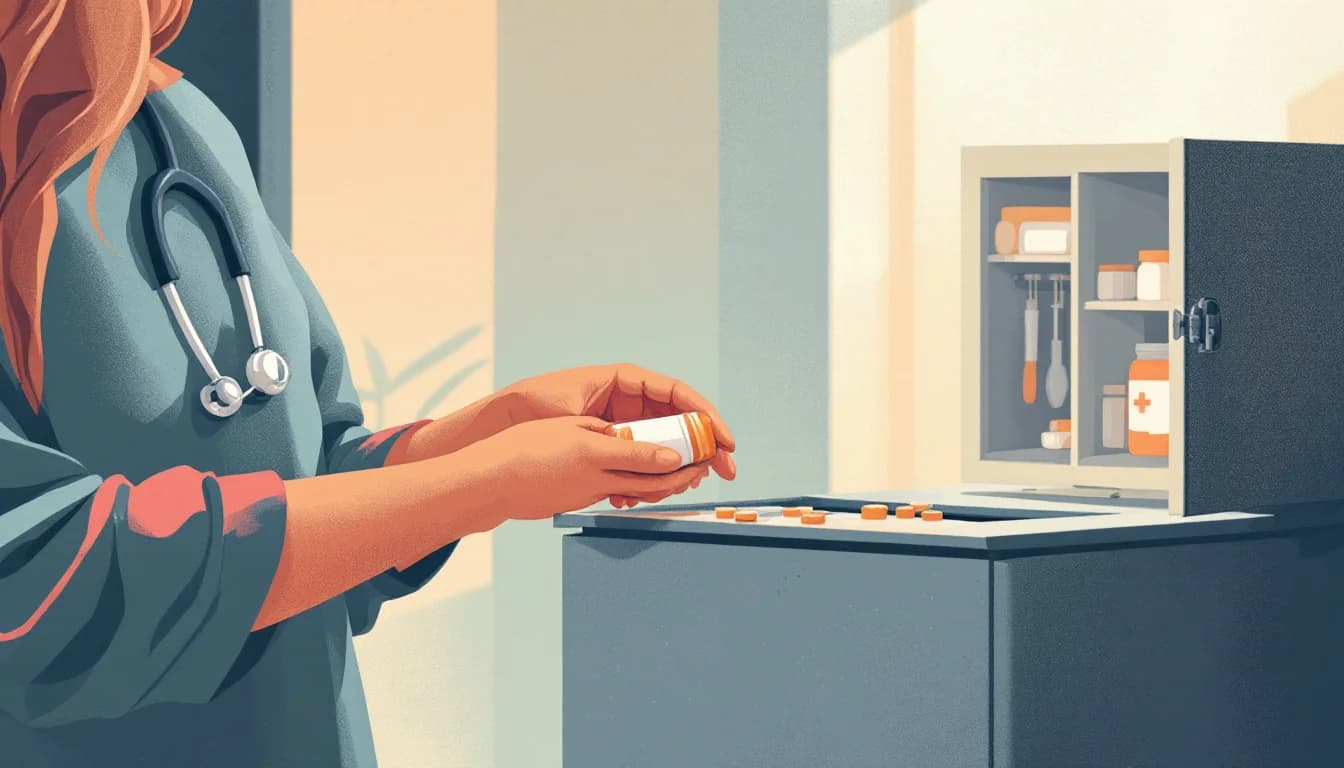
The Drug Enforcement Administration will run its 31st National Prescription Drug Take Back Day on Saturday, October 24, opening more than 4,400 collection sites nationwide between 10 a.m. and 2 p.m. so households can hand over expired and unneeded medications before they are diverted, misused or accidentally swallowed.
More than 4,300 local law enforcement agencies are partnering on the event, which the agency holds twice a year, in spring and fall. The collection sites are listed on the agency's take-back locator.
The program's premise is narrow and mechanical: a prescription that is finished, expired or abandoned is a supply problem sitting in a drawer. Removing it removes the supply.
Sixteen years, 21 million pounds
Take Back Day began in fall 2010, and the accumulated total has passed 21 million pounds of medication, according to federal figures. The most recent event, held April 25, brought in 642,410 pounds — roughly 321 tons — with 4,306 agencies participating.
"Since 2010, Take Back Day has helped Americans remove more than twenty million pounds of unneeded medications from their homes," DEA Administrator Terry Cole said in a statement announcing the fall event. "By participating in Take Back Day, you are preventing potentially addictive medications from falling into the wrong hands — a small step that can save lives."
What the sites will and won't accept
Collection points take tablets, capsules, patches and other solid prescription medications, along with liquid medications that are securely sealed in their original containers. They will not accept syringes, sharps or illicit drugs.
The practical scope is broader than opioids. Any unneeded prescription product in a home — sedatives, stimulants, veterinary medications — is worth removing, because the risk of diversion is a function of what is discoverable, not of what is prescribed for pain.
Why medicine cabinets still matter
Prescription opioids such as oxycodone, hydrocodone, codeine and morphine remain among the most frequently misused prescription pain medications, according to the Substance Abuse and Mental Health Services Administration. A single course of pills left in a drawer after dental surgery or a knee replacement can stay there for years, and the people most likely to find them are the people living in the house.
Overdose deaths nationally have fallen for three straight years, with the sharpest declines in deaths involving illicitly manufactured fentanyl, cocaine and methamphetamine. That makes the household supply a different kind of problem: smaller volumes, but a direct route into dependence for someone with no exposure to street drugs at all, and a route that is entirely preventable.
If October 24 doesn't work
The twice-a-year events are the most visible part of the disposal system, not the whole of it. More than 15,300 pharmacies, hospitals and businesses accept medications for safe disposal year-round, and many police departments keep permanent collection boxes in their lobbies.
Guidance for people who need immediate help with dependence is available through medication-assisted treatment programs and opioid treatment programs, and our guide to prescription drug abuse covers how dependence develops and what treatment looks like. Information on overdose reversal medication and where to get it is collected under naloxone.
SAMHSA's National Helpline, 1-800-662-4357, is free, confidential and staffed 24 hours a day.
Sources
Editorial Board
Editorial review using SAMHSA, CDC, CMS, and state agency sources
The NWVCIL editorial team reviews and updates treatment-center information using public data from SAMHSA, CDC, CMS, and state behavioral-health agencies. We cross-check facility records, state coverage rules, and clinical-practice updates so the directory reflects current evidence and policy.
Related Articles

New Synthetic Opioid Cychlorphine Linked to 50+ Deaths in Tennessee as DEA Warns of Spreading Threat
A powerful synthetic opioid 10 times stronger than fentanyl has emerged in East Tennessee, claiming more than 50 lives and spreading to multiple states.

DEA Issues Urgent Warning on Fentanyl Mixed With Emerging Synthetic Drugs
DEA advisory highlights escalating threat from fentanyl combined with cychlorphine, medetomidine, nitazenes, and xylazine—substances that resist naloxone and are driving overdose deaths across multiple states.

Cychlorphine: New Synthetic Opioid 10 Times Stronger Than Fentanyl Spreads Across Multiple States
A deadly synthetic opioid called cychlorphine, estimated to be 10 times more potent than fentanyl and undetectable by standard test strips, has been linked to dozens of overdose deaths across Tennessee, Arkansas, California, and other states.