
UN Report: Synthetic Opioids Reshaping Global Drug Markets as Use Hits Record High
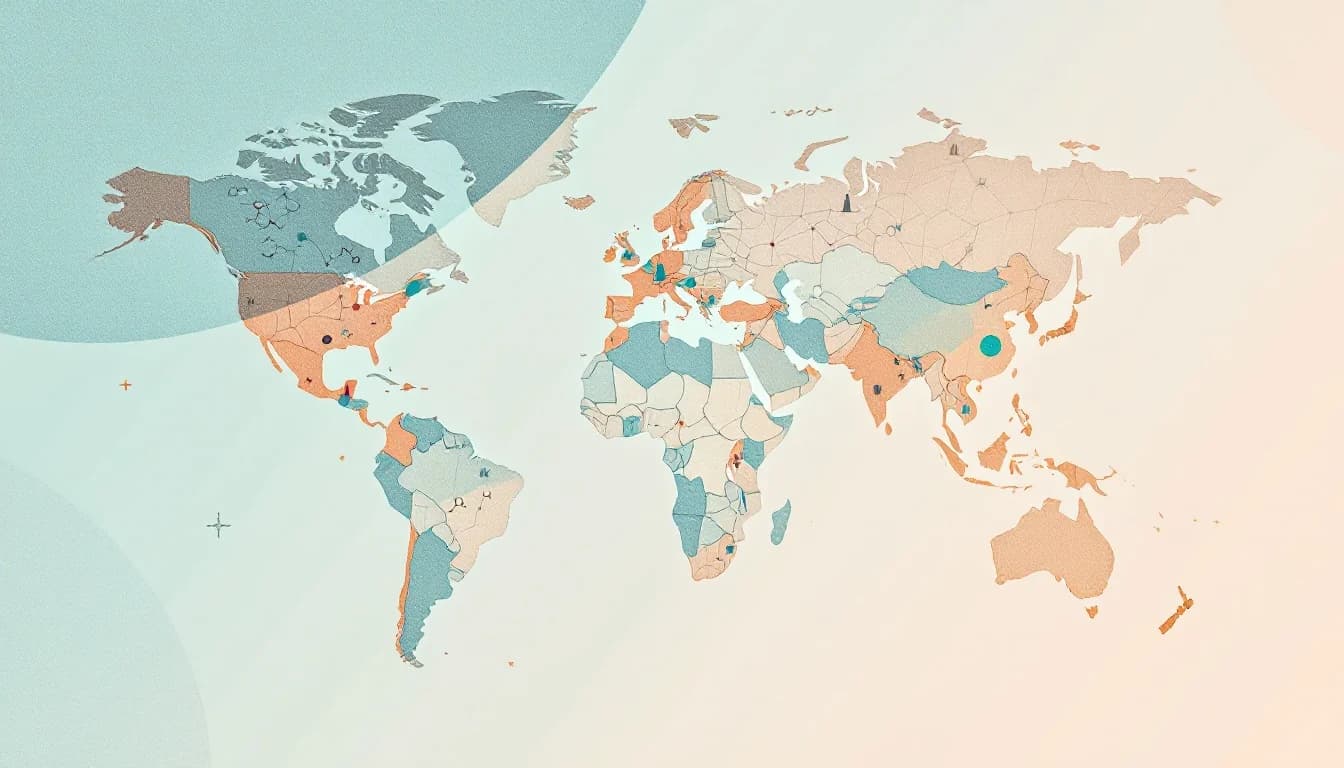
The global drug landscape is undergoing its most dramatic transformation in decades, according to the United Nations Office on Drugs and Crime's World Drug Report 2026 released this week. The comprehensive analysis reveals that approximately 1 in 16 people worldwide—roughly 500 million individuals—now use drugs, marking a record high that signals profound shifts in both supply chains and consumption patterns.
While cannabis remains the most widely used substance globally, the report's most alarming findings center on the rapid proliferation of synthetic opioids that are fundamentally altering the nature of the opioid crisis across continents.
The Synthetic Revolution
Perhaps the most significant development documented in this year's report is the accelerating shift from plant-based opiates to laboratory-created synthetic alternatives. Traffickers are increasingly turning to highly potent synthetic opioids including fentanyls, nitazenes, and orphines as substitutes for traditional heroin, a trend that UNODC warns could permanently transform the global opioid market.
This shift carries devastating public health implications. Some of these synthetic compounds are even more potent than fentanyl, which itself is approximately 50 times stronger than heroin. The report notes that the increasing availability of novel synthetic opioids suggests organized crime networks are actively searching for alternatives to heroin, likely responding to supply disruptions and seeking compounds that evade existing regulatory controls.
Afghanistan's Collapse and Market Vacuum
The report identifies the collapse of Afghanistan's opium production as a major catalyst for the synthetic opioid surge. Following the Taliban's 2022 ban on opium cultivation, Afghan opium production plummeted by approximately 95%, creating a significant vacuum in global heroin supply. UNODC estimates that remaining Afghan opium stockpiles will last only until the end of 2026.
This supply disruption has created ideal conditions for synthetic opioid proliferation. The report warns that actual or perceived shortages in heroin availability are encouraging traffickers to pivot toward synthetic alternatives that can be manufactured in clandestine laboratories without agricultural constraints or geographic limitations.
Unlike heroin production, which requires specific climate conditions and months of cultivation, synthetic opioids can be produced virtually anywhere with access to precursor chemicals and basic laboratory equipment. This manufacturing flexibility allows criminal networks to establish production facilities closer to target markets, reducing transportation risks and increasing profit margins.
The Nitazene and Orphine Threat
While fentanyl has dominated headlines in North America, the UNODC report highlights the emergence of nitazenes and orphines as increasingly prevalent threats. These compounds, originally developed decades ago but abandoned due to extreme potency and safety concerns, are now resurfacing in illicit drug markets worldwide.
Nitazenes can be up to 40 times more potent than fentanyl, while some orphine variants may exceed even that lethality. The report documents detections of these substances across multiple continents, suggesting their spread is not confined to any single region. Standard toxicology screening often fails to identify these novel compounds, leading to underreporting of their true prevalence in overdose deaths.
Technology and Trafficking Evolution
The 2026 report emphasizes how technological advances are enabling drug market expansion. encrypted communications, cryptocurrency payments, and the dark web have created resilient distribution networks that transcend traditional law enforcement boundaries. Social media platforms and messaging applications facilitate both wholesale transactions between criminal organizations and retail sales to individual consumers.
Geopolitical instability in various regions has simultaneously created new trafficking routes while disrupting international cooperation efforts. Conflict zones provide cover for production facilities and transit corridors, while diverting law enforcement resources toward security concerns.
Implications for the United States
While the UNODC report focuses on global trends, its findings carry significant implications for American public health policy. The United States has experienced some success in reducing overdose deaths—CDC data shows a 14% decline nationally over the past year—but the report suggests these gains may prove fragile if synthetic opioid markets continue evolving.
The emergence of compounds more potent than fentanyl poses particular challenges for harm reduction strategies. Naloxone, the opioid overdose reversal medication that has saved countless lives, may require multiple doses or prove insufficient against ultra-potent synthetic opioids. First responders in some jurisdictions are already encountering overdose scenarios where standard intervention protocols prove inadequate.
A Shifting Policy Landscape
The UNODC findings arrive at a moment of significant policy uncertainty in the United States. The Trump administration has signaled shifts in federal drug policy, including reduced emphasis on harm reduction approaches and increased focus on enforcement and abstinence-based treatment models. Simultaneously, proposed budget cuts to the Centers for Disease Control and Prevention and SAMHSA threaten the infrastructure that supported recent mortality reductions.
Public health experts warn that the synthetic opioid evolution documented in the UNODC report demands expanded—not reduced—investment in overdose prevention, medication-assisted treatment, and harm reduction services. The report's documentation of global market trends suggests that synthetic opioids will remain available regardless of enforcement efforts, making treatment access and overdose response capabilities essential components of any effective strategy.
The Path Forward
The World Drug Report 2026 paints a sobering picture of a drug crisis that is simultaneously improving in some metrics while evolving into new, potentially more dangerous forms. The record-high global usage figures and the synthetic opioid revolution represent challenges that transcend national borders and require coordinated international responses.
For American communities still grappling with the aftermath of the fentanyl crisis, the report serves as both a warning and a call to action. The compounds that have devastated families and overwhelmed healthcare systems may represent only the beginning of a synthetic opioid era that continues producing ever-more-potent alternatives. Sustained investment in treatment infrastructure, harm reduction services, and public health surveillance remains essential as the drug supply continues its rapid chemical evolution.
The UNODC's findings ultimately underscore a fundamental reality: the opioid crisis is not ending—it is transforming. Meeting this challenge will require policies and programs as adaptable as the illicit markets they seek to address.
Editorial Board
Editorial review using SAMHSA, CDC, CMS, and state agency sources
The NWVCIL editorial team reviews and updates treatment-center information using public data from SAMHSA, CDC, CMS, and state behavioral-health agencies. We cross-check facility records, state coverage rules, and clinical-practice updates so the directory reflects current evidence and policy.
Related Articles

New York Prison Overdoses Rise Despite 2021 Physical Mail Ban
Corrections data compiled by the Correctional Association of New York show prison staff used Narcan 51% more often in 2025, with 12 deaths in each of the past two years.
Mississippi Overdose Deaths Fall 39.8% From 2021 Peak, State Leaders Say
Mississippi reports 449 overdose deaths in 2025, a 39.8% decline from the 2021 peak of 746, as state officials prepare for International Overdose Awareness Day events.

Fentanyl Deaths Plunge 54% from Peak as U.S. Overdose Fatalities Decline Sharply
CDC provisional data show fentanyl-related deaths dropped 54% from their peak, with total overdose fatalities falling to approximately 70,000 in 2025—a third consecutive year of decline.