
Milwaukee Puts Overdose Rescue Kits in Every Public School
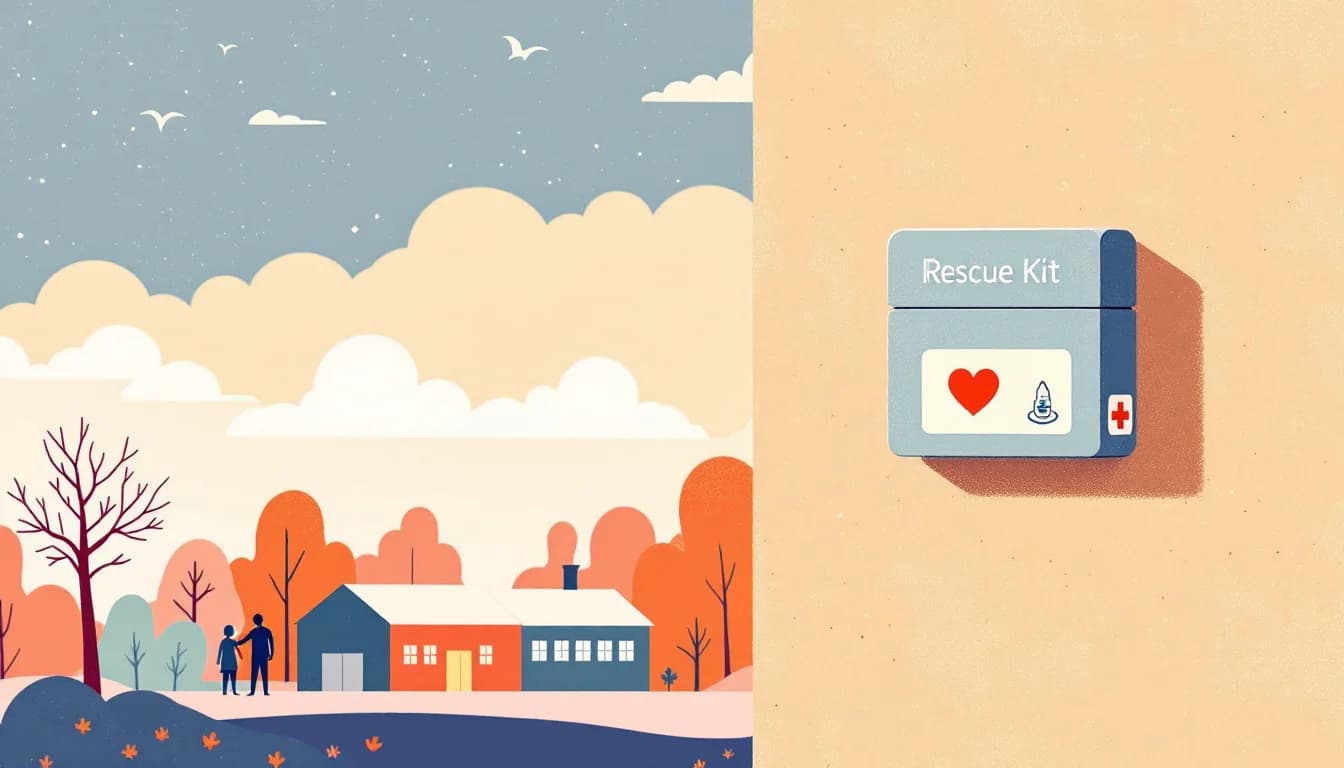
Milwaukee Public Schools now holds overdose rescue equipment on every campus after a foundation started by a father who lost his son to an overdose delivered 500 naloxone kits to district principals on Wednesday.
The George Moore IV Recovery Foundation gave the wall-mounted kits to the state's largest school district, which enrolls about 65,000 students across more than 150 buildings. District officials said the goal is to make sure each school has more than one kit so that the medication is never far from where students or staff might need it.
A foundation built on a gap in care
George Moore IV was 28 when he died of an accidental overdose in 2016, three days after completing a 30-day inpatient treatment program and with outpatient care still ahead of him. His father, George Moore III, turned that loss into the foundation that now bears his son's name.
"Like my wife says, it's nice that we can take a tragedy like my son's death and turn it into something good for the community, and hopefully saving other people's lives," Moore said, according to WISN 12.
The foundation has spent years pushing to make the medication as routine in schools as a fire extinguisher or an automated external defibrillator. Its petition asks Wisconsin to place naloxone in every public and private school in the state, and it estimates the one-time cost at roughly $273,837 for 1,267 schools — about 61 cents per middle- and high-school student. The wall-mounted design is deliberate: in an overdose, seconds matter, and a kit locked in an office is a kit that arrives too late.
Why schools have entered the overdose response
Naloxone, often sold as the nasal spray Narcan, reverses an opioid overdose by restoring breathing in someone whose respiration has slowed or stopped. It is not a treatment for addiction, and it does little for overdoses caused by stimulants such as methamphetamine or cocaine, which have become a growing share of deaths in many communities.
Schools have moved into that space because the drug supply changed around them. Fentanyl, a synthetic opioid that can be lethal in amounts as small as a few grains, is now pressed into counterfeit pills that circulate through social media and among teenagers who believe they are buying prescription medication. The Milwaukee district is not alone in treating its buildings as part of the emergency response system — Milwaukee County already operates harm-reduction vending machines stocked with free nasal Narcan, and districts elsewhere have used opioid settlement dollars for detection and prevention programs.
The kits do not replace training. Naloxone buys time, not a cure, and public health guidance is to call 911 after administering it, because a single dose may not be enough when fentanyl is involved and a second dose is sometimes required.
What the district got, and what it still needs
Moore's foundation describes the donation as a starting point rather than a finish line. Kits address the minutes after an overdose; they do nothing about the years of dependence and mental health strain that can lead to one. People who survive an overdose often need medication for opioid use disorder, counseling and sustained recovery support, and the family behind the Milwaukee donation has argued that the failure to connect patients to care after residential treatment is part of what killed George Moore IV.
That gap is what the foundation says it is trying to close, one school at a time. Its statewide campaign asks state lawmakers to make the kits mandatory rather than voluntary, an argument Moore has made in the years since his son's death.
For now, the district has 500 kits and a father's account of what they are for. "It's nice that we can take a tragedy like my son's death and turn it into something good for the community, and hopefully saving other people's lives," Moore said.
Sources
Editorial Board
Editorial review using SAMHSA, CDC, CMS, and state agency sources
The NWVCIL editorial team reviews and updates treatment-center information using public data from SAMHSA, CDC, CMS, and state behavioral-health agencies. We cross-check facility records, state coverage rules, and clinical-practice updates so the directory reflects current evidence and policy.
Related Articles
Orexo Resubmits FDA Application for High-Dose Naloxone Nasal Powder
Orexo completed a resubmission of its new drug application for IZIPRY, a high-dose naloxone nasal powder, answering a 2024 FDA rejection letter.

Free Naloxone Vending Machines Reach 7,800 Boxes on Mississippi Coast
Singing River Health System's free naloxone vending machines at three Mississippi Gulf Coast hospitals have distributed more than 7,800 boxes as overdose deaths fall statewide.

International Overdose Awareness Day Marks 25 Years Amid Historic Decline in U.S. Overdose Deaths
August 31 marks 25 years of International Overdose Awareness Day with theme '25 Years On. Still Needed' as CDC reports third consecutive year of declining overdose deaths.