
New York City Launches Mental Health Connect Provider Finder
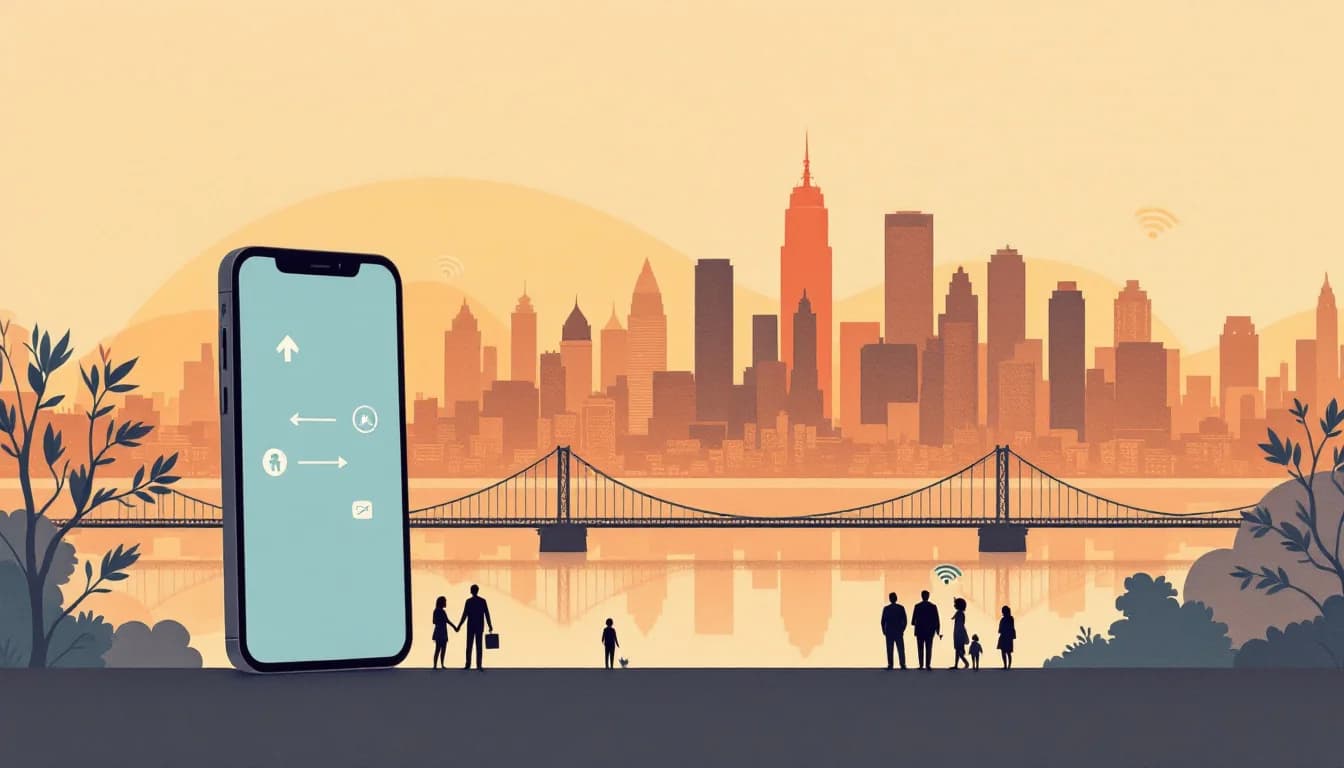
New Yorkers looking for mental health or substance use care can now search more than 600 providers through a single city website. Mayor Zohran Kwame Mamdani and the New York City Health Department launched NYC Mental Health Connect on Oct. 9, the day before World Mental Health Day, with $5 million in one-time funding from the New York State Office of Mental Health.
The site asks visitors to complete a short questionnaire about the kind of help they need, then narrows the list by type of service, appointment availability, ages served, languages spoken and insurance accepted. The city said the platform is meant to answer the question that stops many people before they ever reach a provider: where do I start?
How the questionnaire narrows the search
NYC Mental Health Connect covers state-licensed programs and city-contracted services, including outpatient clinics for adults, youth and families; rehabilitation services; peer support, employment, education and care coordination; crisis services; and supports for people with intellectual and developmental disabilities. It also points toward help with related needs such as housing, food security and legal assistance.
Providers can use the same tool to find additional services for their clients, and the city said it will keep the listings updated as providers open and close to referrals. The site is separate from the 988 Suicide and Crisis Lifeline, which the city noted remains available around the clock for anyone in crisis.
The gap the platform is meant to close
The launch follows city data showing that not knowing where to turn is itself a barrier to care. A 2024 report by the New York City Department of Health and Mental Hygiene found that 24 percent of surveyed city teenagers who needed or wanted mental health care did not know where to find it. Nearly half of adults who said they struggled to function because of their mental health reported an unmet need for treatment, and more than 40 percent of those adults cited not knowing who to contact or where to go.
"Finding an accessible, affordable mental health provider should be simple, but for too many, the difficulty of finding care can prevent them from seeking the help they need," Mamdani said in the announcement. "With NYC Mental Health Connect, our administration is providing New Yorkers with the tools to find local or virtual services quickly."
Health Commissioner Alister F. Martin framed the site as a way to close a knowledge gap rather than a capacity gap. "Too many of our neighbors don't use mental health support because they don't know where to go," he said.
A state-funded tool with a city maintainer
The New York State Office of Mental Health paid for development through a one-time $5 million grant and helped design the platform; the city will maintain it going forward. OMH Commissioner Ann Sullivan said the state agency was "a proud partner in funding and developing this new website," and Deputy Mayor for Health and Human Services Dr. Helen Arteaga said the tool should make locating care "only a few clicks away."
New York is not alone in trying to make the behavioral health system easier to enter digitally. Several states and cities have stood up help lines, directories and dashboards to route residents toward services, and telehealth services have become a larger share of that landscape since the pandemic, particularly for people who cannot travel to a clinic.
What a website can and cannot do
A navigation tool can shorten the search for care, but it does not create providers, and New York City — like much of the country — continues to face shortages in parts of its behavioral health workforce. A directory also cannot tell a patient whether a program will still accept their insurance a few months from now.
For that reason, the site pairs most usefully with the services it describes: standard outpatient care for people who need regular therapy or medication management, and more intensive levels of care for those who need them. For anyone seeking help with substance use disorder, the city's directory now includes addiction treatment alongside mental health programs in the same search.
Sources
Editorial Board
Editorial review using SAMHSA, CDC, CMS, and state agency sources
The NWVCIL editorial team reviews and updates treatment-center information using public data from SAMHSA, CDC, CMS, and state behavioral-health agencies. We cross-check facility records, state coverage rules, and clinical-practice updates so the directory reflects current evidence and policy.
Related Articles

Fargo Opens North Dakota's Second Veterans Treatment Court
Fargo's Veterans Treatment Court held its grand opening Oct. 9 at the Cass County Courthouse, joining Grand Forks and a new veterans court in Oneida County, New York.

Hawaii Virtual IOP Opens to All Islands Amid Psychiatrist Shortage
Hawaii Virtual Care launched a statewide virtual intensive outpatient program for substance use and mental health amid a 39 percent psychiatrist shortage.
FDA Grants Breakthrough Status to Device for Stimulant Use Disorder
NET Recovery's wearable neurostimulation device receives FDA Breakthrough Device Designation for stimulant addiction, where no drug or device is currently approved.