
Methadone Treatment Centers in Connecticut
Medically reviewed by NWVCIL Editorial TeamLast reviewed: May 2026
Our directory lists 41 methadone clinics across Connecticut, with the largest concentrations in New Haven (8), Hartford (5) and Bridgeport (3).
Methadone is a long-acting opioid medication used to treat opioid use disorder by eliminating withdrawal symptoms and cravings without producing a high. It is dispensed through federally certified Opioid Treatment Programs (OTPs) under strict SAMHSA and state regulations.
Treatment landscape in Connecticut:
- Connecticut recorded 1,318 drug overdose deaths in 2023 at 35.2 per 100,000 (CDC NCHS).
- 125 buprenorphine providers and 41 methadone Opioid Treatment Programs serve the state; New Haven, Hartford, and Bridgeport hold the largest concentrations.
- HUSKY Health covers all MAT medications plus outpatient counseling under a carved-in behavioral-health partnership with DMHAS.
- OTP licensure is administered by the Department of Mental Health and Addiction Services, which requires a formal treatment agreement for every MAT patient.
Methadone in Connecticut — By the Numbers
35.2
per 100,000 drug overdose mortality (CDC 2023)
1,318
total overdose deaths in Connecticut (2023)
41
methadone providers in our directory
132 / 158
facilities offering telehealth
144
accept Medicaid for treatment
41
SAMHSA-certified Opioid Treatment Programs
Top cities by buprenorphine provider density
New Haven (15) · Hartford (13) · Bridgeport (10)
Sources: CDC NCHS Drug Overdose Mortality (2023) · SAMHSA Treatment Locator · NWVCIL directory snapshot, May 2026
HUSKY Health
HUSKY Health covers all MAT medications plus outpatient counseling; Connecticut carved addiction services into its behavioral-health partnership with DCF and DMHAS.
State regulations
Connecticut licenses OTPs through the Department of Mental Health and Addiction Services (DMHAS) and requires a formal treatment agreement for every MAT patient.
- Cash or self-payment40
- Private health insurance40
- Medicaid38
- Medicare33
- Federal, or any government funding for substance use treatment programs26
- State-financed health insurance plan other than Medicaid21
- Outpatient34
- Outpatient methadone/buprenorphine or naltrexone treatment34
- Regular outpatient treatment31
- Intensive outpatient treatment30
- Outpatient detoxification13
Need Help Finding the Right Treatment Center?
Speak with a compassionate specialist now - 100% free & confidential
Methadone Treatment Providers in Connecticut
Methadone clinics in Connecticut
New Haven · 8 centers

New Era Rehabilitation Center Inc
New Haven, CT
Services:
APT Foundation Inc
New Haven, CT
Services:

Chemical Abuse Services Agency Inc
New Haven, CT
Services:
Chemical Abuse Services Agency Inc
New Haven, CT
Services:
APT Foundation Inc
New Haven, CT
Services:
APT Foundation Inc
New Haven, CT
Services:
APT Foundation Inc
New Haven, CT
Services:
Cornell Scott Hill Health Center
New Haven, CT
Services:
Hartford · 5 centers

Root Center for Advanced Recovery
Hartford, CT
Services:
InterCommunity Healthcare
Hartford, CT
Services:
Healthcare Resource Centers
Hartford, CT
Services:
Root Center for Advanced Recovery
Hartford, CT
Services:

Connecticut Valley Hospital
Hartford, CT
Services:
Bridgeport · 3 centers
New Era Rehabilitation Center Inc
Bridgeport, CT
Services:
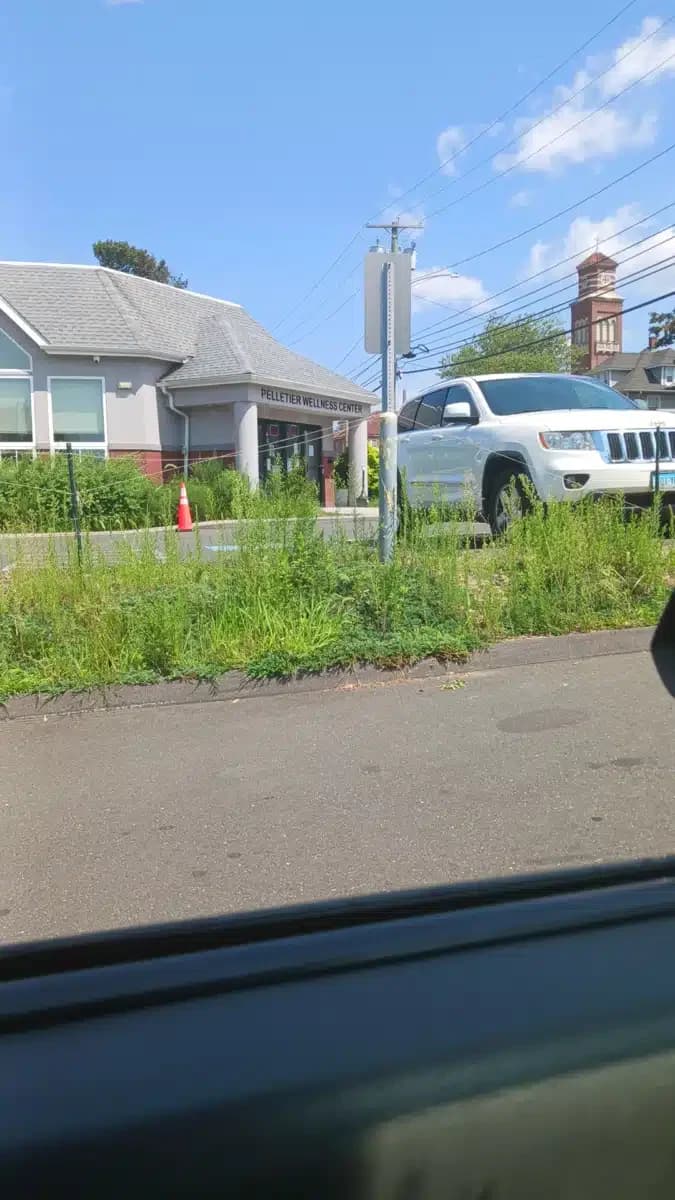
Liberation Programs Inc
Bridgeport, CT
Services:
Recovery Network of Programs Inc
Bridgeport, CT
Services:
Danbury · 2 centers
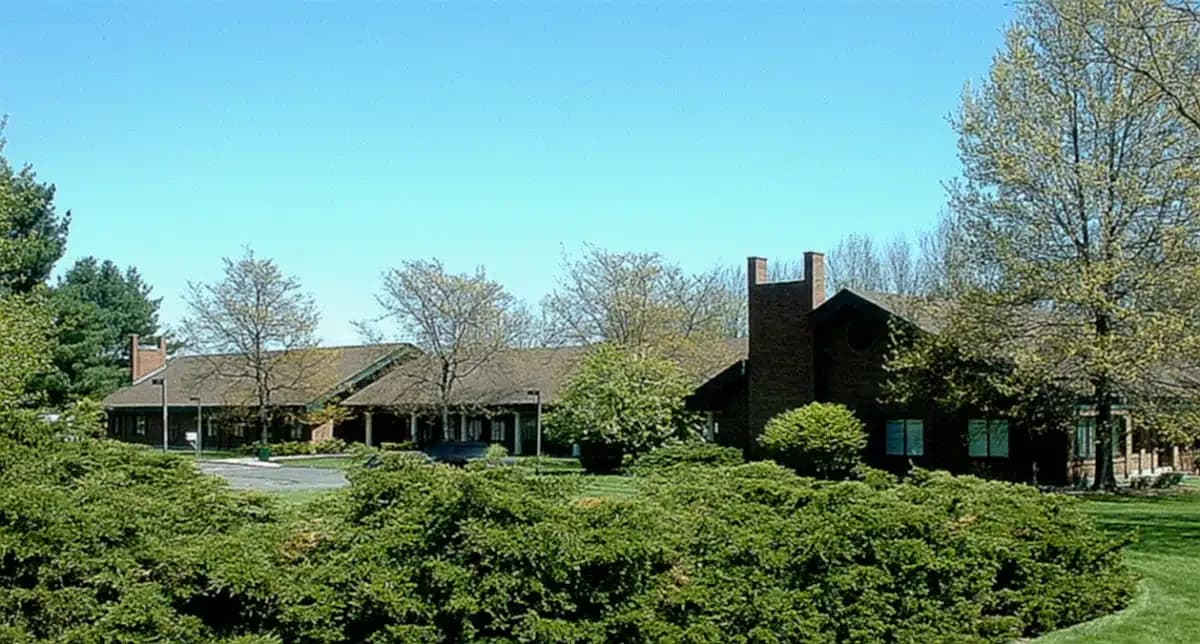
MCCA
Danbury, CT
Services:
Connecticut Counseling Centers Inc
Danbury, CT
Services:
Middletown · 2 centers
Connecticut Valley Hospital
Middletown, CT
Services:
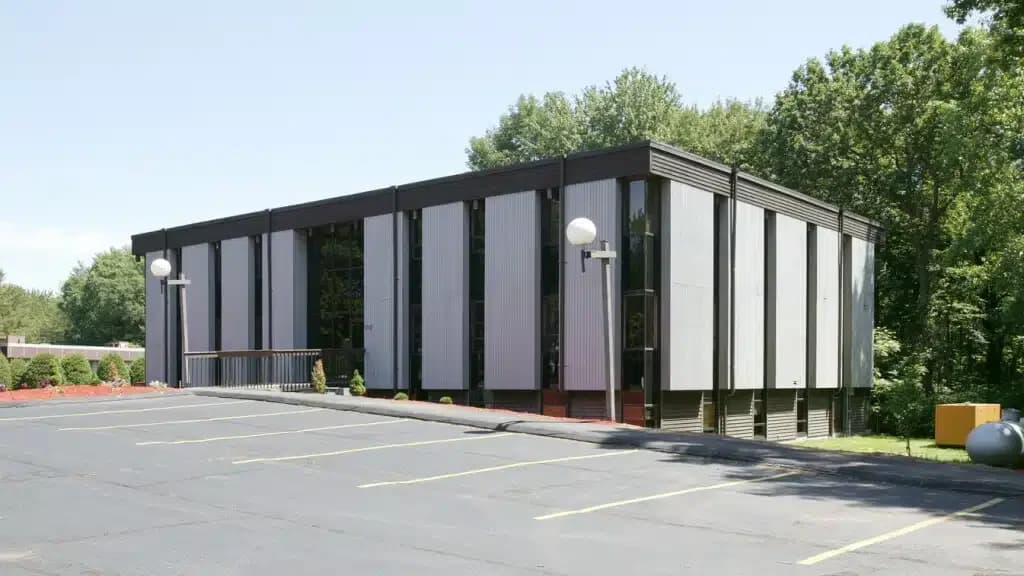
Rushford Center Inc
Middletown, CT
Services:
New London · 2 centers
Root Center for Advanced Recovery
New London, CT
Services:
SE Council on Alc and Drug Dep Inc
New London, CT
Services:
Stamford · 2 centers
Liberation Programs Inc
Stamford, CT
Services:
Liberation Programs Inc
Stamford, CT
Services:
West Haven · 2 centers

VA Healthcare Systems of Connecticut
West Haven, CT
Services:
APT Foundation Inc
West Haven, CT
Services:
Ansonia · 1 center

Cornell Scott Hill Health Center
Ansonia, CT
Services:
Bristol · 1 center
Root Center for Advanced Recovery
Bristol, CT
Services:
Canaan · 1 center

Mountainside Treatment Center
Canaan, CT
Services:
Manchester · 1 center
Root Center for Advanced Recovery
Manchester, CT
Services:
Meriden · 1 center
Connecticut Counseling Centers Inc
Meriden, CT
Services:
New Britain · 1 center
Root Center for Advanced Recovery
New Britain, CT
Services:
New Canaan · 1 center

Silver Hill Hospital Inc
New Canaan, CT
Services:
North Haven · 1 center
APT Foundation Inc
North Haven, CT
Services:
Norwalk · 1 center
Connecticut Counseling Centers Inc
Norwalk, CT
Services:
Norwich · 1 center
Root Center for Advanced Recovery
Norwich, CT
Services:
Putnam · 1 center
Community Health Resources
Putnam, CT
Services:
Stratford · 1 center

Recovery Network of Programs Inc
Stratford, CT
Services:
Torrington · 1 center
Root Center for Advanced Recovery
Torrington, CT
Services:
Waterbury · 1 center
Connecticut Counseling Centers Inc
Waterbury, CT
Services:
Willimantic · 1 center
Root Center for Advanced Recovery
Willimantic, CT
Services:
Frequently Asked Questions About Methadone in Connecticut
Do I need insurance to enroll in methadone treatment?
No. You can pay out of pocket, use HUSKY Health if eligible, or qualify for sliding-scale rates at many Connecticut federally qualified health centers. Uninsured patients should still call methadone clinics to ask about grant-funded slots and state-funded treatment vouchers.
Can I get free methadone treatment in Connecticut?
Free methadone treatment is possible in Connecticut for patients who qualify for HUSKY Health, are enrolled in State Opioid Response–funded clinics, or use charity-care programs at community behavioral-health centers. Call 988 or 1-800-662-4357 for live referrals.
Does HUSKY Health cover long-acting buprenorphine (Sublocade) or naltrexone (Vivitrol)?
Yes. HUSKY Health covers Sublocade and Vivitrol as part of the MAT benefit; most plans require prior authorization documenting prior MAT adherence. Billing is handled by the Connecticut provider as a medical (not pharmacy) benefit.
What happens if my Connecticut provider bills insurance out-of-network?
You may owe the full charge minus any out-of-network benefit. Ask methadone clinics whether they will file an insurance claim, charge you up-front, or negotiate a single-case agreement with your insurer. No Surprises Act protections may apply — request a Good Faith Estimate.
Does Connecticut allow telehealth induction for MAT?
Yes. DEA rules were permanently expanded in 2024 to allow audio-video telehealth for initial buprenorphine prescribing, and Connecticut law mirrors federal policy. Methadone induction still requires an in-person visit at an OTP for the first dose, though subsequent counseling can be delivered via telehealth. Naltrexone can be prescribed via telehealth with labs done in Connecticut.
Does length of treatment with methadone affect outcomes?
Yes. Meta-analyses consistently find that patients who remain on MAT longer than 12 months have lower rates of relapse, infectious disease, and overdose death. Connecticut Medicaid-funded programs report improved retention with long-acting injectables compared to sublingual treatment.
Can I start methadone while I’m still using opioids?
For methadone and buprenorphine, continued opioid use at entry is expected — the medication is designed to stop use safely. For naltrexone, 7–14 opioid-free days are required first. Your Connecticut clinician will confirm the correct induction strategy at intake.
What if I feel worse after the first buprenorphine dose — is something wrong?
Feeling worse shortly after the first buprenorphine dose can indicate precipitated withdrawal (taken too soon after a full agonist). Call your Connecticut clinic immediately — the team can adjust timing, switch to micro-induction, or provide supportive medication to relieve symptoms.
Are there allergic reactions to methadone?
True allergic reactions to methadone, buprenorphine, or naltrexone are rare. Rash, swelling, or difficulty breathing after a dose should be treated as an emergency — call 911 or go to a Connecticut emergency department. The MAT team can switch medications after stabilization.
Will CPS or DCF automatically be called if I use methadone during pregnancy in Connecticut?
Connecticut has specific protocols: prenatal MAT under medical supervision is typically not grounds for child-welfare action on its own. Hospital social workers may coordinate a Plan of Safe Care as required by CAPTA — this is a supportive plan, not automatic removal.
Can my family join methadone counseling in Connecticut?
Yes. Family counseling is a standard component of many Connecticut MAT programs; sessions with a partner, parent, or adult child can be scheduled with the patient’s consent. Al-Anon and Nar-Anon groups provide parallel support for family members.
What rights do I have if my records are disclosed improperly?
Improper disclosure of your records under 42 CFR Part 2 can be grounds for federal complaint and civil damages. File complaints with SAMHSA, the HHS Office of Civil Rights, and Connecticut’s behavioral-health licensing agency. An attorney can advise on civil remedies.
Other Treatment Options in Connecticut
Methadone Treatment in Other States
Need immediate help? Call SAMHSA: 1-800-662-4357 (24/7, free)