
12-Step Programs in Montana
Medically reviewed by NWVCIL Editorial TeamLast reviewed: May 2026
Our directory lists 32 12-step programs across Montana, with the largest concentrations in Billings (5), Helena (3) and Great Falls (3).
12-Step Programs like Alcoholics Anonymous (AA) and Narcotics Anonymous (NA) provide peer support, structured recovery framework, and proven principles for lasting sobriety. Many treatment centers integrate 12-step facilitation into their programs.
Treatment landscape in Montana:
- Montana recorded 188 drug overdose deaths in 2023 at 17.1 per 100,000 (CDC NCHS) — below the U.S. average.
- 21 buprenorphine providers and 4 methadone Opioid Treatment Programs serve the state; Billings, Butte, and Great Falls anchor access.
- Montana Medicaid (HELP Plan) covers buprenorphine and naltrexone statewide; methadone is covered at the state's small OTP network.
- The Department of Public Health and Human Services Addictive and Mental Disorders Division licenses OTPs.
12-Step in Montana — By the Numbers
17.1
per 100,000 drug overdose mortality (CDC 2023)
188
total overdose deaths in Montana (2023)
68
verified facilities in our directory
61 / 68
facilities offering telehealth
65
accept Medicaid for treatment
4
SAMHSA-certified Opioid Treatment Programs
Top cities by buprenorphine provider density
Billings (5) · Butte (2) · Great Falls (2)
Sources: CDC NCHS Drug Overdose Mortality (2023) · SAMHSA Treatment Locator · NWVCIL directory snapshot, May 2026
Montana Medicaid (HELP Plan)
Montana Medicaid covers buprenorphine and naltrexone statewide; methadone is covered at the state’s small network of OTPs.
State regulations
Montana licenses OTPs through the Department of Public Health and Human Services Addictive and Mental Disorders Division.
- Cash or self-payment31
- Medicaid29
- Private health insurance29
- Federal, or any government funding for substance use treatment programs20
- Federal military insurance (e.g., TRICARE)19
- State-financed health insurance plan other than Medicaid18
- Outpatient27
- Regular outpatient treatment27
- Intensive outpatient treatment11
- Residential/24-hour residential9
- Outpatient methadone/buprenorphine or naltrexone treatment7
Need Help Finding the Right Treatment Center?
Speak with a compassionate specialist now - 100% free & confidential
12-Step Treatment Providers in Montana
12-step programs in Montana
Billings · 5 centers

Community Medical Services
Billings, MT
Services:

Billings Urban Indian Health and
Billings, MT
Services:
New Day Inc
Billings, MT
Services:

South Central Montana Regional MHC
Billings, MT
Services:
Rimrock
Billings, MT
Services:
Great Falls · 3 centers
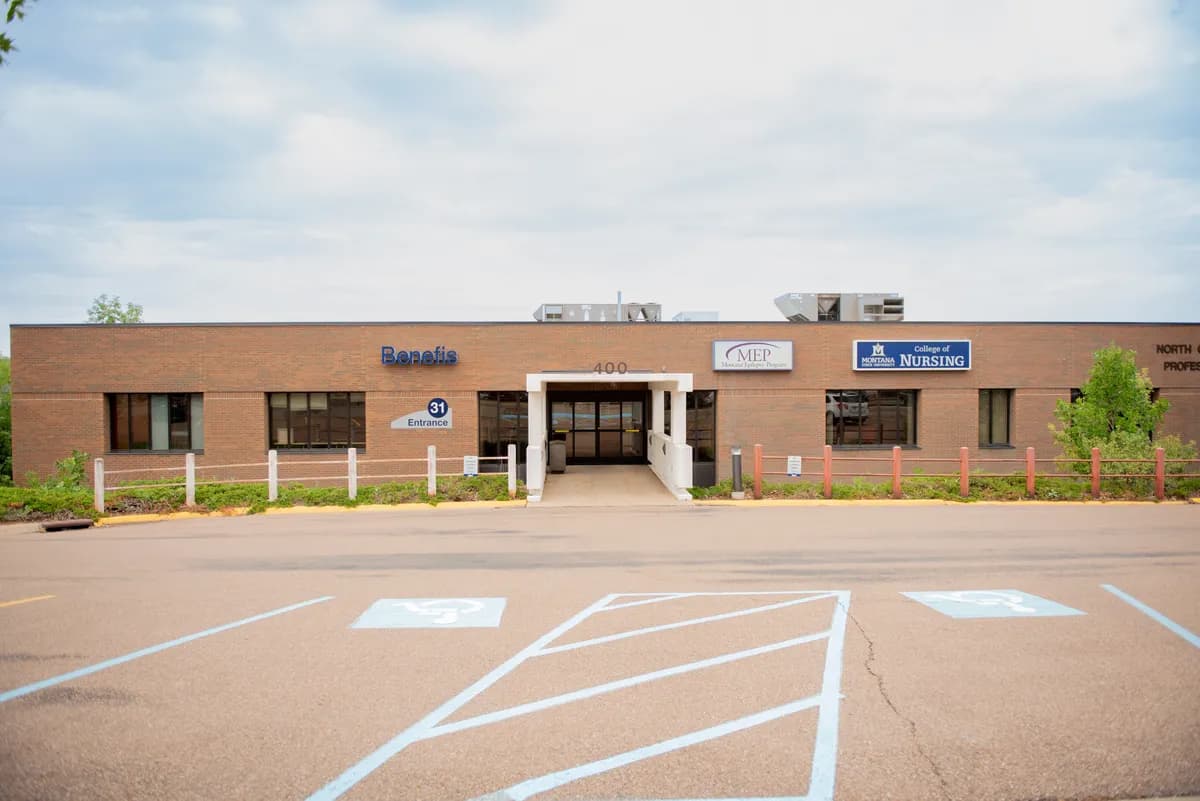
Benefis Hospitals Inc
Great Falls, MT
Services:

Indian Family Health Clinic
Great Falls, MT
Services:
Helena · 3 centers
Instar Community Servs
Helena, MT
Services:

Florence Crittenton Home and Services
Helena, MT
Services:
YWCA Helena
Helena, MT
Services:
Baker · 1 center
Belgrade · 1 center
Community Medical Services
Belgrade, MT
Services:
Big Timber · 1 center
South Central Montana Regional MHC
Big Timber, MT
Services:
Box Elder · 1 center

Butte · 1 center

Montana Chemical Dependency Ctr
Butte, MT
Services:
Columbia Falls · 1 center
Dillon · 1 center
Southwest Chemical Dependency Program
Dillon, MT
Services:
Dodson · 1 center
Ennis · 1 center
Services:
Glendive · 1 center
Harlem · 1 center

Hays · 1 center
Lewistown · 1 center
South Central Montana Regional MHC
Lewistown, MT
Services:
Martin City · 1 center
Missoula · 1 center
Red Lodge · 1 center
South Central Regional MH Center
Red Lodge, MT
Services:
Sidney · 1 center
Superior · 1 center

Choices for Change Counseling
Superior, MT
Services:
Troy · 1 center
Turning Winds
Troy, MT
Services:
White Sulphur Springs · 1 center
Southwest Chemical Dependency Program
White Sulphur Springs, MT
Services:
Whitefish · 1 center
Frequently Asked Questions About 12-Step in Montana
Are 12-step meetings court-approved in Montana?
Yes. Montana criminal and family courts accept 12-step attendance as part of many probation and treatment-court plans. Meetings sign court attendance slips on request; check with your supervising officer about exact requirements.
How often should I attend 12-step meetings?
Newcomers are often advised "90 meetings in 90 days" to build momentum. In the long run, attendance frequency depends on personal need. Many long-term members attend 1–3 meetings per week; in Montana major metros like Billings meetings run 7 days a week.
How often should I call my sponsor?
Many newcomers are advised to check in with their sponsor daily during the first weeks or months. Frequency tapers as recovery stabilizes. Montana sponsors typically prefer brief regular contact over long occasional calls; text check-ins are increasingly common too.
Has research studied 12-step for fentanyl or newer opioid problems?
Yes — NA meetings include many members recovering from fentanyl and other potent opioids. Research consistently shows that peer support combined with medication-assisted treatment provides the strongest outcomes for opioid use disorder, including fentanyl.
What alternatives to 12-step exist in Montana?
Non-12-step alternatives include SMART Recovery, Women for Sobriety, Refuge Recovery, Secular Organizations for Sobriety (SOS), and LifeRing. Most are available in Montana both in-person and online; SMART Recovery has the widest Montana footprint after AA and NA.
Are 12-step meetings recorded in Montana?
No. Video, audio, or photo recording of meetings is prohibited by tradition — including on online meetings, where members use display names and typically keep cameras off. Montana meetings strictly enforce this; recording violates the anonymity principle.
Do I need to stop MAT to work the 12 steps fully?
No. 12-step literature explicitly affirms medication adherence. Working the steps is a personal spiritual process compatible with ongoing medical treatment. Montana members working 12-step alongside MAT are common and fully integrated into fellowship life.
Are there 12-step conferences or events I can pay to attend?
Yes. AA and NA hold regional and national conferences with registration fees (typically $40–$150) that cover venue, speakers, and materials. These are separate from free weekly meetings. Montana hosts area conferences annually in larger cities.
Are online 12-step meetings as effective as in-person?
Research since 2020 suggests online meetings provide comparable recovery outcomes to in-person meetings for most members. Some find online formats more accessible; others prefer the community of in-person fellowship. Mixing both is common among Montana members.
What should I bring to my first 12-step meeting in Montana?
Just yourself. No paperwork, ID, or fees are needed. Comfortable clothing, a notebook if you want to take notes, and a pen for contact information of sponsors or members willing to help. Arrive 10 minutes early to meet members.
Other Treatment Options in Montana
12-Step Programs in Other States
Need immediate help? Call SAMHSA: 1-800-662-4357 (24/7, free)