
Methadone Clinic Near You: Find an OTP for Opioid Treatment
Find SAMHSA-certified methadone clinics (Opioid Treatment Programs / OTPs) across all 50 states. Methadone reduces opioid overdose mortality by 50-70% (NIDA) and is dispensed daily at federally regulated OTPs under 42 CFR Part 8. Take-home doses are earned after 90 days of compliance, expanding to a 30-day supply after two years. Roughly 1,900 OTPs operate in the United States (SAMHSA 2024), making methadone — a Schedule II full opioid agonist — the most studied medication for opioid use disorder (MOUD).
Found 1,376 treatment centers offering methadone across the United States.
Need Help Finding the Right Treatment Center?
Speak with a compassionate specialist now - 100% free & confidential
Showing 21 of 1376 results
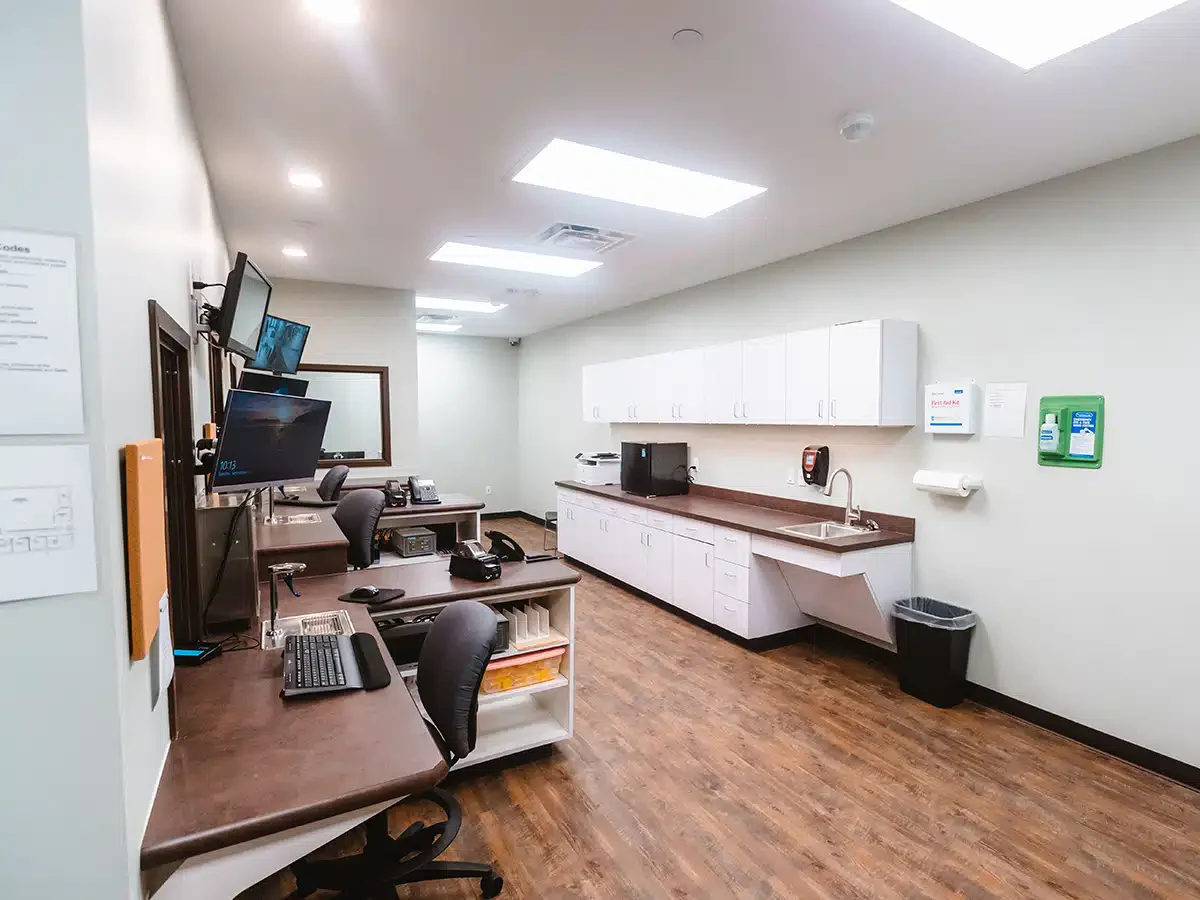
Situated in Sharon, PA, Rainbow Recovery Center specializes in extensive outpatient treatment for substance use targeting both adults and young adults. The center provides methadone, buprenorphine, or naltrexone outpatient services, along with tailored programs for adult males, adult females, and individuals facing concurrent pain and substance use issues. Adopting evidence-based methodologies such as cognitive behavioral therapy, anger management, and brief interventions, this facility emphasizes personalized care to aid each client in their recovery process. By offering services adapted for male and female participants, Rainbow Recovery Center fosters a friendly and inclusive atmosphere for those pursuing effective addiction rehabilitation.
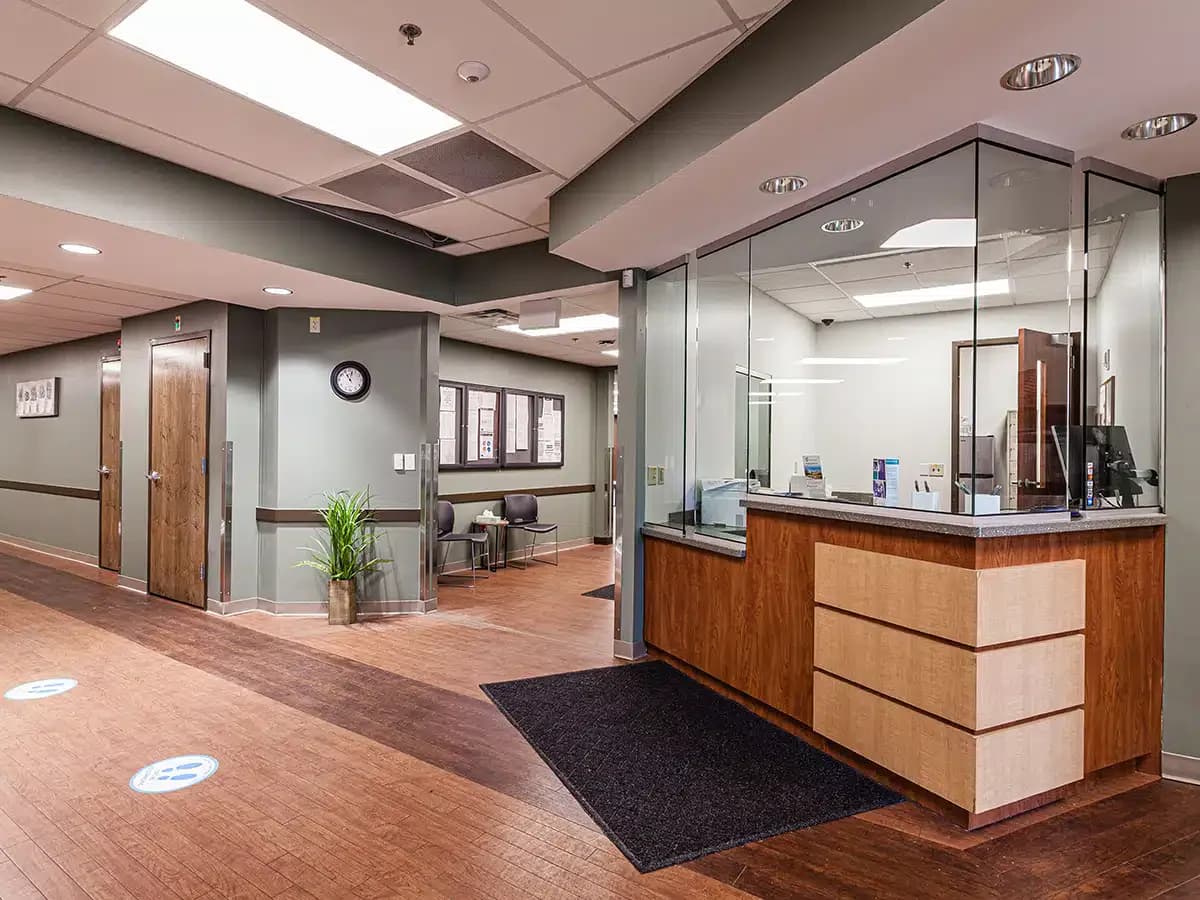
Raleigh Methadone Treatment Ctr (RMTC) in Raleigh, North Carolina, provides outpatient programs focused on detox and treating substance use disorders for adults. Their therapeutic interventions include techniques like anger management, cognitive behavioral therapy, and contingency management, serving adults and young adults in their pursuit of addiction recovery. RMTC ensures a supportive setting with tailored programs for male and female clients, aiming to assist individuals in overcoming challenges related to substance use. The center is committed to delivering individualized, evidence-based therapies to support clients in achieving sustainable recovery.
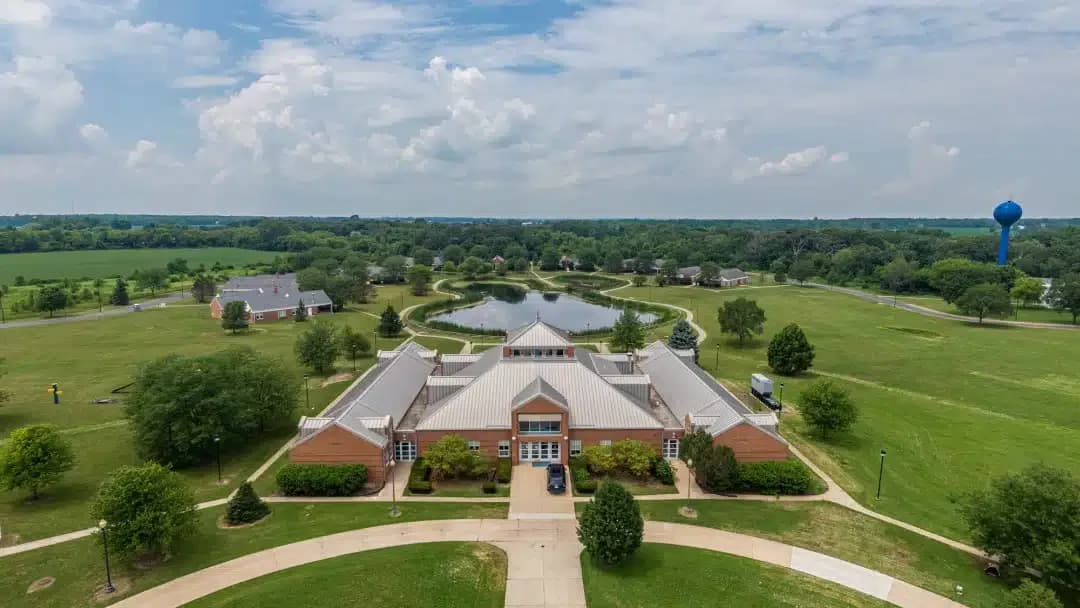
Recovery Centers of America, situated in Monroeville, PA, delivers extensive addiction rehabilitation services for both adults and young adults. The center features hospital-based inpatient detoxification and treatment options, along with round-the-clock support. With an emphasis on 12-step approaches, cognitive behavioral therapy, and motivational incentives, treatment plans are customized to meet the specific needs of each individual. There are dedicated programs for adult men and women, as well as those who have faced trauma. By providing specialized attention to both male and female clients, this center ensures individualized and high-quality care to aid individuals in their recovery journey from substance use disorders.
Situated in Saint Charles, IL, Recovery Centers of America delivers extensive services for addiction treatment aimed at both adults and young adults. The center features residential detox programs, continuous 24-hour care, and short-term residential options. Emphasizing a 12-step framework, anger management strategies, and brief intervention techniques, the facility addresses the needs of those facing both substance use disorders and significant mental health challenges. There are specialized programs designed for adult men and women, including those who have suffered trauma. Committed to providing high-quality care and treatment tailored to specific genders, Recovery Centers of America strives to assist individuals in attaining long-term recovery.
Situated in Westminster, MA, Recovery Centers of America delivers extensive services for addiction rehabilitation. The facility is particularly known for its detoxification programs, offering both residential and round-the-clock support. Emphasizing 12-step methods, anger management, and short-term interventions, it serves both adult men and women, including those on active military duty. The center accommodates a range of clients from young adults to older adults, providing targeted programs that address the unique needs of various age groups and genders. Recovery Centers of America in Westminster, MA, is recognized for its exceptional and individualized strategy towards addiction recovery.
Nestled in Westminster, MA, Recovery Centers of America delivers complete addiction care for individuals, including young adults, grappling with co-occurring mental health challenges. This establishment offers inpatient and temporary inpatient treatment, employing methods like 12-step integration, emotional regulation techniques, and concise intervention strategies. Featuring specialized offerings for active military members, adult men, and women, this center serves a broad range of individuals. Their dedication to superior service and personalized recovery paths positions Recovery Centers of America as a leading option for those desiring impactful recovery support in a nurturing setting.
Situated in Earleville, MD, Recovery Centers of America delivers complete recovery programs for adults and younger individuals facing addiction and intertwined mental health challenges. This establishment offers medical detox and inpatient care, featuring dedicated services for those with histories of trauma, sexual assault, or domestic abuse. By emphasizing 12-step support, emotional regulation techniques, and short-term counseling, the center guarantees personalized treatment for all genders. Recovery Centers of America is distinguished by its superior, gender-focused treatment methodologies and its dedication to guiding people toward lasting sobriety.
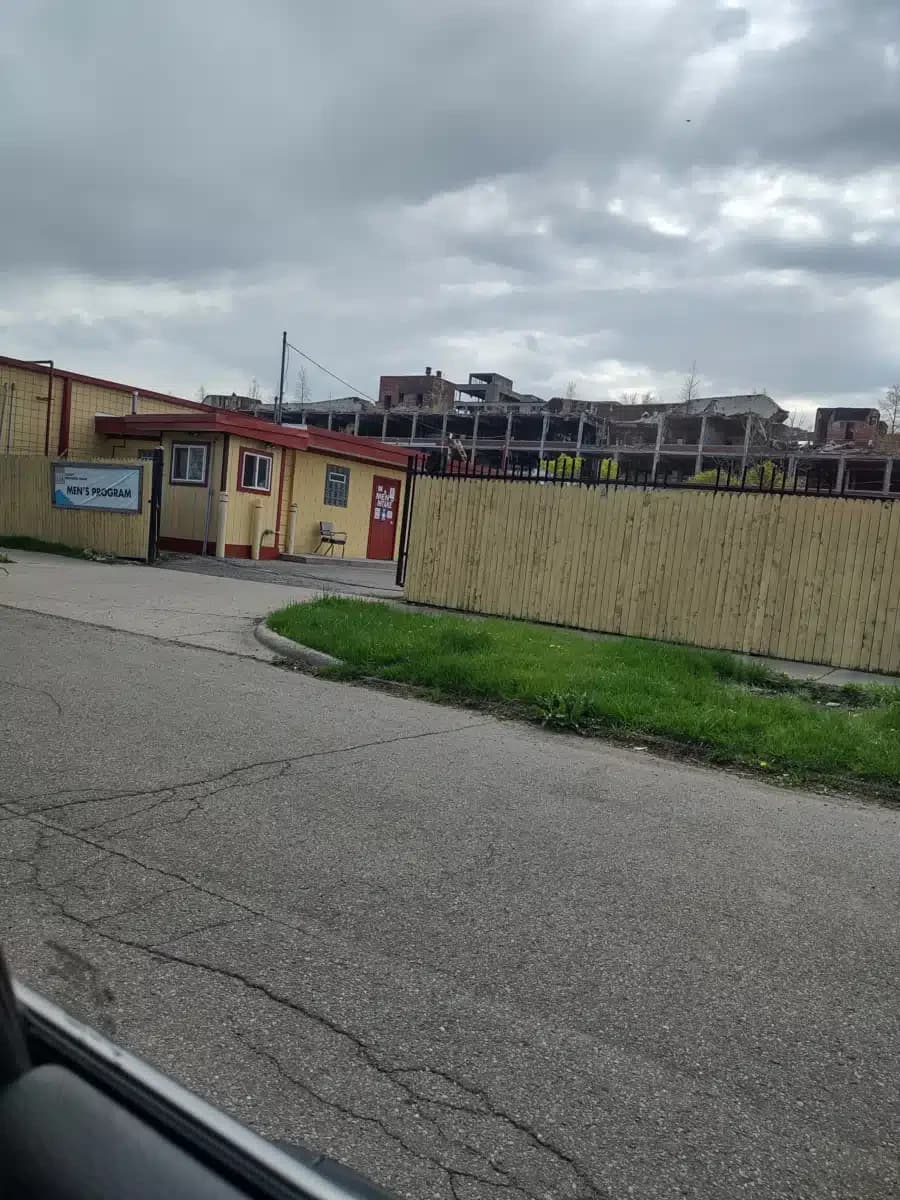
Quality Behavioral Health in Detroit, MI, delivers extensive addiction recovery services for adults and adolescents. Their offerings include extended residential stays, inpatient detoxification, and round-the-clock residential support. Emphasizing 12-step principles, emotional regulation, and cognitive behavioral techniques, this establishment customizes care to manage concurrent substance abuse and significant mental health challenges in adults, or severe emotional distress in youth. Specialized tracks are available for adult men and women, as well as individuals affected by intimate partner or domestic violence. Quality Behavioral Health is dedicated to providing personalized treatment and assistance to all male and female individuals on their path to wellness.
Situated in Kansas City, MO, ReDiscover provides an extensive array of outpatient support tailored for adults and young adults facing challenges with addiction alongside co-existing mental health disorders. This center features detox services, treatment for substance use, and targeted care for those dealing with significant emotional or mental struggles. The therapeutic options at ReDiscover encompass anger management, cognitive behavioral therapy, and short intervention strategies to meet each person's unique requirements. With customized programs designed for adult men, women, and those who have endured trauma, the center fosters a nurturing atmosphere conducive to healing. Prioritizing outpatient detoxification and medication-assisted therapies using methadone, buprenorphine, or naltrexone, ReDiscover is committed to providing exceptional care for individuals aiming to overcome addiction and regain control of their lives.

RHJ Medical Center Inc in Hunker, PA, delivers outpatient substance abuse recovery services for adult men and women, including young adults. They provide distinct support for expectant and new mothers. Utilizing methods such as 12-step guidance, emotional regulation techniques, and brief counseling, RHJ Medical Center Inc supports a thorough and personalized path to wellness. The center's outpatient medication-assisted treatment options, including methadone, buprenorphine, or naltrexone, alongside consistent outpatient therapy, significantly enhance recovery outcomes. RHJ Medical Center Inc is recognized for its high standards of service and customized treatment plans, positioning it as a trusted resource for effective addiction recovery.

Quil Ceda Creek Counseling Company in Marysville, WA, delivers a complete suite of services for individuals of all ages struggling with addiction and concurrent mental health conditions. They offer various levels of care including intensive outpatient, standard outpatient, and medication-assisted treatment using methadone, buprenorphine, or naltrexone. The facility employs evidence-based strategies like cognitive behavioral therapy, motivational interviewing, and contingency management, customizing treatment plans for each person. Specialized support is available for adult women, those with dual diagnoses, and individuals involved in the criminal justice system. This center is dedicated to providing effective and compassionate recovery assistance to adults and young adults.

Queen City Treatment Center, situated in Charlotte, NC, delivers outpatient addiction recovery services designed for adults and young adults. They excel in substance use disorder counseling, offering bespoke support to both men and women. Clients can access outpatient care through methadone, buprenorphine, or naltrexone programs, reflecting a holistic path to wellness. The center is distinguished by its customized treatment strategies, guaranteeing each individual receives the necessary assistance for their sobriety journey. For effective and empathetic addiction treatment, Queen City Treatment Center is committed to offering excellent care and direction.
The Ramon Velez Recovery Center, situated in Bronx, NY, specializes in outpatient detoxification and comprehensive substance use treatment. They also provide dedicated support for those facing dual diagnoses, addressing both addiction and significant mental health or emotional challenges. Employing therapeutic techniques like cognitive behavioral therapy and anger management, the center designs personalized recovery plans for adult men and women, young adults, and individuals affected by domestic or intimate partner violence. Committed to exceptional care and customized approaches, this institution empowers clients on their journey toward sustained sobriety.

Raise the Bottom Training and provides thorough outpatient care for addiction in Boise, ID. This center focuses on addressing dual diagnoses, treating substance use disorders concurrently with significant mental health conditions in adults and severe emotional challenges in youth. Employing therapeutic methods such as anger management, cognitive behavioral therapy, and brief intervention strategies, the facility customizes its programs to suit each person's unique requirements. Specialized offerings exist for active military members, adult men, and women. Catering to adults and young adults irrespective of gender, Raise the Bottom Training and delivers high-caliber services including outpatient care, medication-assisted treatment (methadone/buprenorphine or naltrexone), and standard outpatient support.
ReDiscover, situated in Kansas City, MO, delivers a wide array of outpatient services tailored for those seeking help with substance use disorders alongside concurrent mental health issues. The center places an emphasis on detoxification, substance abuse therapy, and support for individuals facing significant emotional challenges. Its programs include anger management, cognitive behavioral therapy, and short-term interventions. ReDiscover caters to both male and female adults, as well as young adults, including those who have experienced trauma. By prioritizing personalized care and effective treatment, this facility offers outpatient detox services and options such as methadone/buprenorphine or naltrexone for all clients.
Quapaw Counseling Services, situated in Miami, OK, delivers comprehensive outpatient substance use disorder therapies designed for personalization. The facility extends specialized assistance to active military members, adult men, and adult women. Employing methodologies such as 12-step facilitation, anger management, and brief intervention, Quapaw Counseling Services accommodates adults and young adults across the gender spectrum. Their offerings encompass standard outpatient care as well as specialized outpatient treatment utilizing methadone, buprenorphine, or naltrexone. Quapaw Counseling Services is committed to providing effective, evidence-informed recovery support.
Radius Foundation Inc, situated in Palos Heights, IL, provides comprehensive outpatient services for substance use disorders. Their offerings include detoxification, general substance use disorder treatment, and medication-assisted treatment options such as methadone, buprenorphine, and naltrexone. The center employs evidence-based approaches like brief intervention, cognitive behavioral therapy, and motivational incentives. They serve adult men and women, as well as young adults of all genders, tailoring treatment plans to individual needs. For those in search of dedicated outpatient addiction recovery support, Radius Foundation Inc presents a promising option.
At its Highland Park, MI location, Rainbow Center of Michigan Inc. provides comprehensive outpatient services for detoxification and substance use disorders. The center excels in utilizing methodologies such as 12-step facilitation, anger management, and cognitive behavioral therapy. Dedicated to assisting adult men and women, including survivors of intimate partner and domestic violence, Rainbow Center of Michigan Inc. delivers personalized treatment plans. The facility also extends its specialized care to young adults, offering distinct gender-specific programs for both men and women, ensuring a high standard of individualized support for all clients in their recovery process.
Nestled in Nampa, ID, Raise the Bottom Training and is dedicated to providing outpatient substance use disorder services for adults and adolescents facing co-occurring mental health conditions. The center offers medication-assisted treatment with methadone, buprenorphine, or naltrexone, alongside general outpatient care. Therapeutic modalities employed include anger management, brief intervention strategies, and cognitive behavioral therapy. Specialized support is available for active military personnel, adult men, and adult women, ensuring a broad spectrum of needs are met. Raise the Bottom Training and extends its comprehensive, supportive, and professional treatment options to adults and young adults, fostering a compassionate environment for recovery.
Situated in Pocatello, ID, Raise the Bottom Training is dedicated to providing outpatient support for adults struggling with substance use disorders. They also address co-occurring mental health and substance use issues in both adult and pediatric populations. The facility offers medication-assisted treatment options such as methadone, buprenorphine, or naltrexone, alongside general outpatient services. Specific programs are available for active-duty military personnel, as well as men and women. Therapeutic interventions employed include anger management techniques, brief intervention strategies, and cognitive behavioral therapy. Serving a diverse clientele of adults and young adults, Raise the Bottom Training prioritizes effective, high-quality care to aid individuals in their recovery from addiction and mental health concerns.
RHJ Medical Center Inc, situated in Vandergrift, PA, provides outpatient services for substance use disorders. Their specialization includes outpatient care with methadone, buprenorphine, or naltrexone. Employing strategies such as 12-step facilitation, anger management, and brief interventions, the center serves adult men and women, including young adults. They also offer tailored programs for expectant and new mothers, ensuring complete support. RHJ Medical Center Inc is committed to delivering excellent, gender-informed treatment designed to address individual requirements. For those in search of impactful addiction recovery support, this facility is devoted to guiding you toward sustained sobriety.
Frequently Asked Questions
How do I find a methadone clinic near me?
How long do I have to go to the methadone clinic every day?
What is methadone and how does it treat opioid addiction?
How do methadone clinics work?
What are common methadone side effects?
How does methadone compare to Suboxone?
What does methadone withdrawal feel like and how long does it last?
What is methadone maintenance treatment?
Is methadone used for pain management as well as addiction?
Does insurance cover methadone treatment?
About Methadone
Methadone is a full opioid agonist that binds to and fully activates the mu-opioid receptors in the brain. However, its pharmacological profile differs from drugs like heroin or fentanyl — it is absorbed slowly when taken orally, reaches peak levels over several hours, and has a long half-life of 24 to 36 hours. At a properly calibrated dose, methadone prevents withdrawal symptoms and suppresses cravings without producing significant euphoria or sedation.
How Methadone Works
Methadone develops cross-tolerance with other opioids, meaning patients on a stable dose are far less likely to feel the effects of illicit opioids if they relapse. This pharmacological blockade reduces the risk of overdose. As part of medication-assisted treatment (MAT), methadone has been used for over 50 years and remains one of the most extensively studied interventions for opioid use disorder.
Methadone Clinic: How OTP-Based Treatment Works
Methadone for opioid addiction can only be dispensed through federally certified Opioid Treatment Programs (OTPs), commonly called methadone clinics. These operate under strict SAMHSA and DEA regulations. New patients undergo comprehensive assessment and receive an initial dose (usually 20–30 mg) under observation. The dose is gradually increased until it controls withdrawal and cravings for a full 24 hours, typically 60–120 mg.
OTP methadone clinics dispense medication daily on intake and grant take-home privileges after 90 days of compliance, per 42 CFR Part 8 Subpart B. Take-home allocation expands incrementally — one dose per week initially, up to a 30-day supply after two years of demonstrated stability. The daily visit requirement is the most commonly cited barrier to engagement, which is why take-home milestones, Hub-and-Spoke regional networks, and emerging mobile MAT units have become key access mechanisms.
Methadone Side Effects
Common side effects include:
- Constipation — often the most persistent side effect
- Excessive sweating, particularly at night
- Drowsiness or sedation
- Nausea or vomiting
- Weight gain and dry mouth
- Decreased libido or sexual dysfunction
Serious side effects requiring immediate attention include difficulty breathing, severe dizziness, chest pain or irregular heartbeat (methadone can affect the QT interval), and signs of allergic reaction. Patients should avoid combining methadone with alcohol, benzodiazepines, or other CNS depressants. Providers typically perform an EKG before starting treatment and periodically during care.
Methadone vs Suboxone: Side-by-Side Comparison
Both methadone and buprenorphine (Suboxone) are FDA-approved medications for opioid use disorder, but they differ in mechanism, dispensing model, and best-fit patient profile. The table below summarizes the key differences:
| Feature | Methadone | Buprenorphine (Suboxone) |
|---|---|---|
| Mechanism | Full mu-opioid agonist | Partial agonist with ceiling effect |
| DEA Schedule | Schedule II | Schedule III |
| Setting | OTP only (42 CFR Part 8) | Any licensed prescriber — OBOT, telehealth, retail pharmacy |
| Dispensing | Daily at clinic initially → take-home after 90 days | Take-home from day 1 |
| Overdose risk | Higher (no ceiling effect) | Lower (ceiling on respiratory depression) |
| Best for | Severe OUD; prior buprenorphine failure; long-standing dependence | Most patients; rural areas; daily clinic visit not feasible |
| Cost (uninsured) | $50–$150/week | $100–$300/month |
| FDA approval year | 1972 (for OUD) | 2002 (for OUD) |
Neither medication is universally superior — the choice depends on severity of dependence, treatment history, geographic access to OTPs versus OBOT-prescribing physicians, and practical considerations such as work schedule. Some patients also benefit from initial buprenorphine stabilization with eventual transition to methadone or vice versa.
Methadone Withdrawal
Methadone withdrawal is more prolonged than withdrawal from shorter-acting opioids:
- Days 1–3: Anxiety, restlessness, muscle aches, yawning, tearing eyes, insomnia
- Days 3–10: Peak intensity — nausea, vomiting, diarrhea, abdominal cramps, goosebumps
- Weeks 2–4: Gradual improvement but fatigue, irritability, depression persist
- Weeks 4+: Some experience protracted withdrawal (PAWS) — low energy, mood instability, intermittent cravings
Medical guidelines strongly recommend a gradual taper — typically reducing by no more than 5–10% every one to two weeks, slowing further below 30 mg. A complete taper may take six months to a year. Patients who taper slowly have significantly better outcomes than those who stop abruptly.
Methadone Maintenance Treatment (MMT)
Methadone maintenance treatment (MMT) is one of the most well-researched interventions in addiction medicine. Decades of studies show that MMT reduces illicit opioid use, decreases overdose mortality by 50–70%, lowers HIV and hepatitis C transmission, reduces criminal activity, and improves employment. Current consensus from the WHO and ASAM holds that there is no maximum recommended duration — decisions about discontinuation should be individualized and patient-driven.
Methadone for Pain vs Addiction Treatment
Methadone is FDA-approved for both chronic pain and opioid use disorder, but the regulatory framework differs substantially. For addiction, methadone can only be dispensed through certified OTPs, typically in liquid form at 60–120 mg daily. For pain, any physician with a DEA license can prescribe tablets filled at a retail pharmacy, usually at lower doses (2.5–10 mg, two to three times daily). A significant number of overdose deaths have occurred in the pain management context when doses were increased too rapidly.
Methadone resources:
Related Treatment Methods
Browse by Condition
Browse methadone programs in states with the most treatment options.
Related conditions, treatment approaches, and levels of care.
Need immediate help? Call SAMHSA: 1-800-662-4357 (24/7, free)