Naltrexone and Vivitrol Treatment Centers
Naltrexone is an FDA-approved opioid antagonist medication used to treat both alcohol dependence and opioid use disorder. Available as a daily oral tablet (Revia) or a monthly Vivitrol injection, naltrexone works by blocking opioid receptors in the brain to reduce cravings and prevent relapse. Use our directory to find treatment centers that offer naltrexone-based medication-assisted treatment near you.
Found 7,994 treatment centers offering naltrexone (vivitrol) across the United States.
Need Help Finding the Right Treatment Center?
Speak with a compassionate specialist now - 100% free & confidential
Showing 21 of 7994 results
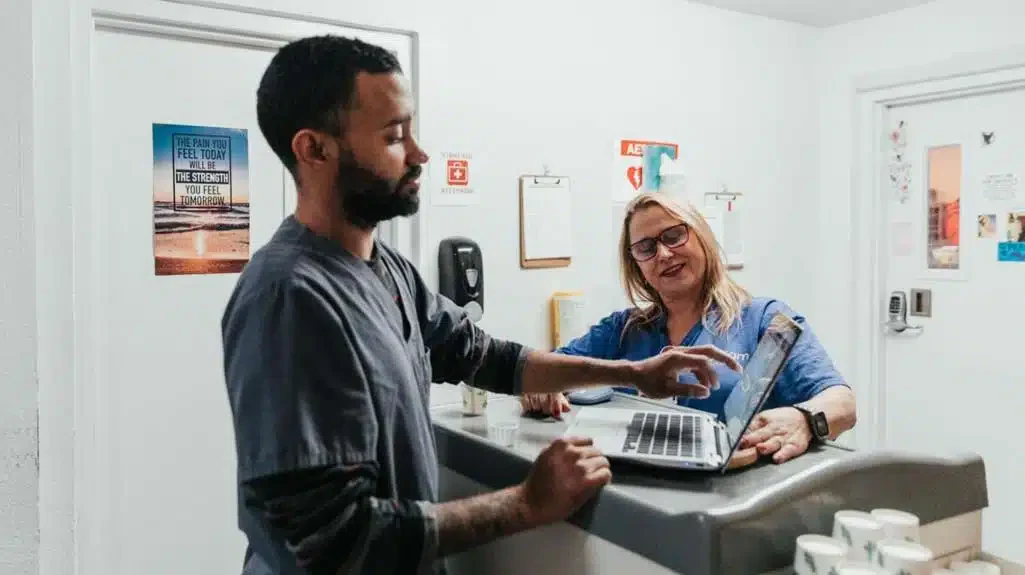
Axiom Care, situated in Apache Junction, AZ, offers a wide range of rehabilitation programs designed for adults and young adults dealing with substance abuse and mental health issues. The center provides inpatient detox services and treatment options, including specialized tracks for men, women, and individuals with dual diagnoses. Emphasizing approaches like 12-step support, anger management, and brief interventions, Axiom Care is dedicated to delivering personalized treatment for all clients. By catering to both male and female participants, the facility has established a reputation for excellent care and customized solutions, making it an ideal option for those in need of compassionate addiction rehabilitation.
Axiom Care, situated in Phoenix, AZ, delivers targeted rehabilitation programs for adult men aiming to overcome addiction. Their offerings include structured outpatient care, extended residential stays, and flexible outpatient options. Treatment methodologies employed at Axiom Care encompass 12-step support, emotional regulation skills, and short-term counseling. The center serves adult men, older adults, and young adults facing dual diagnoses of mental health and substance use disorders, alongside individuals affected by domestic abuse. Axiom Care prioritizes high-standard treatment and personalized recovery paths, dedicated to guiding clients toward lasting sobriety and enhanced wellness.

BAART Behavioral Health Services in Montpelier, VT, provides outpatient care for adults and young adults struggling with substance use disorders. They offer tailored support for individuals who have faced intimate partner or domestic violence. The center utilizes evidence-based methods such as brief intervention, cognitive behavioral therapy, and the Matrix Model. Medication-assisted treatment, including methadone, buprenorphine, or naltrexone, is available. BAART Behavioral Health Services is dedicated to helping clients attain sustained recovery and improve their general health.
Operating as Wayspring in Des Moines, Iowa, this clinic provides outpatient substance use treatment with buprenorphine and naltrexone for young adults, adults, and seniors. Care includes treatment for co-occurring serious mental illness, with a program for clients with co-occurring mental and substance use disorders. Medicaid is the accepted form of payment, with sign language services.
Axis Health System in Gunnison, Colorado provides regular outpatient substance use treatment with buprenorphine and naltrexone, with programs for adolescents, young adults, adult women, and criminal justice or forensic clients. Medicare, Medicaid, TRICARE, SAMHSA block grants, and a sliding fee scale are accepted, and sign language services are available.
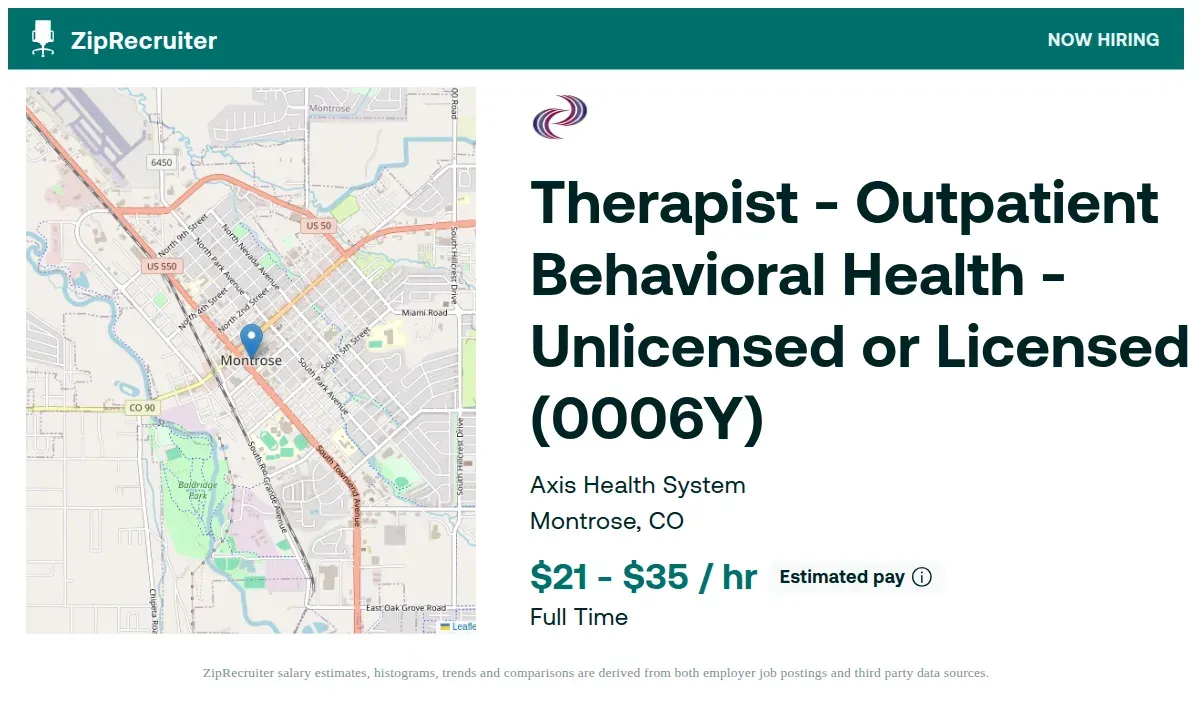
Axis Health System in Montrose, Colorado, provides outpatient and intensive outpatient substance use treatment with buprenorphine and naltrexone available. Programs serve adolescents, adult women, criminal justice clients, and people with co-occurring mental health disorders or trauma histories. Medicare, Medicaid, SAMHSA block grants, and a sliding fee scale help cover costs.
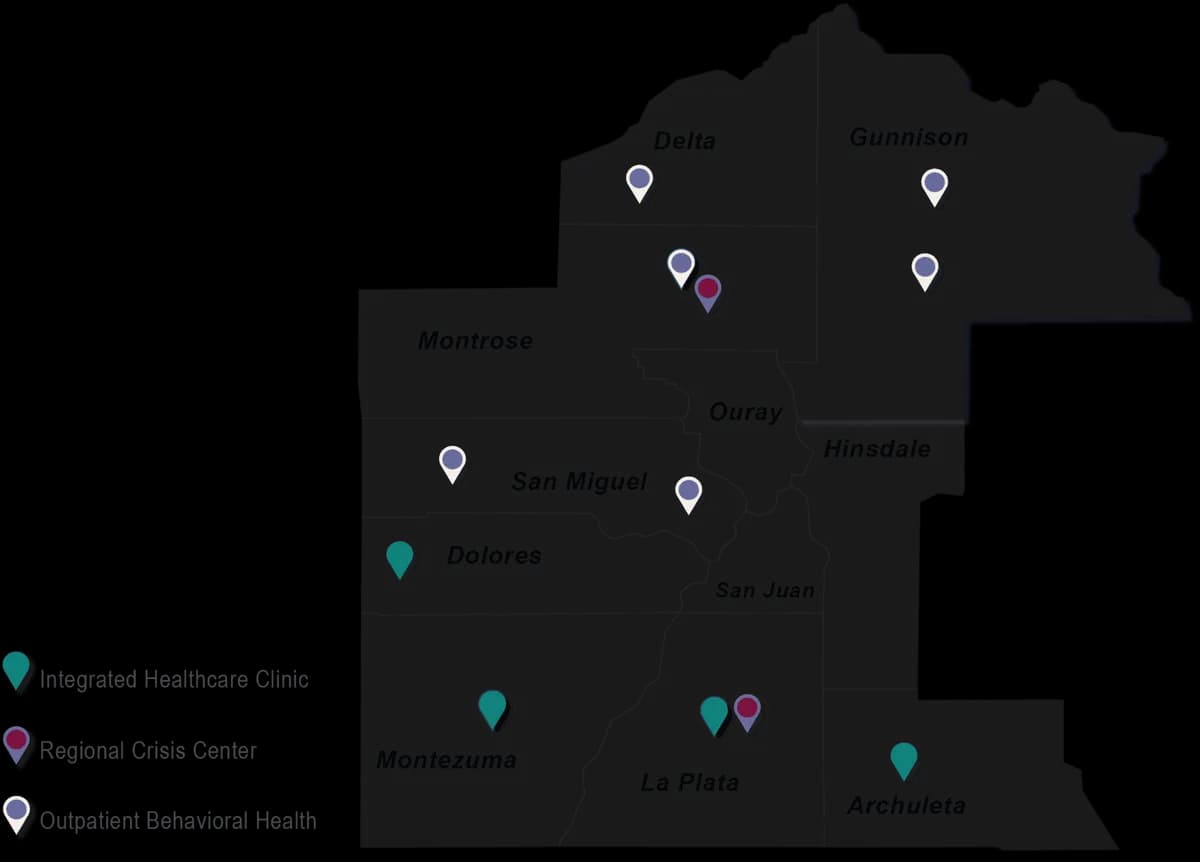
The Delta, Colorado office of Axis Health System offers regular outpatient substance use treatment with buprenorphine and naltrexone. Adolescents, adult women, forensic clients, and people with co-occurring disorders, sexual abuse histories, or trauma are among the groups served. Medicare, Medicaid, SAMHSA block grants, and a sliding fee scale are accepted.
Located in Telluride, Colorado, this Axis Health System outpatient clinic treats substance use disorders with buprenorphine and naltrexone. Clients range from children and adolescents to seniors, with programs for young adults, adult women, and criminal justice clients. Payment options include Medicare, Medicaid, TRICARE, SAMHSA block grants, and a sliding fee scale.
Axis Health System's Pagosa Springs Integrated Healthcare site in Colorado provides regular outpatient substance use treatment, including buprenorphine and naltrexone for opioid and alcohol use disorders. Programs cover adolescents, adult women, forensic clients, and people with co-occurring mental health conditions. Medicare, Medicaid, SAMHSA block grants, and a sliding fee scale are accepted.
Detoxification is the sole focus of the Axis Health System Regional Crisis Center in Durango, Colorado, with both residential and outpatient detox available. Buprenorphine and naltrexone are used, and all age groups from children and adolescents to seniors can be admitted. Medicare, Medicaid, SAMHSA block grants, and a sliding fee scale are accepted.
Axis Health System's Durango Integrated Healthcare clinic in Colorado delivers regular and intensive outpatient substance use treatment with buprenorphine and naltrexone. Programs serve adolescents, adult women, criminal justice clients, and people with co-occurring disorders or trauma. Medicare, Medicaid, SAMHSA block grants, and a sliding fee scale are accepted, and services are offered in Spanish.
Cortez Integrated Healthcare, an Axis Health System clinic in Cortez, Colorado, offers regular and intensive outpatient treatment for substance use disorders, including buprenorphine and naltrexone. Adolescents, adult women, forensic clients, and people with co-occurring mental health conditions are served. Medicare, Medicaid, SAMHSA block grants, and a sliding fee scale are accepted.

Outpatient detoxification and medication treatment with buprenorphine and naltrexone are offered in Durham, North Carolina. The clinic serves adolescents and clients with co-occurring mental and substance use disorders, including children with serious emotional disturbance. Medicaid, TRICARE, SAMHSA block grants, and a sliding fee scale are accepted. Sign language services are available.

The Wake Forest, North Carolina, clinic of B and D Integrated Health Services provides outpatient detoxification, intensive outpatient treatment, and buprenorphine and naltrexone services. Adolescents and clients with co-occurring disorders, including children with serious emotional disturbance, are served. Medicaid, SAMHSA block grants, and a sliding fee scale are accepted. Sign language services are available.

Aware Recovery Care of New Hampshire, situated in Bedford, NH, provides thorough addiction recovery services. This center focuses on detox and addiction treatment for individuals of all ages. They are dedicated to personalized care, offering intensive outpatient and standard outpatient services, including detox on an outpatient basis. Employing strategies such as brief intervention, CBT, and the Matrix Model, they create unique treatment paths for every patient. Dedicated to high standards, Aware Recovery Care of New Hampshire is recognized for its customized and successful recovery programs for men and women.
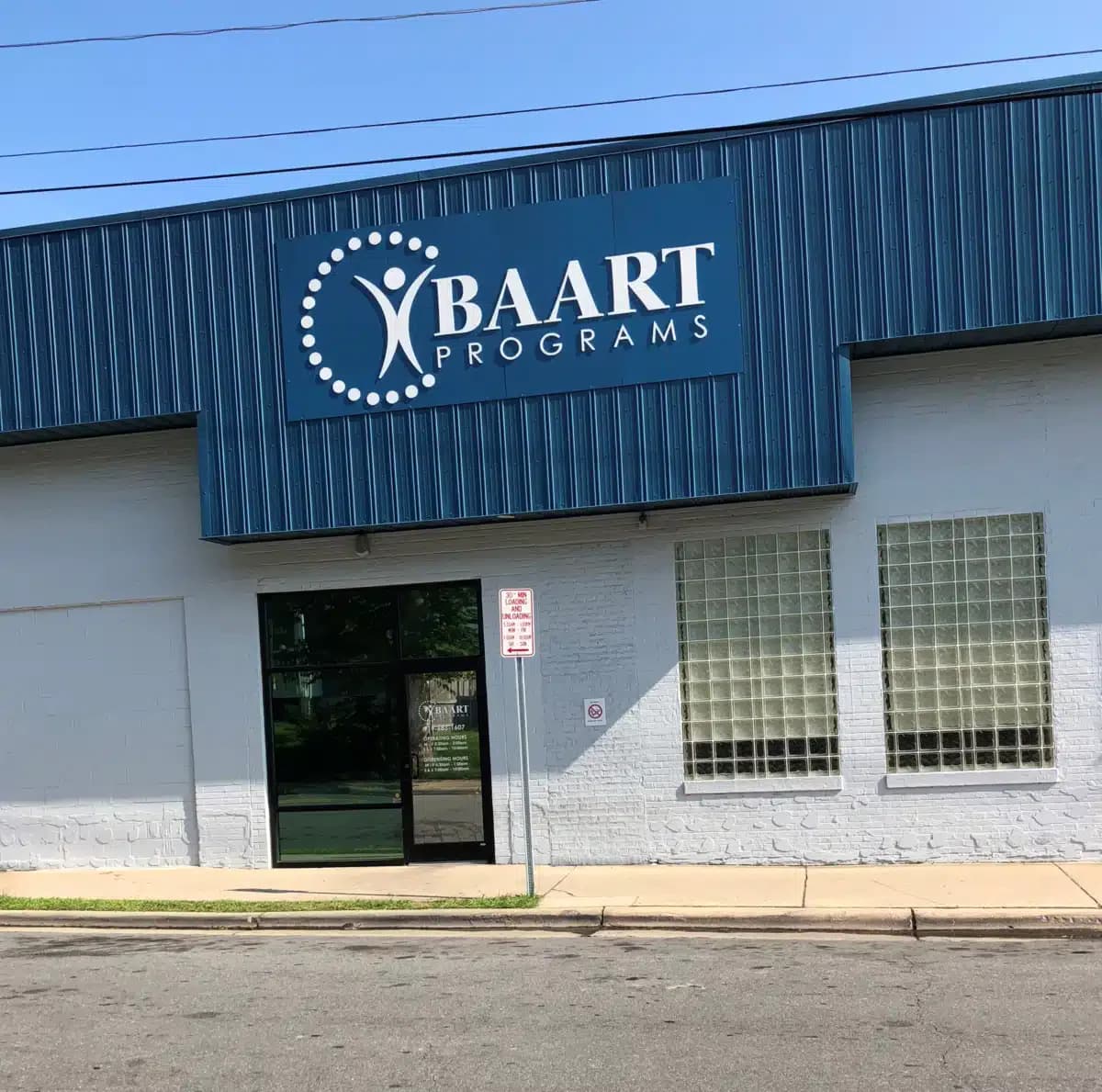
BAART Community Healthcare, located in Durham, NC, specializes in outpatient treatment for substance use disorders, specifically focusing on methadone/buprenorphine and naltrexone therapies. This center employs proven methods including cognitive behavioral therapy, the Matrix Model, and motivational interviewing to aid individuals in their recovery journey. It features specialized programs designed for active duty military members, as well as adult men and women. Catering to adults and young adults of all genders, the facility offers tailored care that meets the diverse needs of clients. With a strong emphasis on high-quality and individualized support, BAART Community Healthcare is a reliable option for those in search of effective and compassionate addiction treatment solutions.
Located in Saint Albans, VT, BAART Behavioral Health Services specializes in outpatient treatment for substance use disorders. The facility offers various options including outpatient care with methadone, buprenorphine, or naltrexone. Their services incorporate multiple therapeutic strategies such as anger management, cognitive behavioral therapy, and brief interventions. They also have tailored programs for pregnant or postpartum women. Serving both adults and young adults of all genders, BAART Behavioral Health Services prioritizes personalized treatment plans to support individual recovery paths. If you are looking for a dedicated facility to help you on your journey to lasting recovery, this center is committed to providing comprehensive addiction treatment.
Situated in Barnwell, SC, the Axis I Center of Barnwell specializes in rehabilitation services for both adults and youths dealing with substance abuse and concurrent severe mental health disorders. The center offers various treatment options including intensive outpatient programs, general outpatient services, and outpatient treatments for methadone, buprenorphine, or naltrexone. Employing customized methods such as 12-step programs, anger management sessions, and brief interventions, it provides thorough support. Additionally, there are specialized programs designed for active military members, teenagers, and adult males. The Axis I Center of Barnwell serves both male and female clients, dedicated to delivering effective care that supports individuals in their recovery journey.
BAART Behavioral Health Services located in Newport, VT, provides targeted outpatient programs for substance use disorders. The center features treatment options including methadone, buprenorphine, and naltrexone, integrating techniques such as anger management, brief interventions, and cognitive behavioral therapy. With specific programs designed for active duty military members as well as adult men and women, BAART Behavioral Health Services addresses a wide range of patient needs. Offering services to both adults and young adults of all genders, the facility prioritizes high-quality care through personalized treatment plans. Experience extensive addiction treatment services aimed at fostering recovery and enhancing long-term wellness at this center.
BAART Behavioral Health Services in Saint Johnsbury, VT, provides outpatient care for substance abuse, featuring methadone, buprenorphine, and naltrexone options. They also offer specialized support like anger management, brief intervention, and cognitive behavioral therapy. Tailored programs are available for active military members, adult men, and adult women. Serving adults and young adults of all genders, this center adopts a thorough approach to addiction recovery. Emphasizing high-quality, research-backed methods, BAART Behavioral Health Services is a reliable choice for individuals pursuing successful and individualized addiction treatment.
BAART Behavioral Health Services Inc. in Lynwood, CA, is a facility dedicated to providing thorough addiction recovery services, encompassing both detox and ongoing substance use care. They employ a range of evidence-based therapeutic methods, including cognitive behavioral therapy, motivational interviewing, and relapse prevention techniques, within their intensive outpatient, outpatient, and outpatient detoxification offerings. The center has developed specialized programs for active military members, adult men, and adult women. BAART extends its services to all adults and young adults, irrespective of gender, ensuring that treatment plans are customized to each person's unique requirements. Their commitment to high-quality, individualized care is central to assisting individuals in achieving lasting recovery.
Frequently Asked Questions
What is naltrexone and how does it work?
What are the most common naltrexone side effects?
What is Vivitrol and how is the injection administered?
What is the difference between naltrexone and naloxone?
How does naltrexone compare to Suboxone?
What is the standard naltrexone dosage?
How much does naltrexone cost and does insurance cover it?
What is low dose naltrexone (LDN)?
About Naltrexone (Vivitrol)
Naltrexone is an opioid antagonist, meaning it binds to the mu-opioid receptors in the brain without activating them. By occupying these receptors, naltrexone effectively blocks the rewarding effects of opioids and reduces the neurochemical reinforcement that drives alcohol cravings. Unlike medications such as methadone or buprenorphine, naltrexone has no potential for abuse or physical dependence because it produces no opioid effect whatsoever.
How Naltrexone Works
When a person taking naltrexone consumes alcohol, the pleasurable dopamine surge that normally reinforces drinking behavior is significantly blunted. For individuals with opioid dependence, naltrexone prevents any ingested opioid from reaching the receptors, rendering opioid use ineffective. This pharmacological mechanism makes naltrexone a cornerstone of medication-assisted treatment (MAT) programs across the country. Naltrexone was first approved by the FDA in 1984 for opioid dependence and received additional approval for alcohol dependence in 1994.
Naltrexone Side Effects
Common side effects include:
- Nausea, especially during the first few days
- Headache and dizziness
- Fatigue and insomnia
- Joint and muscle pain
- Decreased appetite and anxiety
Serious side effects are less common but include signs of liver injury such as yellowing of the skin or eyes, dark urine, and persistent abdominal pain. Severe injection site reactions from Vivitrol, including tissue necrosis, have been reported in rare cases. Importantly, naltrexone lowers opioid tolerance over time — if a person discontinues naltrexone and attempts to use opioids at previously tolerated doses, the risk of fatal overdose increases significantly.
Naltrexone for Alcohol Dependence
Naltrexone is one of only three FDA-approved medications for alcohol use disorder, alongside disulfiram (Antabuse) and acamprosate (Campral). For individuals struggling with alcohol dependence, naltrexone reduces heavy drinking days and increases the percentage of days abstinent. The oral formulation, sold under the brand name Revia, is typically prescribed at 50 mg daily and is most effective when combined with behavioral therapy and support groups.
Naltrexone for Opioid Dependence
For opioid dependence, naltrexone serves as a relapse-prevention tool rather than a detox medication. Patients must complete a full opioid detoxification and remain opioid-free for a minimum of 7 to 14 days before beginning naltrexone therapy. Starting naltrexone while opioids are still present can trigger sudden and severe precipitated withdrawal. Once initiated, naltrexone provides a pharmacological safety net — if a patient relapses, naltrexone blocks the drug from producing its usual effects.
Vivitrol: Injectable Naltrexone
Vivitrol is the brand name for naltrexone extended-release injectable suspension, delivering 380 mg in a single intramuscular dose once per month. A healthcare provider injects Vivitrol into the gluteal muscle using a special needle included in the product kit, alternating sides each month. The Vivitrol shot has become increasingly popular because it solves one of the biggest challenges in addiction treatment: medication adherence. Studies show that patients receiving monthly Vivitrol injections are significantly more likely to remain in treatment compared to those prescribed daily oral naltrexone.
Vivitrol Side Effects
Vivitrol shares many side effects with oral naltrexone but carries additional risks related to the injection site. These range from mild tenderness, redness, and swelling to severe complications including induration and in rare cases tissue necrosis requiring surgical intervention. As with oral naltrexone, Vivitrol can affect liver function, and depressed mood and suicidal thoughts have also been reported.
Revia: Oral Naltrexone Brand
Revia is the primary brand name for oral naltrexone hydrochloride tablets in a 50 mg strength. Today, most prescriptions are filled with generic naltrexone, which is bioequivalent and significantly less expensive. The main advantage of oral naltrexone over injectable Vivitrol is lower cost and greater dosing flexibility, but it requires daily compliance, which patients in early recovery frequently struggle with.
Low Dose Naltrexone (LDN)
Low dose naltrexone (LDN) refers to naltrexone prescribed at doses ranging from 0.5 mg to 5 mg — a fraction of the standard 50 mg addiction treatment dose. LDN is used off-label and is not FDA-approved for any condition at these low doses. It is not a treatment for addiction and operates through a fundamentally different mechanism. The theory proposes that a brief, transient blockade of opioid receptors causes a rebound effect that increases the body's natural endorphin production. LDN has been investigated for conditions including fibromyalgia, multiple sclerosis, and Crohn's disease, but large-scale clinical trials are still needed.
Naltrexone Cost and Insurance
Generic oral naltrexone typically costs $30 to $80 per month without insurance. With insurance or discount programs, out-of-pocket cost can fall below $15. Vivitrol injections cost $1,000 to $1,800 without insurance, but most private plans, Medicaid, and Medicare cover it. Alkermes offers the Vivitrol Co-Pay Savings Program for insured patients and a Patient Assistance Program for those without insurance.
Naltrexone Dosage
The standard oral dose is 50 mg once daily, with some providers starting at 25 mg for the first day to minimize side effects. For Vivitrol, the dose is 380 mg as a single intramuscular injection every four weeks. Patients must be opioid-free for a minimum of 7 to 14 days before initiating either formulation.
Naltrexone vs Naloxone: What's the Difference?
Both are opioid antagonists, but they differ in duration and use. Naloxone (Narcan) is a short-acting emergency overdose reversal agent that takes effect within minutes and wears off in 30 to 90 minutes. Naltrexone is a long-acting antagonist for ongoing relapse prevention, providing blockade for 24 hours (oral) or 30 days (Vivitrol). Naloxone is also a component of Suboxone, where it deters injection misuse.
Naltrexone vs Suboxone
Suboxone contains buprenorphine (a partial opioid agonist) that mildly stimulates opioid receptors, reducing cravings and withdrawal. Naltrexone fully blocks receptors with zero agonist activity. Patients must be fully detoxed before starting naltrexone, whereas Suboxone can be initiated during early withdrawal. A landmark 2017 clinical trial (X:BOT) found that among patients who successfully started treatment, relapse rates were similar between Vivitrol and Suboxone.
Naltrexone and Weight Loss
Naltrexone is one of two active ingredients in Contrave (naltrexone/bupropion), an FDA-approved weight management medication. However, naltrexone alone is not approved for weight loss. Some patients undergoing addiction treatment report modest weight changes related to reduced alcohol calories or appetite-suppressing side effects, but naltrexone should not be selected as an addiction medication primarily for weight effects.
Naltrexone resources:
Related Treatment Methods
Browse by Condition
Browse naltrexone (vivitrol) programs in states with the most treatment options.
Related conditions, treatment approaches, and levels of care.
Need immediate help? Call SAMHSA: 1-800-662-4357 (24/7, free)