Naltrexone and Vivitrol Treatment Centers
Naltrexone is an FDA-approved opioid antagonist medication used to treat both alcohol dependence and opioid use disorder. Available as a daily oral tablet (Revia) or a monthly Vivitrol injection, naltrexone works by blocking opioid receptors in the brain to reduce cravings and prevent relapse. Use our directory to find treatment centers that offer naltrexone-based medication-assisted treatment near you.
Found 7,994 treatment centers offering naltrexone (vivitrol) across the United States.
Need Help Finding the Right Treatment Center?
Speak with a compassionate specialist now - 100% free & confidential
Showing 21 of 7994 results

Situated in Lowell, MA, Lowell Community Health Center Inc delivers extensive outpatient services for adults confronting substance use challenges alongside mental health issues. The center features tailored programs aimed at adolescents as well as male and female adults, employing verified methods like cognitive behavioral therapy, anger management, and short-term interventions. Committed to high-quality treatment, this facility administers outpatient options including methadone, buprenorphine, and naltrexone for adults and seniors of all genders. For those in need of individualized and effective support in their recovery journey, Lowell Community Health Center Inc is dedicated to guiding individuals toward healing and wellness.

The Lowell Comprehensive Treatment Center, situated in Lowell, MA, delivers tailored outpatient care for individuals grappling with substance use issues, including both adults and younger populations. This center specializes in administering methadone, buprenorphine, or naltrexone treatment and employs various techniques such as 12-step programs, anger management strategies, and brief interventions. It features distinct offerings designed for adult men and women, as well as those affected by intimate partner or domestic violence. Emphasizing personalized treatment, the center is dedicated to providing compassionate and skilled care to all clients, making the Lowell Comprehensive Treatment Center a reliable option for effective addiction recovery solutions.

Luke Air Force Base in Glendale, Arizona, features outpatient programs aimed at addressing substance use for both adults and young adults. The facility emphasizes regular outpatient care through clinically-supported methods, including brief interventions, cognitive behavioral strategies, and motivational interviewing techniques. While primarily serving active duty military members, it accommodates clients of all genders, ensuring inclusive support. The center is committed to providing personalized treatment plans that empower individuals in their recovery process.
Situated in Pampa, TX, Lukner Medical Clinic PLLC provides extensive restorative care. The clinic focuses on detoxifying individuals, treating dependency issues, and addressing co-occurring conditions for both younger and older patients. Through rigorous outpatient, standard outpatient, and detox programs, Lukner Medical Clinic PLLC delivers customized support utilizing methods like rage control, swift intervention, and cognitive behavioral techniques. This establishment serves active military personnel, teenagers, adult males, and adult and elderly individuals. Both male and female patients benefit from treatment plans created specifically for them, guaranteeing excellent support designed for each person's unique requirements.
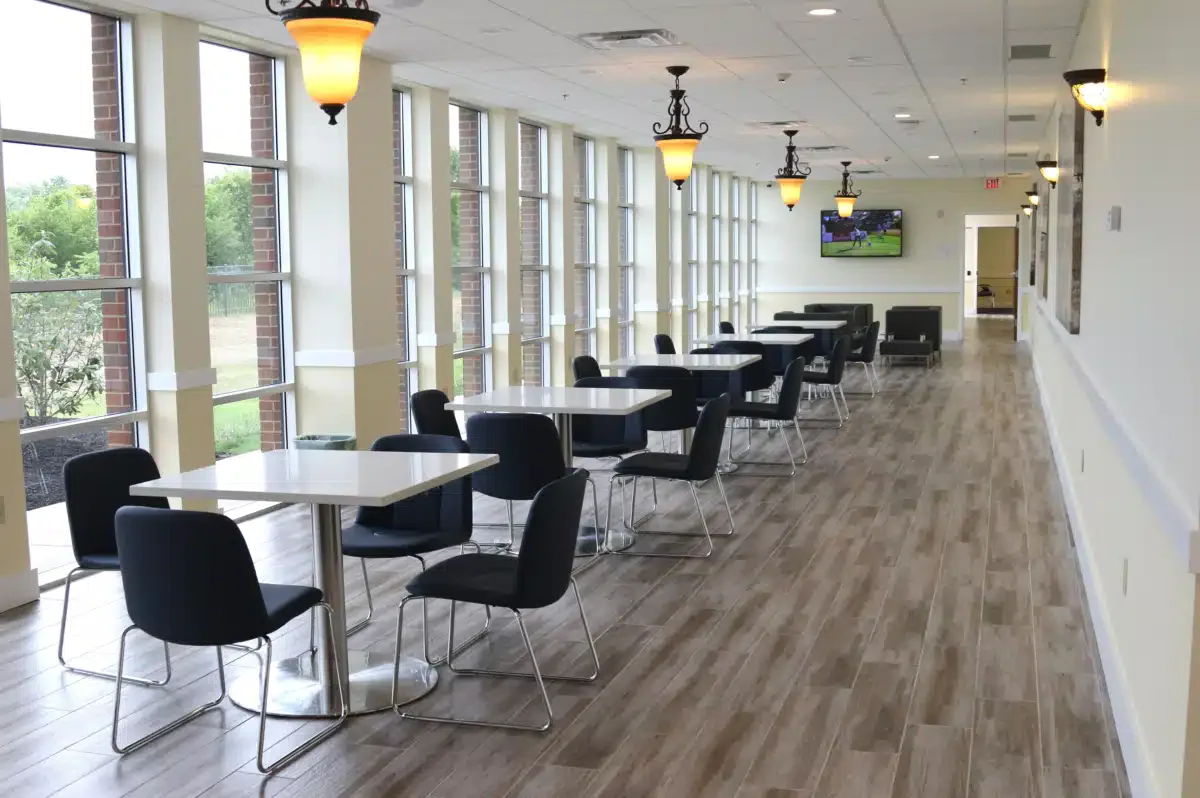
In West Chester, OH, Lumiere Healing Center is dedicated to providing extensive care for substance use disorders. This institution offers inpatient medical detoxification and treatment, alongside supportive housing for individuals requiring it. Lumiere Healing Center features tailored programs for active military personnel, adult males, and adult females, accommodating a broad spectrum of clients. Their treatment methods incorporate 12-step program guidance, strategies for managing anger, and short-term interventions to meet diverse requirements. Catering to adults and young adults of all genders, the center prioritizes individualized attention and assistance throughout the recovery journey.
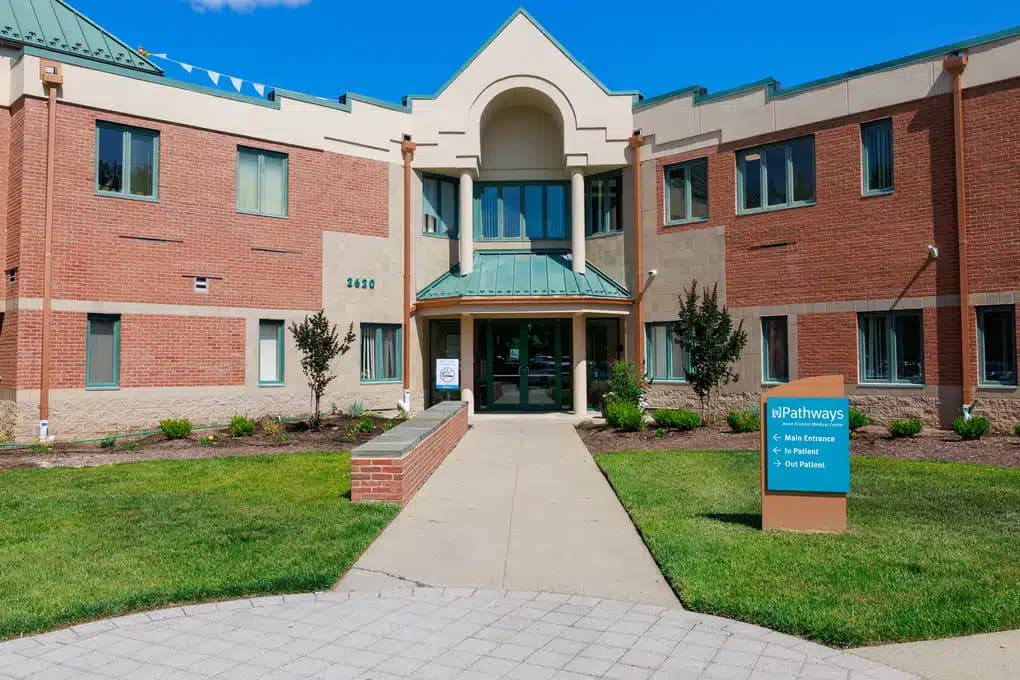
Situated in Annapolis, MD, Luminis Health Pathways delivers comprehensive rehabilitation services for detoxification, substance dependency, and co-occurring mental health disorders in adults, as well as emotional issues in children. Prioritizing high-quality treatment, the center offers hospital inpatient detox services, therapeutic interventions, and round-the-clock care through various methods, including 12-step programs, anger management, and short-term interventions. Customized programs are available for adult men and those who have faced trauma, including situations of intimate partner violence or domestic abuse. This facility is dedicated to providing tailored care and assistance to individuals of all ages and genders who are on the journey to recovery from addiction and mental health difficulties.

This Fort Knox, Kentucky VA clinic provides outpatient substance use treatment with buprenorphine or naltrexone, primarily for veterans, active duty members, and military families. Programs also address pregnant women, older adults, and clients with co-occurring pain or trauma. Government funding, private insurance, state plans, and self-payment are accepted.
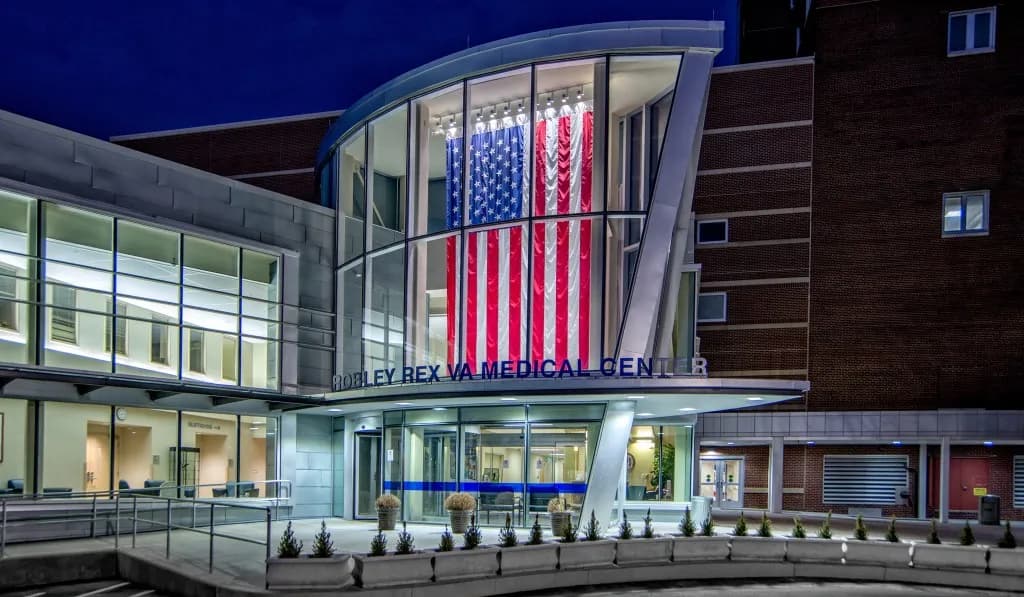
The Louisville VAMC Greenwood clinic in Louisville, Kentucky offers outpatient addiction treatment including buprenorphine and naltrexone services for veterans, military members, and their families. Care covers co-occurring mental health and pain disorders, HIV or AIDS, and trauma histories. Government funding, private insurance, state plans, and self-payment are accepted.
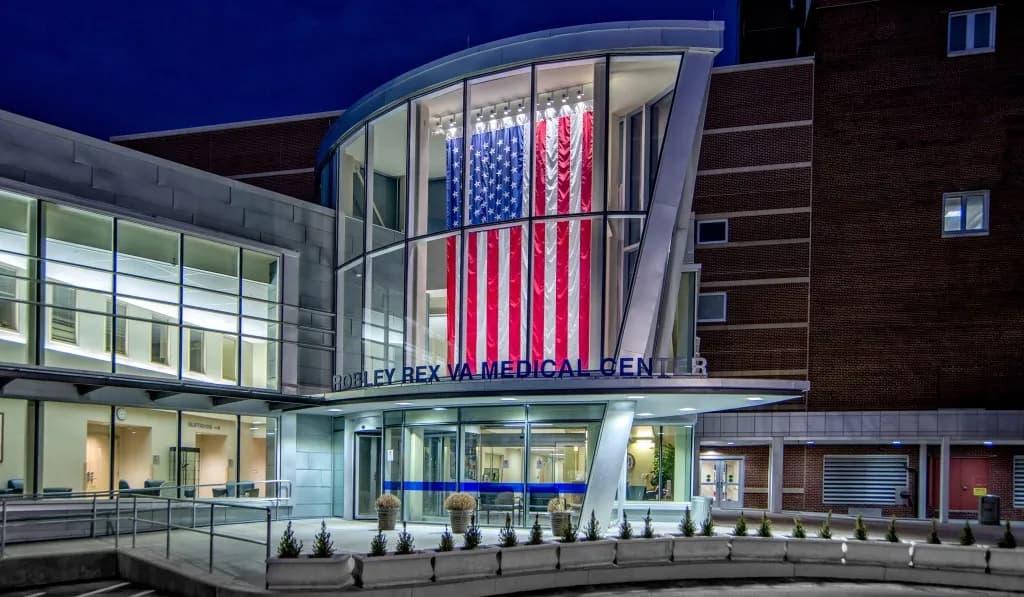
Outpatient substance use treatment with buprenorphine or naltrexone is provided at this Louisville, Kentucky VA clinic in Newburg, serving veterans, active duty members, and military families. Programs address co-occurring mental health and pain disorders, HIV or AIDS, and trauma. Government funding, private insurance, state plans, and self-payment are accepted.
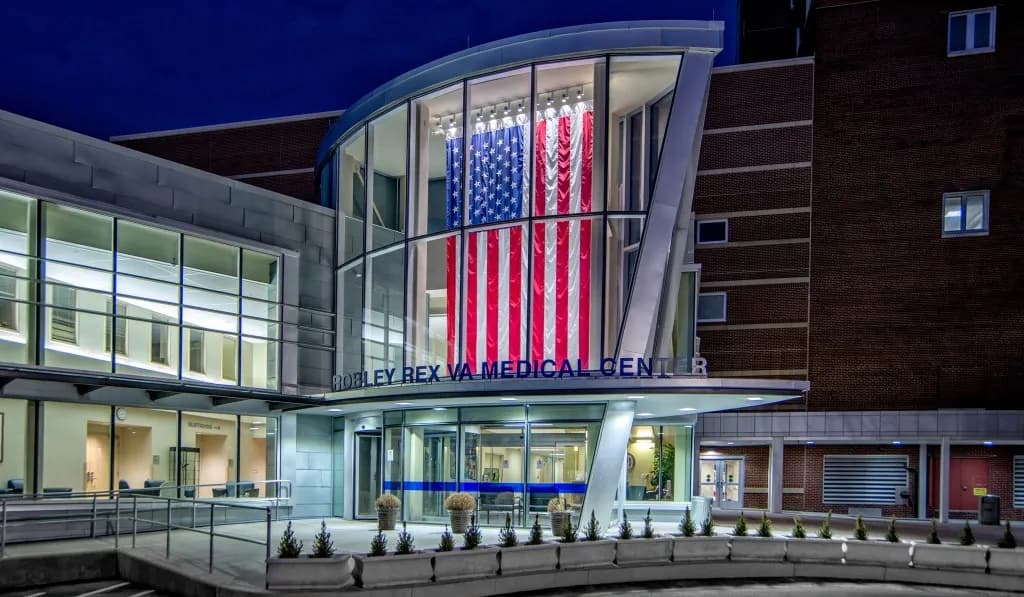
The Stonybrook VA clinic in Louisville, Kentucky offers regular outpatient addiction care with buprenorphine and naltrexone for veterans and military families. Services reach young adults through seniors, including pregnant women, criminal justice clients, and people with trauma histories. Government funding, private insurance, and state insurance plans are accepted.

Lower Eastside Service Center's OTP 2 site in New York City provides short- and long-term residential substance use treatment for adults, with programs for women, pregnant and postpartum women, and clients with co-occurring disorders or trauma. Buprenorphine and naltrexone are used. Medicare, Medicaid, and private insurance are accepted.

Women, including pregnant and postpartum women, can find short- and long-term residential treatment at Lower Eastside Service Center's SRR site in New York City. Programs address co-occurring mental health disorders and trauma, with buprenorphine and naltrexone used in treatment. Medicare, Medicaid, private insurance, and self-payment are accepted.

The SRR2 site of Lower Eastside Service Center in New York City offers short- and long-term residential substance use treatment for adult women and men, including clients with co-occurring mental health disorders and trauma histories. Buprenorphine and naltrexone are used in treatment. Medicaid, private insurance, and self-payment are accepted.

Lower Shore Clinic Inc, located in Cambridge, MD, provides outpatient services for adults and young adults dealing with substance use and accompanying mental health challenges. The center focuses on tailored programs that effectively target both addiction and significant mental health issues. Treatment methods include outpatient support featuring medications like methadone, buprenorphine, or naltrexone. Lower Shore Clinic Inc employs techniques such as 12-step facilitation, anger management, and brief interventions to assist clients in their recovery processes. Committed to delivering high-quality care, the facility serves both men and women seeking thorough and personalized treatment plans for substance use disorders coupled with mental health conditions.
Lower Shore Clinic Inc, situated in Salisbury, MD, provides extensive outpatient care for those pursuing substance use treatment and healing. This establishment focuses on adult and child services, including detoxification and integrated mental health and substance use care. They emphasize outpatient detox and medication-assisted treatment with methadone or buprenorphine, utilizing proven methods like cognitive behavioral therapy and anger management. Lower Shore Clinic Inc also accommodates individuals with trauma or sexual abuse backgrounds, fostering a secure and encouraging setting for recovery. Serving adults and young adults across all genders, the clinic is dedicated to offering superior treatment to aid clients in their recovery path.
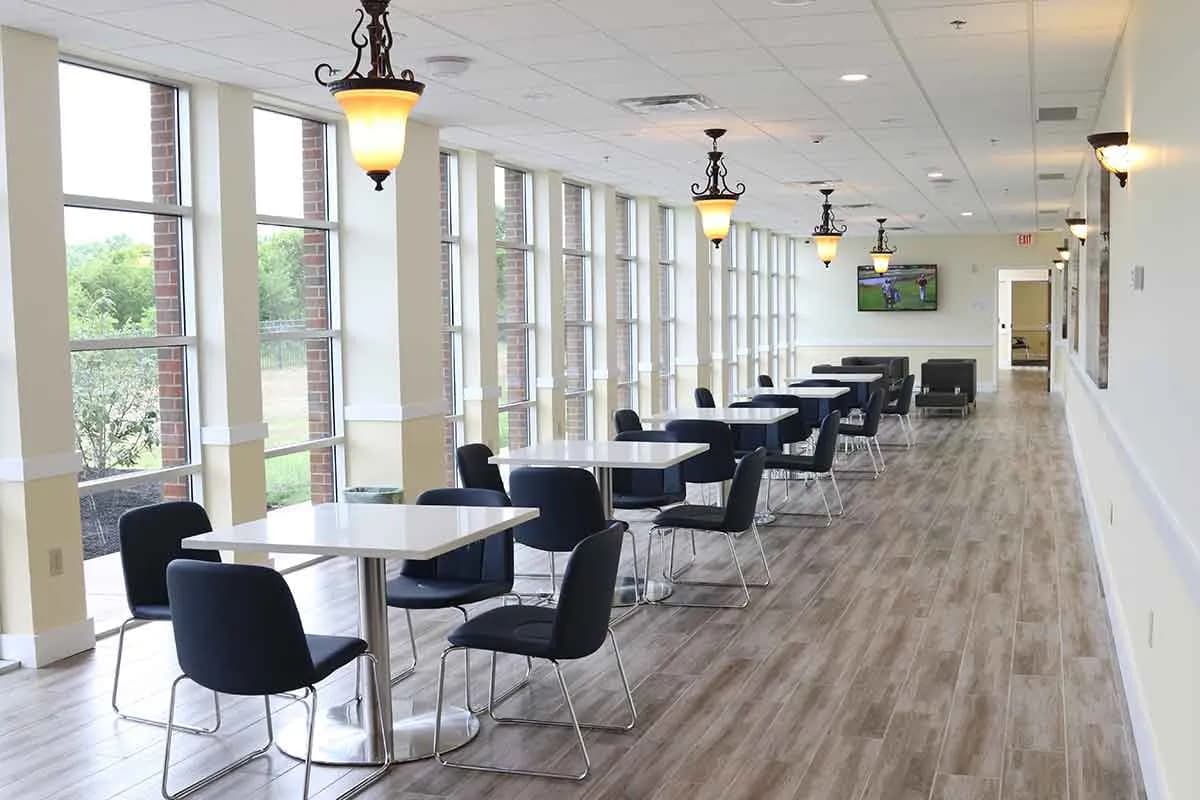
Lumiere Healing Centers in West Chester, Ohio provides outpatient day treatment or partial hospitalization and intensive outpatient care for substance use and co-occurring mental illness, using buprenorphine and naltrexone. A program serves pregnant and postpartum women. Medicaid, private insurance, and self-payment are accepted.
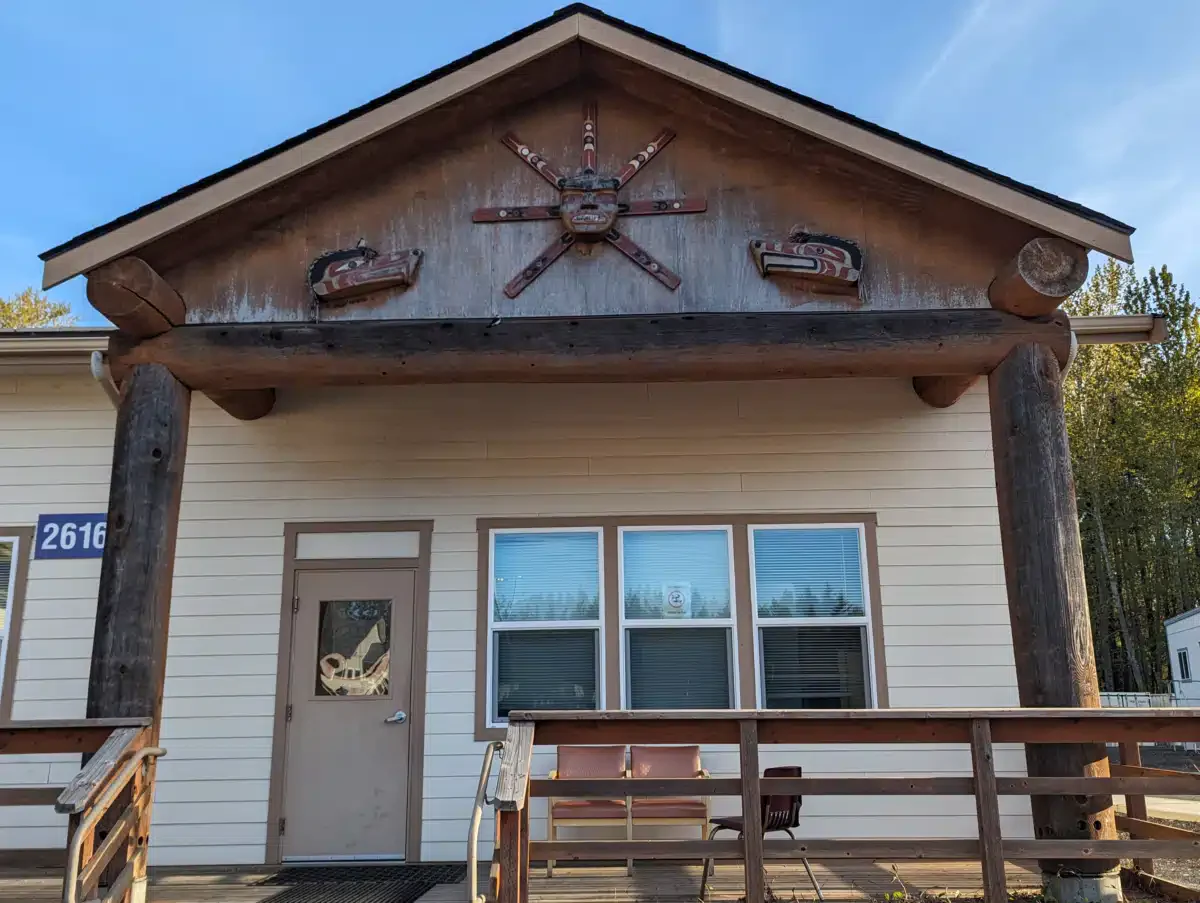
Lummi Counseling Services in Bellingham, WA, delivers complete care for addiction, concentrating on detox and substance abuse support. This location provides intensive outpatient treatment, standard outpatient programs, and outpatient detox services to suit diverse requirements. Employing proven methods such as 12-step guidance, brief intervention, and cognitive behavioral therapy, the center customizes treatment plans for each person. Specialized programs are available for young people, adult males, and adult females. Catering to both adults and younger individuals, Lummi Counseling Services ensures individualized support for all genders. Dedicated to high-quality and successful recovery, this center is a reliable choice for individuals pursuing expert addiction treatment.

Luna Recovery for Women in North Andover, Massachusetts, focuses on substance use treatment for adult women, including pregnant and postpartum clients, veterans, and trauma survivors. Levels of care include partial hospitalization, intensive outpatient, and regular outpatient treatment, with buprenorphine and naltrexone available. TRICARE, private insurance, and self-payment are accepted.
Situated in Bryn Mawr, Pennsylvania, Lower Merion Counseling and offers extensive outpatient treatment for substance use disorders, catering to both adults and children facing concurrent mental health challenges. The center features targeted programs designed specifically for adult men, women, and individuals who have undergone traumatic experiences. Treatment methodologies encompass anger management, brief interventions, and cognitive behavioral therapy. Providing tailored services for adults and seniors of all genders, this center ensures high-quality care through outpatient options, including methadone/buprenorphine or naltrexone treatments, in addition to standard outpatient programs. Consider Lower Merion Counseling and for individualized and effective rehabilitation solutions.
The Luminosity Bakari Program, situated in Brockton, MA, provides outpatient substance use disorder treatment and detoxification for adults managing co-occurring mental health conditions. The program excels in anger management, cognitive behavioral therapy, and brief intervention techniques. Specialized tracks are offered for active military personnel, teenagers, and adult men. Primarily an outpatient facility, it serves individuals of all ages and genders, including older adults. The Luminosity Bakari Program delivers effective addiction treatment within a nurturing setting, presenting a strong option for individuals requiring thorough and personalized support.
Lutheran Community Services NW, located in Portland, OR, provides comprehensive outpatient services for adults struggling with substance use disorders, particularly those with co-occurring serious mental health conditions or children experiencing emotional disturbances. Their therapeutic approaches incorporate 12-step facilitation, brief intervention strategies, and cognitive behavioral therapy. This establishment offers distinct programs designed for adult men, women, and individuals who have endured intimate partner violence. Catering to adult and young adult populations of both genders, Lutheran Community Services NW is dedicated to delivering exceptional, individualized care.
Frequently Asked Questions
What is naltrexone and how does it work?
What are the most common naltrexone side effects?
What is Vivitrol and how is the injection administered?
What is the difference between naltrexone and naloxone?
How does naltrexone compare to Suboxone?
What is the standard naltrexone dosage?
How much does naltrexone cost and does insurance cover it?
What is low dose naltrexone (LDN)?
About Naltrexone (Vivitrol)
Naltrexone is an opioid antagonist, meaning it binds to the mu-opioid receptors in the brain without activating them. By occupying these receptors, naltrexone effectively blocks the rewarding effects of opioids and reduces the neurochemical reinforcement that drives alcohol cravings. Unlike medications such as methadone or buprenorphine, naltrexone has no potential for abuse or physical dependence because it produces no opioid effect whatsoever.
How Naltrexone Works
When a person taking naltrexone consumes alcohol, the pleasurable dopamine surge that normally reinforces drinking behavior is significantly blunted. For individuals with opioid dependence, naltrexone prevents any ingested opioid from reaching the receptors, rendering opioid use ineffective. This pharmacological mechanism makes naltrexone a cornerstone of medication-assisted treatment (MAT) programs across the country. Naltrexone was first approved by the FDA in 1984 for opioid dependence and received additional approval for alcohol dependence in 1994.
Naltrexone Side Effects
Common side effects include:
- Nausea, especially during the first few days
- Headache and dizziness
- Fatigue and insomnia
- Joint and muscle pain
- Decreased appetite and anxiety
Serious side effects are less common but include signs of liver injury such as yellowing of the skin or eyes, dark urine, and persistent abdominal pain. Severe injection site reactions from Vivitrol, including tissue necrosis, have been reported in rare cases. Importantly, naltrexone lowers opioid tolerance over time — if a person discontinues naltrexone and attempts to use opioids at previously tolerated doses, the risk of fatal overdose increases significantly.
Naltrexone for Alcohol Dependence
Naltrexone is one of only three FDA-approved medications for alcohol use disorder, alongside disulfiram (Antabuse) and acamprosate (Campral). For individuals struggling with alcohol dependence, naltrexone reduces heavy drinking days and increases the percentage of days abstinent. The oral formulation, sold under the brand name Revia, is typically prescribed at 50 mg daily and is most effective when combined with behavioral therapy and support groups.
Naltrexone for Opioid Dependence
For opioid dependence, naltrexone serves as a relapse-prevention tool rather than a detox medication. Patients must complete a full opioid detoxification and remain opioid-free for a minimum of 7 to 14 days before beginning naltrexone therapy. Starting naltrexone while opioids are still present can trigger sudden and severe precipitated withdrawal. Once initiated, naltrexone provides a pharmacological safety net — if a patient relapses, naltrexone blocks the drug from producing its usual effects.
Vivitrol: Injectable Naltrexone
Vivitrol is the brand name for naltrexone extended-release injectable suspension, delivering 380 mg in a single intramuscular dose once per month. A healthcare provider injects Vivitrol into the gluteal muscle using a special needle included in the product kit, alternating sides each month. The Vivitrol shot has become increasingly popular because it solves one of the biggest challenges in addiction treatment: medication adherence. Studies show that patients receiving monthly Vivitrol injections are significantly more likely to remain in treatment compared to those prescribed daily oral naltrexone.
Vivitrol Side Effects
Vivitrol shares many side effects with oral naltrexone but carries additional risks related to the injection site. These range from mild tenderness, redness, and swelling to severe complications including induration and in rare cases tissue necrosis requiring surgical intervention. As with oral naltrexone, Vivitrol can affect liver function, and depressed mood and suicidal thoughts have also been reported.
Revia: Oral Naltrexone Brand
Revia is the primary brand name for oral naltrexone hydrochloride tablets in a 50 mg strength. Today, most prescriptions are filled with generic naltrexone, which is bioequivalent and significantly less expensive. The main advantage of oral naltrexone over injectable Vivitrol is lower cost and greater dosing flexibility, but it requires daily compliance, which patients in early recovery frequently struggle with.
Low Dose Naltrexone (LDN)
Low dose naltrexone (LDN) refers to naltrexone prescribed at doses ranging from 0.5 mg to 5 mg — a fraction of the standard 50 mg addiction treatment dose. LDN is used off-label and is not FDA-approved for any condition at these low doses. It is not a treatment for addiction and operates through a fundamentally different mechanism. The theory proposes that a brief, transient blockade of opioid receptors causes a rebound effect that increases the body's natural endorphin production. LDN has been investigated for conditions including fibromyalgia, multiple sclerosis, and Crohn's disease, but large-scale clinical trials are still needed.
Naltrexone Cost and Insurance
Generic oral naltrexone typically costs $30 to $80 per month without insurance. With insurance or discount programs, out-of-pocket cost can fall below $15. Vivitrol injections cost $1,000 to $1,800 without insurance, but most private plans, Medicaid, and Medicare cover it. Alkermes offers the Vivitrol Co-Pay Savings Program for insured patients and a Patient Assistance Program for those without insurance.
Naltrexone Dosage
The standard oral dose is 50 mg once daily, with some providers starting at 25 mg for the first day to minimize side effects. For Vivitrol, the dose is 380 mg as a single intramuscular injection every four weeks. Patients must be opioid-free for a minimum of 7 to 14 days before initiating either formulation.
Naltrexone vs Naloxone: What's the Difference?
Both are opioid antagonists, but they differ in duration and use. Naloxone (Narcan) is a short-acting emergency overdose reversal agent that takes effect within minutes and wears off in 30 to 90 minutes. Naltrexone is a long-acting antagonist for ongoing relapse prevention, providing blockade for 24 hours (oral) or 30 days (Vivitrol). Naloxone is also a component of Suboxone, where it deters injection misuse.
Naltrexone vs Suboxone
Suboxone contains buprenorphine (a partial opioid agonist) that mildly stimulates opioid receptors, reducing cravings and withdrawal. Naltrexone fully blocks receptors with zero agonist activity. Patients must be fully detoxed before starting naltrexone, whereas Suboxone can be initiated during early withdrawal. A landmark 2017 clinical trial (X:BOT) found that among patients who successfully started treatment, relapse rates were similar between Vivitrol and Suboxone.
Naltrexone and Weight Loss
Naltrexone is one of two active ingredients in Contrave (naltrexone/bupropion), an FDA-approved weight management medication. However, naltrexone alone is not approved for weight loss. Some patients undergoing addiction treatment report modest weight changes related to reduced alcohol calories or appetite-suppressing side effects, but naltrexone should not be selected as an addiction medication primarily for weight effects.
Naltrexone resources:
Related Treatment Methods
Browse by Condition
Browse naltrexone (vivitrol) programs in states with the most treatment options.
Related conditions, treatment approaches, and levels of care.
Need immediate help? Call SAMHSA: 1-800-662-4357 (24/7, free)