
Naltrexone and Vivitrol Treatment Centers
Naltrexone is an FDA-approved opioid antagonist medication used to treat both alcohol dependence and opioid use disorder. Available as a daily oral tablet (Revia) or a monthly Vivitrol injection, naltrexone works by blocking opioid receptors in the brain to reduce cravings and prevent relapse. Use our directory to find treatment centers that offer naltrexone-based medication-assisted treatment near you.
Found 6,655 treatment centers offering naltrexone (vivitrol) across the United States.
Need Help Finding the Right Treatment Center?
Speak with a compassionate specialist now - 100% free & confidential
Showing 21 of 6655 results

Western Tidewater Community Services, located in Suffolk, VA, provides outpatient treatment for substance use issues and specialized support for adults facing concurrent substance abuse and severe mental health challenges, along with addressing significant emotional disturbances in children. The center employs techniques such as anger management, cognitive behavioral therapy, and motivational interviewing to create customized treatment programs for adults and seniors, regardless of gender. With a commitment to high-quality care and personalized strategies, the facility prioritizes creating a unique treatment plan for every client. If you are looking for thorough and individualized rehabilitation services, Western Tidewater Community Services is committed to assisting you on your path to recovery.

Westfall Associates Inc. in Rochester, NY, delivers a full spectrum of outpatient addiction recovery services designed for adults and adolescents. The center provides targeted support for adult men and women, as well as individuals with a history of trauma. Employing therapeutic methods such as 12-step integration, brief motivational counseling, and cognitive behavioral therapy, the facility guarantees personalized recovery plans. They offer medication-assisted treatment including methadone, buprenorphine, or naltrexone, alongside standard outpatient care, underlining their commitment to high-quality assistance for those overcoming substance dependence. Separate programs for men and women are available, fostering a safe and encouraging setting for healing.

Westwind Recovery, situated in Los Angeles, CA, provides an extensive selection of services for those in need of help with substance use and transitional living. The center specializes in programs designed for adults grappling with both substance use issues and significant mental health conditions. Treatment alternatives include intensive outpatient programs and day treatment sessions. Westwind Recovery employs methodologies such as 12-step facilitation and anger management to foster recovery. Additionally, it offers unique programs for active military personnel, as well as for adult men and women. Catering to adults and young adults across all genders, Westwind Recovery is committed to offering high-quality care within a nurturing atmosphere.

Situated in Triadelphia, WV, Wheeling Comprehensive Treatment Ctr provides outpatient services for detoxification and substance abuse recovery. The center features tailored programs for adult males, adult females, and those who have faced issues related to intimate partner violence, ensuring extensive support for adults and older clients. The methods employed encompass brief intervention, cognitive behavioral therapy, and contingency management with motivational incentives. In addition to standard outpatient services, the facility administers outpatient treatments using methadone, buprenorphine, or naltrexone. Wheeling Comprehensive Treatment Ctr is dedicated to serving both men and women looking for effective rehabilitation solutions in a nurturing atmosphere.
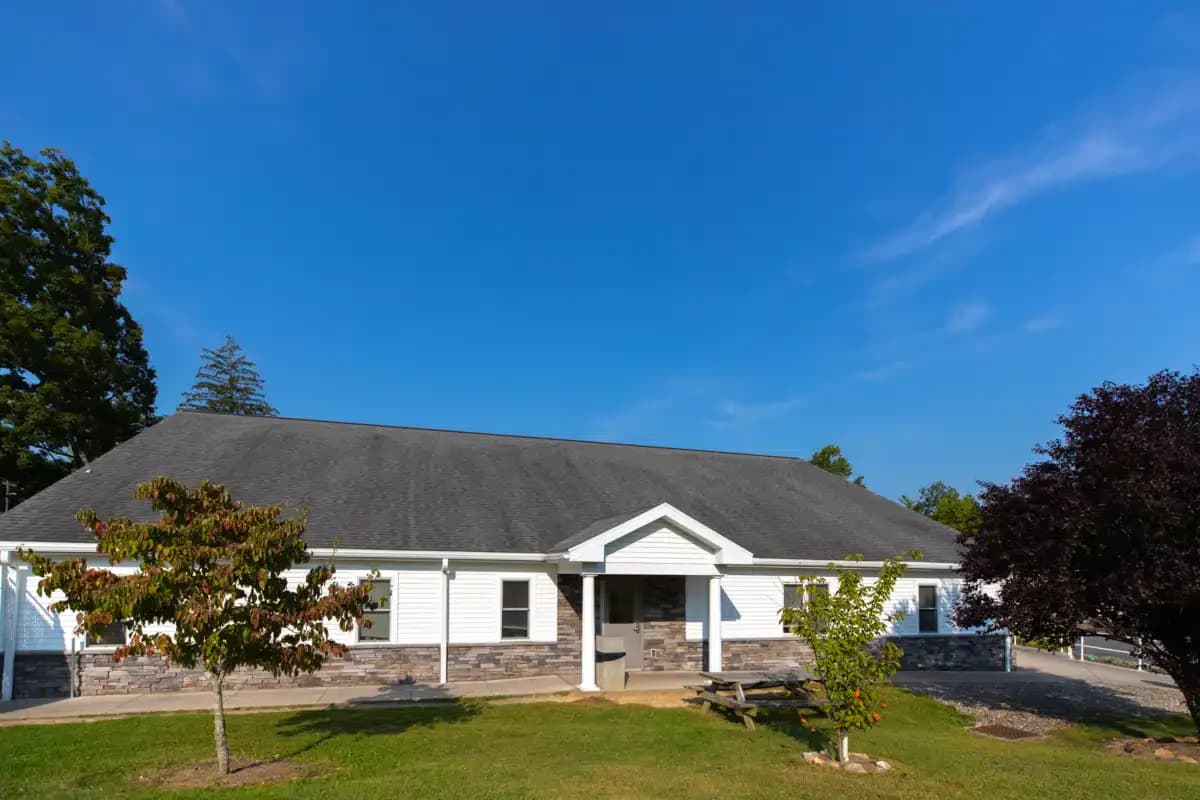
White Deer Run, situated in Allenwood, PA, delivers extensive addiction treatment services for both adults and young adults. The facility offers long-term residential care, detoxification services, and round-the-clock residential support. Emphasizing 12-step practices, anger management, and short intervention strategies, White Deer Run customizes its treatment plans to cater to the specific needs of each individual. This center excels in addressing issues related to clients facing co-occurring substance use disorders and significant mental health challenges. Specialized programs are available for adult men, adult women, and individuals who have encountered intimate partner violence. White Deer Run is committed to providing exceptional care and support to all clients on their path to recovery.
White Deer Run in York, PA, offers a wide range of addiction recovery services for adult women facing challenges related to substance abuse and accompanying serious emotional issues. The facility provides extensive residential programs, including detox, while emphasizing methods such as 12-step support, cognitive behavioral therapy, and motivational interviewing. Tailored initiatives are available for those who have gone through trauma, intimate partner abuse, or domestic violence. Aimed at adults, seniors, and young adults, this center provides a secure and nurturing atmosphere specifically for women. With its commitment to high-quality care and customized treatment options, White Deer Run stands out as a reliable option for individuals seeking empathetic and effective support in their recovery journey.
White Deer Run, situated in Lancaster, PA, is a leading treatment facility focused on detox and comprehensive addiction services for adult males. They offer extended stay residential care, immediate detox services, and round-the-clock residential support. The center employs strategies such as brief intervention, relapse prevention techniques, and specialized counseling for addiction. White Deer Run serves a diverse male population, including older adults, younger individuals, those with trauma histories, and people facing dual diagnoses of mental health and substance use issues. Their commitment to high-quality, personalized recovery plans aims to empower individuals toward sustained well-being and freedom from addiction.
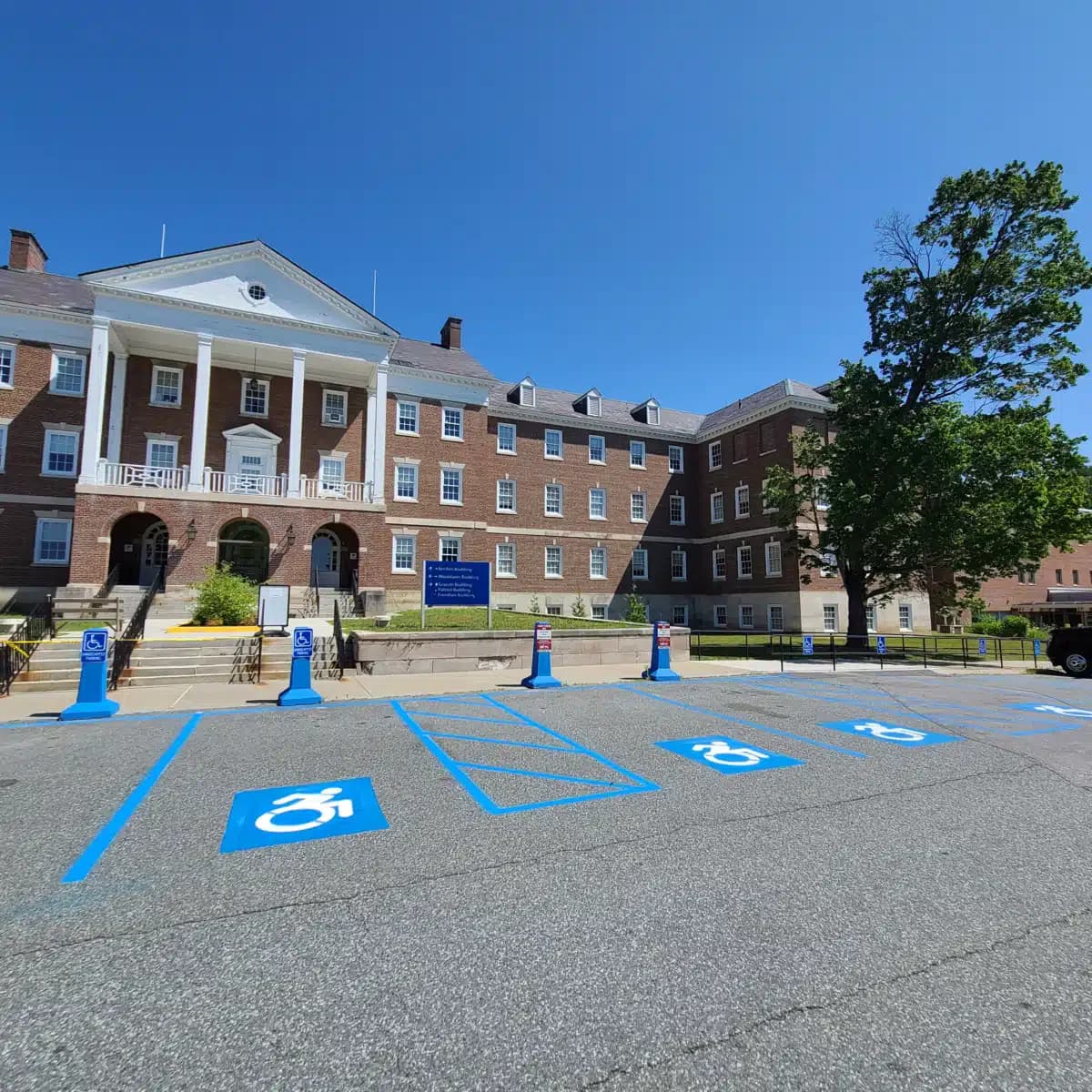
Situated in White River Junction, VT, the White River Junction VA Medical Center delivers extensive services for addiction recovery aimed at both adults and young adults. This facility specializes in inpatient detox and offers treatment for substance use disorders alongside mental health issues that may arise simultaneously. With unique programs designed specifically for veterans, it emphasizes tailored treatment. Employing methods like 12-step programs and anger management, the center prioritizes a holistic approach to recovery. Both male and female clients benefit from customized care plans, making it an excellent choice for those in search of evidence-based strategies within a nurturing atmosphere, dedicated to supporting individuals in achieving enduring sobriety.
Situated in York, PA, White Deer Run delivers extensive detox and substance use treatment options within a nurturing setting. The facility features residential detoxification, around-the-clock residential care, and short-term residential services specifically designed for adult males. Emphasizing 12-step facilitation, anger management, and brief intervention strategies, White Deer Run is equipped to assist individuals dealing with co-occurring mental health and substance use disorders, survivors of trauma, and a wide range of age groups from young adults to seniors. With a strong focus on personalized treatment plans, the center guarantees top-notch care for individuals on their path to recovery and wellness.

Situated in Newberry, SC, Westview Behavioral Health Services delivers extensive outpatient care for individuals of all ages struggling with addiction and co-occurring psychological challenges. The facility features tailored interventions for teenagers, those impacted by relationship abuse, domestic violence, and sexual trauma. Therapies offered encompass anger regulation, short-term counseling, and cognitive restructuring. Westview Behavioral Health Services serves both men and women, providing effective support through outpatient medication-assisted treatment (methadone/buprenorphine or naltrexone). Committed to personalized treatment plans and proven therapeutic methods, the center aims to guide patients toward lasting recovery.
Western Tidewater Community Services, located in Suffolk, VA, provides an extensive array of outpatient services aimed at detoxification, treatment for substance use, and addressing co-occurring disorders for both adults and children. The center employs methodologies such as cognitive behavioral therapy and motivational interviewing, emphasizing customized care to meet the unique needs of each client. With a strong emphasis on anger management and individualized programs, adults and seniors of all genders are offered quality treatment options. For individuals looking for a supportive and effective atmosphere for recovery, Western Tidewater Community Services creates a professional and caring environment to assist in their healing journey.
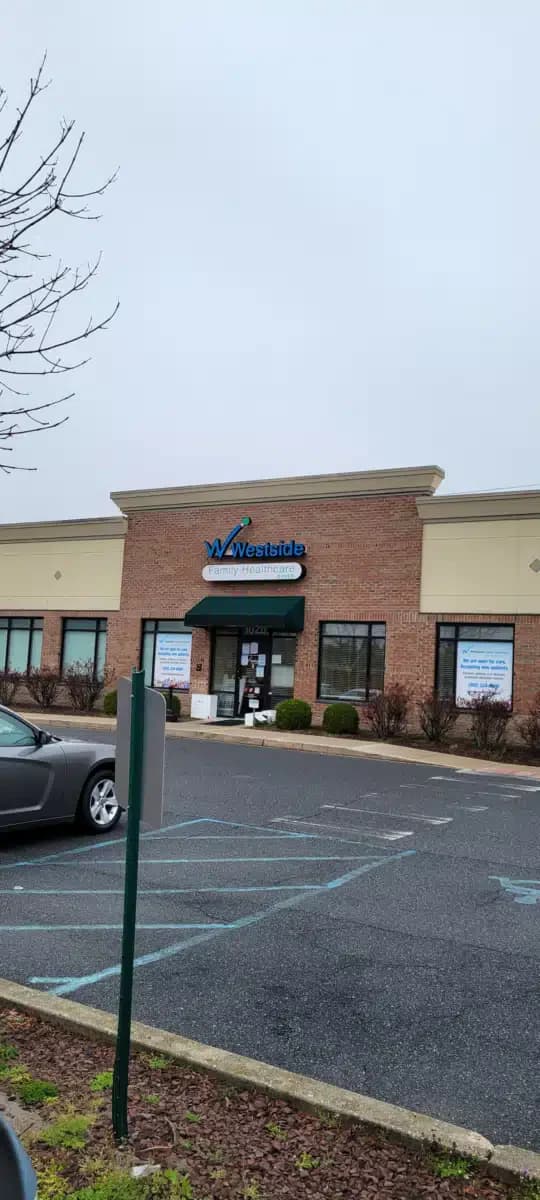
Nestled in Newark, DE, Westside Family Healthcare delivers thorough outpatient treatment for substance use disorders. Their specialized care incorporates techniques like anger management, brief intervention, and cognitive behavioral therapy. Programs are specifically designed for adolescents, adult men, and adult women, and services extend to adults of all genders and seniors. Westside Family Healthcare prioritizes high-quality, personalized treatment plans to guide individuals toward healing. From outpatient methadone/buprenorphine or naltrexone options to general outpatient services, the center is devoted to offering impactful and empathetic support to those requiring assistance.
Westside Family Healthcare, located in Dover, DE, provides extensive outpatient care for individuals struggling with substance use disorders. Their programs are tailored to specific demographics, including young people, adult men, and adult women, acknowledging the distinct challenges each group faces. Utilizing therapeutic methods such as anger management, brief intervention, and cognitive behavioral therapy, they deliver personalized recovery plans. For adults and older adults, Westside Family Healthcare offers medication-assisted treatment with options like methadone, buprenorphine, or naltrexone. The center is dedicated to delivering high-quality, supportive services for all clients, regardless of gender, who are pursuing freedom from addiction.
Western Psychological and Counseling, situated in Vancouver, WA, delivers targeted programs for substance misuse, accommodating diverse age and gender demographics. They offer intensive outpatient, outpatient, and standard outpatient care, utilizing proven methods such as 12-step facilitation, brief intervention, and cognitive behavioral therapy. The center excels in providing specialized care for teenagers, individuals facing dual diagnoses of mental health and substance use issues, and those managing co-occurring pain and addiction. Western Psychological and Counseling is recognized for its personalized treatment plans and dedication to providing high-caliber support for those pursuing sobriety.
Westside Family Healthcare, located in Bear, DE, provides tailored substance use rehabilitation through various outpatient options, including methadone/buprenorphine or naltrexone treatments alongside standard outpatient services. The center emphasizes crucial elements such as anger management, cognitive behavioral therapy, and brief interventions, catering specifically to adolescents, as well as adult men and women. By offering specialized programs suited for both adults and seniors, this facility adopts a holistic approach to the recovery process. With dedicated gender-specific and age-relevant treatment plans, Westside Family Healthcare ensures high-caliber care for those in need of addiction recovery support.
Situated in Wilmington, DE, Westside Family Healthcare delivers extensive substance use treatment through its outpatient services. The center features targeted outpatient programs for methadone/buprenorphine or naltrexone, standard outpatient treatment, and a variety of therapeutic techniques such as anger management, brief intervention, and cognitive behavioral therapy. Westside Family Healthcare serves adolescents, adult men, and adult women, promoting tailored care for diverse gender and age demographics. Emphasizing high-quality care, this facility stands as a reliable option for adults and seniors in need of effective, individualized addiction treatment solutions.
Westview Behavioral Health Services, located in Saluda, SC, delivers a wide range of outpatient rehabilitation programs catering to both substance use issues and co-existing mental health challenges in both adults and children. The center specializes in aiding individuals who have experienced intimate partner and domestic violence. Emphasizing techniques such as 12-step facilitation, brief intervention, and cognitive behavioral therapy, Westview adapts its programs to address the distinct requirements of adolescents, adult men, and individuals of all gender identities. Its dedication to high-quality care and personalized treatment strategies establishes it as a reputable option for anyone in need of compassionate support and effective addiction recovery solutions.
Situated in Bellingham, WA, Whatcom Community Detox provides comprehensive residential detoxification services centered on personalized treatment plans. This center offers around-the-clock support for adults and young adults who are working to overcome addiction challenges. Employing methods such as 12-step facilitation, brief intervention strategies, and motivational interviewing, the staff adapts the treatment process to meet the unique needs of each patient. Whatcom Community Detox is distinguished by its specialized programs designed for both male and female clients. With a strong emphasis on high-quality care and a nurturing atmosphere, this facility is devoted to guiding individuals toward sustainable recovery from substance use disorders.
Situated in Eugene, OR, White Bird Clinic stands out as a premier rehabilitation center that provides both intensive outpatient and outpatient programs aimed at addressing substance abuse and associated mental health conditions. This center excels in areas such as anger management, cognitive behavioral therapy, and motivational interviewing, delivering personalized treatment for adult females, individuals with co-occurring disorders, and those involved with the criminal justice system. White Bird Clinic caters to adults and young adults of diverse gender identities, offering a broad array of services, including outpatient treatments using methadone, buprenorphine, or naltrexone. Discover compassionate and effective support at this institution committed to fostering recovery and well-being.
The White Earth Substance Abuse Program in Ogema, MN, is committed to delivering thorough substance use recovery services for adults and young adults. Prioritizing excellent treatment, they offer intensive outpatient, standard outpatient, and regular outpatient programs. Through methods like 12-step facilitation, anger management, and brief intervention, this center is equipped to serve active duty military, adult men, and adult women. The program accepts both male and female patients, fostering a welcoming and inclusive setting. For those in search of effective addiction care with tailored support, the White Earth Substance Abuse Program is devoted to assisting individuals on their journey to sustained wellness.
White Sage Recovery, situated in Pleasant Grove, UT, delivers all-encompassing detox services within a residential environment. This establishment offers round-the-clock support for adults and young adults, featuring distinct programs crafted to meet specific requirements. Employing a blend of 12-step support, cognitive behavioral approaches, and motivational engagement, White Sage Recovery provides top-tier, gender-focused treatment for both males and females. The center's commitment to a personalized strategy guarantees that every individual receives tailored assistance to foster their path to wellness. For those in search of impactful and caring addiction treatment, White Sage Recovery is committed to creating a nurturing space for restoration and development.
Frequently Asked Questions
What is naltrexone and how does it work?
What are the most common naltrexone side effects?
What is Vivitrol and how is the injection administered?
What is the difference between naltrexone and naloxone?
How does naltrexone compare to Suboxone?
What is the standard naltrexone dosage?
How much does naltrexone cost and does insurance cover it?
What is low dose naltrexone (LDN)?
About Naltrexone (Vivitrol)
Naltrexone is an opioid antagonist, meaning it binds to the mu-opioid receptors in the brain without activating them. By occupying these receptors, naltrexone effectively blocks the rewarding effects of opioids and reduces the neurochemical reinforcement that drives alcohol cravings. Unlike medications such as methadone or buprenorphine, naltrexone has no potential for abuse or physical dependence because it produces no opioid effect whatsoever.
How Naltrexone Works
When a person taking naltrexone consumes alcohol, the pleasurable dopamine surge that normally reinforces drinking behavior is significantly blunted. For individuals with opioid dependence, naltrexone prevents any ingested opioid from reaching the receptors, rendering opioid use ineffective. This pharmacological mechanism makes naltrexone a cornerstone of medication-assisted treatment (MAT) programs across the country. Naltrexone was first approved by the FDA in 1984 for opioid dependence and received additional approval for alcohol dependence in 1994.
Naltrexone Side Effects
Common side effects include:
- Nausea, especially during the first few days
- Headache and dizziness
- Fatigue and insomnia
- Joint and muscle pain
- Decreased appetite and anxiety
Serious side effects are less common but include signs of liver injury such as yellowing of the skin or eyes, dark urine, and persistent abdominal pain. Severe injection site reactions from Vivitrol, including tissue necrosis, have been reported in rare cases. Importantly, naltrexone lowers opioid tolerance over time — if a person discontinues naltrexone and attempts to use opioids at previously tolerated doses, the risk of fatal overdose increases significantly.
Naltrexone for Alcohol Dependence
Naltrexone is one of only three FDA-approved medications for alcohol use disorder, alongside disulfiram (Antabuse) and acamprosate (Campral). For individuals struggling with alcohol dependence, naltrexone reduces heavy drinking days and increases the percentage of days abstinent. The oral formulation, sold under the brand name Revia, is typically prescribed at 50 mg daily and is most effective when combined with behavioral therapy and support groups.
Naltrexone for Opioid Dependence
For opioid dependence, naltrexone serves as a relapse-prevention tool rather than a detox medication. Patients must complete a full opioid detoxification and remain opioid-free for a minimum of 7 to 14 days before beginning naltrexone therapy. Starting naltrexone while opioids are still present can trigger sudden and severe precipitated withdrawal. Once initiated, naltrexone provides a pharmacological safety net — if a patient relapses, naltrexone blocks the drug from producing its usual effects.
Vivitrol: Injectable Naltrexone
Vivitrol is the brand name for naltrexone extended-release injectable suspension, delivering 380 mg in a single intramuscular dose once per month. A healthcare provider injects Vivitrol into the gluteal muscle using a special needle included in the product kit, alternating sides each month. The Vivitrol shot has become increasingly popular because it solves one of the biggest challenges in addiction treatment: medication adherence. Studies show that patients receiving monthly Vivitrol injections are significantly more likely to remain in treatment compared to those prescribed daily oral naltrexone.
Vivitrol Side Effects
Vivitrol shares many side effects with oral naltrexone but carries additional risks related to the injection site. These range from mild tenderness, redness, and swelling to severe complications including induration and in rare cases tissue necrosis requiring surgical intervention. As with oral naltrexone, Vivitrol can affect liver function, and depressed mood and suicidal thoughts have also been reported.
Revia: Oral Naltrexone Brand
Revia is the primary brand name for oral naltrexone hydrochloride tablets in a 50 mg strength. Today, most prescriptions are filled with generic naltrexone, which is bioequivalent and significantly less expensive. The main advantage of oral naltrexone over injectable Vivitrol is lower cost and greater dosing flexibility, but it requires daily compliance, which patients in early recovery frequently struggle with.
Low Dose Naltrexone (LDN)
Low dose naltrexone (LDN) refers to naltrexone prescribed at doses ranging from 0.5 mg to 5 mg — a fraction of the standard 50 mg addiction treatment dose. LDN is used off-label and is not FDA-approved for any condition at these low doses. It is not a treatment for addiction and operates through a fundamentally different mechanism. The theory proposes that a brief, transient blockade of opioid receptors causes a rebound effect that increases the body's natural endorphin production. LDN has been investigated for conditions including fibromyalgia, multiple sclerosis, and Crohn's disease, but large-scale clinical trials are still needed.
Naltrexone Cost and Insurance
Generic oral naltrexone typically costs $30 to $80 per month without insurance. With insurance or discount programs, out-of-pocket cost can fall below $15. Vivitrol injections cost $1,000 to $1,800 without insurance, but most private plans, Medicaid, and Medicare cover it. Alkermes offers the Vivitrol Co-Pay Savings Program for insured patients and a Patient Assistance Program for those without insurance.
Naltrexone Dosage
The standard oral dose is 50 mg once daily, with some providers starting at 25 mg for the first day to minimize side effects. For Vivitrol, the dose is 380 mg as a single intramuscular injection every four weeks. Patients must be opioid-free for a minimum of 7 to 14 days before initiating either formulation.
Naltrexone vs Naloxone: What's the Difference?
Both are opioid antagonists, but they differ in duration and use. Naloxone (Narcan) is a short-acting emergency overdose reversal agent that takes effect within minutes and wears off in 30 to 90 minutes. Naltrexone is a long-acting antagonist for ongoing relapse prevention, providing blockade for 24 hours (oral) or 30 days (Vivitrol). Naloxone is also a component of Suboxone, where it deters injection misuse.
Naltrexone vs Suboxone
Suboxone contains buprenorphine (a partial opioid agonist) that mildly stimulates opioid receptors, reducing cravings and withdrawal. Naltrexone fully blocks receptors with zero agonist activity. Patients must be fully detoxed before starting naltrexone, whereas Suboxone can be initiated during early withdrawal. A landmark 2017 clinical trial (X:BOT) found that among patients who successfully started treatment, relapse rates were similar between Vivitrol and Suboxone.
Naltrexone and Weight Loss
Naltrexone is one of two active ingredients in Contrave (naltrexone/bupropion), an FDA-approved weight management medication. However, naltrexone alone is not approved for weight loss. Some patients undergoing addiction treatment report modest weight changes related to reduced alcohol calories or appetite-suppressing side effects, but naltrexone should not be selected as an addiction medication primarily for weight effects.
Naltrexone resources:
Related Treatment Methods
Browse by Condition
Browse naltrexone (vivitrol) programs in states with the most treatment options.
Related conditions, treatment approaches, and levels of care.
Need immediate help? Call SAMHSA: 1-800-662-4357 (24/7, free)