
Methadone Treatment Centers in Wisconsin
Medically reviewed by NWVCIL Editorial TeamLast reviewed: May 2026
Our directory lists 22 methadone clinics across Wisconsin, with the largest concentrations in Milwaukee (5), Madison (4) and Onalaska (1).
Methadone is a long-acting opioid medication used to treat opioid use disorder by eliminating withdrawal symptoms and cravings without producing a high. It is dispensed through federally certified Opioid Treatment Programs (OTPs) under strict SAMHSA and state regulations.
Treatment landscape in Wisconsin:
- Wisconsin recorded 1,767 drug overdose deaths in 2023 at 30.6 per 100,000 (CDC NCHS); opioid deaths fell -44% from 2023 to 2024 (KFF analysis).
- 77 buprenorphine providers and 18 methadone Opioid Treatment Programs serve the state; Milwaukee and Madison anchor access.
- BadgerCare Plus covers all three MAT medications and funds MAT delivered by county-based Comprehensive Community Services (CCS) programs.
- The Department of Health Services (DHS) licenses OTPs under DHS 75 and operates a 24/7 Addiction Recovery Helpline.
Methadone in Wisconsin — By the Numbers
30.6
per 100,000 drug overdose mortality (CDC 2023)
1,767
total overdose deaths in Wisconsin (2023)
18
methadone providers in our directory
164 / 203
facilities offering telehealth
194
accept Medicaid for treatment
18
SAMHSA-certified Opioid Treatment Programs
Top cities by buprenorphine provider density
Milwaukee (14) · Madison (11) · Kenosha (4)
Sources: CDC NCHS Drug Overdose Mortality (2023) · SAMHSA Treatment Locator · NWVCIL directory snapshot, May 2026
BadgerCare Plus
BadgerCare Plus covers methadone, buprenorphine, and naltrexone and funds MAT delivered by county-based Comprehensive Community Services (CCS) programs.
State regulations
Wisconsin Department of Health Services (DHS) licenses OTPs under DHS 75; the state operates a 24/7 Addiction Recovery Helpline.
- Cash or self-payment22
- Medicaid22
- Private health insurance22
- Medicare21
- State-financed health insurance plan other than Medicaid13
- Federal military insurance (e.g., TRICARE)11
- Outpatient22
- Outpatient methadone/buprenorphine or naltrexone treatment22
- Regular outpatient treatment20
- Outpatient detoxification11
- Intensive outpatient treatment4
Need Help Finding the Right Treatment Center?
Speak with a compassionate specialist now - 100% free & confidential
Methadone Treatment Providers in Wisconsin
Methadone clinics in Wisconsin
Milwaukee · 5 centers

Community Medical Services
Milwaukee, WI
Services:

Rivers Shore Comprehensive Trt Ctr
Milwaukee, WI
Services:
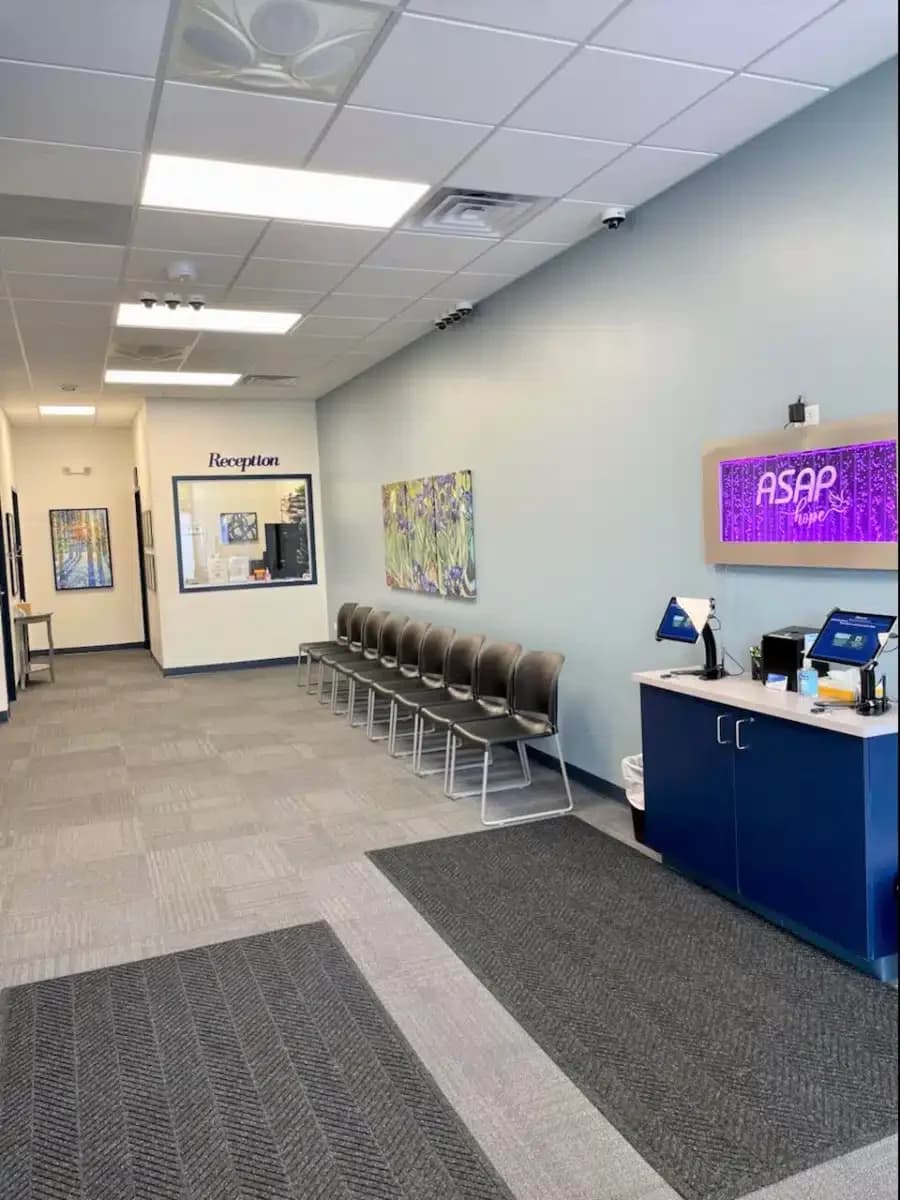
Addiction Services and Pharmacotherapy
Milwaukee, WI
Services:

Vin Baker Recovery
Milwaukee, WI
Services:
10th Street Comprehensive Treatment Ce
Milwaukee, WI
Services:
Madison · 4 centers

Madison East Comprehensive Trt Ctr
Madison, WI
Services:

Madison West Comprehensive Trt Ctr
Madison, WI
Services:

Addiction Services and Pharmacotherapy
Madison, WI
Services:
Appleton · 1 center

Appleton Comprehensive Treatment Ctr
Appleton, WI
Services:
Beloit · 1 center

Eau Claire · 1 center

Fond du Lac · 1 center
Community Medical Services
Fond du Lac, WI
Services:
Green Bay · 1 center

Green Bay Comprehensive Treatment Ctr
Green Bay, WI
Services:
Janesville · 1 center
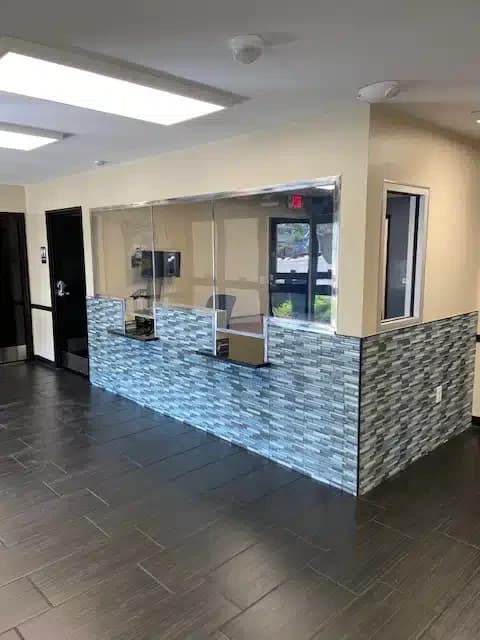
AMS of Wisconsin LLC
Janesville, WI
Services:
Kenosha · 1 center
Addiction Services and Pharmacotherapy
Kenosha, WI
Services:
Onalaska · 1 center
AMS of Wisconsin LLC
Onalaska, WI
Services:
Oshkosh · 1 center
AMS of Wisconsin LLC
Oshkosh, WI
Services:
Racine · 1 center
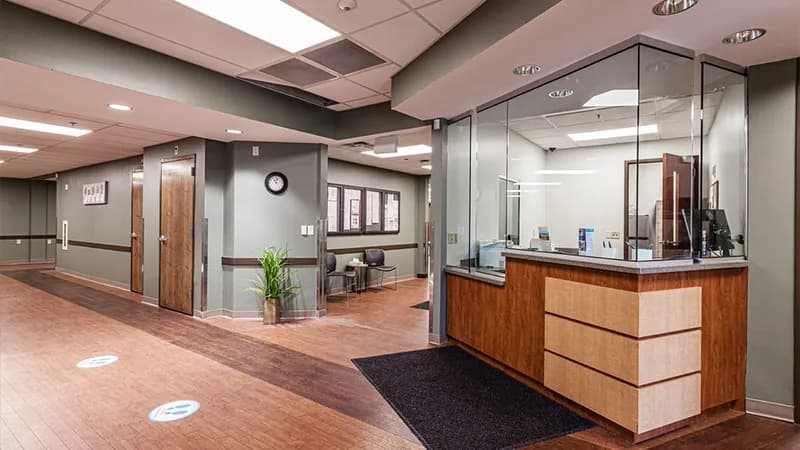
Racine Comprehensive Treatment Center
Racine, WI
Services:
South Milwaukee · 1 center
Community Medical Services
South Milwaukee, WI
Services:
Waukesha · 1 center

Waukesha Comprehensive Treatment Ctr
Waukesha, WI
Services:
Wausau · 1 center

Wausau Comprehensive Treatment Center
Wausau, WI
Services:
Frequently Asked Questions About Methadone in Wisconsin
Can I start methadone while I am on probation or parole in Wisconsin?
Yes. Federal guidance and Wisconsin law protect your right to continue FDA-approved MAT while under community supervision. Share your probation-officer contact with the clinic so they can document treatment — probation cannot legally require you to stop methadone.
Is the first visit to a methadone provider free?
Some Wisconsin programs offer a free screening or phone intake; others charge an initial assessment fee ($100–$300 self-pay). Federally qualified health centers often waive the first visit. Ask up front about assessment fees when you schedule your appointment.
If I’m pregnant, does BadgerCare Plus expand methadone coverage?
Yes. Pregnancy-related BadgerCare Plus coverage includes MAT with no copays and priority access to Wisconsin perinatal-MAT programs. Many BadgerCare Plus plans also extend coverage for 12 months postpartum to protect the mother–infant dyad.
How high is my deductible likely to be for methadone treatment?
Marketplace silver plans in Wisconsin typically have $4,000–$7,500 individual deductibles. MAT visits accumulate toward the deductible until it is met; after that, coinsurance typically drops to 20–30%. HSA and HRA funds can cover MAT out-of-pocket costs.
Was the DEA X-waiver requirement for buprenorphine removed in Wisconsin?
Yes — federal Congress eliminated the X-waiver in December 2022, so any Wisconsin clinician with a DEA registration can now prescribe buprenorphine for OUD. Continuing-education requirements apply; training is free through Providers Clinical Support System (PCSS) and SAMHSA.
Is there a maximum length of time I can stay on methadone in Wisconsin?
No. There is no legal or clinical cap on how long you can remain on methadone in Wisconsin. Insurance must continue to cover MAT as long as the prescribing clinician documents medical necessity.
Does my employer need to know I started methadone?
No. Wisconsin employers have no right to require MAT disclosure. ADA protections and 42 CFR Part 2 confidentiality prevent providers from disclosing MAT status to employers. If you need FMLA for appointments, your HR can verify medical leave without knowing the diagnosis.
Is the first methadone visit confidential?
Yes. Records are protected by 42 CFR Part 2, which is stricter than HIPAA. Your employer, family, or law enforcement cannot access your records without your specific written consent or a narrowly tailored court order. Confidentiality applies from the first visit onward.
Can methadone affect my heart?
Methadone can prolong the QTc interval on ECG; Wisconsin clinics screen patients with baseline and follow-up ECGs. Buprenorphine and naltrexone do not carry this risk. Patients with cardiac disease can safely use MAT under close cardiology and MAT-team coordination.
Does BadgerCare Plus cover perinatal MAT?
Yes. BadgerCare Plus covers MAT during pregnancy and for 12 months postpartum in Wisconsin, with priority access and typically no cost-sharing. Pregnancy Medicaid applications are fast-tracked in most Wisconsin counties — ask at intake.
Do I have to attend 12-step meetings along with methadone?
No. Attending 12-step programs is optional; SMART Recovery, Women for Sobriety, Refuge Recovery, and secular support groups are all acceptable alternatives. Wisconsin MAT clinicians can help you match with a peer group aligned to your values.
What rights do I have if my records are disclosed improperly?
Improper disclosure of your records under 42 CFR Part 2 can be grounds for federal complaint and civil damages. File complaints with SAMHSA, the HHS Office of Civil Rights, and Wisconsin’s behavioral-health licensing agency. An attorney can advise on civil remedies.
Other Treatment Options in Wisconsin
Methadone Treatment in Other States
Need immediate help? Call SAMHSA: 1-800-662-4357 (24/7, free)